Whiteheads in Men: Causes, Shaving Triggers & Skincare Tips

Whiteheads are common in men because higher testosterone drives more oil production, male skin is thicker with slower shedding, and daily shaving irritates pores and disrupts the skin barrier. Dull razors, shaving against hair growth, and heavy aftershaves can all make whiteheads worse. They typically appear on the beard area, jawline, chin, nose, forehead, and neck. Gentle cleansing, proper moisturising, careful exfoliation, and thoughtful shaving technique help reduce recurrence.
- Driven by oil production, thicker skin, and shaving irritation
- Most common on the beard area, jawline, chin, and neck
- Gentle care works better than aggressive treatment
Why whiteheads are common in men
Whiteheads are closed comedones. They form when oil and dead skin cells get trapped inside a pore that remains closed.
Male skin has a few characteristics that increase this risk:
- Higher testosterone levels → more oil (sebum) production
- Thicker skin with slower natural shedding
- Frequent shaving causing friction and irritation
These factors combine to make pore congestion more likely.
See real results, then start your own
Take the free Clear Ritual Skin Test and get a personalized routine built for your skin's unique patterns.
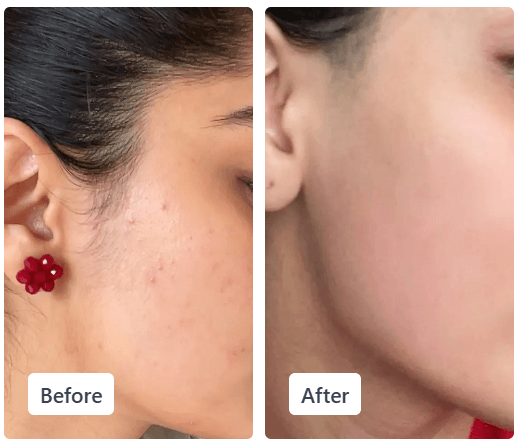
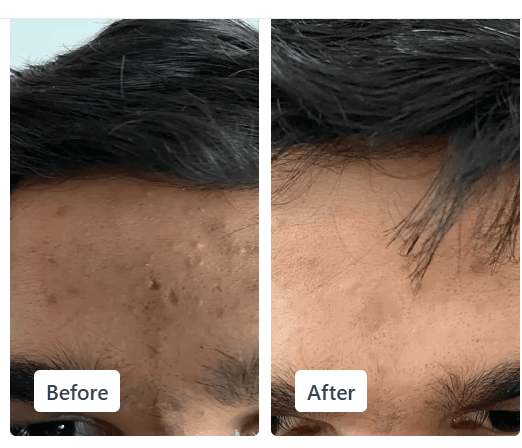
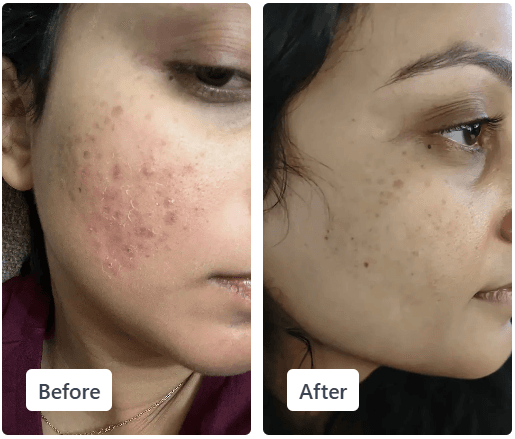
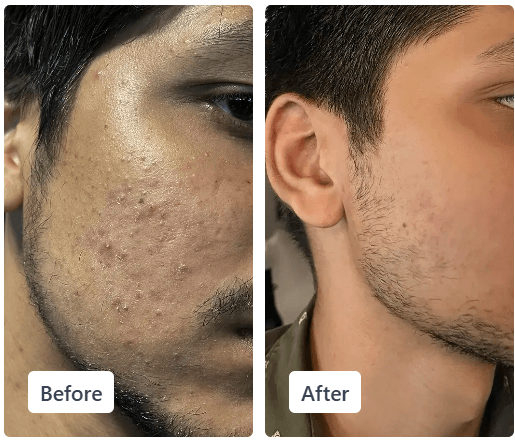
Main causes of whiteheads in men
1. Excess oil production
Testosterone stimulates oil glands. Even men who don't consider their skin "oily" often produce more sebum than women.
When oil mixes with dead skin cells, whiteheads form easily, especially on the face.
2. Shaving-related triggers
Shaving affects the skin barrier every time it's done.
Common shaving-related contributors to whiteheads include:
- Using dull or dirty razors
- Shaving too closely or against hair growth
- Frequent friction on the same areas
This irritation can cause uneven shedding of skin cells, making pores more likely to clog.
3. Heavy aftershaves and grooming products
Many men use thick balms, alcohol-based aftershaves, or fragranced products.
These can:
- Dry and damage the skin barrier
- Trigger oil rebound
- Clog pores if formulas are too heavy
4. Sweat, heat, and lifestyle factors
Physical activity, outdoor work, and hot climates increase sweat and oil on the skin.
When sweat mixes with oil and pollution, pores clog more easily, especially if cleansing is inconsistent.
Where whiteheads commonly appear in men
- Beard area and jawline
- Chin and around the mouth
- Nose and forehead
- Neck (especially with shaving)
These areas experience the most oil production and friction.
See real results, then start your own
Take the free Clear Ritual Skin Test and get a personalized routine built for your skin's unique patterns.
How shaving can worsen whiteheads (and how to prevent it)
What goes wrong during shaving
- Micro-cuts weaken the skin barrier
- Inflammation disrupts normal cell turnover
- Product residue clogs freshly opened pores
Shaving tips to reduce whiteheads
- Use a clean, sharp razor
- Shave in the direction of hair growth
- Avoid going over the same area repeatedly
- Rinse the skin thoroughly after shaving
Gentle technique matters more than shaving frequency.
Skincare tips for men with whiteheads
1. Cleanse twice daily
Use a gentle, non-stripping cleanser morning and night. Over-washing increases oil rebound.
2. Moisturise, even if skin feels oily
Skipping moisturiser weakens the barrier and worsens congestion.
Choose lightweight, fast-absorbing formulas.
3. Exfoliate carefully
Controlled exfoliation helps prevent pore blockage, but overdoing it, especially with shaving, causes irritation.
- Limit exfoliation to 2-3 times weekly
- Avoid exfoliating immediately after shaving
4. Choose grooming products wisely
Avoid heavy, greasy, or strongly fragranced aftershaves. Simpler formulations are usually better tolerated.
5. Don't pick or squeeze whiteheads
Picking increases inflammation and can lead to marks or ingrown hairs.
When men should see a dermatologist
Professional guidance may help if:
- Whiteheads persist despite consistent care
- They frequently turn inflamed or painful
- Ingrown hairs are common
- Shaving consistently worsens breakouts
How Clear Ritual Supports Personalized Skincare Decisions
Clear Ritual understands that whiteheads in men are more than a surface issue. They are shaped by genetics, skin renewal cycles, environmental factors, and the products you use.
Because whiteheads form when oil and dead skin cells become trapped inside a pore that stays closed, often made worse by shaving irritation, friction, and heavy grooming products, generic solutions rarely bring lasting improvement. Clear Ritual combines traditional wisdom and modern science to address the underlying causes of whiteheads in men.
The Clear Ritual Skin Test analyses your skin's unique patterns and daily influences to help identify the best routine for supporting healthy skin and reducing whiteheads recurrence.
See real results, then start your own
Take the free Clear Ritual Skin Test and get a personalized routine built for your skin's unique patterns.
Conclusion
Whiteheads in men are shaped by oil production, thicker skin, shaving habits, and grooming product choices, with the beard area, jawline, chin, and neck being the most affected. Aggressive acne treatments are far less effective than gentle cleansing, careful exfoliation, and mindful shaving technique. When male skin feels calm and supported, whiteheads become much easier to control, though persistent or inflamed cases may benefit from a dermatologist's guidance.
Frequently Asked Questions
Why do men get whiteheads more often than expected?
Higher testosterone levels increase oil production, male skin is thicker with slower natural shedding, and frequent shaving causes friction and irritation. Together, these factors make pore congestion more likely.
How does shaving trigger or worsen whiteheads?
Micro-cuts from shaving weaken the skin barrier, inflammation disrupts normal cell turnover, and product residue can clog freshly opened pores. Using dull razors, shaving against hair growth, or going over the same area repeatedly makes this worse.
Where do whiteheads commonly appear on men's faces?
Whiteheads most commonly appear on the beard area and jawline, chin and around the mouth, nose and forehead, and the neck, especially with shaving, since these areas experience the most oil production and friction.
What shaving habits help reduce whiteheads?
Use a clean, sharp razor, shave in the direction of hair growth, avoid going over the same area repeatedly, and rinse the skin thoroughly after shaving. Gentle technique matters more than shaving frequency.
When should a man see a dermatologist about whiteheads?
Professional guidance may help if whiteheads persist despite consistent care, frequently turn inflamed or painful, ingrown hairs are common, or shaving consistently worsens breakouts.
Editorial Standards
Clear Ritual has Strict sourcing guidelines to ensure our content is accurate and current. We rely on peer-reviewed studies, academic research institutions, and medical associations. We strive to use primary sources and refrain from using tertiary references. See a mistake? Learn More about our Editorial Standards.
Related Articles
Professional Whitehead Extraction: When You Should See a Dermatologist
Published 17 July 2026
How to Get Rid of Whiteheads on the Face Safely
Published 17 July 2026
How to Treat Acne Caused by PCOS Without Damaging Your Skin Barrier
Published 17 July 2026

How to Build an Anti-Acne Skincare Routine (Based on Your Skin Type)
Published 17 July 2026