Acne Breakout: Why It Happens All at Once and How to Calm It
An acne breakout happens when excess oil, dead skin cells, and C. acnes bacteria clog hair follicles, causing inflammation. Triggers include hormonal changes, stress, skincare products, diet, heat, and humidity. Pimples often start forming weeks earlier as tiny microcomedones that surface all at once when triggered. To calm a breakout, keep your routine simple: use a gentle cleanser, a non-comedogenic moisturiser, and targeted treatments like salicylic acid for clogged pores or benzoyl peroxide for inflamed pimples. Use benzoyl peroxide as directed to limit dryness, avoid picking or scrubbing, and apply a wrapped ice pack to reduce swelling.
What Is an Acne Breakout?
An acne breakout is a sudden flare-up of pimples, blackheads, whiteheads, or deeper cysts that appear on the skin.
It occurs when hair follicles become clogged with excess sebum (oil) and dead skin cells, creating an environment where Cutibacterium acnes (C. acnes) bacteria can overgrow and trigger inflammation.
In simple terms, an acne breakout means your skin is experiencing a period of increased acne activity due to these underlying changes.
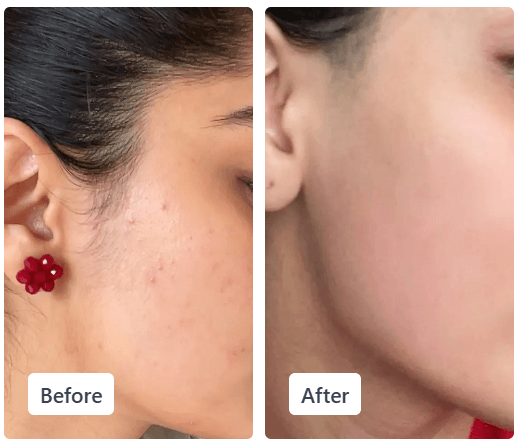
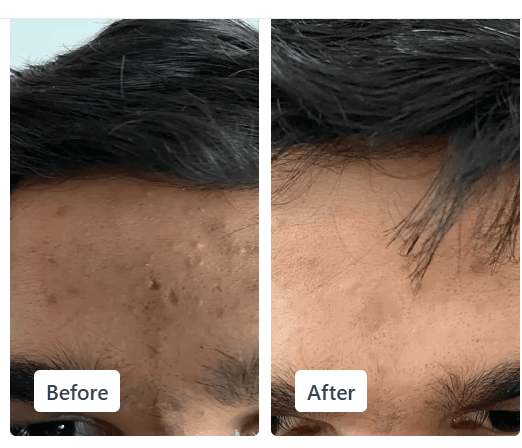
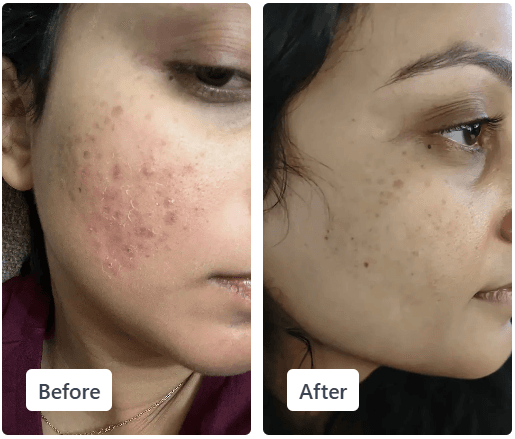
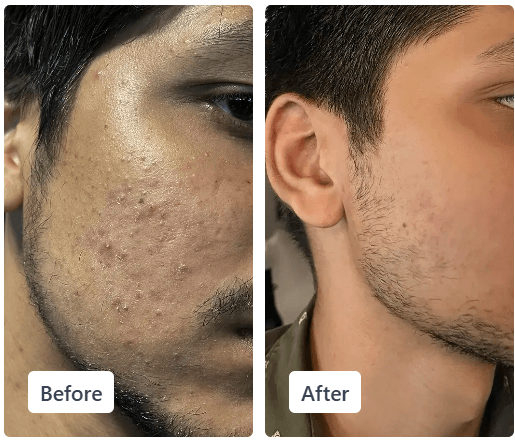
See real results, then start your own
Take the free Clear Ritual Skin Test and get a personalized routine built for your skin's unique patterns.
What Are the Different Types of Acne Breakouts?
Acne breakouts are commonly classified as non-inflammatory or inflammatory, based on the appearance of clogged pores and the degree of inflammation.
The table below outlines the main types of acne breakouts:
| Type of Acne Breakout | What Does It Look Like? |
|---|---|
| Blackheads (open comedones) | Open clogged pores filled with oil and dead skin cells. Their dark colour is caused by oxidation, not dirt. |
| Whiteheads (closed comedones) | Closed clogged pores that appear as small, flesh-coloured or white bumps. |
| Papules | Small, red, tender bumps caused by inflammation around clogged pores. |
| Nodules and cysts | Deep, painful inflammatory lesions that may lead to scarring. |
| Pustules | Red bumps with a visible white or yellow centre filled with pus. |
Note: Some skin conditions, such as Malassezia folliculitis (fungal acne), can resemble acne but are caused by yeast rather than clogged pores and often require different treatment. Hormonal acne is not a separate acne type but a pattern of breakouts linked to hormonal changes, typically affecting the jawline and chin.
What Causes an Acne Breakout?
Acne breakouts can be influenced by a combination of internal and external factors.
Common causes and triggers include:
Hormonal Imbalance
Fluctuations in androgen hormones during puberty, menstrual cycles, pregnancy, or conditions such as PCOS can increase sebum (oil) production.
Genetic Factors
A family history of acne can influence oil production, hormone sensitivity, and inflammation.
Medication Side Effects
Corticosteroids, lithium, and some hormonal medicines may trigger or worsen breakouts.
Dietary Triggers
High-glycaemic foods, some dairy products, and whey protein may worsen acne in some people.
Elevated Stress
Stress hormones can increase oil production and worsen existing acne.
External Friction
Comedogenic products, masks, helmets, or tight clothing can clog pores or cause acne mechanica, which is friction-related acne.
Sweat Buildup
Sweat, combined with excess oil and dead skin cells, can clog pores if left on the skin for extended periods.
See real results, then start your own
Take the free Clear Ritual Skin Test and get a personalized routine built for your skin's unique patterns.
What Is the Best Acne Breakout Treatment?
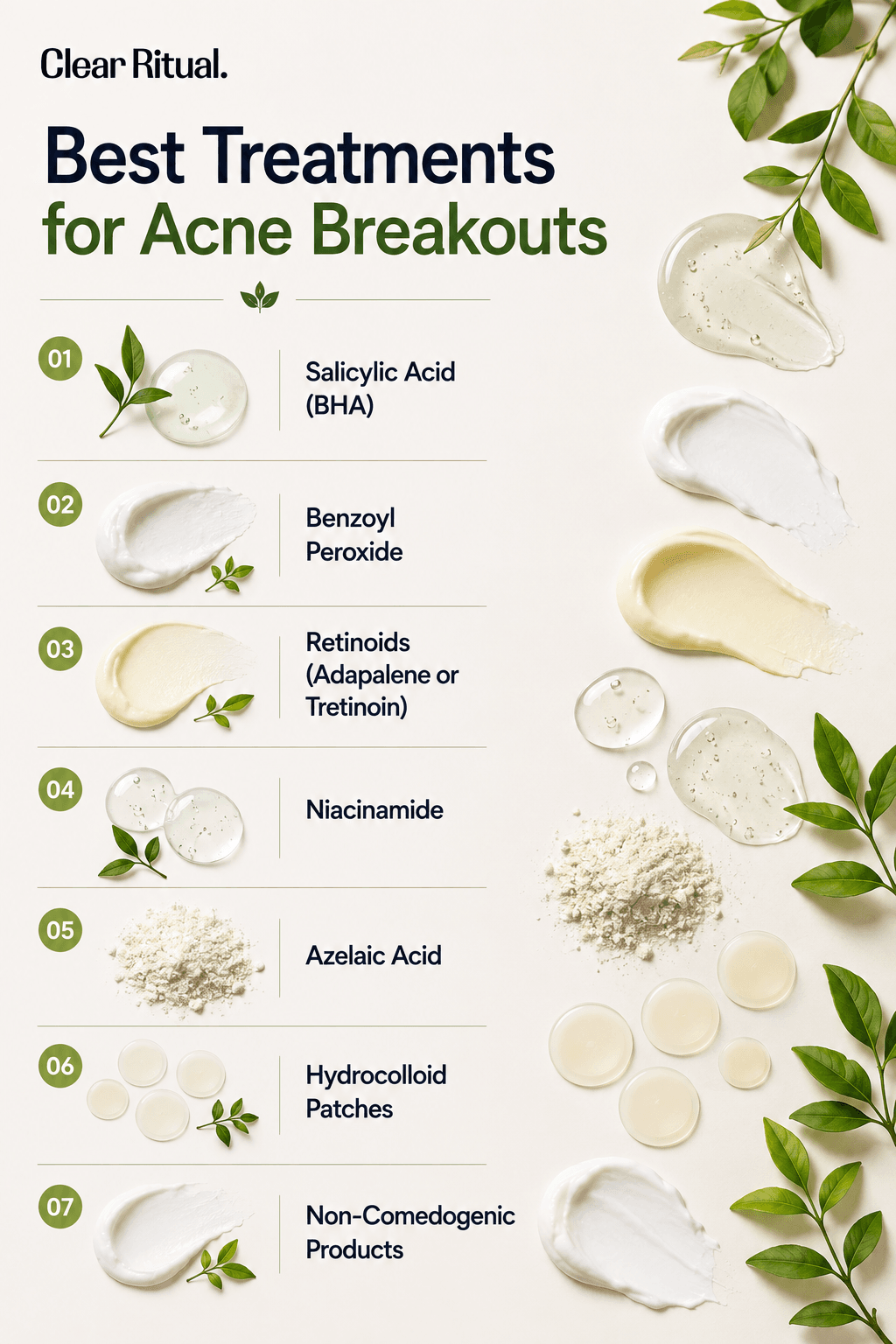
The best acne breakout treatment depends on the type and severity of your breakouts.
A consistent routine with evidence-based ingredients can help unclog pores, reduce inflammation, and prevent new pimples.
Depending on your skin concerns, common treatment options include:
Salicylic Acid (BHA)
Unclogs pores by removing excess oil and dead skin cells, making it effective for blackheads and whiteheads.
Benzoyl Peroxide
Reduces Cutibacterium acnes (C. acnes) bacteria and helps treat inflamed pimples.
Retinoids (Adapalene or Tretinoin)
Prevent clogged pores, increase skin cell turnover, and improve acne over time.
Niacinamide
Helps reduce redness and inflammation while supporting the skin barrier.
Azelaic Acid
Reduces inflammation and helps fade post-inflammatory marks.
Hydrocolloid Patches
Absorb fluid from surface-level pimples and help prevent picking.
Non-Comedogenic Products
Help keep pores clear while reducing irritation.
How Can You Prevent Acne Breakouts?
You can help prevent acne breakouts by following a consistent skincare routine, choosing the right products, and maintaining healthy daily habits.
Key preventive measures include:
Gentle Skincare Routine
Wash your face twice daily with a mild cleanser and lukewarm water. Avoid harsh scrubbing, and use non-comedogenic moisturisers and sunscreens.
Acne-Safe Formulations
Choose non-comedogenic or oil-free skincare and makeup.
Use salicylic acid for blackheads and whiteheads or benzoyl peroxide for inflamed pimples, and always remove makeup before bed.
Holistic Lifestyle Habits
Manage stress, get enough sleep, and follow a balanced, low-glycaemic diet, as these may help reduce acne flare-ups in some people.
When Should You See a Doctor for an Acne Breakout?
See a dermatologist if your acne does not improve after 6 to 8 weeks of consistent over-the-counter treatment, causes painful deep lesions, or leaves scars or persistent dark marks.
You should also seek medical advice if you notice these signs:
- Persistent breakouts: Acne does not improve after 6 to 8 weeks of consistent over-the-counter treatment.
- Painful cysts or nodules: Deep, tender breakouts that may require prescription treatment.
- Scarring or dark marks: Permanent scars or persistent post-inflammatory hyperpigmentation (PIH).
- Sudden severe breakouts: New or widespread acne in adulthood, especially if linked to hormonal changes, medical conditions, or certain medications.
- Emotional impact: Acne affects your confidence, daily activities, or emotional well-being.
How Clear Ritual Supports Personalized Skincare Decisions
Clear Ritual understands that acne breakouts are more than a surface issue. It is shaped by genetics, skin renewal cycles, environmental factors, and the products you use.
Because acne breakouts form when excess oil, dead skin cells, and C. acnes bacteria clog hair follicles, often triggered by hormones, stress, diet, or lifestyle habits, generic solutions rarely bring lasting improvement. Clear Ritual combines traditional wisdom and modern science to address the underlying causes of acne breakouts.
The Clear Ritual Skin Test analyses your skin's unique patterns and daily influences to help identify the best routine for supporting healthy skin and reducing acne breakout recurrence.
See real results, then start your own
Take the free Clear Ritual Skin Test and get a personalized routine built for your skin's unique patterns.
Conclusion
Acne breakouts often seem to appear all at once because pimples form beneath the skin for weeks before becoming visible, and triggers such as hormones, stress, and skincare products can cause several hidden blockages to surface together. Calming a breakout involves a simple routine with gentle cleansing, targeted treatments such as salicylic acid or benzoyl peroxide, and avoiding picking or scrubbing. If breakouts persist, cause pain, or lead to scarring, seeing a dermatologist can help identify the right treatment plan.
References
- PubMed Central, Acne Pathogenesis and Treatment
- NHS, Causes of Acne
- National Institute of Arthritis and Musculoskeletal and Skin Diseases, Acne
- American Academy of Dermatology, Types of Acne Breakouts
- NCBI Bookshelf, Acne Vulgaris
- Journal of the American Academy of Dermatology, Truncal Acne
- American Academy of Dermatology, Habits to Stop for Clearer Skin
- NHS, Acne
Frequently Asked Questions
How to Fix Acne Once and for All?
Acne cannot be permanently cured, but consistent treatment can control breakouts. Most people see improvement within 6 to 8 weeks.
How to Calm Down an Acne Breakout?
You can calm an acne breakout by using a cold compress to reduce swelling, then applying salicylic acid to unclog pores or benzoyl peroxide to treat inflamed pimples. Avoid picking or scrubbing the skin, and keep your routine gentle.
Does Acne Mean You Are Unhealthy?
No. Acne does not mean you are unhealthy. It is usually caused by hormones, genetics, excess sebum (oil), and clogged pores, not poor hygiene or overall health. However, factors such as stress, diet, and lack of sleep may worsen breakouts in some people.
How Long Do Acne Breakouts Last?
Acne breakouts can last from a few days to several weeks. Mild pimples often heal within 1 to 2 weeks, while deeper acne takes longer. Most people notice improvement after 6 to 8 weeks of consistent treatment.
Is 14 the Worst Age for Acne?
No. Age 14 is a common time for acne to begin, but breakouts usually peak between ages 16 and 19 in males and 16 and 17 in females due to hormonal changes during puberty.
Editorial Standards
Clear Ritual has Strict sourcing guidelines to ensure our content is accurate and current. We rely on peer-reviewed studies, academic research institutions, and medical associations. We strive to use primary sources and refrain from using tertiary references. See a mistake? Learn More about our Editorial Standards.