What Causes Back Acne in Males: Hormones, Sweat, and Lifestyle Factors
Back acne in males is primarily caused by high testosterone and androgen activity, which increases sebum production. This excess oil combines with dead skin cells and bacteria to clog hair follicles, especially on the back's thicker, oil gland rich skin. Sweat, friction from clothing or sports gear, certain lifestyle habits, and genetics also contribute to breakouts. Genetics alone may account for up to 80% of a person's acne susceptibility.
- Androgens (testosterone, DHT) increase sebum production on the back and shoulders
- Sweat mixed with friction from clothing or gear can trigger acne mechanica
- Lifestyle habits, grooming, and genetics also play a role in persistent breakouts
The back is especially prone to acne because it has a high concentration of sebaceous (oil) glands and thicker skin.
Some sweat-related breakouts may actually be a fungal skin condition called Malassezia (Pityrosporum) folliculitis. Although it looks like acne, it requires different treatment.
Genetics can also make some men more likely to develop persistent back acne because their skin is more sensitive to hormones.
What Is Back Acne in Males?
Back acne, medically known as truncal acne and commonly called "bacne," is a skin condition in which whiteheads, blackheads, pimples, papules, pustules, cysts, or nodules develop on the back and shoulders.
It occurs when hair follicles become clogged with sebum (oil), dead skin cells, and bacteria, triggering inflammation.
The skin on the back has a thicker outer layer, medically known as the stratum corneum, making it more prone to clogged pores and persistent acne.
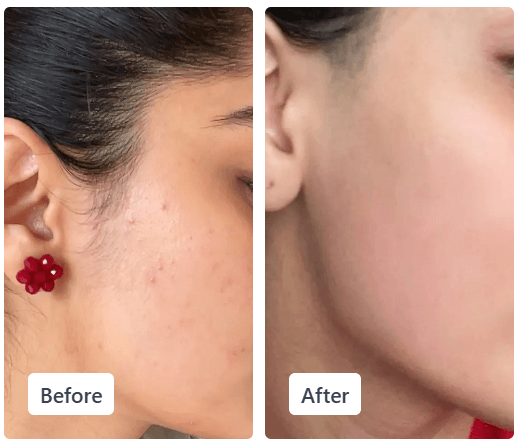
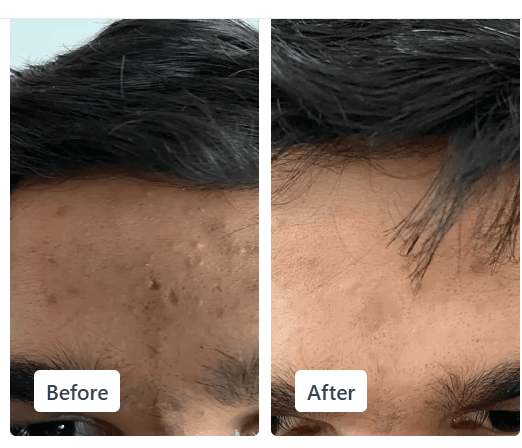
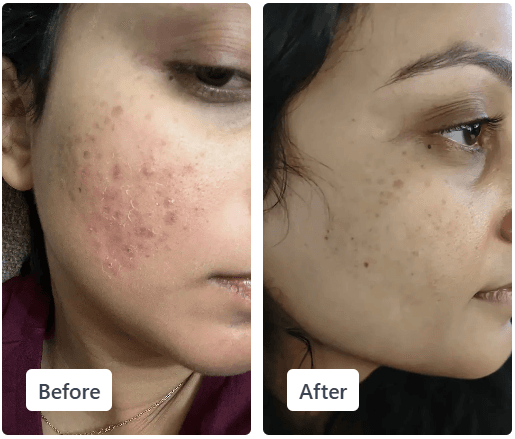
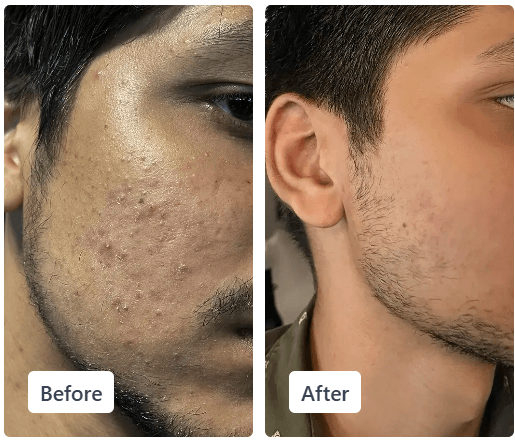
See real results, then start your own
Take the free Clear Ritual Skin Test and get a personalized routine built for your skin's unique patterns.
Why Are Males More Prone to Back Acne?
Males are more prone to back acne because higher androgen (male hormone) activity increases sebum (oil) production, and some people are naturally more sensitive to these hormonal changes.
Several physical and lifestyle factors can further increase the risk of back acne, including:
Higher Sebum Production
Androgens stimulate the sebaceous glands, especially on the back and shoulders.
Larger Sebaceous Glands and Thicker Body Hair
These can increase oil production and make hair follicles more prone to blockage.
Friction From Clothing or Sports Gear
Tight clothing, backpacks, and gym equipment can irritate the skin and trap sweat.
Post-Workout Habits
Sweat and oil left on the skin after exercise can clog pores if not washed off promptly.
Back Hair Grooming
Shaving or waxing may irritate hair follicles, leading to folliculitis or ingrown hairs that resemble acne.
What Causes Back Acne in Males?
Several internal and external factors can contribute to back acne in males, including hormonal changes, sweat and friction (acne mechanica), lifestyle habits, and genetics.
These common causes and contributing factors are explained below.
Do Hormonal Changes Cause Back Acne in Males?
Yes. Androgens, which are male hormones such as testosterone and dihydrotestosterone (DHT), help regulate male growth and development.
They also stimulate the sebaceous (oil) glands, increasing oil production. Excess oil can clog pores, allowing Cutibacterium acnes (C. acnes) bacteria to multiply and trigger inflammation.
Hormonal back acne may be triggered or worsened by:
- Puberty: Rising androgen levels increase sebum production and trigger breakouts.
- Testosterone therapy: Higher androgen levels may increase oil production and worsen acne.
- Stress: Increased cortisol can stimulate oil production and worsen inflammation.
- Certain medications: Anabolic steroids and corticosteroids can trigger or worsen back acne.
Can Sweat and Friction Trigger Back Acne?
Yes. Sweat and friction can trigger or worsen back acne, especially when they occur together. This type of breakout is known as acne mechanica.
Sweat alone does not cause acne, but when it mixes with excess oil and dead skin cells, it can clog hair follicles.
Friction from backpack straps, tight clothing, sports gear, or gym equipment further irritates the skin and worsens inflammation.
To help prevent back acne:
- Shower soon after sweating.
- Change out of damp workout clothes.
- Use a body wash containing salicylic acid or benzoyl peroxide to help keep pores clear.
Can Lifestyle Habits Be a Reason for Back Acne in Males?
Yes. Lifestyle habits can contribute to back acne in males by increasing sweat, friction, and pore blockage.
Common contributing habits include:
- Wearing tight clothing or sports gear that triggers acne mechanica.
- Delaying a shower after exercise, allowing sweat and oil to build up.
- Using pore-clogging hair products that may cause acne cosmetica.
- Consuming whey protein, anabolic steroids, or high-glycaemic foods, which may worsen breakouts in some people.
Can Genetics Increase the Risk of Back Acne?
Yes. Genetics can increase the risk of back acne by affecting how your skin produces oil, responds to hormones, and develops inflammation.
A family history of acne also increases the likelihood of persistent or severe breakouts.
Genetics may influence back acne by:
- Increasing sebum (oil) production, making pores more prone to clogging.
- Increasing sensitivity to hormones, particularly androgens, which stimulate the sebaceous glands.
- Affecting the inflammatory response, which can make breakouts more severe or persistent.
Current research suggests that genetics account for up to 80% of a person's susceptibility to acne, although no single "acne gene" has been identified.
See real results, then start your own
Take the free Clear Ritual Skin Test and get a personalized routine built for your skin's unique patterns.
What Are the Best Treatments for Back Acne in Men?
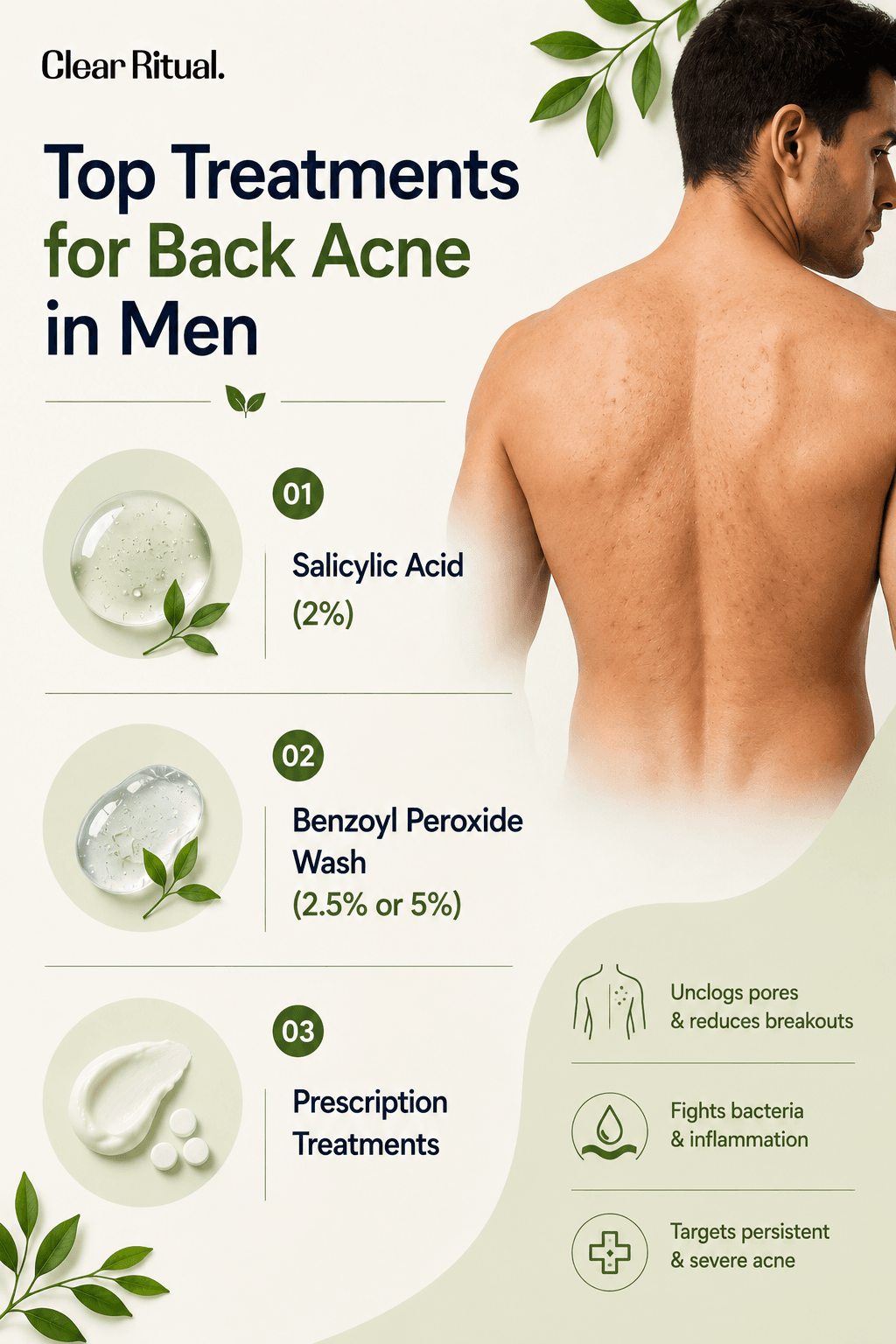
The best treatments for back acne in men combine evidence-based skincare with healthy daily habits.
The following treatment solutions are commonly recommended by dermatologists:
Salicylic Acid (2%)
A beta-hydroxy acid (BHA) that unclogs pores by removing excess oil and dead skin cells.
Benzoyl Peroxide Wash (2.5% or 5%)
Reduces C. acnes bacteria and helps prevent new breakouts. Leave it on for 2 to 5 minutes before rinsing.
Prescription Treatments
Topical retinoids, oral antibiotics, or isotretinoin may be recommended for persistent or severe acne.
Avoid harsh scrubs for back acne, as they can irritate the skin.
Keeping your back clean after exercise or heavy sweating can help remove excess oil and sweat that may contribute to breakouts. Wear breathable clothing to minimise heat and friction.
When Does Back Acne Require Medical Attention?
See a dermatologist if your back acne is painful, severe, leaves scars, or does not improve after 6 to 8 weeks of consistent over-the-counter treatment.
You should also seek medical advice if you have:
- Painful cysts or nodules.
- Signs of infection, such as pus, increasing swelling, warmth, or fever.
- Persistent scarring or dark marks after breakouts.
- Sudden, severe breakouts, especially after starting anabolic steroids or testosterone therapy.
Early treatment can help prevent permanent scarring caused by bacne.
Depending on the severity of your acne, a dermatologist may recommend prescription treatments such as topical retinoids, oral antibiotics, or isotretinoin.
How Clear Ritual Supports Personalized Skincare Decisions
Clear Ritual understands that back acne in males is more than a surface issue. It is shaped by genetics, skin renewal cycles, environmental factors, and the products you use.
Because back acne forms when hormones, sweat, friction, lifestyle habits, and individual skin sensitivity combine to clog hair follicles, generic solutions rarely bring lasting improvement. Clear Ritual combines traditional wisdom and modern science to address the underlying causes of back acne.
The Clear Ritual Skin Test analyses your skin's unique patterns and daily influences to help identify the best routine for supporting healthy skin and reducing back acne recurrence.
See real results, then start your own
Take the free Clear Ritual Skin Test and get a personalized routine built for your skin's unique patterns.
Conclusion
Back acne in males develops from a combination of hormonal activity, excess sebum, sweat, friction, lifestyle habits, and genetics that clog hair follicles and trigger inflammation. Understanding these triggers, from androgen driven oil production to acne mechanica caused by clothing and sports gear, can help guide more effective prevention and treatment. Consistent skincare habits, such as showering after sweating and using salicylic acid or benzoyl peroxide, can reduce breakouts, while persistent or severe cases may require dermatologist care to prevent scarring.
References
- Schweiger Dermatology Group, Back Acne Basics
- Hims, Testosterone and Acne
- American Academy of Dermatology, Acne and Workouts
- Medical News Today, Does Sweat Cause Acne?
- PubMed Central, Genetics of Acne
- Front Line Genomics, GWAS Identifies New Acne Risk Genes
- PubMed, Acne Genetics Study
- Journal of the American Academy of Dermatology, Truncal Acne
Frequently Asked Questions
What hormone causes back acne in men?
Testosterone and other androgens are the primary hormones responsible for acne on the back in men. They increase sebum (oil) production, which can clog hair follicles when combined with dead skin cells and *C. acnes* bacteria, leading to back acne.
Can sweating cause back acne?
Yes, sweating can worsen back acne. When sweat mixes with sebum (oil), dead skin cells, and bacteria, it can clog hair follicles and trigger breakouts, especially under tight clothing or sports gear.
Can a hormonal imbalance cause back pimples?
Yes, a hormonal imbalance can cause back pimples. Changes in androgen hormones, such as testosterone, increase sebum (oil) production, making pores more likely to clog. However, sweat, friction, and certain hair products can also contribute to breakouts.
What hormone imbalance causes male acne?
Male acne is most commonly linked to an imbalance or increased sensitivity to androgen hormones, especially testosterone and dihydrotestosterone (DHT).
What foods trigger hormonal acne?
Foods with a high glycaemic index, dairy products, and whey protein may trigger hormonal acne in some people. These foods can increase insulin and IGF-1 (Insulin-like Growth Factor-1), which stimulate sebum (oil) production and may worsen acne.
How to Get Rid of Back Acne in Males?
Back acne in males can often be managed by:
- Showering after sweating.
- Using a benzoyl peroxide (2.5% or 5%) body wash.
- Applying a salicylic acid body spray or lotion.
- Following consistent skincare and healthy daily habits.
These steps can help reduce breakouts over time.
Editorial Standards
Clear Ritual has Strict sourcing guidelines to ensure our content is accurate and current. We rely on peer-reviewed studies, academic research institutions, and medical associations. We strive to use primary sources and refrain from using tertiary references. See a mistake? Learn More about our Editorial Standards.