Why Am I Suddenly Getting Pimples on My Face?
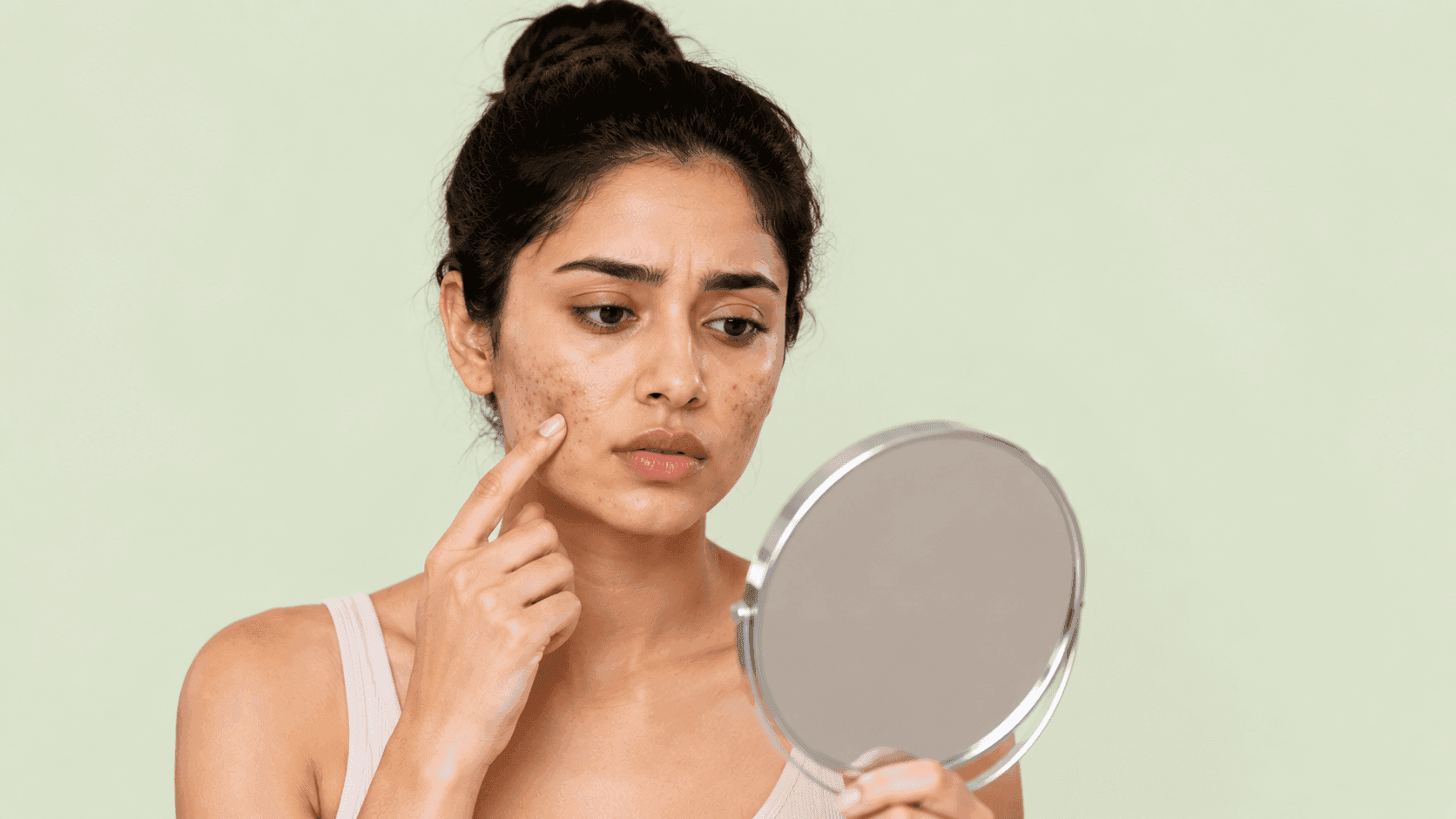
Sudden pimples on your face often develop due to internal changes or external irritants. Understanding these causes is the first step to choosing the right treatment and preventing future breakouts.
- Hormonal shifts
- Stress
- Pore-clogging cosmetics
- Dietary triggers
- Certain medications
- Poor skincare habits
- Touching your face
- Sweat and friction
- Environmental pollution
- Underlying medical conditions
What Is a Pimple?
A pimple is a small spot that becomes red and swollen when a skin pore gets blocked by natural oils and dead skin cells. This blockage gives bacteria a chance to multiply, which makes the area irritated and sometimes leads to pus.
Pimples are one of the most common signs of acne. They can appear on your face, back, chest, or anywhere your skin produces oil.
A pimple is a single spot on your skin, while a breakout means several pimples appear at once in the same area.
See real results, then start your own
Take the free Clear Ritual Skin Test and get a personalized routine built for your skin's unique patterns.
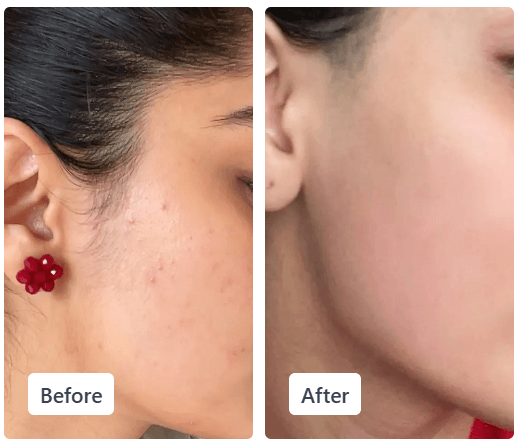
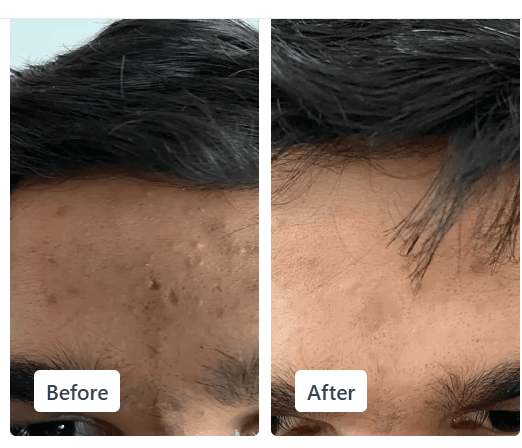
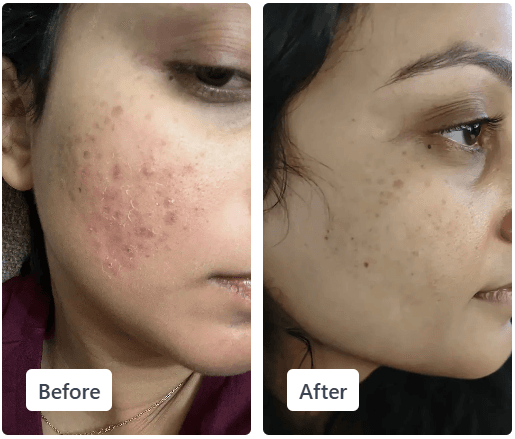
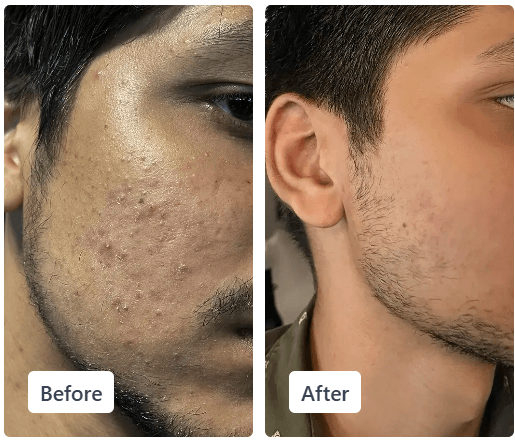
10 Common Reasons You're Suddenly Getting Pimples on Your Face
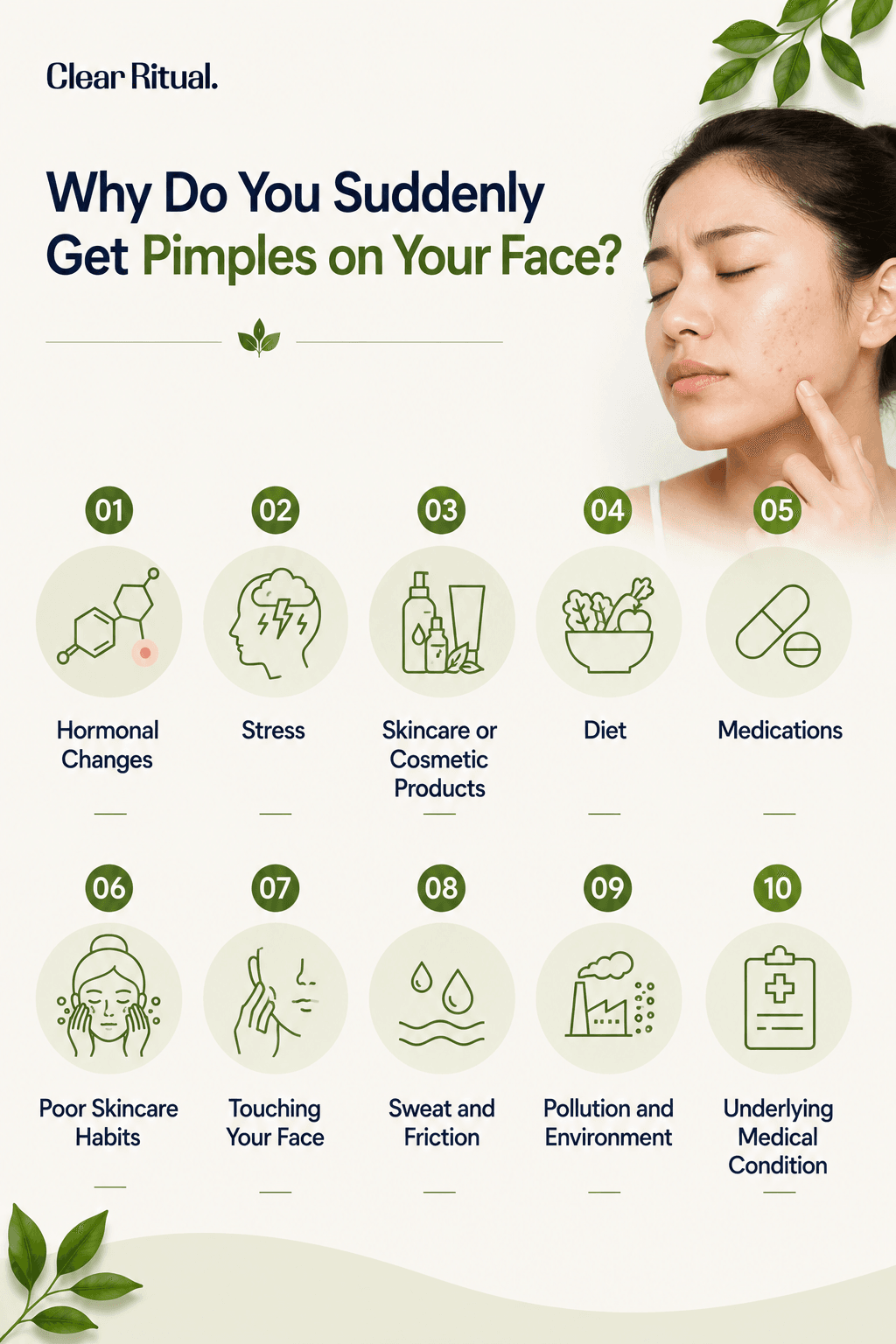
The most common reasons for sudden pimples include hormonal changes, stress, skincare products, diet, medications, poor skincare habits, touching your face, sweat and friction, environmental factors, and certain medical conditions.
1. Can Hormonal Changes Cause Pimples on Your Face?
Yes, hormonal changes can cause pimples. When hormone levels fluctuate, especially androgens like testosterone, your skin produces more sebum, which can clog pores and lead to breakouts.
Hormonal breakouts often occur during the following hormonal changes and life stages:
- During puberty, when androgen levels rise.
- Before your period, as hormone levels shift.
- During pregnancy or menopause, due to major hormonal changes.
- If you have polycystic ovary syndrome (PCOS), it can cause persistent breakouts.
- In men, during puberty, testosterone therapy, or while taking certain medications.
- During periods of high stress, cortisol and other stress hormones may increase oil production.
2. Can Stress Cause Pimples on Your Face?
Yes, stress can trigger or worsen pimples. Although it does not directly cause acne, it increases cortisol and other stress hormones that raise oil production and inflammation.
Stress can worsen breakouts by:
- Increasing oil production.
- Clogging pores.
- Delaying the healing of inflamed pimples.
3. Are Skincare or Cosmetic Products Causing Pimples on Your Face?
Yes, skincare and cosmetic products can cause pimples, a condition known as acne cosmetica.
Breakouts can occur when products:
- Clog your pores.
- Weaken your skin barrier.
- Leave behind makeup residue.
- Introduce bacteria through unclean makeup brushes and sponges.
4. Is Your Diet Causing Pimples?
While diet alone does not directly cause pimples, certain foods may make breakouts more likely by influencing hormone levels, oil production, and inflammation.
These may include:
- High-glycaemic foods.
- Dairy products, especially skim milk.
- Whey protein supplements.
5. Can Certain Medications Cause Pimples?
Yes, some medications can cause pimples, known as drug-induced acne. These spots often appear suddenly as small, similar-looking red bumps on the face, chest, or back.
Medicines that may trigger or worsen acne include:
- Corticosteroids.
- Lithium.
- Anti-seizure drugs.
- Some immunosuppressants.
- High doses of vitamins B6 and B12.
- Androgen-containing hormonal therapies.
If your pimples started soon after you began a new medication, speak to your doctor or dermatologist before stopping it.
6. Could Poor Skincare Habits Be the Reason for Pimples on the Face?
Yes, poor skincare habits can be a major reason for pimples. Failing to cleanse your skin properly, using harsh products, or skipping moisturiser can all contribute to clogged pores and breakouts.
Over-cleansing strips natural oils, prompting your skin to produce more sebum, while not cleansing enough allows oil and dead skin cells to build up.
7. Can Touching Your Face Cause Pimples?
Yes, touching your face can trigger or worsen acne breakouts.
Frequent touching transfers oil, dirt, and microorganisms to your skin, which can irritate the follicles, worsen inflammation, and contribute to clogged pores.
8. Can Sweat and Friction Trigger Pimples?
Yes, sweat and friction can trigger pimples.
Sweat mixes with oil, dirt, and bacteria on your skin, blocking pores, while friction from clothing or accessories can push these impurities deeper, leading to breakouts.
9. Can Pollution and Environmental Factors Cause Pimples?
Yes, pollution and environmental factors can contribute to or worsen pimples.
Tiny pollutants, humidity, and sun exposure can clog your pores, increase oil production, and lead to inflamed skin.
10. Could an Underlying Medical Condition Cause Pimples?
Yes, an underlying medical condition can cause pimples by affecting hormone levels or other processes involved in acne.
Sudden, severe, or persistent breakouts in adults may indicate an underlying health condition. Some common conditions include:
- Polycystic ovary syndrome (PCOS).
- Endocrine disorders, such as Cushing syndrome or congenital adrenal hyperplasia (CAH).
- Thyroid disorders, including hypothyroidism and hyperthyroidism.
Note: The direct link between thyroid disorders and acne is less established than with other hormonal conditions such as PCOS, Cushing's syndrome, or CAH.
How Can You Stop Pimples from Appearing on Your Face?
If you want to prevent pimples from appearing on your face, following a consistent daily skincare routine and healthy lifestyle habits can help reduce future breakouts.
Helpful preventive measures include:
- Wash your face twice a day with a gentle, fragrance-free cleanser, especially after sweating.
- Use a non-comedogenic moisturiser to keep your skin hydrated without clogging pores.
- Choose oil-free, non-comedogenic makeup and always remove it before going to bed.
- Treat early breakouts with over-the-counter ingredients such as salicylic acid or benzoyl peroxide. Tea tree oil may also help some people.
- Avoid picking, squeezing, or frequently touching your face, as this can worsen inflammation and increase the risk of scarring.
- Clean your makeup brushes regularly and keep your hair away from your face to reduce oil and product build-up.
- Limit high-glycaemic foods, excessive dairy, and whey protein if you notice they trigger your breakouts.
- Manage stress, get enough sleep, and follow a balanced lifestyle to support overall skin health.
See real results, then start your own
Take the free Clear Ritual Skin Test and get a personalized routine built for your skin's unique patterns.
How Clear Ritual Supports Personalized Skincare Decisions
Pimples can be influenced by underlying factors, including hormones, lifestyle, and overall health. The Clear Ritual Skin Test helps identify potential acne triggers, supporting a more targeted and personalised approach to clearer skin.
Our philosophy at Clear Ritual is to support your skin both inside and out, blending modern science with Ayurvedic principles for true, holistic skin health.
See real results, then start your own
Take the free Clear Ritual Skin Test and get a personalized routine built for your skin's unique patterns.
Conclusion
Sudden pimples usually trace back to a mix of internal and external factors, including hormonal shifts, stress, pore-clogging products, diet, medications, poor skincare habits, touching your face, sweat and friction, pollution, and underlying medical conditions. Identifying which of these apply to you makes it easier to choose the right treatment and prevent future breakouts. A consistent, gentle skincare routine paired with healthy lifestyle habits can go a long way toward keeping your skin clear.
References
Frequently Asked Questions
What exactly is in a pimple?
Inside a pimple, you will usually find a mix of oil, dead skin cells, and bacteria that have built up in a blocked pore. Depending on the type, it might also have pus or even white blood cells, especially if the area is inflamed. The exact mix can vary based on the kind of breakout.
Should you pop a pimple?
No, you should not pop pimples. Squeezing or picking at a pimple can push bacteria and pus deeper into the skin, leading to more redness and swelling. It also increases the risk of infection and can leave behind permanent scars or dark marks.
What is the reason for pimples on the face?
Pimples develop when hair follicles become blocked with excess oil (sebum), dead skin cells, and bacteria. Common triggers include hormonal changes, stress, skincare products, diet, certain medications, and underlying medical conditions.
How will pimples go away?
Pimples usually heal as inflammation settles and the blocked pore gradually clears. You can help speed up healing and reduce the risk of scarring by using targeted skincare at home and avoiding habits like picking or over-cleansing.
What kills pimples quickly?
To get rid of a pimple fast, use an over-the-counter spot treatment with benzoyl peroxide to target bacteria or salicylic acid to unclog pores. For quick relief from swelling and redness, try icing the area for 10 minutes or using a hydrocolloid patch overnight to absorb excess fluid.
Can ice remove pimples?
Ice will not permanently remove or cure pimples, but it works well as a quick fix to reduce swelling, redness, and discomfort. The cold helps shrink blood vessels and calm inflammation, making breakouts much less noticeable for a while.
Editorial Standards
Clear Ritual has Strict sourcing guidelines to ensure our content is accurate and current. We rely on peer-reviewed studies, academic research institutions, and medical associations. We strive to use primary sources and refrain from using tertiary references. See a mistake? Learn More about our Editorial Standards.