Homemade Scrubs for Blackheads & Whiteheads: Safe Recipes
Quick Answer
Mix fine brown sugar with raw or manuka honey, or combine ground oatmeal with plain yoghurt to make a gentle homemade scrub for blackheads and whiteheads. Apply the scrub to clean, damp skin using light circular motions for 30 to 60 seconds, then rinse with lukewarm water. Avoid homemade scrubs if you have active or cystic acne, rosacea, eczema, or a damaged skin barrier, as they can worsen irritation.
- Brown sugar and honey, or oatmeal and yoghurt, are gentler alternatives to coarse scrubs.
- Use light circular motions for 30 to 60 seconds, no more than once or twice a week.
- Skip scrubs entirely if your skin is inflamed, sensitive, or has a compromised barrier.
What Is the Difference Between a Blackhead and a Whitehead?
Blackheads and whiteheads are both non-inflammatory forms of acne, known as comedones, caused by a buildup of excess oil and dead skin cells inside the hair follicle.
The key difference lies in whether the clogged pore remains open or closed:
- Whitehead (closed comedone): The pore stays closed, trapping oil and dead skin cells beneath the surface, so the bump remains white or flesh-coloured.
- Blackhead (open comedone): The pore remains open, exposing the trapped material to air. Oxidation causes it to darken, much like a cut apple turns brown when exposed to oxygen.
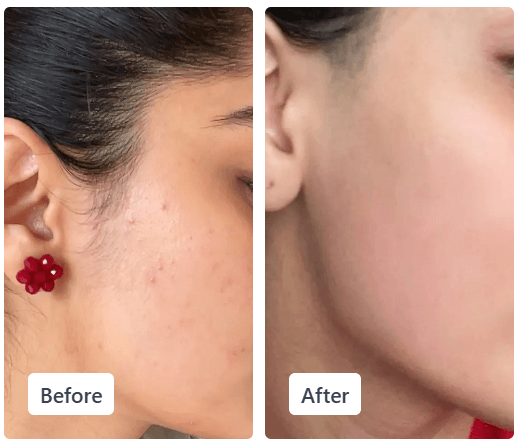
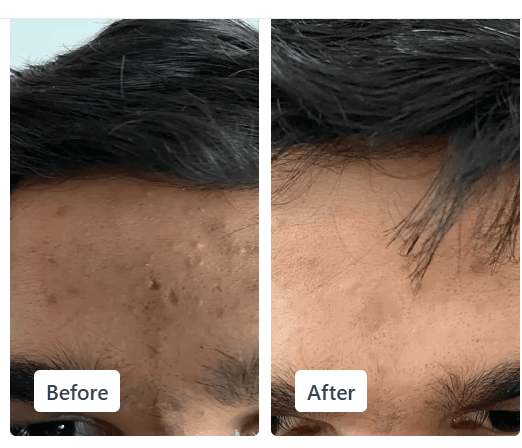
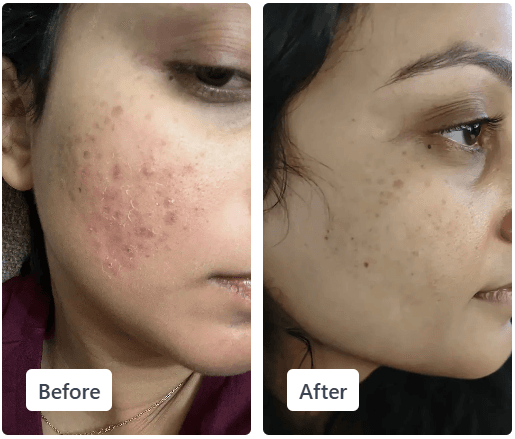
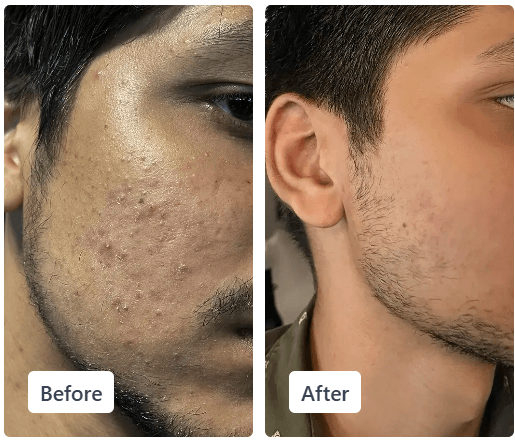
See real results, then start your own
Take the free Clear Ritual Skin Test and get a personalized routine built for your skin's unique patterns.
How Do the Ingredients in Homemade Scrubs Help Remove Blackheads and Whiteheads?
Each ingredient has a different role in exfoliating dead skin cells, absorbing excess oil, or soothing the skin.
Their potential benefits include:
Brown Sugar
Gently exfoliates dead skin cells with its small, rounded granules, reducing the risk of micro-tears.
Raw or Manuka Honey
Hydrates the skin and may help soothe acne-prone skin due to its natural antibacterial and anti-inflammatory properties.
Oatmeal
Absorbs excess oil while helping calm irritation and reduce redness.
Yoghurt
Contains natural lactic acid, which provides gentle chemical exfoliation to help remove dead skin cells.
Which Natural Ingredients Can Gently Remove Blackheads and Whiteheads?
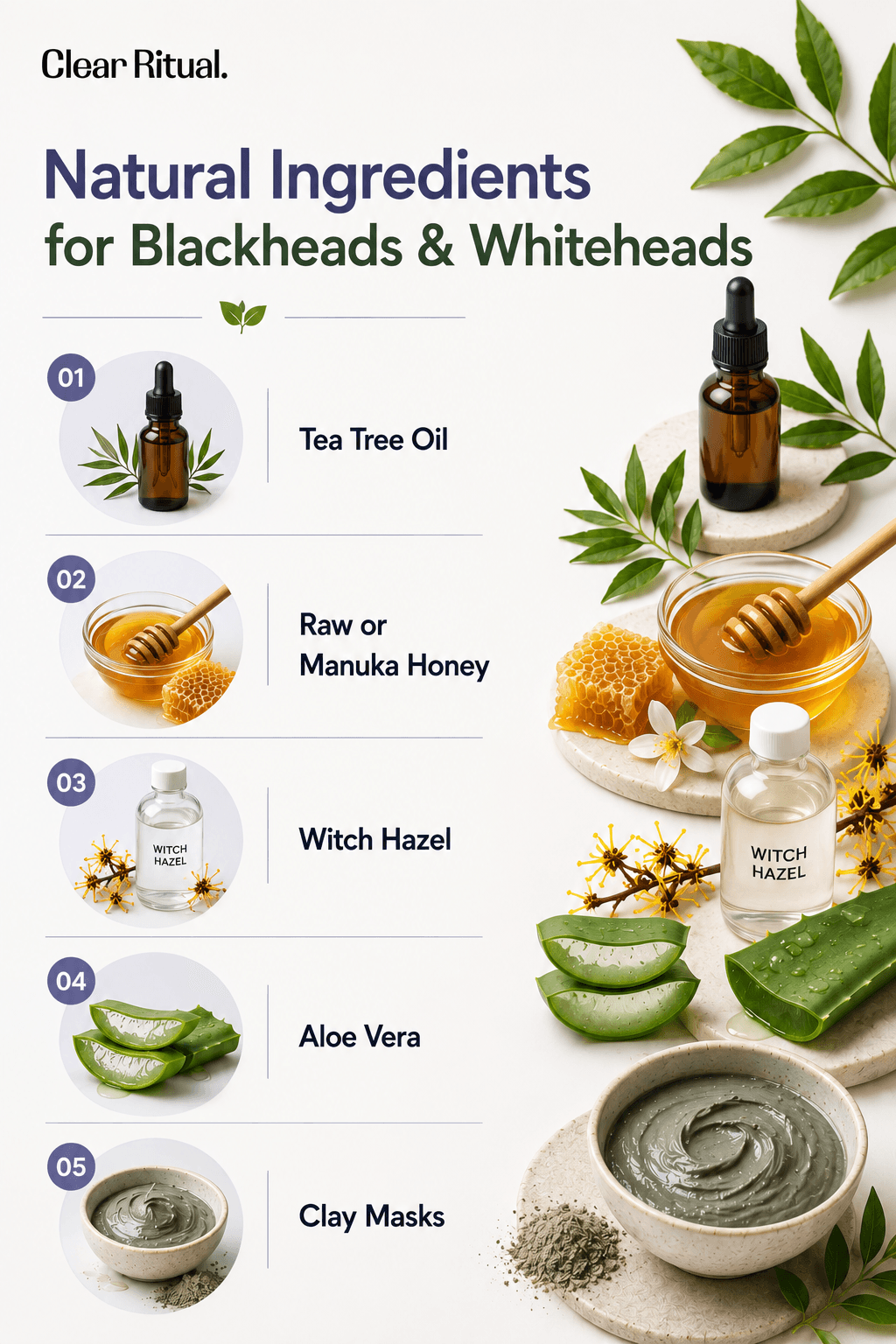
Some natural ingredients may help manage blackheads and whiteheads by reducing excess oil, soothing inflammation, or gently exfoliating the skin.
Common natural ingredients and their potential benefits include:
Tea Tree Oil
A natural antimicrobial that may help reduce acne-causing bacteria. Always dilute 1 to 2 drops with a carrier oil, such as jojoba oil, before applying it to the skin.
Raw or Manuka Honey
Helps hydrate the skin and may soothe inflammation due to its natural antibacterial properties.
Witch Hazel
A gentle astringent that helps remove excess oil and reduce inflammation.
Aloe Vera
Helps soothe irritated skin and may support the healing of acne-prone skin.
Clay Masks
Natural clays such as bentonite or kaolin absorb excess oil and help remove impurities from the skin.
See real results, then start your own
Take the free Clear Ritual Skin Test and get a personalized routine built for your skin's unique patterns.
What's the Best Homemade Scrub for Blackheads and Whiteheads?
A gentle homemade scrub made with brown sugar and raw or manuka honey, or ground oatmeal and plain yoghurt, may help remove surface dead skin cells.
However, it should be used with care to avoid skin irritation.
To use it safely:
- Mix brown sugar with raw or manuka honey, or ground oatmeal with plain yoghurt.
- Apply it to clean, damp skin using light circular motions for 30 to 60 seconds.
- Rinse with lukewarm water and pat your skin dry.
- Exfoliate no more than once or twice a week.
- Patch-test the scrub on a small area of skin before applying it to your face.
- Avoid using homemade scrubs if you have active acne, rosacea, eczema, or a damaged skin barrier.
Steps to Make a Homemade Scrub for Blackheads and Whiteheads
If you choose to use a homemade scrub, follow these steps to minimise irritation and protect your skin barrier.
1. Prepare Your Ingredients
Choose a gentle exfoliator, such as brown sugar, and a soothing binder, such as raw or manuka honey, yoghurt, or a non-comedogenic oil.
This helps keep the scrub gentle and less irritating.
2. Cleanse Your Face
Wash your face with a mild, non-comedogenic cleanser to remove dirt, oil, and makeup before exfoliating.
3. Soften the Skin (Optional)
Place a warm towel over your face for 3 to 5 minutes to help soften oil and dead skin cells.
Skip this step if you have rosacea, active acne, or eczema.
4. Mix the Scrub
Combine the ingredients in a clean bowl until they form a smooth, even paste.
5. Apply Gently
Massage the scrub onto damp skin using light, circular motions for 30 to 60 seconds.
Avoid vigorous scrubbing to help protect your skin barrier.
6. Rinse and Moisturise
Rinse with lukewarm water, pat your skin dry, and apply a lightweight, non-comedogenic moisturiser to restore hydration.
Precautions When Using a Homemade Scrub for Blackheads and Whiteheads
If you choose to use a homemade scrub, be as gentle as possible. Scrubbing too hard or using harsh ingredients can damage your skin barrier, cause irritation, and worsen acne.
Follow these precautions:
- Limit exfoliation to once or twice a week.
- Patch-test new ingredients before applying them to your face.
- Stop using the scrub if you notice redness, burning, or increased breakouts.
- Avoid scrubbing active or inflamed acne.
- Do not use coarse or sharp ingredients on facial skin.
While some gentle homemade scrubs may help remove surface dead skin cells, dermatologists generally recommend evidence-based chemical exfoliants, such as salicylic acid, for managing blackheads and whiteheads because they are more effective and less likely to irritate the skin.
When to Avoid a Homemade Scrub for Blackheads and Whiteheads
Avoid homemade scrubs for blackheads and whiteheads if you have:
- Active or cystic acne.
- Rosacea.
- Sensitive skin.
- A damaged skin barrier.
- Eczema.
- Very dry skin.
DIY scrubs made with coarse ingredients, such as salt or coffee grounds, can be too abrasive for facial skin and may damage the skin barrier, increasing irritation and inflammation.
How Clear Ritual Supports Personalized Skincare Decisions
Clear Ritual understands that blackheads and whiteheads are more than a surface issue. They are shaped by genetics, skin renewal cycles, environmental factors, and the products you use.
Because blackheads and whiteheads form when excess oil and dead skin cells build up inside the hair follicle, generic solutions rarely bring lasting improvement. Clear Ritual combines traditional wisdom and modern science to address the underlying causes of blackheads and whiteheads, with guidance from experienced skin advisors and products formulated to work effectively alongside one another.
The Clear Ritual Skin Test analyses your skin's unique patterns and daily influences to help identify the best routine for supporting healthy skin and reducing blackheads and whiteheads recurrence.
See real results, then start your own
Take the free Clear Ritual Skin Test and get a personalized routine built for your skin's unique patterns.
Conclusion
Gentle homemade scrubs, such as brown sugar with honey or oatmeal with yoghurt, may help remove surface dead skin cells and temporarily improve the appearance of blackheads and whiteheads. They should be used no more than once or twice a week, applied with light pressure, and avoided entirely on active acne, rosacea, eczema, or a damaged skin barrier. Because these scrubs only address surface buildup and not the underlying causes of clogged pores, dermatologists often recommend evidence-based chemical exfoliants alongside a personalised skincare routine for longer-lasting results.
References
Frequently Asked Questions
What Ingredients Are Safe for a Homemade Scrub for Blackheads and Whiteheads?
Safer options include:
- Brown sugar for gentle exfoliation.
- Finely ground oatmeal to soothe sensitive skin.
- Honey for antibacterial and moisturising benefits.
- Colloidal oatmeal.
- Yoghurt for mild chemical exfoliation.
How Do You Make a Homemade Blackhead Exfoliator?
You can make a homemade blackhead exfoliator using simple, skin-friendly ingredients tailored to your skin type:
- Mix 1 tablespoon of granulated sugar with 1 tablespoon of raw honey for a gentle exfoliator.
- For sensitive skin, mix brown sugar and honey to create a milder scrub.
- For extra hydration, blend oatmeal with yoghurt to absorb excess oil and moisturise the skin.
How Do You Make a Homemade Scrub for Blackheads and Whiteheads?
You can make a gentle, skin-clearing mask at home with these simple recipes:
- Mix 1 egg white with 1 tablespoon of honey. Apply it, layer it with tissue, allow it to dry, and then rinse.
- Blend 2 tablespoons of gram flour, 1 tablespoon of yoghurt, and a pinch of turmeric. Apply the mixture and rinse it off after use.
How Can You Remove Whiteheads and Blackheads Naturally at Home?
You can use a DIY green tea and raw honey mask to help soothe the skin and gently remove surface impurities. Homemade scrubs should only be used on skin without active, inflamed pimples to help prevent clogged pores, not to treat existing breakouts. Diluted tea tree oil may be used as a spot treatment for mild blemishes if tolerated.
Are Homemade Scrubs for Blackheads and Whiteheads Safe for All Skin Types?
No, homemade scrubs are not safe for all skin types. Physical DIY exfoliants can cause micro-tears, irritation, and damage to the skin barrier, especially if they contain harsh ingredients.
Can a Homemade Scrub Help Remove Whiteheads?
A homemade scrub can help loosen dead skin cells and clear surface oil, which may temporarily reduce the appearance of whiteheads. However, it may not remove deeper clogged pores or address the underlying causes of whiteheads.
Editorial Standards
Clear Ritual has Strict sourcing guidelines to ensure our content is accurate and current. We rely on peer-reviewed studies, academic research institutions, and medical associations. We strive to use primary sources and refrain from using tertiary references. See a mistake? Learn More about our Editorial Standards.