Allantoin
Score: 0
Allantoin is a gentle, skin-soothing compound widely used in both traditional remedies and modern dermatology. Known for its ability to calm irritation, promote healing, and leave skin soft and supple, it bridges the wisdom of natural extracts with evidence-based skincare science.
1. Cultural Origin & Traditional Use
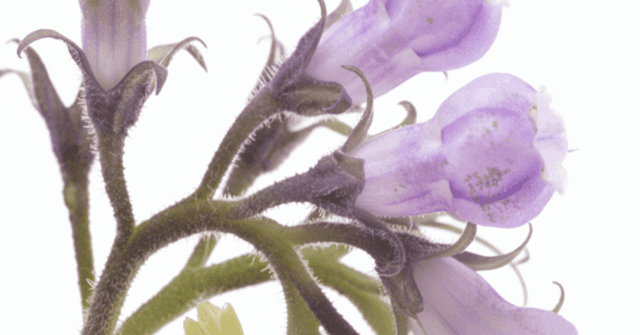
Traditionally sourced from plants like comfrey (Symphytum officinale), Allantoin has a long history in herbal medicine. In European folk practices, comfrey poultices were applied to wounds and inflamed skin due to their healing properties. While not a classical Ayurvedic herb, its soothing nature aligns with Ayurvedic principles of balancing aggravated Pitta dosha, which governs inflammation and sensitivity.
2. Active Compounds & Key Properties
Allantoin is a naturally occurring diureide of glyoxylic acid. It exhibits:
-
Keratolytic action: helps shed dead skin cells gently.
-
Humectant effect: increases water content in the extracellular matrix, enhancing skin softness.
-
Anti-irritant properties: reduces redness and sensitivity.
These biochemical actions explain why it’s a staple in calming formulations for sensitive and stressed skin.
3. Ayurvedic Role in Skin Health
Although not described in Ayurvedic classics, Allantoin’s plant origins and soothing qualities resonate with Ayurvedic approaches to skin care. Its cooling, moistening action is supportive for conditions related to excess Pitta (inflammation, redness) and Vata (dryness, roughness). Ayurveda often connects skin irritation to digestive imbalance; Allantoin’s wound-healing and nourishing properties symbolically align with the idea of restoring balance and resilience in tissues (dhatus).
4. Modern Science Perspective
Clinical studies confirm Allantoin’s efficacy in:
-
Accelerating wound healing by stimulating cell proliferation.
-
Acting as an anti-inflammatory to calm irritated skin.
-
Improving skin barrier function through hydration and protection against external stressors.
Research highlights its safety profile, with FDA recognition as a skin protectant ingredient in over-the-counter formulations.
5. Skin Types & Concerns
Allantoin is non-comedogenic (score: 0) and suitable for nearly all skin types, including:
-
Sensitive & irritated skin – reduces redness and burning sensations.
-
Dry & rough skin – softens and smooths.
-
Breakouts-prone skin – calms inflammation without clogging pores.
-
Aging skin – supports barrier repair and hydration.
It works best in healing and preventive care routines, especially for compromised or reactive skin.
6. Where It’s Found
Allantoin occurs naturally in plants such as comfrey, chamomile, and sugar beet, though most cosmetic formulations use a safe, lab-synthesized form for purity and consistency. It is a key soothing component found in many Clear Ritual formulations designed for sensitive skin recovery and hydration.