Amla
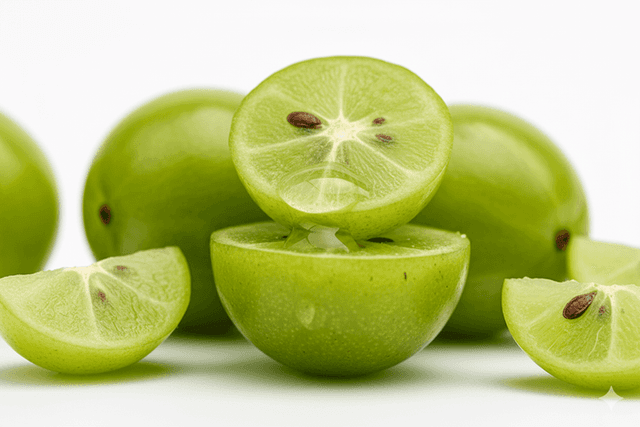
Part Used:Fruit
From:India
Amla, also known as Indian Gooseberry, has been treasured in Ayurveda for centuries as a rejuvenating fruit for both inner health and glowing skin. Its richness in Vitamin C and antioxidants makes it one of the most powerful natural allies for radiant, youthful, and resilient skin.
1. Cultural Origin & Traditional Use
- Ayurvedic background: In Ayurveda, Amla (Sanskrit: Amalaki) is considered a Rasayana (rejuvenator) and balances Pitta and Vata doshas. It is closely linked with detoxification and blood purification, both vital for healthy skin.
- Traditional applications: Amla has been used in herbal oils, face masks, and oral formulations to clear impurities, improve complexion, and promote healing of skin issues like pigmentation.
2. Active Compounds & Key Properties
- Vitamin C (ascorbic acid): Boosts collagen synthesis, reducing fine lines and improving elasticity.
- Polyphenols & flavonoids: Protect against oxidative stress and environmental skin damage.
- Minerals (iron, calcium): Support healthy blood circulation and overall skin nourishment.
3. Ayurvedic Role in Skin Health
- Balances Pitta: Cooling effect helps reduce inflammation and redness.
- Stabilizes Vata: Restores hydration and prevents dryness.
- Rakta shodhana (blood purification): Reduces toxin buildup, helping maintain clear, glowing skin.
- Gut-skin connection: Improves digestion and liver detox pathways, indirectly supporting skin clarity.
4. Modern Science Perspective
Scientific studies highlight Amla’s strong antioxidant and anti-inflammatory properties:
- Reduces oxidative stress → helps prevent premature aging and dullness.
- Enhances wound healing and scar reduction through improved collagen synthesis.
- Supports skin barrier repair, improving hydration and resilience against UV and pollution damage.
5. Skin Types & Concerns
- Best suited for: Aging, sensitive, and dull skin.
- Benefits:
- Helps clear breakouts and pigmentation marks
- Prevents premature aging and sagging
- Brightens dull complexion and evens skin tone
Works best as a preventive and healing agent, especially for stressed or environmentally exposed skin.
6. Where It’s Found
- Natural sourcing: Primarily grown in India; the fruit is dried or juiced for medicinal and skincare uses.
- Usage forms: Face oils, herbal masks, serums, and oral supplements.
- In Clear Ritual: Amla may be integrated into formulations designed to support purification and enhance natural radiance.
Discover More Ingredients
24+
Months of Development.
4
Advisory Boards Conducted.
5+
Dermatologist Advisors.