How to Treat Hormonal Acne: A Complete Step-by-Step Guide
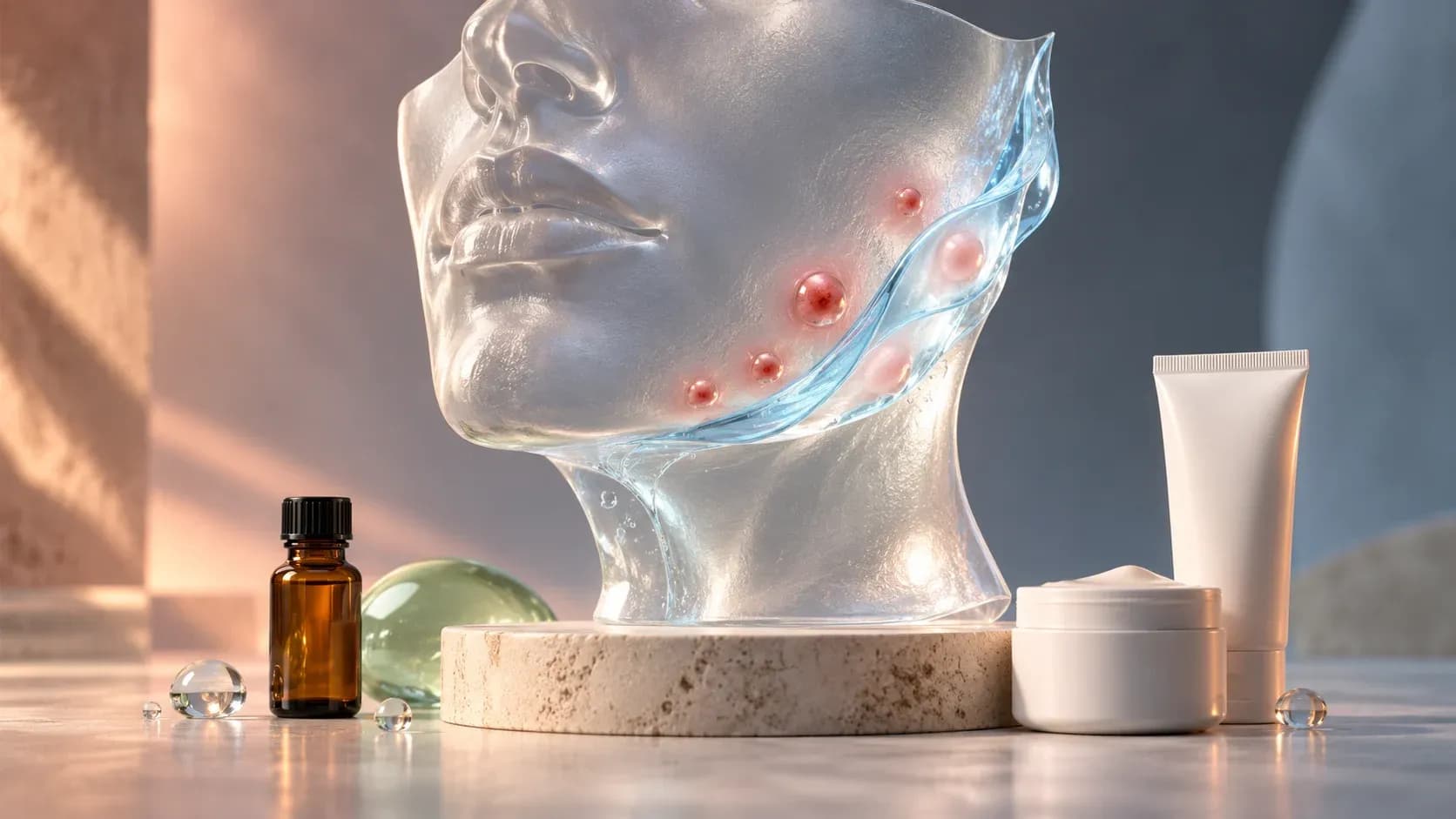
Hormonal acne develops when fluctuating hormone levels: primarily androgens like testosterone: increase sebum production, clog pores, and trigger inflammation. Treating hormonal acne requires addressing both the skin surface and the underlying hormonal imbalance through a combination of topical ingredients, lifestyle changes, and, in some cases, medical therapy. Most people see measurable improvement within 8–12 weeks of consistent treatment.
What Is Hormonal Acne? Definition, Causes, and Root Triggers
Hormonal acne is a form of acne directly linked to hormone fluctuations rather than external factors like dirt or poor hygiene. It is one of the most common skin conditions affecting adults, with studies estimating that up to 50% of women aged 20–29 and 25% of women aged 40–49 experience it.
What Is the Root Cause of Hormonal Acne?
The root cause of hormonal acne is an excess of androgens: hormones such as testosterone and DHT (dihydrotestosterone): that stimulate the sebaceous glands to produce more oil than the skin can clear. This excess sebum mixes with dead skin cells, clogs hair follicles, and creates an environment where Cutibacterium acnes bacteria proliferate rapidly, causing inflammation and breakouts.
Key triggers include:
- Menstrual cycle fluctuations (estrogen drops before menstruation)
- Polycystic ovary syndrome (PCOS), which affects 6–12% of reproductive-age women
- Elevated cortisol from chronic stress, which stimulates androgen production
- Puberty-related hormone surges in both males and females
- Pregnancy, postpartum hormone shifts, and perimenopause
- Stopping or starting hormonal contraceptives
What Are the First Signs of Hormonal Acne?
The earliest signs of hormonal acne include deep, tender bumps along the jawline, chin, and lower cheeks: areas densely populated with androgen-sensitive oil glands. Unlike surface blackheads, hormonal breakouts often form as cysts under the skin before any visible head appears. Cyclical timing: worsening in the week before menstruation: is a strong diagnostic indicator.
Hormonal Acne vs. Fungal Acne: Key Differences
| Feature | Hormonal Acne | Fungal Acne |
|---|---|---|
| Cause | Androgen-driven excess sebum | Malassezia yeast overgrowth |
| Location | Jawline, chin, lower face | Forehead, chest, back |
| Appearance | Deep cysts, nodules, papules | Uniform small pustules |
| Itch | Rarely itchy | Often itchy |
| Cycle link | Worsens pre-menstrually | No hormonal pattern |
| Treatment | Anti-androgens, retinoids, topicals | Antifungal agents |
Correctly identifying the type of acne is the first step before starting any treatment. Clear Ritual's advisory approach recommends a skin assessment before selecting a protocol.
How to Treat Hormonal Acne: The Complete Treatment Breakdown
Treating hormonal acne effectively requires a layered approach: topical treatments manage existing breakouts, systemic or lifestyle interventions address the hormonal root cause, and supportive habits prevent recurrence.
Step 1: Cleanse With a pH-Balanced, Non-Stripping Cleanser
Use a gentle, sulfate-free cleanser twice daily. Over-washing strips the skin's barrier, triggering a compensatory increase in sebum production: which worsens hormonal acne. Look for formulations containing salicylic acid (0.5–2%), which dissolves sebum inside pores without disrupting the skin barrier.
Step 2: Apply a Targeted Topical Treatment
Topical agents proven to reduce hormonal acne include:
- Retinoids (retinol, tretinoin): Regulate cell turnover, preventing pore-clogging dead skin buildup. Tretinoin at 0.025–0.1% concentration is clinically the most effective topical retinoid.
- Niacinamide (4–5%): May help support the skin barrier, manage excess oil and calm visible redness.
- Benzoyl peroxide (2.5–5%): Kills C. acnes bacteria directly; start at lower concentrations to minimise dryness.
- Azelaic acid (15–20%): Reduces pigmentation from post-acne marks and has mild anti-inflammatory properties.
- Clascoterone (1%): A topical anti-androgen cream: the first of its kind approved by the US FDA: that blocks androgens directly at the skin receptor level.
Step 3: Moisturise With a Non-Comedogenic Formula
All hormonal acne treatments, particularly retinoids and benzoyl peroxide, increase skin dryness. A lightweight, oil-free moisturiser with ceramides or hyaluronic acid supports the skin barrier, improves treatment tolerance, and reduces irritation-driven inflammation.
Step 4: Apply Broad-Spectrum SPF 30+ Daily
Several hormonal acne treatments can make skin more sensitive to sunlight. Daily sunscreen can also help prevent post-inflammatory hyperpigmentation, or the flat dark marks left after a breakout, from becoming darker under UV exposure.
Step 5: Consider Systemic or Medical Treatment
For moderate-to-severe hormonal acne or cases unresponsive to topicals, a dermatologist may recommend:
- Oral contraceptives: Combination pills (estrogen + progestogen) lower androgen levels and are FDA-approved for acne treatment. Studies show a 30–60% reduction in lesion count over 3–6 months.
- Spironolactone (25–200 mg/day): An anti-androgen medication that blocks androgen receptors systemically. Clinically effective in 66–85% of female patients with hormonal acne.
- Isotretinoin: Reserved for severe, cystic, treatment-resistant cases. It reduces sebaceous gland size by up to 90% and produces long-term remission in approximately 85% of patients.
- Low-dose antibiotics: Short-term use of doxycycline or minocycline manages bacterial inflammation but does not address the hormonal root cause.
How to Treat Hormonal Acne Naturally at Home
Treating hormonal acne naturally at home is effective for mild-to-moderate cases and as a complement to medical treatment. Natural approaches work best when applied consistently over at least 8–12 weeks.
Diet and Nutritional Interventions
What foods trigger hormonal acne? Research identifies several dietary patterns that worsen hormonal breakouts:
- High-glycaemic foods (white bread, sugar, processed snacks): Spike insulin and insulin-like growth factor-1 (IGF-1), which stimulate androgen production and increase sebum output.
- Dairy products: Particularly skim milk, which contains IGF-1 precursors. A 2018 meta-analysis found a positive association between dairy intake and acne prevalence.
- Refined carbohydrates: Contribute to systemic inflammation, worsening inflammatory lesion counts.
Foods and drinks that may help clear hormonal acne:
- What to drink to clear hormonal acne: Spearmint tea consumed twice daily has been shown in two controlled trials to reduce free testosterone levels and improve acne severity scores over 30 days. Green tea (EGCG) also has mild anti-androgen properties.
- Omega-3 fatty acids (fatty fish, flaxseed, walnuts): Reduce inflammatory cytokines linked to acne severity.
- Zinc-rich foods (pumpkin seeds, legumes): Zinc at 30–40 mg/day has demonstrated efficacy comparable to low-dose antibiotics in reducing inflammatory acne lesions.
- Antioxidant-rich vegetables: Support skin repair and reduce oxidative stress.
Stress Reduction
Chronic stress elevates cortisol, which directly stimulates the adrenal glands to produce androgens. Incorporating 20–30 minutes of moderate-intensity exercise five days per week, alongside sleep hygiene practices targeting 7–9 hours of nightly sleep, can measurably reduce cortisol-driven hormonal flares.
Natural Topicals With Evidence
- Tea tree oil (5%): Comparable to 5% benzoyl peroxide in reducing lesion counts, with fewer side effects. Must be diluted before application.
- Aloe vera gel: Anti-inflammatory; can reduce redness and support barrier repair.
- Green tea extract: Topical application may reduce sebum production.
Common Mistakes to Avoid at Home
- Applying undiluted essential oils directly to skin (causes chemical burns)
- Over-exfoliating (disrupts barrier, increases irritation and sebum production)
- Skipping moisturiser to "dry out" acne (triggers rebound oil production)
- Popping or picking cysts (drives deeper inflammation and scarring)
- Changing products every 1–2 weeks before seeing results (requires 6–8 weeks minimum per product)
How to Treat Hormonal Cystic Acne: When Standard Approaches Are Not Enough
Hormonal cystic acne: characterised by deep, painful nodules and cysts larger than 5 mm: is the most severe form of hormonal acne and typically requires medical intervention beyond topical care alone.
Cystic lesions develop when a completely blocked follicle ruptures below the skin surface, triggering an intense immune response. This subcutaneous inflammation cannot be reached by surface-applied treatments alone.
Effective treatment options for hormonal cystic acne include:
- Intralesional corticosteroid injections: Administered by a dermatologist, these can resolve individual cysts within 24–48 hours by rapidly reducing inflammation.
- Spironolactone: Particularly effective for female patients with cystic breakouts concentrated on the jaw and chin.
- Isotretinoin (oral retinoid): The most definitive treatment for severe cystic acne; typical course duration is 4–6 months at doses of 0.5–1 mg/kg/day.
- Combination oral contraceptives: Reduce the hormonal stimulus driving cyst formation.
According to Clear Ritual's clinical advisory team, patients with hormonal cystic acne should seek a dermatology consultation within 4–6 weeks of onset to prevent permanent scarring, which becomes increasingly likely after repeated cyst cycles.
How to Treat Hormonal Acne in Men
Hormonal acne in men is driven by the same androgen mechanism as in women, but the hormonal context differs significantly. Men naturally have higher testosterone levels, making androgen-driven sebum production a baseline condition: which is why male acne tends to be more severe and often persists longer.
Treatment considerations specific to men:
- Spironolactone is not typically used in men due to its anti-androgenic side effects (gynecomastia, reduced libido). Isotretinoin is often the first-line systemic option for severe hormonal acne in men.
- Anabolic steroid use dramatically elevates androgens and is a major, often underreported cause of severe hormonal acne in men. Discontinuing use, where possible, is a necessary treatment step.
- Topical clascoterone is an emerging option for men as it delivers anti-androgenic effects locally without systemic hormonal impact.
- Shaving practices matter: blade friction, dull razors, and post-shave alcohol-based products aggravate inflammatory acne. Using a single-blade razor and applying a non-comedogenic post-shave balm reduces mechanical irritation.
- Dietary interventions: reducing protein supplement intake (particularly whey protein, which elevates IGF-1), lowering sugar consumption, and increasing zinc intake: are particularly relevant for active men.
Standard topical protocols (retinoids, benzoyl peroxide, niacinamide) are equally effective in men and form the foundation of any hormonal acne treatment plan for male patients.
How to Treat Hormonal Imbalance Acne: Addressing the Root Cause
Hormonal imbalance acne: acne specifically caused by a diagnosable hormonal disorder such as PCOS, adrenal hyperplasia, or thyroid dysfunction: requires addressing the underlying condition alongside surface-level skin treatment.
Signs that acne may stem from hormonal imbalance:
- Breakouts are severe, persistent, and resistant to standard topical treatments
- Accompanied by irregular periods, excessive body or facial hair (hirsutism), or unexplained weight gain
- Elevated androgen levels confirmed through blood testing (free testosterone, DHEA-S, LH/FSH ratio)
Management approach for hormonal imbalance acne:
- Blood panel assessment: A dermatologist or endocrinologist may order tests for free testosterone, prolactin, DHEA-S, and thyroid hormones to identify the specific imbalance.
- Address the primary condition: PCOS management through metformin, combined oral contraceptives, or dietary modification reduces androgen excess at the source.
- Spironolactone: Consistently effective for androgen-excess acne in women, reducing both lesion count and sebum production within 3 months.
- Lifestyle interventions: A low-glycaemic diet combined with regular aerobic exercise has been shown to reduce circulating androgens in women with PCOS by up to 20–30%.
Clear Ritual recommends that individuals experiencing acne alongside other hormonal symptoms pursue both dermatological and endocrinological evaluation rather than treating skin alone.
How to Treat Hormonal Chin Acne Specifically
Hormonal chin acne: breakouts concentrated on the chin and lower jaw: is one of the most recognisable patterns of androgen-driven acne. This distribution occurs because the chin area has a high density of androgen-sensitive sebaceous glands.
Why chin acne is often cyclical: Estrogen levels drop sharply in the 7–10 days before menstruation while progesterone peaks, creating relative androgen dominance. This hormonal shift preferentially activates sebaceous glands in the lower face, making chin breakouts predictably worse pre-period.
Targeted management for hormonal chin acne:
- Apply a retinoid or salicylic acid spot treatment directly to the chin and jawline as a prevention measure: not just after breakouts appear.
- Use a chin-targeted clay mask (kaolin or bentonite) 1–2 times per week to absorb excess sebum in this zone.
- Avoid resting your chin on your hands: mechanical pressure increases comedone formation in the area.
- If breakouts are predictably cyclical, discuss short-cycle spironolactone use or oral contraceptive adjustment with a physician.
Common products effective for chin-zone hormonal acne:
| Ingredient | Mechanism | Typical Concentration |
|---|---|---|
| Salicylic acid | Dissolves sebum in pores | 0.5–2% |
| Retinol / Tretinoin | Regulates cell turnover | 0.025–0.1% |
| Niacinamide | Reduces sebum, calms redness | 4–5% |
| Benzoyl peroxide | Kills C. acnes bacteria | 2.5–5% |
| Clascoterone | Blocks androgen at receptor | 1% |
Hormonal Acne Treatment Timeline: What to Expect Month by Month
Hormonal acne treatment requires consistent application over several months. Results vary depending on acne severity, treatment type, and individual hormone levels, but the following benchmarks apply to most patients.
| Timeframe | Typical Changes |
|---|---|
| Week 1–2 | Initial purging possible (temporary increase in breakouts from retinoids). No significant reduction yet. |
| Month 1 | Reduction in new lesion formation begins. Existing breakouts start to resolve. Skin barrier may feel drier. |
| Month 2–3 | 30–50% reduction in active lesion count typical with retinoid + niacinamide regimen. Spironolactone effects begin to stabilise. |
| Month 3–6 | 50–70% improvement in inflammatory lesions. Oral contraceptive effects fully expressed. Post-inflammatory hyperpigmentation begins fading. |
| Month 6–12 | Near-complete or complete clearance in most patients on systemic treatment. Maintenance regimen typically begins. |
How Long Does Hormonal Acne Last Without Treatment?
Without treatment, hormonal acne can persist for years or decades, particularly in women with underlying PCOS or persistent androgen excess. Cyclical breakouts tend to continue until the hormonal environment changes: through pregnancy, menopause, or medical intervention.
How Long Will Treatment Need to Continue?
Many topical routines require ongoing maintenance. Stopping a helpful active may allow clogged pores and breakouts to return, so discuss long-term use and frequency with a dermatologist.
When Should You See a Dermatologist?
- Breakouts are deep, painful, nodular or cystic
- Acne is leaving scars or persistent dark marks
- Over-the-counter care has not helped after consistent use
- Acne occurs with irregular periods, unwanted facial hair or unexplained weight changes
- You are pregnant, planning pregnancy or breastfeeding and need ingredient guidance
A dermatologist can confirm whether the pattern is hormonal acne, another type of acne or a condition such as folliculitis. Hormone testing is not necessary for everyone, but it may be considered when other symptoms suggest an underlying imbalance.
Clear Ritual’s Perspective on Treating Hormonal Acne
Hormonal acne often needs more than repeated product changes. Begin with a simple, consistent routine and assess whether the timing, location and severity of breakouts suggest a hormonal pattern.
Persistent or painful acne deserves professional attention. The right approach should manage active breakouts, minimise irritation and reduce the chance of future marks.
Understand Your Breakout Pattern
Take the Clear Ritual Skin Test to assess your skin type, breakout pattern and related concerns.
Take the Free Skin Test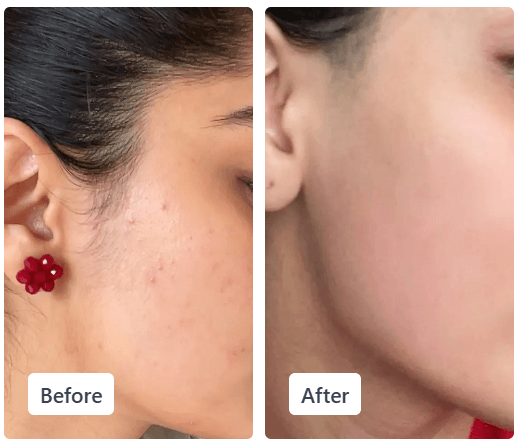
Frequently Asked Questions
1. What is the best way to treat hormonal acne?
Treatment depends on severity and individual triggers. A gentle routine, suitable topical ingredients and professional assessment for persistent acne are common parts of care.
2. How can you tell if acne is hormonal?
Clues include recurring breakouts around the chin and jawline, cyclical flares and acne that appears alongside other hormonal symptoms. Location alone cannot confirm the cause.
3. Can hormonal acne be treated naturally?
Balanced nutrition, sleep and stress management can support skin health, but natural remedies may not control moderate or severe hormonal acne on their own.
4. How long does hormonal acne treatment take?
Some topical options need 6 to 12 weeks before improvement becomes noticeable. Hormone-directed approaches may take several months, and results vary.
5. Can men develop hormonal acne?
Yes. Androgens can influence oil production and acne in men. Treatment is selected according to acne severity, medical history and individual needs.
6. Can sunscreen worsen hormonal acne?
A heavy or unsuitable formula may contribute to breakouts in some people, but sunscreen itself does not automatically cause acne. Choose a lightweight, non-comedogenic formula. Read more about sunscreen and pimples.
References
- American Academy of Dermatology. Acne treatment.
- American Academy of Dermatology. Updated guidelines for acne management.
- National Health Service. Acne treatment.
Disclaimer
This article is intended for general informational purposes and is not a substitute for personalised professional advice, diagnosis or care. Consult a qualified dermatologist for persistent, painful or recurring hormonal acne.
Editorial Standards
Clear Ritual has Strict sourcing guidelines to ensure our content is accurate and current. We rely on peer-reviewed studies, academic research institutions, and medical associations. We strive to use primary sources and refrain from using tertiary references. See a mistake? Learn More about our Editorial Standards.
Related Articles
Pimples After Waxing: Causes, Treatment, and Prevention
Published 12 October 2026

Aanya’s Blemish-Prone Skin Journey With Clear Ritual
Published 9 September 2026

Acne Around the Mouth: Causes, Triggers and Treatment Options
Published 16 July 2026
Acne During Menopause: Why Breakouts Start Later in Life
Published 16 July 2026