What Is Post-Inflammatory Hyperpigmentation?
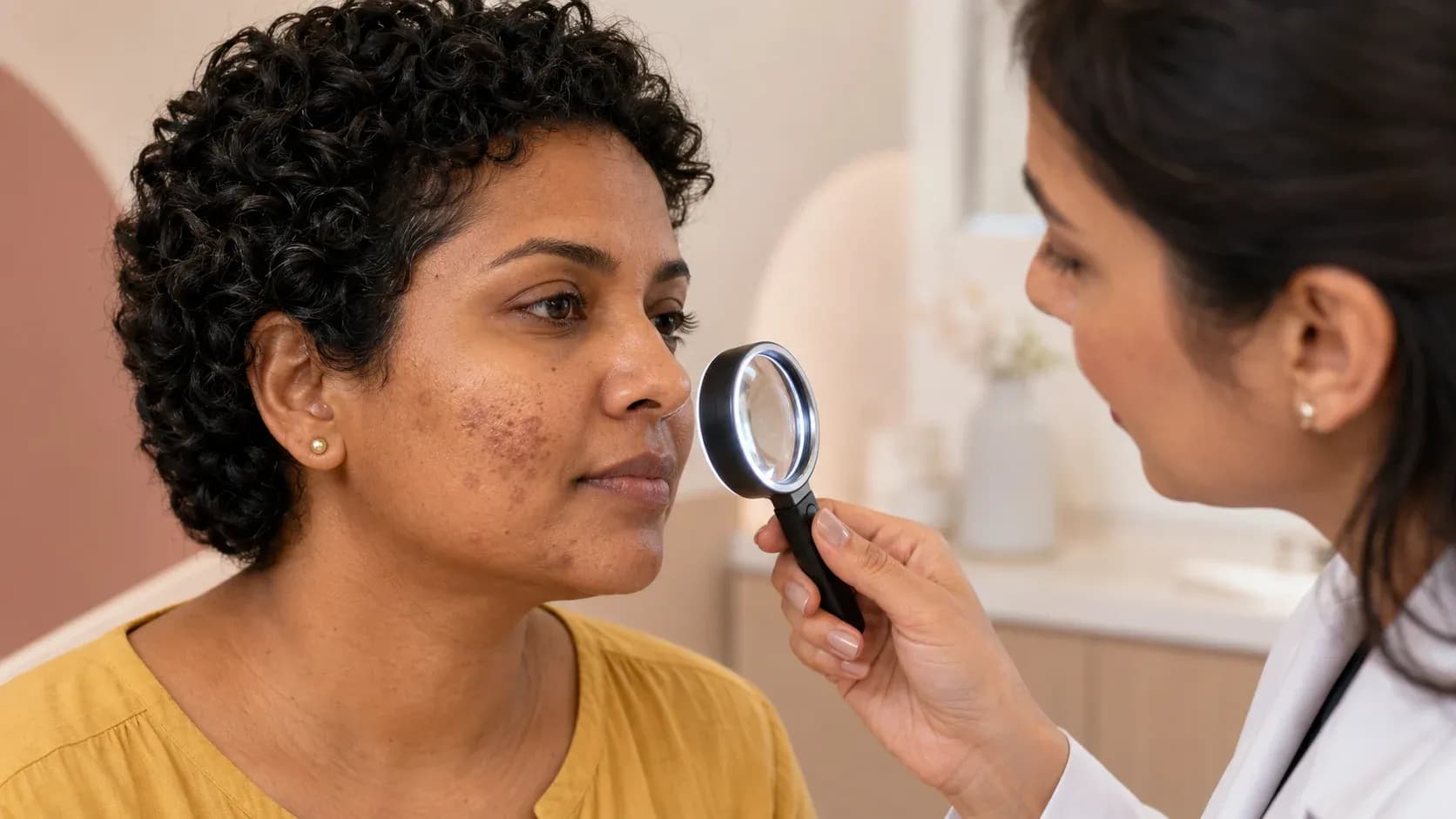
Post-inflammatory hyperpigmentation (PIH) is a type of skin discolouration that develops when inflammation or injury triggers the skin to produce excess melanin. It often appears as flat dark marks or patches after acne, eczema, irritation, burns, or other skin injuries have healed.
In simple terms, post-inflammatory hyperpigmentation meaning refers to the darker marks left behind after the original skin concern improves.
PIH is not usually a scar, although it can sometimes be mistaken for one, and the marks may gradually fade over time.
What Causes Post-Inflammatory Hyperpigmentation?
Post-inflammatory hyperpigmentation develops when inflammation or injury stimulates the skin to produce excess melanin during the healing process. The extra pigment can remain after the original skin concern has improved, leaving behind darker marks or patches.
Acne is a common trigger, but eczema, cuts, burns, skin irritation and some cosmetic procedures can also cause post-inflammatory hyperpigmentation.
PIH may be more noticeable and persistent in darker skin tones because the inflammatory response can trigger greater pigment production. The marks themselves are usually a result of the skin's healing response rather than ongoing inflammation.
Which Skin Concerns Can Trigger PIH?
Several skin concerns can trigger post-inflammatory hyperpigmentation by causing inflammation or injury to the skin. Common triggers include:
- Acne: Pimples and breakouts can leave dark marks after they heal.
- Eczema: Ongoing inflammation can cause areas of skin to become darker.
- Skin irritation: Harsh skincare products or allergic reactions can trigger inflammation and pigmentation.
- Injuries: Cuts, burns and other skin trauma may leave darker marks during healing.
- Skin procedures: Some cosmetic treatments can trigger PIH if they cause significant irritation or inflammation.
Post-inflammatory hyperpigmentation symptoms mainly include flat areas of darker skin that appear after the original inflammation has improved.
What Does Post-Inflammatory Hyperpigmentation Look Like?
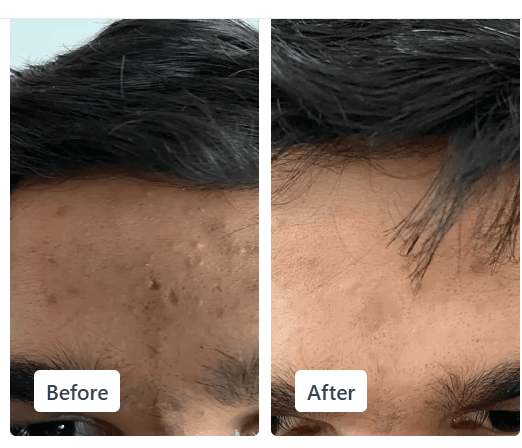
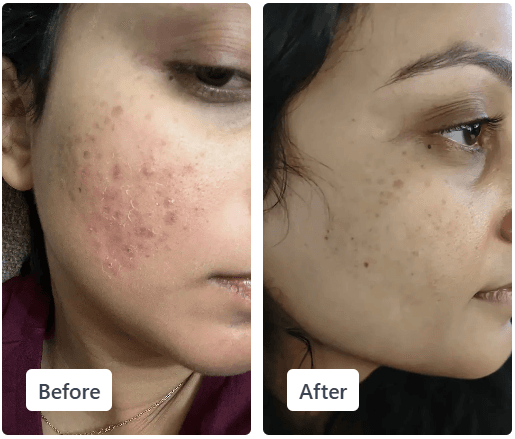
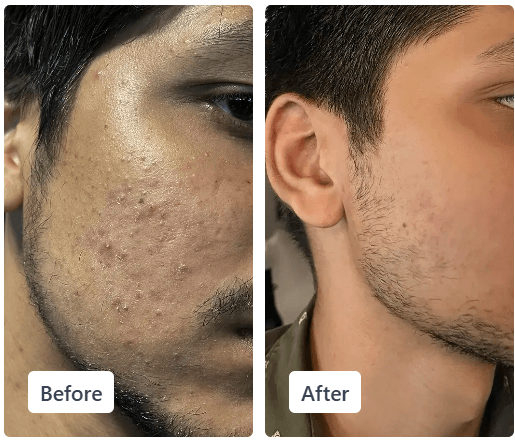
Post-inflammatory hyperpigmentation usually appears as flat areas of darker skin after the original inflammation or injury has healed. The marks may be brown, dark brown, black, or grey, depending on skin tone and the depth of the pigment.
Post-inflammatory hyperpigmentation symptoms can be more noticeable and longer-lasting in darker skin tones. Unlike active acne, PIH marks are usually flat and do not cause the swelling or inflammation of a new breakout. Understanding the difference between acne scars and post-inflammatory hyperpigmentation can help you identify whether a mark reflects pigment change or structural skin damage.
How Long Does Post-Inflammatory Hyperpigmentation Last?
Post-inflammatory hyperpigmentation can gradually fade, but how long PIH lasts varies from person to person. The timeline can depend on the depth of the pigmentation, skin tone, continued inflammation, and ongoing sun exposure.
Some marks may fade over several months, while deeper or more persistent pigmentation can take longer. There is no guaranteed instant cure, but appropriate treatment and consistent sun protection may help the marks fade over time.
How Can You Treat Post-Inflammatory Hyperpigmentation?
Post-inflammatory hyperpigmentation treatment focuses on reducing existing dark marks while preventing further skin inflammation.
Treating the underlying cause, such as acne or eczema, is important because ongoing inflammation can lead to new areas of pigmentation. Consistent sun protection can also help prevent existing marks from becoming darker. Learning more about hyperpigmentation can help clarify how PIH differs from other causes of uneven pigment.
Which Skincare Ingredients Can Help Treat PIH?
Certain skincare ingredients can help fade PIH by reducing excess pigmentation, supporting skin cell turnover, or calming inflammation. Common options include:
- Vitamin C: May help brighten uneven skin tone and reduce the appearance of dark marks.
- Niacinamide: May help reduce pigment transfer within the skin and support the skin barrier.
- Azelaic acid: May help improve pigmentation while also supporting acne-prone skin.
- Retinoids: Can increase skin cell turnover and gradually improve the appearance of pigmentation.
Can Professional Treatments Help?
Yes. Persistent post-inflammatory hyperpigmentation may benefit from dermatologist-directed treatments. Depending on the type and severity of pigmentation, options may include prescription treatments, chemical peels or carefully selected laser procedures.
These treatments should be chosen carefully, as aggressive treatment can sometimes cause further irritation and worsen pigmentation.
Can You Treat Post-Inflammatory Hyperpigmentation at Home?
Yes, post-inflammatory hyperpigmentation treatment at home can help marks gradually fade, particularly when you use gentle, evidence-based skincare and consistent sun protection.
The goal is to support the skin without causing further irritation, which can trigger additional pigmentation. To help reduce PIH at home:
- Use broad-spectrum sunscreen daily: Sun exposure can make existing marks darker and more persistent.
- Use suitable pigmentation ingredients: Options such as niacinamide, vitamin C or azelaic acid may help, depending on your skin.
- Treat the underlying concern: Managing acne or other inflammatory conditions can help prevent new marks.
- Avoid picking and harsh DIY remedies: Skin irritation can worsen pigmentation.
Improvement usually takes time and consistency rather than aggressive treatment.
How Can You Prevent New PIH Marks From Developing?
You can help prevent new PIH marks by reducing skin inflammation and protecting the skin from further irritation. A few consistent habits can make a difference:
- Treat inflammation early: Manage acne, eczema or other inflammatory skin concerns appropriately.
- Avoid picking or squeezing: Skin trauma can increase inflammation and leave darker marks.
- Protect your skin from the sun: Use broad-spectrum sunscreen regularly to prevent marks from becoming darker.
- Avoid unnecessary irritation: Harsh products and aggressive exfoliation can trigger further inflammation.
- Introduce active ingredients carefully: Using too many strong products at once may irritate the skin.
When Should You See a Dermatologist for PIH?
You should see a dermatologist if your dark marks persist, worsen, or if you are unsure whether they are actually caused by post-inflammatory hyperpigmentation.
Medical assessment is also important when pigmentation appears without a clear trigger or does not improve with appropriate skincare. A dermatologist can help identify the cause of the discolouration and recommend treatment suited to your skin and condition.
Clear Ritual’s Perspective on What Is Post-Inflammatory Hyperpigmentation
Post-inflammatory hyperpigmentation can develop after acne, irritation, or other forms of skin inflammation. Rather than adding multiple products, focus on reducing further irritation, managing the underlying skin concern, and protecting your skin from the sun.
At Clear Ritual, we believe understanding your skin concerns is the first step towards building an effective skincare routine. The Clear Ritual Skin Test can help you identify your skin type and concerns, making it easier to build a routine suited to your skin's needs.
Clear Ritual Skin Test
Understand Your Dark Marks
Take the free skin test to assess pigmentation, acne marks, sensitivity, barrier health, and other concerns, then get a routine suited to your skin.
Take the Free Skin Test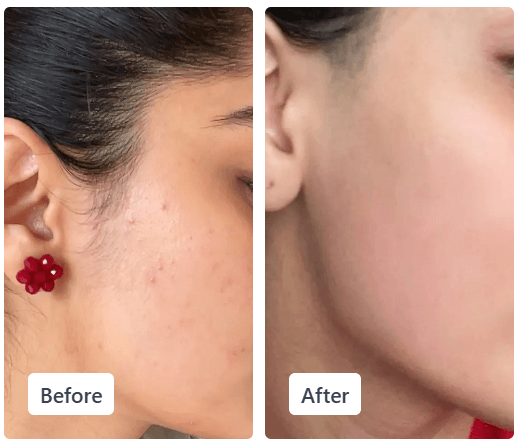
Frequently Asked Questions
1. What are the symptoms of post-inflammatory hyperpigmentation?
Post-inflammatory hyperpigmentation usually appears as flat dark marks or patches after acne, irritation, or another skin injury has healed. The colour may vary depending on skin tone and pigment depth.
2. How do you know if you have post-inflammatory hyperpigmentation?
PIH usually appears as flat dark marks after acne or another skin concern has healed. The marks may be brown, dark brown, black or grey.
3. What is the best treatment for post-inflammatory hyperpigmentation?
The best treatment depends on your skin and the cause of the marks. Sun protection, suitable skincare ingredients and dermatologist-guided treatments may help.
4. How long does post-inflammatory hyperpigmentation last?
PIH may fade gradually over several months, but deeper pigmentation can take longer. The timeline varies depending on skin tone, pigment depth, and continued inflammation.
5. Can you get rid of post-inflammatory hyperpigmentation completely?
Some PIH marks can fade significantly over time, but results vary. Treating the underlying inflammation and avoiding further irritation can help prevent new pigmentation.
References
- Mar K, Khalid B, Maazi M, et al. Treatment of Post-Inflammatory Hyperpigmentation in Skin of Colour: A Systematic Review. Journal of Cutaneous Medicine and Surgery. 2024;28(5):473–480.
- Davis EC, Callender VD. Postinflammatory Hyperpigmentation: A Review of the Epidemiology, Clinical Features, and Treatment Options in Skin of Color. Journal of Clinical and Aesthetic Dermatology. 2010;3(7):20–31.
- Mar K, Maazi M, Khalid B, et al. Prevention of Post-Inflammatory Hyperpigmentation in Skin of Colour: A Systematic Review. Australasian Journal of Dermatology. 2025;66(3):119–126.
Editorial Standards
Clear Ritual has Strict sourcing guidelines to ensure our content is accurate and current. We rely on peer-reviewed studies, academic research institutions, and medical associations. We strive to use primary sources and refrain from using tertiary references. See a mistake? Learn More about our Editorial Standards.