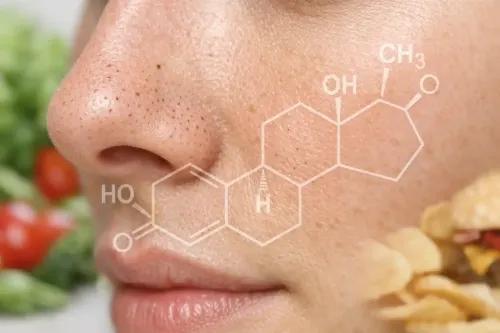
Why Does Hormonal Acne Appear on the Jawline? The Real Reason It Keeps Coming Back
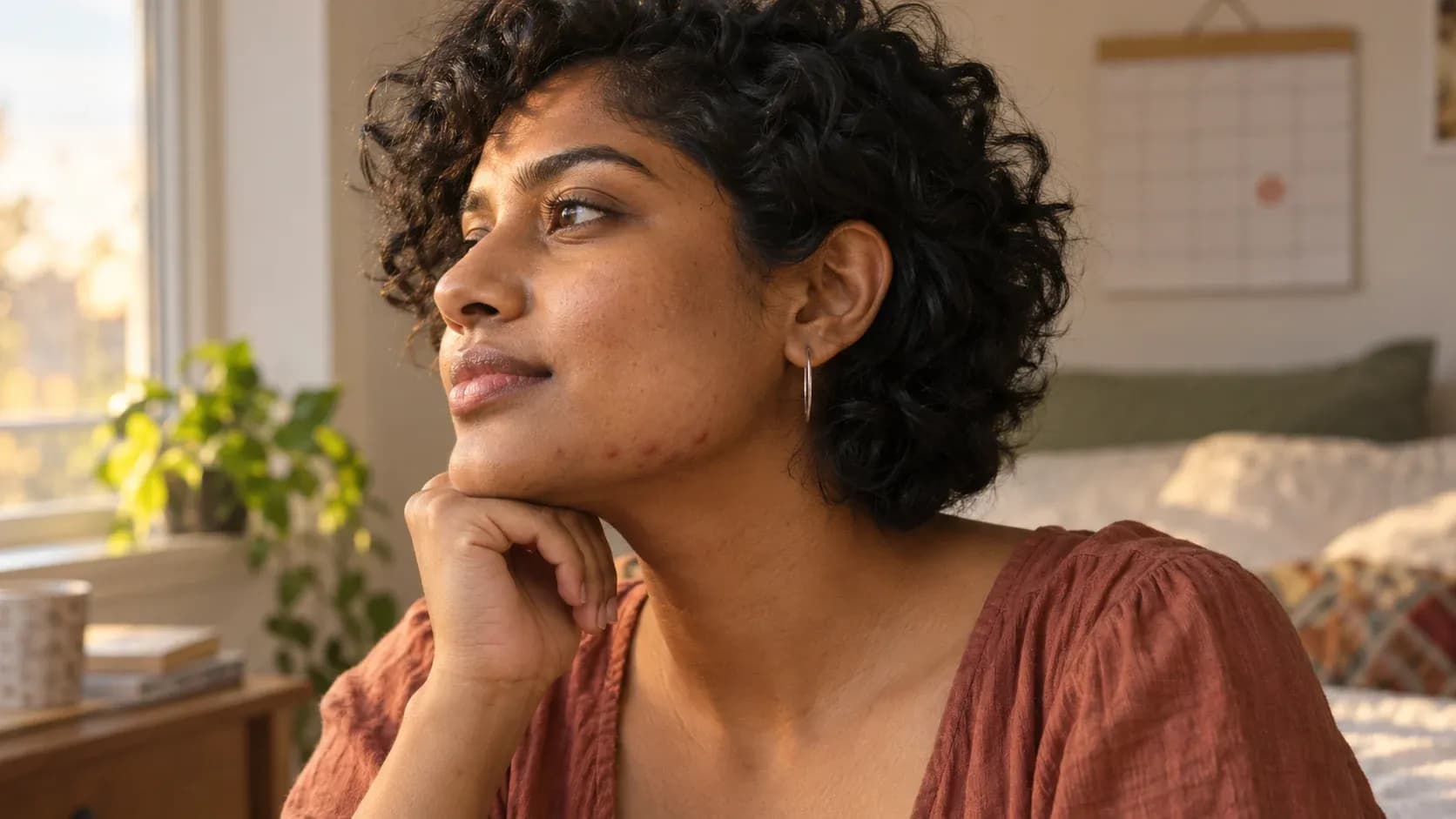
Hormonal acne on the jawline is not caused by dirty skin or the wrong cleanser, it starts inside your body, driven by androgen hormones that signal your skin to produce more oil than your pores can handle. The jawline and chin are specifically targeted because this area has a higher concentration of androgen receptors than your forehead or nose, making it far more reactive to hormonal shifts. If your breakouts cluster along the chin and jaw, recur monthly, and feel more painful than surface pimples, you are almost certainly dealing with a hormonal trigger, not a hygiene issue.
What Is Hormonal Acne on the Jawline?
Hormonal acne on the jawline is a type of adult acne triggered by androgen fluctuations, particularly testosterone and DHT, that overstimulate oil glands along the lower face, leading to deep, cystic breakouts that return cyclically.
Three facts that separate hormonal jawline acne from regular breakouts:
- It is cyclical. Breakouts reliably worsen before your period, during high-stress periods, or when your contraception changes.
- It sits deep. These are not surface blackheads, they are cystic nodules that form under the skin and can last 1 to 3 weeks.
- It does not respond to regular acne treatments. Benzoyl peroxide washes and pore strips address surface bacteria and oil, they cannot correct the internal hormonal signal driving the problem.
The key hormones involved in hormonal jawline acne include:
- Androgens, male hormones produced in all sexes that directly stimulate sebum production
- DHT (dihydrotestosterone), a more potent metabolite of testosterone, 3 to 10× stronger at the oil gland level
- Estrogen and progesterone imbalance, when these hormones drop, androgens become relatively dominant
- Insulin, elevated insulin indirectly drives androgen production through the ovaries and adrenal glands
According to Clear Ritual's dermatology team, these hormones stimulate excess sebum production by the skin's oil glands, clog pores, and cause the deep-seated inflammation characteristic of jawline cysts.
What Hormone Causes Jawline Acne? The Androgen-Sebum Mechanism Explained
The primary answer is androgens, specifically testosterone and its more potent metabolite, DHT (dihydrotestosterone). Both males and females produce androgens, and when androgen levels rise relative to estrogen, the skin's oil glands respond by producing more sebum. Here is how that process leads to a jawline breakout:
- Androgen levels rise. This happens before your period as estrogen and progesterone drop, during stress as cortisol stimulates androgen production, or due to conditions like PCOS that chronically elevate androgen output.
- Sebaceous glands along the jaw are activated. Because the lower face has a higher density of androgen receptors, oil production increases sharply in this zone, more so than on the forehead or cheeks.
- Excess sebum mixes with dead skin cells. This combination blocks the follicle opening, creating an anaerobic environment where Cutibacterium acnes bacteria multiply rapidly.
- Inflammation develops deep in the follicle. Because the blockage forms lower in the pore rather than at the surface, the resulting lesion is cystic, painful, swollen, and not easily extracted.
| Hormone | What It Does | Why It Matters for Jawline Acne |
|---|---|---|
| Testosterone | Stimulates oil gland activity | Rises pre-menstrually and with chronic stress |
| DHT (dihydrotestosterone) | 3 to 10× more potent than testosterone at oil glands | Directly shrinks follicle openings, worsening blockages |
| Cortisol | Indirectly raises androgen levels under stress | Explains why acne worsens during deadlines or emotional stress |
| Insulin | High insulin drives androgen production via the ovaries | Explains the dietary link, refined sugar and high-GI foods worsen hormonal acne |
| Estrogen | Opposes androgens; keeps oil production in check | When estrogen drops pre-period or post-pill, androgens become relatively dominant |
A 2016 review published in Dermato-Endocrinology confirmed that androgen sensitivity, not simply androgen levels, is the key driver of hormonal acne. This is why two people with identical hormone levels can have very different skin responses.
Citable one-liner: Jawline acne occurs because androgen receptors are more densely concentrated along the lower face, making this zone disproportionately sensitive to hormonal shifts.
Why Does Hormonal Acne Appear on the Jawline Specifically?
Hormonal acne is more likely to appear on the lower face because of the higher concentration of androgen receptors in that area. This makes the jawline and chin significantly more sensitive to hormonal fluctuations compared to the forehead, nose, or cheeks.
Clear Ritual's skin care specialists observe that hormonal jawline acne is most likely to flare when one or more of the following occurs:
- You are approaching your menstrual period, estrogen and progesterone fall, creating a window of androgen dominance.
- You are under significant stress, cortisol spikes indirectly elevate androgen activity.
- You are changing or stopping hormonal contraception, the hormonal balance shifts as your body adjusts.
- You have PCOS, polycystic ovary syndrome chronically elevates androgen levels, meaning the jawline is continuously overstimulated rather than only cyclically.
Because the trigger is internal rather than topical, no amount of cleansing or surface-level treatment can fully override the androgen signal the jawline skin is actively receiving. This is the core reason why hormonal jawline acne is so persistent.
How Is Hormonal Acne Different From Regular Acne?
Understanding the differences between hormonal acne and regular acne is essential for treating each condition effectively without worsening the other.
| Feature | Hormonal Acne | Regular Acne |
|---|---|---|
| Primary cause | Androgen fluctuations, menstruation, stress, PCOS | Excess surface oil, bacteria, clogged pores, environmental exposure |
| Location on face | Jawline, chin, and lower cheeks | Anywhere, forehead, nose, cheeks, T-zone |
| Lesion type | Deep, painful, cystic nodules | Blackheads, whiteheads, small surface pustules |
| Timing | Cyclical, worsens before period, during stress, or with hormonal changes | Can appear at any time without a clear pattern |
| Response to standard treatment | Poor, regular acne creams have limited effect | Generally responds well to cleansers and topical treatments |
| Treatment approach | Requires gentle care, targeted actives, lifestyle changes, and sometimes medical support | Treated with standard acne creams, exfoliants, and cleansers |
The key clinical distinction is that hormonal acne originates from an internal hormonal signal, while regular acne originates from surface-level pore congestion and bacterial activity. Treating hormonal acne with aggressive cleansing or harsh exfoliants will not correct the internal cause, and may damage the skin barrier, making breakouts worse.
Why Do Females Get Jawline Acne? The Full Hormonal Map
Jawline acne in females is almost always hormonal. Research suggests adult female acne, acne that appears or persists after age 25, accounts for the majority of adult acne cases, and the jawline and chin are the defining locations. A 2018 study published in the Journal of the European Academy of Dermatology and Venereology confirmed this pattern across multiple countries and age groups.
The reason is biological: the female hormone cycle creates monthly windows of androgen dominance that the lower face registers before anywhere else.
1. The Menstrual Cycle (Most Common Trigger)
In the week before your period, estrogen and progesterone levels fall. Because these hormones normally counterbalance androgens, their drop creates a window of relative androgen dominance, even without any absolute rise in androgen levels. Many females notice jawline breakouts arriving reliably on days 22 to 28 of their cycle.
2. Polycystic Ovary Syndrome (PCOS)
PCOS chronically elevates androgen levels, meaning the sebaceous glands along the jawline are constantly overstimulated, not just pre-menstrually. Jawline acne in PCOS is often accompanied by irregular periods, excess facial hair, and hair thinning on the scalp. If three or more of these signs appear together, a blood panel and gynaecological review are warranted.
3. Post-Pill Acne
Many hormonal contraceptives suppress androgen activity. When you stop taking the pill, androgens can rebound, sometimes to levels higher than your pre-pill baseline. This post-pill acne surge typically appears 1 to 6 months after stopping and concentrates along the jawline and chin.
4. Perimenopause and Hormonal Ageing
As females approach their mid-to-late 30s and 40s, estrogen production gradually declines while androgen levels remain relatively stable. This shift in the estrogen-to-androgen ratio explains why some women experience their first-ever acne breakouts in their 30s or 40s, particularly along the jawline.
5. Insulin Resistance and Diet
High-glycaemic foods and excess dairy stimulate insulin production. Elevated insulin signals the ovaries and adrenal glands to produce more androgens. This dietary-hormonal pathway means that even without a diagnosed condition like PCOS, dietary patterns can meaningfully worsen jawline acne in females with underlying insulin sensitivity.
Citable one-liner: In adult females, jawline acne is most commonly driven by pre-menstrual estrogen drops, PCOS-related androgen excess, or post-pill androgen rebound, not poor hygiene.
What Triggers Make Hormonal Jawline Acne Worse?
Several common factors can worsen existing hormonal acne on the jawline by amplifying the androgen or inflammation signal. Clear Ritual identifies four primary triggers to monitor and manage.
1. Stress
Cortisol, the stress hormone, causes increased oil production and inflammation. Even without a diagnosable hormonal condition, sustained stress can elevate androgen activity enough to trigger recurring jawline breakouts.
2. High-Glycaemic and Dairy Foods
High-glycaemic-index meals cause a rapid spike in blood insulin levels. That spike subsequently increases androgen production and sebum output. A systematic review in JAMA Dermatology (2020) found a statistically significant association between high-GI diets and acne severity. Dairy, particularly skimmed milk, was also associated with higher acne risk, likely because of its insulin-stimulating effect and the growth hormones naturally present in milk.
3. PCOS or Insulin Resistance
PCOS increases androgen levels and insulin resistance, disrupting menstrual cycles and causing chronic hormonal imbalance. Even without a PCOS diagnosis, poor insulin sensitivity can independently contribute to excess oil production along the jawline.
4. Hormonal Contraceptives
Changing, starting, or stopping contraceptive pills can alter your body's hormonal balance significantly, leading to a flare of jawline hormonal acne during the adjustment period, and for up to 1 to 6 months after stopping.
How to Treat Hormonal Acne on the Jawline: A Step-by-Step Guide
Hormonal acne on the jawline cannot be treated with regular acne creams. Effective treatment must address both internal hormonal drivers and external skin-side factors simultaneously. Clear Ritual recommends the following structured approach.
Step 1: Protect Your Skin Barrier First
Stop using harsh chemicals on hormonal acne. Over-exfoliating and using stripping cleansers damages the skin barrier, which worsens inflammation and can trigger more breakouts.
- Use a gentle, pH-balanced, fragrance-free cleanser
- Cleanse your face only twice daily, morning and evening
- Avoid harsh chemical exfoliants, alcohol-based toners, and physical scrubs during active breakouts
Step 2: Introduce the Right Active Skincare Ingredients
Add one active ingredient at a time to avoid irritation. Give each ingredient a minimum of four weeks before assessing its effect. Clear Ritual's skincare team recommends starting with niacinamide before introducing retinoids.
| Active Ingredient | Why It Works for Hormonal Jawline Acne |
|---|---|
| Retinoids | Normalise follicular keratinisation, the process by which dead skin cells clog the pore. Reduce oil production and unclog pores over time. Supported by multiple randomised controlled trials. |
| Niacinamide | Calms inflammation and helps regulate sebum production. Well tolerated as a first active for sensitive or reactive skin. |
| Azelaic Acid | Gentle on sensitive skin, reduces redness, limits acne-causing bacteria, and fades post-inflammatory marks without irritation. |
| Salicylic Acid | A BHA that works inside the pore to clear blockages and reduce new breakout formation. Best used in the cleansing or toning step. |
| Benzoyl Peroxide | Targets bacterial activity within the pore. Useful for inflammatory papules, though less effective as a standalone treatment for deeply cystic hormonal acne. |
Important: Do not apply multiple active ingredients simultaneously, especially in the early weeks. Combination irritation can paradoxically worsen hormonal acne by triggering more inflammation.
Step 3: Support Your Body from the Inside
Long-term management of hormonal jawline acne requires addressing internal triggers, not just the skin surface.
- Cut down on refined carbs and added sugars to reduce the insulin-androgen pathway
- Add protein and healthy fats to stabilise insulin levels throughout the day
- Reduce stress through regular sleep, physical movement, or adaptogenic support where appropriate
- Track your menstrual cycle alongside your breakouts, if they reliably cluster in the week before your period, you have confirmed a hormonal pattern worth discussing with a doctor
If you suspect PCOS or insulin resistance, speak with a medical professional for testing and a long-term management plan. Topical treatment alone will not be sufficient.
Step 4: Consider Medical Support When Needed
If three months of consistent topical treatment and lifestyle changes produce no meaningful improvement, prescription options may be appropriate:
- Spironolactone, an anti-androgen medication that blocks androgen receptors in the skin. A 2020 review in Clinical, Cosmetic and Investigational Dermatology found spironolactone achieved a 50% or greater reduction in acne in approximately 75% of female patients treated for 6 or more months, with the jawline and chin responding most strongly.
- Combined oral contraceptives, certain formulations with anti-androgenic progestins can reduce cyclical jawline breakouts by stabilising estrogen levels.
- Topical retinoids (prescription-strength), more potent than over-the-counter retinol formulations, with stronger clinical evidence for cystic and inflammatory acne.
What to Avoid When Dealing With Hormonal Jawline Acne
Knowing what to avoid is as important as knowing what to use. The following mistakes commonly worsen hormonal chin and jawline acne:
- Over-cleansing your face, washing more than twice daily strips the skin barrier and increases reactive oil production
- Using too many active ingredients at once, combination irritation causes inflammation that worsens hormonal breakouts
- Picking or squeezing cystic nodules, this extends the resolution timeline by weeks and significantly increases scarring risk
- Applying harsh chemical routines, alcohol-based products, strong physical scrubs, and high-concentration acids are not appropriate for deep, inflamed, hormonal cysts
- Expecting rapid results, hormonal acne requires months of consistent treatment, not days; stopping treatment early because of slow progress is one of the most common reasons for treatment failure
How Long Does Hormonal Jawline Acne Take to Clear? Realistic Timelines
Most people treating hormonal jawline acne for the first time expect results within two weeks, the same timeframe they associate with surface pimples. That expectation needs resetting. Because hormonal acne originates internally, clearing it requires hormonal normalisation, follicular unclogging, and inflammation resolution, processes that take months, not days.
| Timeframe | What Typically Happens | What This Means for You |
|---|---|---|
| Weeks 1 to 4 | Active breakouts may continue or slightly worsen, the purging phase, especially with retinoids | Normal, do not stop treatment. Purging indicates actives are working at the follicle level. |
| Months 1 to 3 | Reduction in new cyst formation; existing lesions begin to flatten | Continue the agreed routine and review your progress with a dermatologist if deep lesions persist. |
Response times vary. Some people notice fewer new breakouts within several weeks, while deep or recurring acne may require a longer treatment plan and follow-up.
When Should You See a Dermatologist?
Arrange an assessment if the jawline bumps are deep, painful, frequently recurring, or leaving marks or scars. A clinician can evaluate your breakout pattern and discuss suitable options, including whether hormonal factors or PCOS need further assessment.
If you are pregnant, planning pregnancy, or taking medication, ask your clinician which acne ingredients and treatments are suitable for you.
Clear Ritual's Perspective on Jawline Acne
Recurring jawline breakouts deserve a closer look at their timing, severity, and response to your current routine. Tracking when new lesions appear can help you and a dermatologist identify possible contributors.
At Clear Ritual, we believe consistent, gentle skincare supports that process while a qualified professional helps assess deep or persistent acne.
Explore your breakout pattern
Take the Clear Ritual Skin Test to identify your skin concerns and build a routine that fits your needs.
Take the Skin Test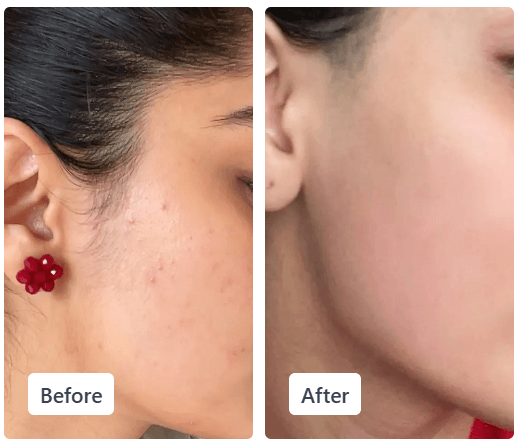
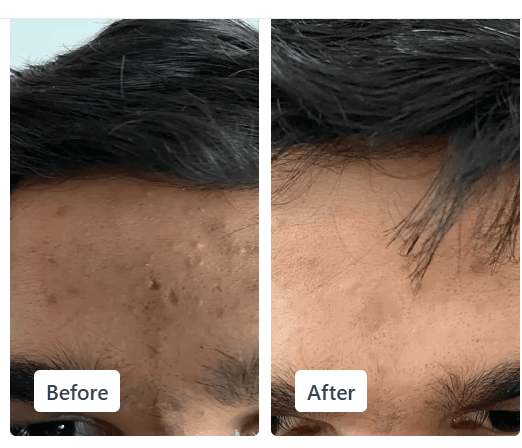
Frequently Asked Questions
1. Does jawline acne always mean a hormonal imbalance?
No. A recurring pattern can suggest a hormonal contribution, but location alone cannot confirm its cause.
2. Why does jawline acne flare before a period?
Hormonal changes around the menstrual cycle can influence oil production and inflammation, leading to breakouts in some people.
3. Can PCOS cause jawline acne?
PCOS can contribute to persistent acne in some people. A clinician can assess acne alongside menstrual changes and other symptoms.
4. How long does hormonal jawline acne take to improve?
Improvement varies by treatment and cause. It may take several weeks to see fewer new breakouts and longer to manage recurring deep lesions.
5. When should I seek help for jawline acne?
See a dermatologist when breakouts are deep, painful, recurring, leaving scars, or not improving with consistent care.
References
- American Academy of Dermatology: Hormonal therapy for stubborn acne.
- American Academy of Dermatology: Acne diagnosis and treatment.
Disclaimer
This article is for general information. A dermatologist can assess persistent or painful breakouts and recommend care suited to your circumstances.
Editorial Standards
Clear Ritual has Strict sourcing guidelines to ensure our content is accurate and current. We rely on peer-reviewed studies, academic research institutions, and medical associations. We strive to use primary sources and refrain from using tertiary references. See a mistake? Learn More about our Editorial Standards.