How Amla’s Vitamin C Powers Glowing, Even-Toned Skin
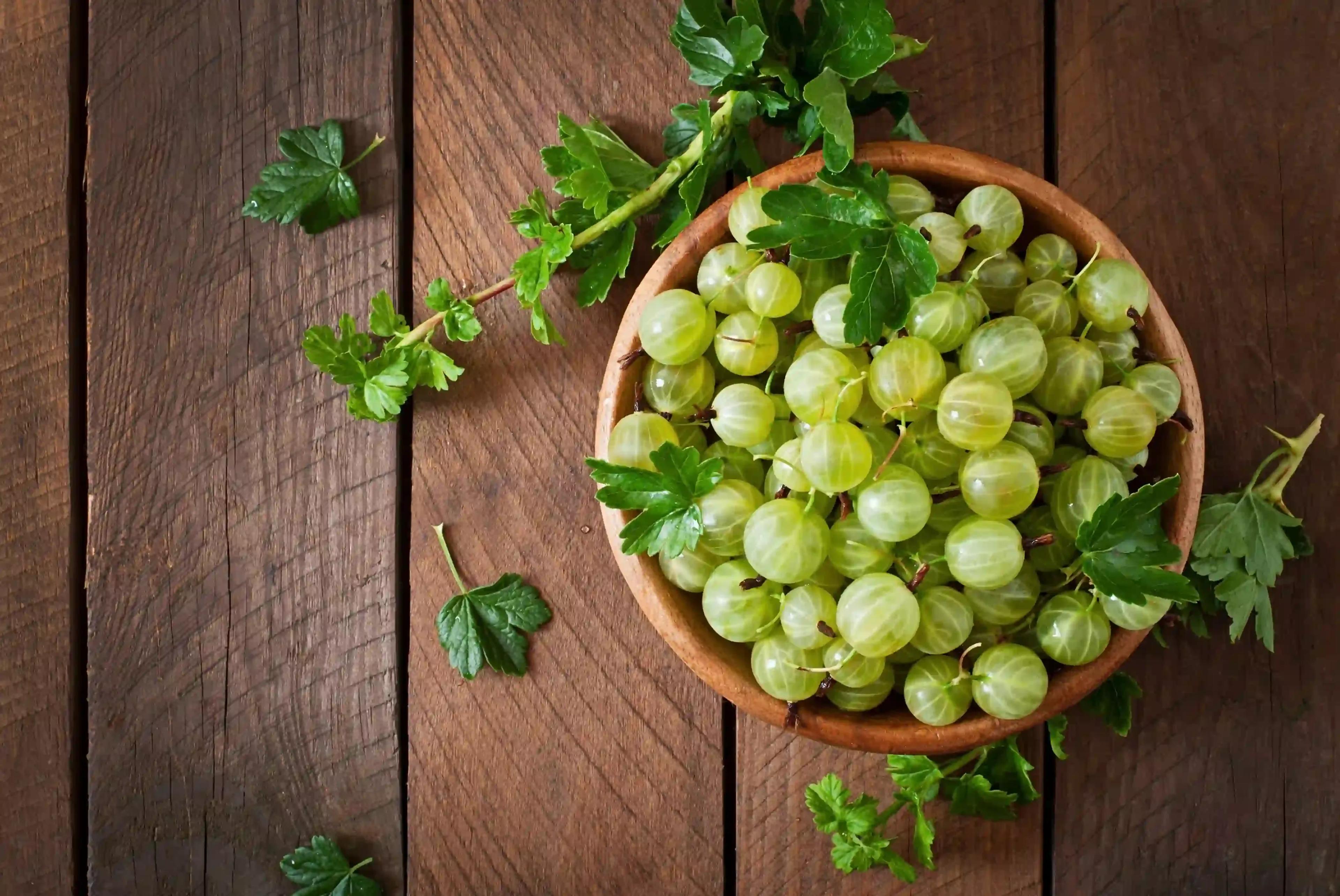
Amla, or Indian Gooseberry, contains up to 20 times more Vitamin C per gram than an orange, making it one of the most potent natural sources for glowing, even-toned skin. Its ascorbic acid, flavonoids, and tannins act as antioxidants, boost collagen synthesis, regulate melanin production, and support wound healing, helping fade acne scars, pigmentation, and dullness caused by sun exposure, pollution, stress, and Vitamin C deficiency. Unlike synthetic Vitamin C, Amla is gentle, stable, and bioavailable, working holistically on skin, digestion, and immunity for long-term glow.
- Contains roughly 20x more Vitamin C than an orange
- Boosts collagen and regulates melanin to fade pigmentation
- Gentler and more stable than synthetic Vitamin C
Why Skin Starts Looking Dull, Uneven, and Tired
Before jumping into Amla's benefits, let's address why your skin might be lacking radiance in the first place.
Common Triggers for Dull or Patchy Skin
- Sun exposure → leads to pigmentation
- Pollution → causes oxidative stress
- Poor gut health → slows down cell turnover
- Hormonal fluctuations → cause patchiness and inflammation
- Nutritional gaps → especially Vitamin C deficiency
- Smoking, sleep deprivation, stress
All these factors damage your skin's ability to:
- Heal from acne or wounds
- Maintain collagen
- Prevent pigmentation clusters
This is where Amla steps in as a corrective + preventive force.
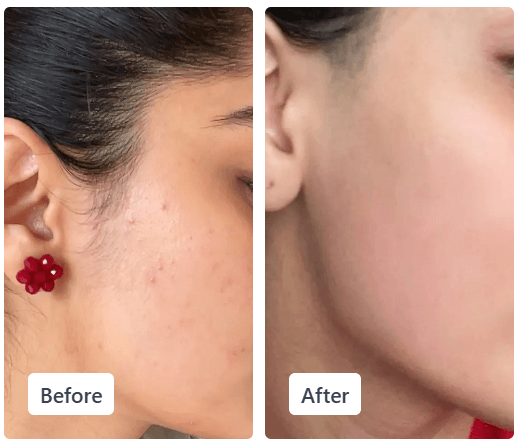
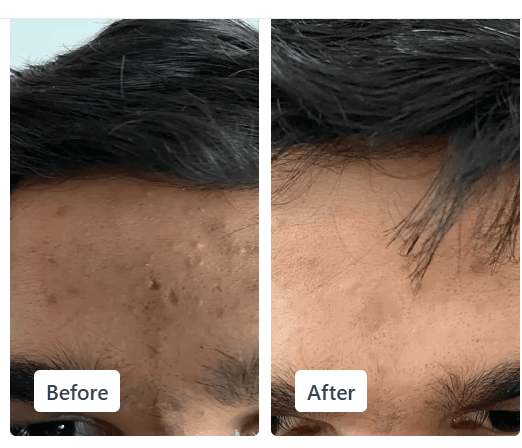
See real results, then start your own
Take the free Clear Ritual Skin Test and get a personalized routine built for your skin's unique patterns.
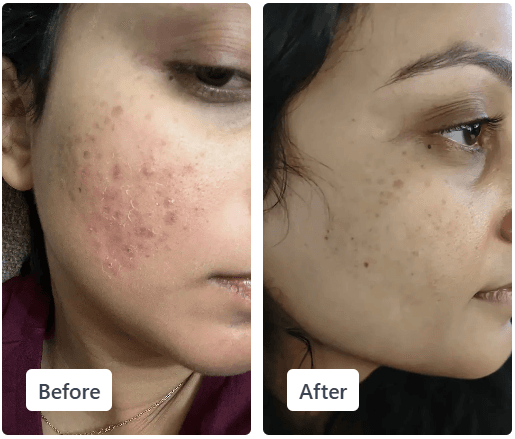
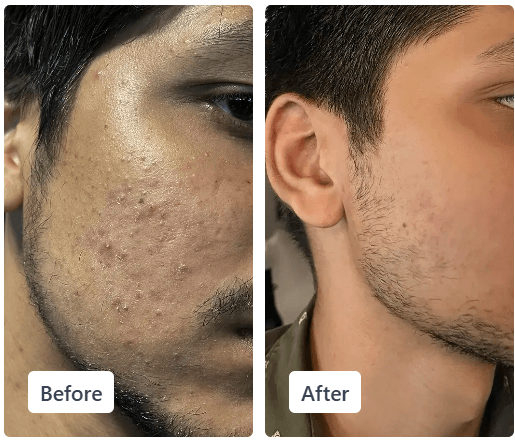
Amla: The Most Potent Natural Source of Vitamin C
Fast Facts
- Also known as: Indian Gooseberry
- Vitamin C content: 20x more than an orange (per gram)
- Ayurvedic role: Rasayana (rejuvenator), Raktashodhak (blood purifier), Tridosha balancing
- Taste: Sour, astringent, cooling, excellent for Pitta imbalance
Amla contains ascorbic acid, flavonoids, polyphenols, and tannins, all of which play roles in anti-aging, detoxification, and skin regeneration.
What Does Vitamin C Actually Do for Skin?
| Function | Impact on Skin |
|---|---|
| Antioxidant | Protects against sun, pollution, and free radical damage |
| Collagen synthesis | Improves firmness, reduces early wrinkles |
| Melanin regulation | Prevents and fades pigmentation, dark spots |
| Supports wound healing | Helps fade acne marks and improves skin recovery |
Unlike synthetic Vitamin C serums, Amla is water-soluble and bioavailable, making it more easily absorbed when taken internally or applied through natural formulations.
See real results, then start your own
Take the free Clear Ritual Skin Test and get a personalized routine built for your skin's unique patterns.
Amla vs Synthetic Vitamin C: What's Better?
| Property | Amla (Natural) | Synthetic Ascorbic Acid |
|---|---|---|
| Absorption | High bioavailability via food & herbs | Requires proper pH & formulation |
| Sensitivity | Gentle on all skin types | May irritate sensitive or acne-prone skin |
| Stability | Stable due to polyphenols & tannins | Unstable unless combined with ferulic acid |
| Holistic benefit | Works on skin + digestion + immunity | Skin-specific action only |
Verdict: Amla provides a slow, sustained, and holistic Vitamin C boost, ideal for consistent, long-term glow.
Amla's Role in Fading Acne Scars and Pigmentation
1. Reduces Melanin Production
- Amla slows down tyrosinase, the enzyme that produces melanin
- Helps prevent new dark spots
2. Speeds Up Healing
- Promotes collagen synthesis
- Reduces chances of scarring
3. Improves Skin Immunity
- Strengthens resistance against pollution & UV
- Reduces redness and breakouts
How The Clear Ritual Uses Amla for Skin Health
Ideal For
- Post-acne dark spots
- Uneven skin tone
- Dull complexion
- Stress-triggered breakouts
- Pollution-exposed skin
A Week-by-Week Outlook on Results
| Timeframe | What to Expect |
|---|---|
| Week 1-2 | Brighter under-eyes, less oily skin |
| Week 3-4 | Acne marks begin fading |
| Week 5-6 | More consistent glow |
| Month 2+ | Reduced pigmentation, smoother texture |
How Clear Ritual Supports Personalized Skincare Decisions
Clear Ritual understands that dull, uneven-toned skin is more than a surface issue. It is shaped by genetics, skin renewal cycles, environmental factors, and the products you use.
Because dull, uneven-toned skin forms when sun exposure, pollution, hormonal fluctuations, and nutritional gaps disrupt melanin regulation, collagen production, and cell turnover, generic solutions rarely bring lasting improvement. Clear Ritual combines traditional wisdom and modern science to address the underlying causes of dull, uneven-toned skin.
The Clear Ritual Skin Test analyses your skin's unique patterns and daily influences to help identify the best routine for supporting healthy skin and reducing dull, uneven-toned skin recurrence.
See real results, then start your own
Take the free Clear Ritual Skin Test and get a personalized routine built for your skin's unique patterns.
Conclusion
Amla isn't just a Vitamin C source, it's a complete skin-repair ingredient.
- Purifies the blood
- Fights pigmentation
- Repairs skin naturally
- Builds long-term glow
If clear, even-toned skin is your goal, Amla is worth including.
Frequently Asked Questions
1. Why does skin look dull over time?
Due to sun exposure, pollution, stress, hormonal changes, and Vitamin C deficiency.
2. How does Amla improve skin?
It boosts collagen, reduces pigmentation, and protects against damage.
3. Is Amla better than synthetic Vitamin C?
Yes, it is gentler, more stable, and works holistically.
4. Can Amla fade acne marks?
Yes, it helps reduce melanin and speeds healing.
5. Is Amla safe daily?
Yes, when used in recommended amounts.
Editorial Standards
Clear Ritual has Strict sourcing guidelines to ensure our content is accurate and current. We rely on peer-reviewed studies, academic research institutions, and medical associations. We strive to use primary sources and refrain from using tertiary references. See a mistake? Learn More about our Editorial Standards.