Ingredients For Hyperpigmentation: Which Are Best And How They Work
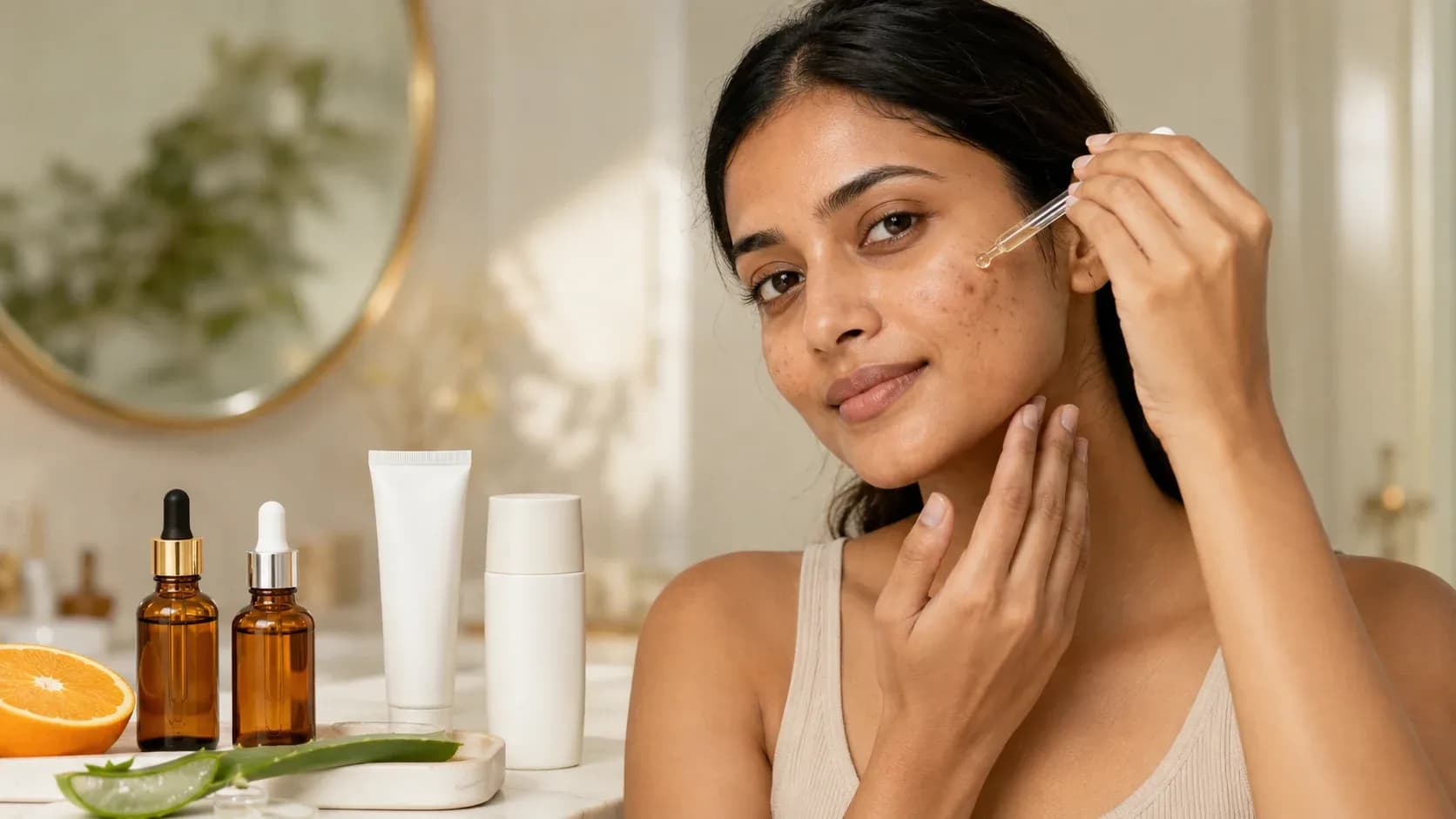
The best ingredients for hyperpigmentation include vitamin C, niacinamide, azelaic acid, tranexamic acid, and retinoids.
They work through different pathways, including reducing pigment production, limiting pigment transfer, and increasing skin-cell turnover.
A 2025 Delphi consensus study published in the Journal of the American Academy of Dermatology found expert consensus on ingredients such as azelaic acid, glycolic acid, niacinamide, retinoids, and vitamin C for treating dark spots. The study involved 62 dermatologists across 43 centres and also reviewed the available evidence supporting these recommendations.
Which Ingredients Treat Hyperpigmentation?
Different ingredients target different stages of pigmentation, from melanin production and pigment transfer to skin-cell turnover and inflammation. The right ingredient depends on the type of hyperpigmentation, your skin, and how well you tolerate the treatment.
Hydroquinone
Hydroquinone is a well-established pigment-fading ingredient that reduces melanin production by inhibiting tyrosinase. It is particularly useful for conditions such as melasma and post-inflammatory hyperpigmentation, but should be used under appropriate medical guidance.
Retinoids
Retinoids increase skin-cell turnover, helping shed pigment-containing keratinocytes and gradually improve uneven pigmentation. They can be useful for melasma and post-inflammatory hyperpigmentation while also addressing signs of photoageing.
Azelaic Acid
Azelaic acid helps reduce pigmentation by affecting melanin production while also calming inflammation. It can be especially useful when hyperpigmentation occurs alongside acne or other inflammatory skin conditions.
Vitamin C
Vitamin C can help reduce melanin formation while providing antioxidant protection against oxidative stress. It is generally best used as a supportive ingredient alongside established pigmentation treatments and daily sun protection.
Niacinamide
Niacinamide helps reduce the transfer of melanosomes from melanocytes to keratinocytes, rather than directly stopping melanin production. This makes it a useful option for gradually improving uneven skin tone.
Kojic Acid
Kojic acid helps reduce melanin production by inhibiting tyrosinase, an enzyme involved in melanogenesis. It can help fade uneven pigmentation, although irritation may occur in some people.
Cysteamine
Cysteamine acts on several pathways involved in melanin production and has been studied for melasma and post-inflammatory hyperpigmentation. Its characteristic sulphur-like odour and potential irritation can affect how well some people tolerate it.
Thiamidol
Thiamidol is a potent inhibitor of human tyrosinase, helping reduce melanin production and fade facial hyperpigmentation. Clinical studies support its use for conditions including melasma and other forms of facial pigmentation.
Melasyl (2-MNG)
Melasyl works differently from traditional tyrosinase inhibitors by binding reactive melanin precursors before they contribute to visible pigment. Early clinical studies are promising, although they have a newer and smaller evidence base than established ingredients.
How Do Hyperpigmentation Ingredients Work?
Hyperpigmentation ingredients work at different stages of melanin production and pigment buildup. Some reduce melanin production, while others limit pigment transfer, increase skin-cell turnover, or calm pathways that contribute to excess pigmentation.
Melanin Production Inhibition
Ingredients such as hydroquinone, kojic acid, thiamidol, azelaic acid, and vitamin C can reduce melanin production through different pathways. Several act on tyrosinase or related steps in melanogenesis, helping reduce excess pigment formation over time.
Pigment Transfer Reduction
Ingredients such as niacinamide and soy-derived compounds can reduce the transfer of melanosomes from melanocytes to surrounding keratinocytes. By limiting this pigment transfer, they can help improve the appearance of uneven skin tone.
Increased Skin-Cell Turnover
Ingredients such as retinoids, glycolic acid, lactic acid, and salicylic acid can increase cell turnover or exfoliate the outer layers of the skin. This helps the skin gradually shed pigment-containing cells and improve the appearance of existing hyperpigmentation.
Inflammation And Pigment Regulation
Ingredients such as tranexamic acid and azelaic acid can target inflammatory and signalling pathways involved in excess pigmentation. This can be particularly useful when inflammation contributes to conditions such as melasma or post-inflammatory hyperpigmentation.
Which Natural Ingredients Fade Hyperpigmentation?
Some plant-derived ingredients may help improve hyperpigmentation by reducing melanin production or inflammation, but the evidence is generally less established than for prescription and well-studied topical treatments. Commonly studied options include:
Licorice Root Extract
Licorice root extract contains compounds such as glabridin that can inhibit tyrosinase and reduce melanin production. It may help improve uneven pigmentation, although clinical evidence is more limited than for established treatments such as hydroquinone.
Aloe Vera
Aloe vera contains aloesin, a compound that may inhibit tyrosinase and reduce melanin production. It has shown potential for improving pigmentation, but evidence from clinical studies remains limited.
Turmeric
Turmeric contains curcumin, which has antioxidant and anti-inflammatory properties that may help regulate pathways involved in pigmentation. It may be more relevant to inflammation-related pigmentation, such as PIH, but clinical evidence for topical turmeric remains limited.
Soy
Soy-derived ingredients contain protease inhibitors such as soy trypsin inhibitor and Bowman-Birk inhibitor that may reduce melanin transfer to keratinocytes. Clinical studies suggest they may help improve the appearance of uneven pigmentation, although evidence remains limited.
Green Tea Extract
Green tea extract contains polyphenols with antioxidant and anti-inflammatory properties that may influence melanin production. It shows promise as a supportive ingredient, but stronger clinical evidence is still needed.
Mulberry Extract
Mulberry extracts contain compounds that may inhibit tyrosinase, an enzyme involved in melanin production. They are used in some brightening formulations, but clinical evidence for treating hyperpigmentation remains limited.
Which Ingredients Should You Avoid For Hyperpigmentation?
You do not need to avoid specific ingredients simply because you have hyperpigmentation. The bigger concern is repeated irritation, which can trigger inflammation and worsen post-inflammatory hyperpigmentation (PIH), particularly in skin prone to pigmentation. Be cautious with:
● Harsh physical scrubs: Friction and inflammation that worsen PIH.
● High-strength exfoliating acids: Overuse may irritate and aggravate pigmentation.
● Fragrance and essential oils: May Trigger irritation or contact dermatitis in some people.
● Unsupervised hydroquinone: Prolonged misuse may cause adverse effects, including exogenous ochronosis, with prolonged misuse.
● Irritating retinoid routines: Excessive use may cause dryness, peeling, and inflammation that worsen pigmentation.
Note: Daily sun protection also matters when treating hyperpigmentation. UV exposure can darken existing pigmentation, while some exfoliating treatments can increase sun sensitivity.
How Long Do Hyperpigmentation Ingredients Take To Work?
Hyperpigmentation does not fade at the same rate for everyone. The timeline can vary by the ingredient used, the type and depth of pigmentation, and how consistently you use the treatment:
| Timeline | What You May Notice |
|---|---|
| First 2 to 4 weeks | Subtle changes as existing surface pigment gradually sheds with normal skin turnover. |
| Around 6 to 8 weeks | Lighter superficial pigmentation with consistent treatment. |
| Around 8 to 12 weeks | More noticeable improvement with continued, well-tolerated treatment. |
| 3 to 6+ months | Slower improvement in persistent or deeper pigmentation, which may require professional treatment. |
Note: Deeper pigmentation generally takes longer to improve than superficial pigmentation, and some conditions such as melasma may require ongoing maintenance.
Clear Ritual’s Perspective On Hyperpigmentation Ingredients
The right ingredients depend on your skin type, pigmentation concerns, and how well your skin tolerates them. At Clear Ritual, we believe consistent use of suitable ingredients and daily sun protection are key to achieving a more even-looking skin tone.
The Clear Ritual Skin Test can help you understand your skin type and concerns, making it easier to choose suitable ingredients and build a personalised skincare routine.
Frequently Asked Questions
1. Which ingredients are best for hyperpigmentation?
There is no single best ingredient for everyone. Commonly recommended options include azelaic acid, retinoids, glycolic acid, niacinamide, and vitamin C, depending on the type of pigmentation and your skin.
2. Which natural ingredients removes hyperpigmentation?
Licorice root, soy, aloe vera, turmeric, green tea, and mulberry extracts may help improve pigmentation. However, their clinical evidence is generally more limited than that of established topical treatments.
3. How long do hyperpigmentation ingredients take to work?
Visible improvement usually takes several weeks to months. The timeline depends on the ingredient, type, and depth of pigmentation, as well as how consistently you use the treatment.
4. Can hyperpigmentation ingredients make pigmentation worse?
Yes. Irritating ingredients or excessive use can cause inflammation and worsen post-inflammatory hyperpigmentation. Burning, stinging, peeling, or persistent redness may indicate that a product is irritating your skin.
5. Which hyperpigmentation ingredients can irritate your skin?
Strong exfoliating acids, retinoids, and some fragranced products can irritate the skin, especially when overused. Irritation can trigger inflammation and worsen pigmentation, so treatment should match your skin’s tolerance.
References
Murphy MJ, Dow AA. (2021). Natural Cosmeceutical Ingredients for the Management of Hyperpigmentation in Hispanic and Latino Women. Journal of Clinical and Aesthetic Dermatology.
Del Rosso JQ, et al. (2025). A Delphi Consensus on the Use of Cosmetic Ingredients for Dark Spots. Journal of the American Academy of Dermatology.
McKesey J, Tovar-Garza A, Pandya AG. (2021). Topical Treatment for Postinflammatory Hyperpigmentation: A Systematic Review. Journal of Dermatological Treatment.
Editorial Standards
Clear Ritual has Strict sourcing guidelines to ensure our content is accurate and current. We rely on peer-reviewed studies, academic research institutions, and medical associations. We strive to use primary sources and refrain from using tertiary references. See a mistake? Learn More about our Editorial Standards.
Related Articles
Acne and Diet: What’s the Real Link Between Food and Breakouts?
Published 21 July 2026

Acne in Perimenopause: Hormonal Changes Behind Adult Breakouts
Published 16 July 2026
Acne After Waxing: Why Skin Breaks Out After Hair Removal
Published 16 July 2026
Acne Conglobata: Symptoms, Causes, Triggers and Advanced Treatment Approaches
Published 17 July 2026