Omega-3 for Acne: Can Fish Oil Help Acne?
Omega-3 fatty acids may help reduce acne severity by lowering inflammation and helping balance sebum production. Fish oil will not clear acne on its own, but research suggests it can support clearer skin when combined with proper skincare and lifestyle habits, particularly for inflammatory acne types. Most people notice improvement after 8 to 12 weeks of consistent use, and it works best alongside cleansing, sun protection, sleep, and diet changes rather than as a standalone treatment.
- Anti-inflammatory effects may calm redness and swelling
- May help regulate sebum production and reduce pore clogging
- Most effective for inflammatory acne types like papules and pustules
- Works best as part of a broader skincare and lifestyle approach
What Are Omega-3 Fatty Acids?
Omega-3 fatty acids are essential fats your body cannot produce on its own. The three main types are EPA (eicosapentaenoic acid), DHA (docosahexaenoic acid), and ALA (alpha-linolenic acid). EPA and DHA come primarily from fatty fish like salmon, mackerel, and sardines, while ALA is found in plant sources like flaxseeds and walnuts.
Your skin relies on these fats to maintain its lipid barrier, control inflammation, and regulate various cellular processes. When omega-3 levels are low, your skin may become more reactive, produce excess oil, and struggle to resolve inflammation efficiently.
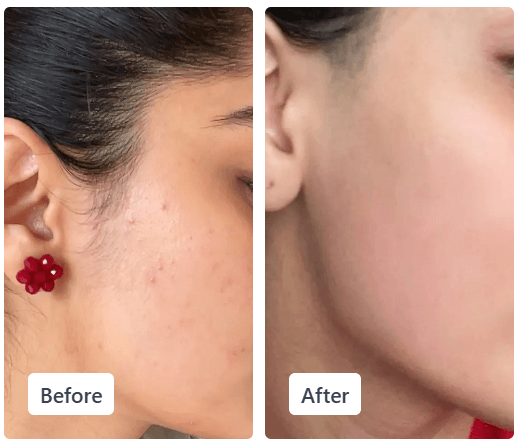
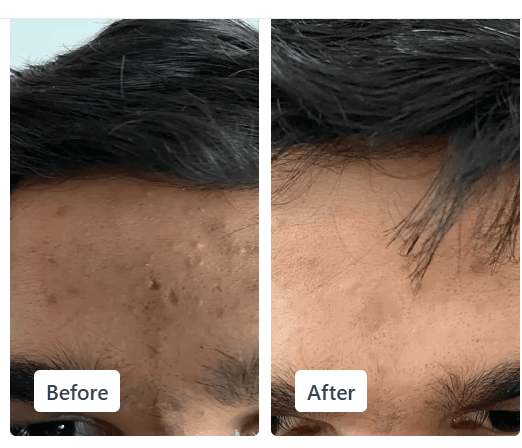
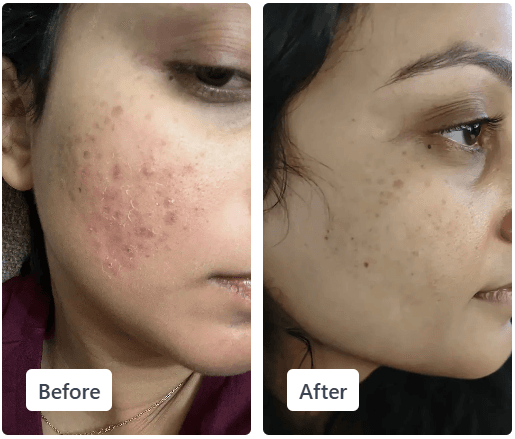
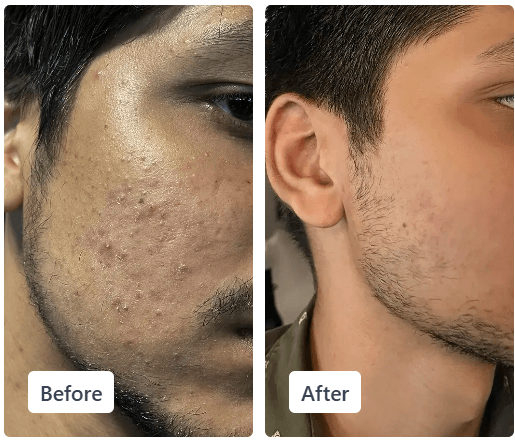
See real results, then start your own
Take the free Clear Ritual Skin Test and get a personalized routine built for your skin's unique patterns.
How Omega-3s Affect Acne Development
Acne develops when four primary factors converge: excess sebum production, clogged pores, bacterial overgrowth, and inflammation. Omega-3 fatty acids influence several of these pathways.
The Inflammation Connection
When acne bacteria multiply inside clogged pores, your immune system responds by releasing inflammatory compounds called cytokines. This creates the redness, swelling, and tenderness you feel around active breakouts. EPA and DHA from fish oil produce specialized molecules called resolvins and protectins that actively calm this inflammatory response.
Unlike simply blocking inflammation, these compounds help your skin resolve it more efficiently and return to balance faster. This matters because chronic low-grade inflammation keeps acne cycling [one breakout triggers changes that lead to the next].
Sebum Production and Composition
Your sebaceous glands respond to various signals, including diet composition. Western diets high in omega-6 fatty acids (from vegetable oils, processed foods, and grain-fed meats) shift sebum toward a more inflammatory profile. Omega-6s aren't inherently harmful, but an imbalanced ratio promotes inflammatory pathways.
Increasing omega-3 intake helps restore this balance. Studies show that higher omega-3 levels correlate with reduced sebum production and altered sebum composition that's less likely to trigger inflammation when it mixes with dead skin cells inside pores.
Insulin Sensitivity and Hormonal Balance
Omega-3s improve insulin sensitivity, which indirectly affects acne. When cells respond better to insulin, your body produces less of it. High insulin levels stimulate androgen hormones that drive sebaceous glands into overdrive. This connection explains why high-sugar diets and insulin resistance often worsen acne.
By supporting more stable blood sugar and insulin levels, omega-3s help reduce one upstream trigger of excess oil production.
What the Research Shows
Multiple studies have examined omega-3 supplementation for acne with encouraging results.
A 2014 study published in Lipids in Health and Disease found that participants taking omega-3 supplements for 10 weeks experienced significant reductions in inflammatory acne lesions. Another study in the Journal of Cosmetic Dermatology showed that combined EPA and DHA supplementation reduced both inflammatory and non-inflammatory acne over 12 weeks.
Research comparing dietary patterns reveals that populations consuming more fish and omega-3-rich foods tend to have lower acne rates. While this doesn't prove causation, it suggests dietary fats play a meaningful role.
However, studies consistently show omega-3s work gradually. Most participants see initial improvements around week 8, with continued progress through week 12 and beyond. This matches the skin cell turnover cycle and the time needed to shift inflammatory pathways.
See real results, then start your own
Take the free Clear Ritual Skin Test and get a personalized routine built for your skin's unique patterns.
Omega-3 Sources: Fish Oil vs Food vs Plant-Based
| Source Type | Omega-3 Type | Absorption | Considerations |
|---|---|---|---|
| Fatty fish (salmon, mackerel) | EPA + DHA | Direct, highly bioavailable | Most effective form; aim for 2 to 3 servings weekly |
| Fish oil supplements | EPA + DHA | Direct, concentrated doses | Quality varies; choose tested brands |
| Algae oil | EPA + DHA | Direct, plant-derived | Good vegan alternative |
| Flax, chia, walnuts | ALA | Requires conversion to EPA/DHA | Only 5 to 10% converts; less effective alone |
Your body converts ALA from plant sources into EPA and DHA, but the conversion rate is quite low [typically under 10 percent]. This means you'd need substantially more ALA to achieve the same effects as direct EPA and DHA from fish or algae sources.
For acne management, supplements providing 1,000 to 2,000 mg of combined EPA and DHA daily appear most effective in research. Food sources work too, but require consistent intake of fatty fish several times weekly.
When Omega-3s Help Most
Not all acne responds equally to omega-3 supplementation. You're more likely to see benefits if your acne involves:
Inflammatory papules and pustules rather than just blackheads and whiteheads. The anti-inflammatory effects of omega-3s directly address the redness and swelling that define these lesion types.
Breakouts that worsen with stress or poor sleep. Both stress and sleep deprivation increase inflammatory signaling throughout your body, including your skin. Omega-3s help counteract this systemic inflammation.
Acne accompanied by other inflammatory conditions like eczema or rosacea. This suggests your skin has heightened inflammatory sensitivity that omega-3s can help modulate.
A diet currently low in fish and high in processed foods. If your omega-6 to omega-3 ratio is already skewed, adding omega-3s creates a more noticeable shift.
Limitations and Realistic Expectations
Omega-3 supplementation rarely clears acne completely on its own. Acne develops from multiple interconnected factors [genetics influence pore structure and sebaceous gland size, hormones drive oil production, bacteria colonize blocked follicles, and external factors like skincare habits and environmental exposures add complexity].
Fish oil addresses inflammation and may help with sebum regulation, but it doesn't unclog existing blocked pores, kill acne bacteria directly, or change fundamental pore structure. This explains why omega-3s work best alongside appropriate cleansing practices and other targeted interventions.
Some people experience initial breakouts when starting omega-3 supplements. This may occur as inflammatory processes shift, though it typically resolves within 2 to 3 weeks. Starting with lower doses and gradually increasing can minimize this effect.
Quality matters significantly. Oxidized fish oil (rancid) can actually promote inflammation rather than reduce it. Choose supplements that are third-party tested, molecularly distilled, and stored properly. A slight fishy smell when you open the bottle is normal, but a strong rancid odor indicates the oil has degraded.
Potential Side Effects and Considerations
Fish oil is generally safe, but higher doses can cause:
Digestive discomfort including nausea, loose stools, or fishy burps. Taking supplements with meals and choosing enteric-coated versions often helps.
Blood thinning effects at very high doses (above 3,000 mg daily). This matters if you take blood-thinning medications or have upcoming surgery.
Interactions with certain medications. If you take prescription blood thinners, blood pressure medications, or immunosuppressants, consult your healthcare provider before starting omega-3 supplements.
Some people worry about mercury and other contaminants in fish oil. Reputable brands test for heavy metals, PCBs, and dioxins. Smaller fish like sardines and anchovies (common sources for supplements) accumulate fewer contaminants than large predatory fish.
Combining Omega-3s with Other Approaches
Omega-3 supplementation shows the most promise when integrated with other skin-supportive habits.
Your cleansing routine matters. Over-washing strips natural lipids from your skin barrier, which triggers increased oil production as your skin tries to compensate. Washing twice daily with a gentle cleanser preserves barrier function while removing excess surface oil and debris.
Sun exposure affects acne in complex ways. UV radiation temporarily suppresses inflammation (which may initially improve appearance), but it also damages the skin barrier and thickens the stratum corneum, leading to more clogged pores over time. UV also oxidizes surface lipids, creating irritating compounds. Daily broad-spectrum sunscreen protects against these effects without clogging pores when you choose non-comedogenic formulas.
Sleep quality directly impacts inflammation levels. During deep sleep, your body produces growth hormone that supports tissue repair and regulates inflammatory cytokines. Sleep deprivation elevates cortisol, which increases both inflammation and oil production. Omega-3s support better sleep quality by influencing melatonin production, creating a positive cycle.
Managing stress through regular movement, adequate rest, and stress-reduction practices lowers systemic cortisol levels. Since cortisol stimulates sebaceous glands and impairs skin barrier repair, this creates meaningful improvements beyond what omega-3s alone provide.
What About Diet Beyond Supplementation?
The broader dietary context influences how well omega-3 supplementation works.
High-glycemic foods (white bread, sugary snacks, sweetened beverages) spike insulin, which triggers a cascade that increases androgen activity and sebum production. This doesn't mean you must avoid all carbohydrates, but emphasizing lower-glycemic options like whole grains, legumes, and non-starchy vegetables helps stabilize this pathway.
Dairy, particularly skim milk, shows consistent associations with acne in research. The mechanisms likely involve hormones naturally present in milk and proteins that stimulate insulin-like growth factor. Some people see improvement by reducing or eliminating dairy, though responses vary individually.
Highly processed foods often contain inflammatory compounds formed during manufacturing and storage. These oxidized fats and advanced glycation end products add to inflammatory burden. Emphasizing whole foods [vegetables, fruits, quality proteins, nuts, seeds] provides antioxidants and phytonutrients that work synergistically with omega-3s.
Signs It's Time to See a Dermatologist
While omega-3s offer a worthwhile supportive approach, certain situations require professional evaluation:
Acne that persists despite consistent supplementation and lifestyle modifications for 3 to 4 months suggests you need targeted treatment addressing other causative factors.
Painful nodules or cysts indicate deeper inflammation that can lead to scarring. Early intervention with appropriate prescription treatments prevents permanent damage.
Sudden worsening or new-onset acne in adulthood, especially if accompanied by other symptoms like irregular periods, excessive hair growth, or rapid weight changes. This pattern may indicate hormonal conditions requiring specific treatment.
Acne causing significant emotional distress or affecting your quality of life. Effective treatments exist, and you don't need to wait or suffer unnecessarily.
Dark spots or scars developing from breakouts. Dermatologists can address both active acne and post-inflammatory changes more effectively when treatment starts earlier.
How Clear Ritual Supports Personalized Skincare Decisions
Acne develops from multiple interacting factors [hormonal fluctuations, sebum composition, inflammatory responses, skin barrier function, stress levels, sleep quality, gut health, and genetic predisposition all contribute]. While omega-3 supplementation addresses inflammation and may influence sebum production, it cannot identify or address your specific combination of triggers. Supplements and dietary changes often improve symptoms temporarily, but lasting clarity requires understanding your individual pattern. We combine the best of three worlds [Ayurveda, modern dermatology, and advanced skin science] to understand individual triggers through a structured skin assessment. This approach recognizes that what drives acne for one person may differ completely from another. Understanding your unique triggers, rather than applying general solutions, supports long-term skin stability and helps you make informed decisions about which interventions will actually help your specific situation.
See real results, then start your own
Take the free Clear Ritual Skin Test and get a personalized routine built for your skin's unique patterns.
Conclusion
Omega-3 fatty acids, particularly EPA and DHA from fish oil, can support clearer skin by lowering inflammation, helping balance sebum production, and improving insulin sensitivity, especially for inflammatory acne like papules and pustules. Results typically take 8 to 12 weeks of consistent use and work best alongside proper cleansing, sun protection, sleep, and dietary habits rather than as a standalone fix. Because acne stems from multiple interacting causes, omega-3 supplementation is a supportive tool rather than a complete solution, and acne that persists or worsens warrants a dermatologist's evaluation.
Frequently Asked Questions
How long does it take for fish oil to help acne?
Most people begin noticing improvements around 8 to 10 weeks with consistent daily supplementation. Skin cell turnover takes approximately 28 days, and shifting inflammatory pathways requires time. Maximum benefits typically appear after 12 to 16 weeks of regular use.
What's the best omega-3 dosage for acne?
Research studies showing acne improvement typically use 1,000 to 2,000 mg of combined EPA and DHA daily. Look for supplements listing these specific amounts rather than just "fish oil" totals. Start with 1,000 mg daily and increase if needed after 4 to 6 weeks.
Editorial Standards
Clear Ritual has Strict sourcing guidelines to ensure our content is accurate and current. We rely on peer-reviewed studies, academic research institutions, and medical associations. We strive to use primary sources and refrain from using tertiary references. See a mistake? Learn More about our Editorial Standards.
Related Articles
Zinc for Acne: Benefits for Acne-Prone Skin
Published 21 July 2026
Daruharidra for Detox: Can Ayurvedic Blood Cleansers Prevent Breakouts?
Published 21 July 2026

Salicylic Acid for Back Acne: How It Works and How to Use It
Published 19 October 2026

Role of Salicylic Acid in Body Acne Care
Published 21 July 2026