Blackheads: What Causes Them and When to See a Dermatologist
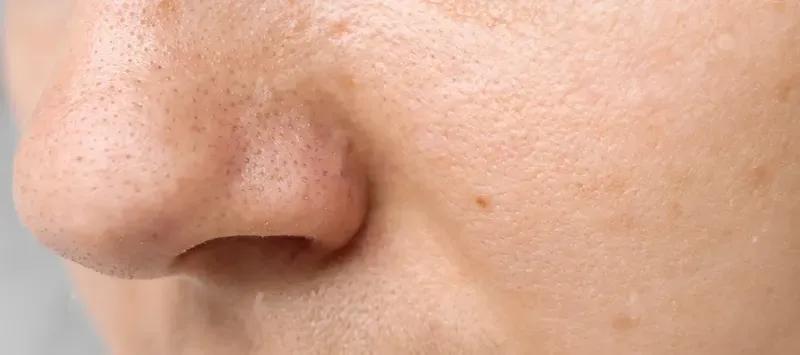
Blackheads are a mild form of acne that forms when a pore becomes blocked with oil and dead skin cells but stays open at the surface, causing the trapped material to oxidize and turn dark, not dirt. They typically appear on the nose, chin, forehead, chest, back, and shoulders. Common triggers include hormones, stress, food patterns, product use, humidity, and skin's natural oil and cell turnover rhythm. Ingredients like salicylic acid, retinoids, niacinamide, and azelaic acid can help when used correctly, rather than squeezing, scrubbing, or overusing pore strips, which can irritate skin and cause blackheads to return.
What Are Blackheads?
Blackheads are open comedones. In simple terms, they are pores blocked with sebum, which is your skin's natural oil, and dead skin cells.
Unlike whiteheads, blackheads remain open at the surface. This open surface is what allows the clogged material to darken. They are usually painless, flat or slightly raised, and most common in areas where oil production is higher.
Blackheads are also not a hygiene problem. Washing your face again and again will not remove the internal pattern that keeps forming them. In fact, over-cleansing can weaken the skin barrier and make the skin feel more irritated, oily, or reactive.
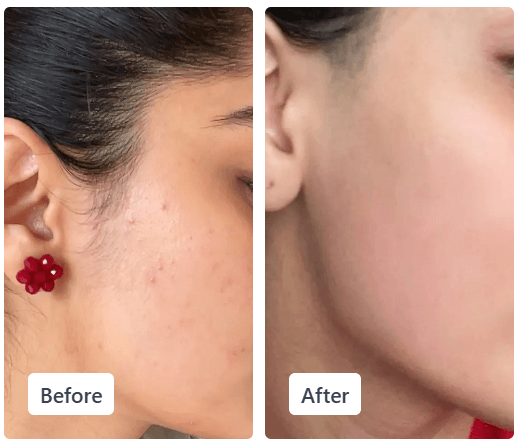
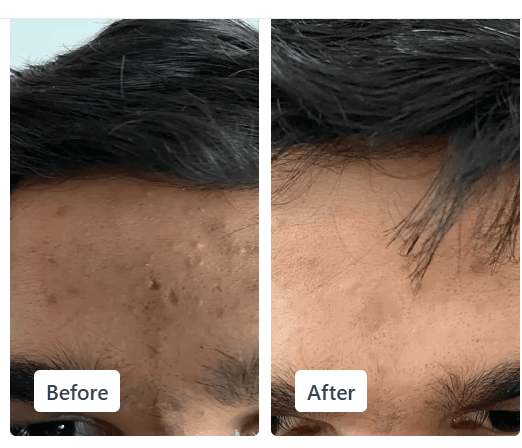
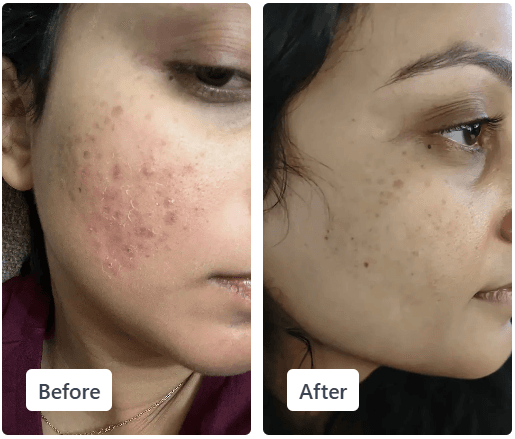
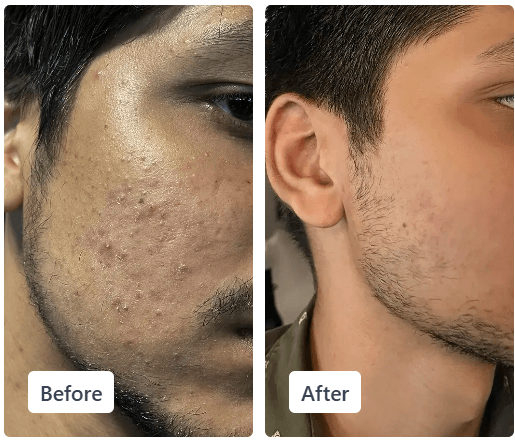
See real results, then start your own
Take the free Clear Ritual Skin Test and get a personalized routine built for your skin's unique patterns.
Why Do Blackheads Look Dark?
Blackheads look dark because of oxidation, not dirt.
When the oil and dead skin cells inside an open pore come in contact with air, they oxidize and turn brown or black. A simple way to understand this is to think of a cut apple turning brown when it is exposed to air. The same kind of surface-level change happens inside the open clogged pore.
This matters because many people try to scrub blackheads away as if they are dirt stuck on the face. That approach can irritate the skin without solving the actual cause of the clogged pore.
Why Blackheads Come Back: What Happens Inside the Pore?
Every pore is connected to an oil gland. Under normal conditions, sebum moves through the pore and reaches the surface of the skin, where it helps protect the barrier.
A blackhead begins when two things happen together:
- The skin produces more oil than the pore can manage
- Dead skin cells collect inside the pore instead of clearing naturally
Think of the pore as a narrow outlet. When oil and dead cells collect inside it, the outlet becomes clogged. If the top of the pore stays open, the material inside oxidizes and becomes a blackhead.
This is why blackheads often keep coming back. Removing one clog does not stop the skin from producing more oil or dead cell buildup in the same pattern.
See real results, then start your own
Take the free Clear Ritual Skin Test and get a personalized routine built for your skin's unique patterns.
Factors That Can Cause Blackhead Breakouts
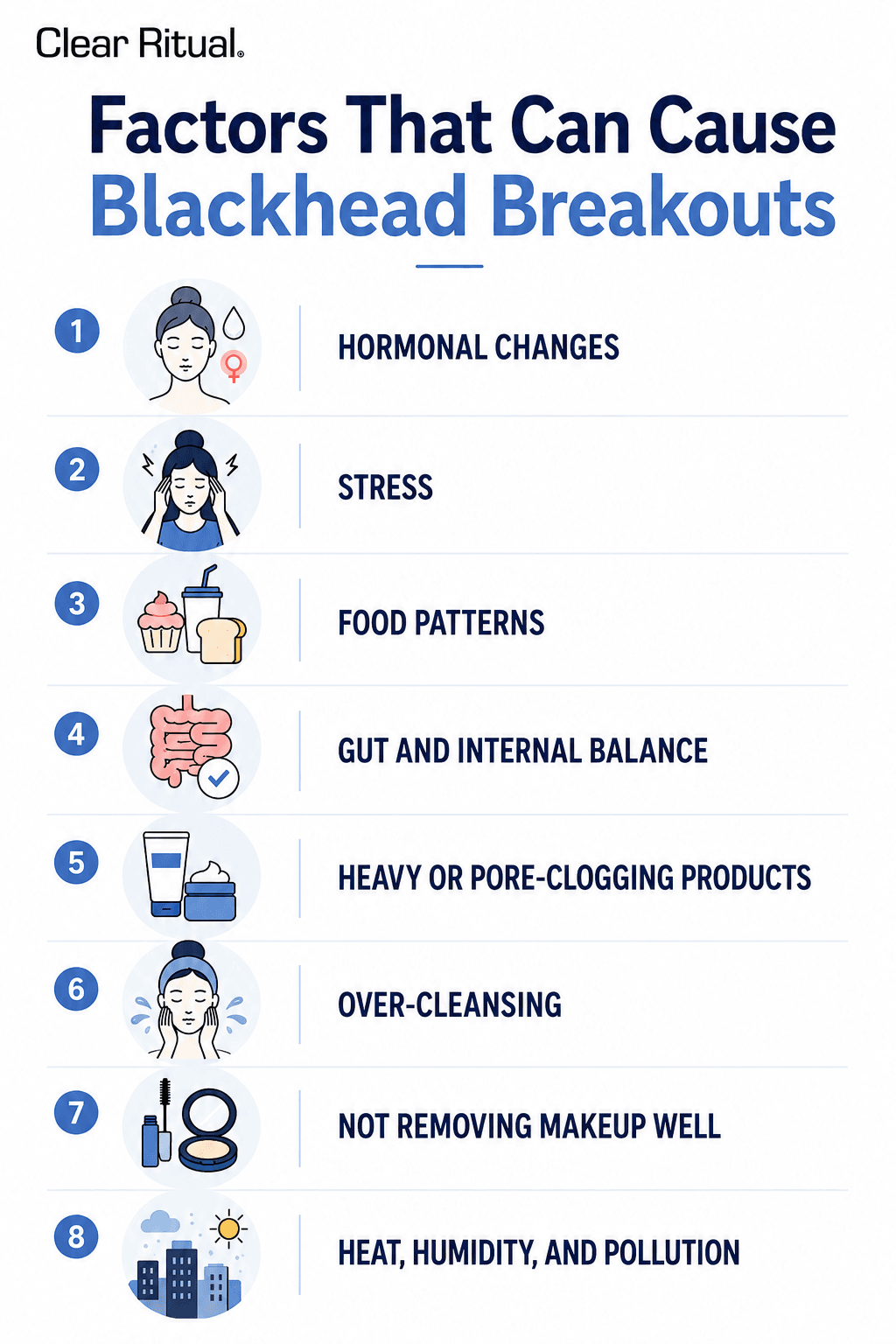
Blackheads can break out due to both internal and external triggers.
Hormonal Changes
Hormones can influence how much oil the skin produces. This is why blackheads often increase during puberty, around periods, or during hormonally unsettled phases.
Stress
Stress hormones like cortisol can increase oil production and make skin more reactive.
Food Patterns
High-sugar or fast-digesting foods can make oily, congestion-prone skin harder to manage.
Gut and Internal Balance
Poor digestion, poor sleep, and irregular routines can contribute to excess oil production and blackheads.
Heavy or Pore-Clogging Products
Some moisturizers, sunscreens, makeup, and hair products can worsen congestion.
Over-Cleansing
Frequent washing can irritate the skin and worsen blackhead symptoms.
Not Removing Makeup Well
Oil, sweat, sunscreen, and makeup left on the skin can clog pores.
Heat, Humidity, and Pollution
These can make oily skin feel heavier and more congested.
Symptoms of Blackheads
Blackheads usually appear as tiny dark dots or slightly raised bumps on the skin. They are usually painless and do not come with redness or swelling.
Common symptoms include:
- Small dark spots on the nose, chin, forehead, chest, back, shoulders, or ears
- Slightly rough or bumpy skin texture
- Pores that look more visible in oil-prone areas
- Congestion that returns even after extraction
- Little to no pain unless irritation develops
How to Treat Blackheads Effectively?
Effective treatment works on two fronts:
- Clearing existing blockages
- Preventing new ones from forming
The goal is not instant extraction, but improving how the skin manages oil, sheds dead cells, and protects its barrier.
At-Home Remedies
Warm Steam
5 minutes of warm steam can soften buildup and support cleansing.
Honey and Turmeric Masks
Honey acts as a natural antibacterial and turmeric helps calm irritation.
Tea Tree Oil
Diluted tea tree oil may help reduce bacteria inside pores.
Green Tea Rinse
Green tea can help lower sebum production and soothe skin.
Clay-Based Products
Kaolin and bentonite clay help absorb excess surface oil.
Over-the-Counter Medicines
Salicylic Acid
Oil-soluble and able to penetrate inside pores to dissolve buildup.
Retinoids
Help support skin cell turnover and prevent pore blockage.
Niacinamide
Reduces oil production and strengthens the skin barrier.
Gentle Chemical Exfoliation
AHAs and BHAs help improve texture without harsh scrubbing.
In-Clinic Options
If blackheads do not improve after 4 to 6 weeks, deeper treatment may be needed.
Professional Extractions
Safer and more effective than home extraction.
Chemical Peels
Higher concentrations of salicylic or glycolic acid clear larger areas.
Prescription Retinoids
Tretinoin provides stronger support for oil regulation and cell turnover.
How to Prevent Blackheads for Long-Term?
Prevention depends on consistency, not aggression.
1. Cleanse Twice a Day
Use a gentle cleanser morning and night.
2. Use Salicylic Acid Carefully
Introduce slowly and adjust based on skin response.
3. Keep Moisture in the Ritual
Use lightweight, non-comedogenic moisturizers.
4. Avoid Harsh Scrubs
Scrubbing irritates the skin and worsens congestion.
5. Clean Skin-Contact Surfaces
Phones, pillowcases, helmets, and brushes collect buildup.
6. Keep Hair Products Away From the Face
Heavy styling products can trigger forehead and hairline blackheads.
7. Do Not Pop Blackheads
Squeezing increases irritation and marks.
8. Look at Internal Patterns
Stress, hormones, sleep, digestion, and food patterns all matter.
How Do You Find the Right Blackhead Treatment for Your Skin?
Blackhead treatment works best when it is built around your specific skin pattern rather than a generic pore-clearing routine.
Two people may both have blackheads, but one may need barrier repair while another may need hormonal support, oil regulation, or product simplification.
This is why personalised care works better than repeated scrubbing, squeezing, or pore strips.
The Clear Ritual combines Ayurveda, dermatology, and cosmetic science to create inside-out plans that address both visible blackheads and the triggers causing repeated congestion.
The AI-powered Skin Assessment analyses:
- Blackhead pattern
- Skin type
- Oil levels
- Internal triggers
- Hormonal history
- Lifestyle
- Diet patterns
- Previous treatment response
From this, a dermatologist-reviewed personalised ritual is created with ongoing support from a skin advisor.
Take the The Clear Ritual Skin Assessment and receive a plan built specifically around your skin.
How Clear Ritual Supports Personalized Skincare Decisions
Clear Ritual understands that blackheads are more than a surface issue. They are shaped by genetics, skin renewal cycles, environmental factors, and the products you use.
Because blackheads form when a pore becomes blocked with excess oil and dead skin cells that stay trapped inside and oxidize on contact with air, generic solutions rarely bring lasting improvement. Clear Ritual combines traditional wisdom and modern science to address the underlying causes of blackheads.
The Clear Ritual Skin Test analyses your skin's unique patterns and daily influences to help identify the best routine for supporting healthy skin and reducing blackhead recurrence.
See real results, then start your own
Take the free Clear Ritual Skin Test and get a personalized routine built for your skin's unique patterns.
Conclusion
Blackheads are open comedones caused by a mix of excess oil, dead skin buildup, and internal factors like hormones, stress, and diet, not by dirt or poor hygiene. Managing them effectively means focusing on gentle, consistent care, using ingredients like salicylic acid, retinoids, niacinamide, and azelaic acid, rather than squeezing, scrubbing, or repeated pore strips. When blackheads persist despite home care, in-clinic options like professional extractions, chemical peels, or prescription retinoids can help. Because triggers vary from person to person, a personalised approach tends to bring longer-lasting results than a generic routine.
References
- https://www.webmd.com/skin-problems-and-treatments/acne/how-get-rid-blackheads
- https://medlineplus.gov/ency/article/003238.htm
- https://www.sciencedirect.com/topics/immunology-and-microbiology/blackhead
- https://taylorandfrancis.com/knowledge/Medicine_and_healthcare/Dermatology/Blackheads/
Frequently Asked Questions
Do blackheads go away naturally?
Some can clear gradually, but many return if the pore keeps filling the same way.
Is it okay to squeeze blackheads?
No. Squeezing can worsen irritation and increase the risk of marks and scarring.
What happens if I don't pop my blackheads?
Usually nothing harmful. Leaving them alone is often safer.
Are blackheads the same as sebaceous filaments?
No. Sebaceous filaments are normal and part of oil flow. Blackheads are clogged pores.
Should I use pore strips for blackheads?
Only for temporary surface clearing. They do not fix the actual cause of blackheads.
Editorial Standards
Clear Ritual has Strict sourcing guidelines to ensure our content is accurate and current. We rely on peer-reviewed studies, academic research institutions, and medical associations. We strive to use primary sources and refrain from using tertiary references. See a mistake? Learn More about our Editorial Standards.
Related Articles
Comedonal Acne: Causes, Types, Treatments & Prevention
Published 17 July 2026
Blackheads in Men: Why They’re More Common and How to Treat Them
Published 23 September 2026

Fungal Acne: Causes, Symptoms, Treatment & Prevention Tips
Published 17 July 2026
Cystic Pimples: Symptoms, Causes & Medical Treatments
Published 17 July 2026