Cystic Pimples: Symptoms, Causes & Medical Treatments
Cystic pimples are severe, deep acne lesions that form when oil, bacteria, and dead skin cells become trapped beneath the skin, triggering intense inflammation in the dermis. They present as painful, swollen lumps without a visible head and cannot be treated with surface products alone. Causes include hormonal fluctuations, genetics, chronic inflammation, and skin barrier disruption. Squeezing worsens scarring risk. Medical treatments such as oral medications, hormonal therapy, isotretinoin, and cortisone injections are often necessary, and early professional intervention helps prevent permanent scarring.
- Forms deep in the dermis, not near the skin's surface
- Driven by hormones, genetics, and inflammation
- Squeezing increases infection and scarring risk
- Often requires oral medication or cortisone injections
What Are Cystic Pimples?
Cystic pimples are large, inflamed lesions that develop deep within the skin tissue. Unlike whiteheads or blackheads that form near the surface, cystic acne originates in the lower layers of skin where the inflammation becomes trapped in enclosed sacs filled with pus, oil, and cellular debris.
These lesions feel like soft, fluid-filled lumps beneath the skin surface. They lack a visible head and cannot be emptied through extraction. The surrounding tissue becomes red, swollen, and tender to touch. Most people describe the sensation as a deep, throbbing pain that worsens with pressure.
Cystic acne typically appears on the face, particularly along the jawline, cheeks, and chin. However, it can also develop on the chest, back, shoulders, and upper arms where sebaceous glands are concentrated.
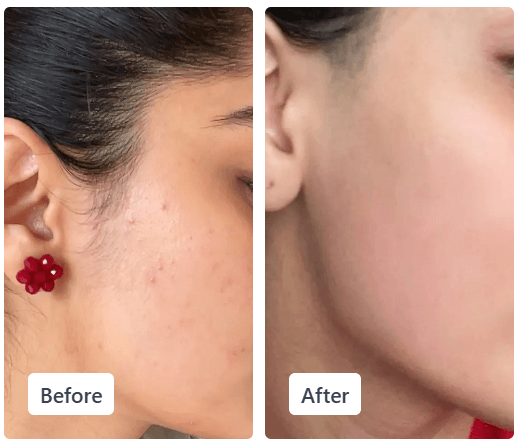
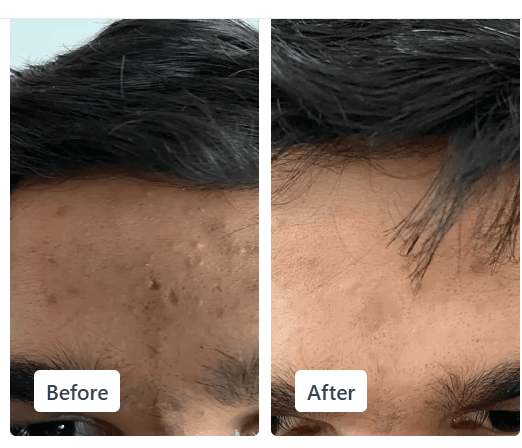
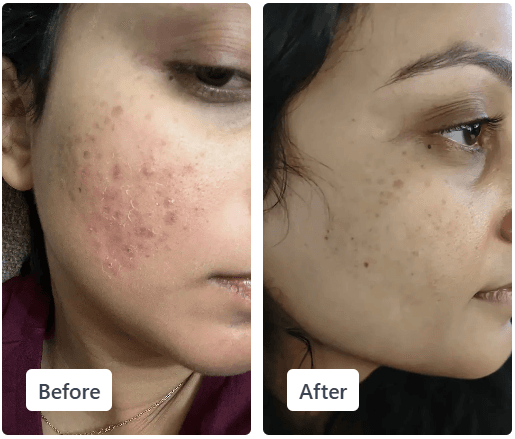
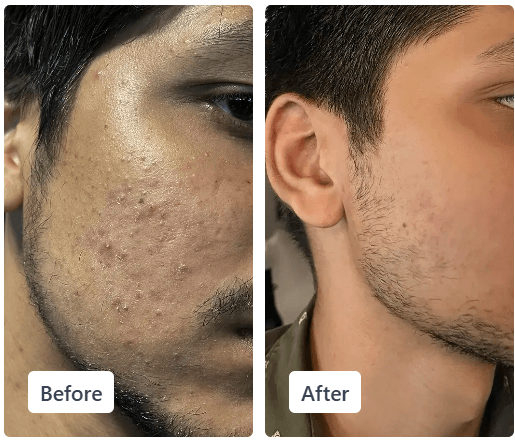
See real results, then start your own
Take the free Clear Ritual Skin Test and get a personalized routine built for your skin's unique patterns.
What Happens Inside the Skin
Understanding cystic acne requires looking at what occurs beneath the surface. Each hair follicle connects to a sebaceous gland that produces sebum, an oily substance that normally travels up the follicle to moisturize skin. When excess sebum combines with dead skin cells, it can plug the follicle opening.
Bacteria called Cutibacterium acnes, which naturally live on skin, multiply rapidly inside these blocked follicles. The immune system detects this bacterial overgrowth and responds by sending white blood cells to the area. This immune response creates inflammation.
In cystic acne, the follicle wall ruptures deep within the dermis. The rupture releases bacteria, sebum, and cellular material into surrounding tissue, triggering an aggressive inflammatory cascade. The body attempts to contain this by forming a membrane around the infected area, creating a cyst. This protective barrier also traps the inflammation, making the lesion persist for weeks or even months.
The depth of these lesions explains why topical treatments have limited effect. Surface products cannot penetrate deep enough to address the inflammation and infection occurring in the dermis.
Primary Causes and Contributing Factors
Hormonal Fluctuations
Androgens, particularly testosterone and its derivative dihydrotestosterone, stimulate sebaceous glands to enlarge and produce more oil. During puberty, menstrual cycles, pregnancy, and perimenopause, hormonal shifts can dramatically increase sebum production.
Many people notice cystic breakouts appearing in the week before menstruation when progesterone levels peak. This hormone triggers increased oil production and can cause temporary swelling of pore openings, making blockages more likely.
Conditions like polycystic ovary syndrome create chronically elevated androgen levels, leading to persistent cystic acne that resists conventional treatments.
Genetic Predisposition
Family history strongly influences cystic acne development. If one or both parents experienced severe acne, offspring have significantly higher risk. Genetics determine sebaceous gland size, oil production rates, inflammatory response intensity, and how quickly skin cells shed and renew.
Some people inherit skin that produces excessive sebum while also shedding dead cells rapidly. This combination creates ideal conditions for follicle blockages. Others have genetic variations that cause their immune systems to mount particularly aggressive inflammatory responses to bacterial presence.
Inflammation and Immune Response
Chronic low-grade inflammation throughout the body can worsen acne severity. Stress hormones like cortisol trigger inflammatory pathways and simultaneously increase oil production. Sleep deprivation elevates inflammatory markers while disrupting skin barrier repair processes that normally occur during rest.
Diets high in refined carbohydrates and sugar cause rapid insulin spikes. Elevated insulin increases androgen production and promotes inflammation. Dairy products, particularly skim milk, contain hormones and bioactive molecules that may influence sebaceous gland activity in susceptible individuals.
Skin Barrier Disruption
Aggressive cleansing strips away the protective lipid barrier that maintains skin pH and prevents bacterial overgrowth. When this barrier becomes compromised, transepidermal water loss increases and beneficial bacteria populations decline. The skin often responds to over-cleansing by producing more oil, creating a frustrating cycle.
Harsh exfoliation causes micro-tears in the skin surface, allowing bacteria to penetrate deeper. Products containing irritating ingredients trigger inflammation that can transform smaller comedones into larger, deeper lesions.
Environmental and Lifestyle Factors
Occlusive cosmetics and hair products can physically block pores, especially when combined with humidity and sweating. Friction from face masks, phone contact, or sports equipment creates mechanical pressure that forces comedone contents deeper into follicles, potentially causing rupture.
Touching the face transfers bacteria from hands while applying pressure that can aggravate existing inflammation. Picking or attempting to extract deep lesions almost always worsens the condition by spreading infection and damaging tissue.
See real results, then start your own
Take the free Clear Ritual Skin Test and get a personalized routine built for your skin's unique patterns.
Recognizing Cystic Acne Symptoms
| Characteristic | Cystic Acne | Regular Acne |
|---|---|---|
| Depth | Deep in dermis | Surface or mid-skin |
| Appearance | No visible head, soft lump | Whitehead or blackhead visible |
| Pain level | Severe, throbbing | Mild to moderate |
| Duration | Weeks to months | Days to week |
| Scarring risk | High | Low to moderate |
Cystic lesions begin as tender areas beneath the skin that gradually enlarge over several days. The overlying skin appears red or purple but lacks a pustule at the center. Attempting to squeeze these lesions produces no result except increased pain and inflammation.
The surrounding tissue often feels warm due to active inflammation. Multiple cystic lesions may develop simultaneously, particularly along the jawline and lower cheeks where hormonal acne concentrates.
As cysts eventually resolve, they often leave post-inflammatory hyperpigmentation that persists for months. More concerning is the risk of permanent scarring, including ice-pick scars, rolling scars, and atrophic depressions that occur when inflammation destroys collagen and elastic tissue.
Medical Treatment Approaches
Topical Treatments
Dermatologists may prescribe retinoids derived from vitamin A that increase cell turnover and prevent follicle blockages. These medications work at the cellular level to normalize shedding patterns and reduce inflammation. However, topical treatments alone rarely resolve cystic acne since they cannot adequately penetrate to the depth where cysts form.
Topical antibiotics like clindamycin help reduce bacterial populations on the skin surface. When combined with benzoyl peroxide, they can prevent antibiotic resistance while addressing multiple acne factors simultaneously.
Oral Medications
Systemic antibiotics such as doxycycline or minocycline reduce bacterial populations throughout the body while providing anti-inflammatory effects. These medications typically require several weeks to show improvement and are used for limited durations to minimize resistance development.
Hormonal treatments, including certain oral contraceptives and spironolactone, block androgen receptors or reduce androgen production. These approaches work well for hormonally-driven cystic acne but require consistent use for several months before significant improvement appears.
Isotretinoin represents the most effective treatment for severe cystic acne. This oral retinoid shrinks sebaceous glands, dramatically reduces oil production, prevents follicle blockages, and provides anti-inflammatory effects. Treatment courses typically last four to six months and can produce long-term remission. However, this medication requires careful medical supervision due to potential side effects and strict protocols.
Procedural Interventions
Intralesional cortisone injections deliver anti-inflammatory medication directly into cystic lesions. This treatment rapidly reduces swelling and pain, with many patients noticing improvement within 24 to 48 hours. Dermatologists reserve this approach for particularly large or painful cysts.
Drainage and extraction may be performed by dermatologists using sterile technique when cysts contain significant fluid collections. This should never be attempted at home, as improper technique spreads infection and causes scarring.
Chemical peels and laser treatments help address post-inflammatory changes and early scarring but do not treat active cystic lesions. These procedures become relevant during maintenance phases after inflammation has resolved.
Early Intervention Strategies
Addressing cystic pimples early in their development prevents progression and reduces scarring risk. At the first sign of a tender, deep lump, applying ice wrapped in a clean cloth for ten-minute intervals helps constrict blood vessels and reduce inflammatory mediator release.
Gentle cleansing with non-irritating products removes surface bacteria and excess oil without disrupting the skin barrier. Avoid scrubbing, which increases inflammation and can cause cyst rupture.
Resist the urge to touch, pick, or attempt extraction. Any manipulation of cystic lesions drives inflammation deeper and extends healing time. The temporary satisfaction of squeezing never outweighs the risks of worsened scarring and infection spread.
Maintaining consistent sleep schedules supports skin barrier repair and modulates inflammatory responses. Chronic sleep deprivation disrupts these processes and worsens acne severity.
When to Seek Professional Help
Cystic acne requires dermatologist evaluation and treatment. Over-the-counter products cannot adequately address the depth and severity of these lesions. Delaying professional care allows inflammation to persist longer, increasing permanent scarring risk.
Schedule a dermatology appointment if you experience:
- Painful nodules that persist for more than a week
- Multiple deep lesions appearing simultaneously
- Lesions that leave dark marks or indentations after healing
- Acne that significantly impacts emotional well-being
- Previous treatments that have not produced improvement
Some warning signs require urgent medical attention. If a cystic lesion becomes increasingly painful, develops spreading redness beyond the immediate area, or is accompanied by fever, these may indicate a serious infection requiring immediate treatment.
How Clear Ritual Supports Personalized Skincare Decisions
Clear Ritual understands that cystic acne is more than a surface issue. It is shaped by genetics, skin renewal cycles, environmental factors, and the products you use.
Because cystic acne forms when oil, bacteria, and dead skin cells become trapped deep beneath the skin surface and trigger an aggressive inflammatory response, generic solutions rarely bring lasting improvement. Clear Ritual combines traditional wisdom and modern science to address the underlying causes of cystic acne.
The Clear Ritual Skin Test analyses your skin's unique patterns and daily influences to help identify the best routine for supporting healthy skin and reducing cystic acne recurrence.
See real results, then start your own
Take the free Clear Ritual Skin Test and get a personalized routine built for your skin's unique patterns.
Conclusion
Cystic pimples are deep, painful lesions that form when trapped oil, bacteria, and dead skin cells trigger intense inflammation in the dermis, meaning surface-level products alone cannot resolve them. Hormonal fluctuations, genetics, chronic inflammation, and lifestyle factors all contribute to their development, and squeezing or picking only increases scarring risk. Medical treatments ranging from topical and oral medications to cortisone injections are often necessary, and seeking professional care early gives the best chance of preventing permanent scarring.
Frequently Asked Questions
Can cystic pimples go away on their own?
Cystic pimples may eventually resolve without treatment, but this process typically takes several weeks to months. During this time, the deep inflammation can damage collagen and elastic tissue, leading to permanent scarring. Professional treatment accelerates healing while minimizing scarring risk, making early intervention worthwhile despite the eventual self-resolution possibility.
Why do cystic pimples hurt so much?
The pain results from deep inflammation and pressure within confined tissue space. When the cyst forms in the dermis, swelling compresses surrounding nerve endings while inflammatory chemicals directly irritate pain receptors. The enclosed nature of the lesion prevents drainage, creating persistent pressure that causes throbbing discomfort.
Can I pop a cystic pimple if it comes to a head?
Never attempt to pop cystic acne, even if a surface pustule appears. The visible portion represents only a small fraction of the deeper inflammation. Squeezing forces infected material further into surrounding tissue, spreads bacteria, damages collagen structures, and dramatically increases scarring risk. Allow dermatologists to perform any necessary drainage using sterile technique.
How long do cystic pimples last?
Without treatment, individual cystic lesions persist for three weeks to several months. The timeline depends on the inflammation severity, immune response effectivenes
Editorial Standards
Clear Ritual has Strict sourcing guidelines to ensure our content is accurate and current. We rely on peer-reviewed studies, academic research institutions, and medical associations. We strive to use primary sources and refrain from using tertiary references. See a mistake? Learn More about our Editorial Standards.
Related Articles
Cystic Acne vs Regular Acne: How to Identify the Severity and Seek the Right Care
Published 17 July 2026
Fungal acne vs bacterial acne: how to identify and treat correctly
Published 17 July 2026
Acne Mechanica: How Friction from Helmets, Masks & Tight Clothing Causes Breakouts
Published 17 July 2026
Acne Conglobata: Symptoms, Causes, Triggers and Advanced Treatment Approaches
Published 17 July 2026