Cystic Acne vs Regular Acne: How to Identify the Severity and Seek the Right Care
Cystic acne forms deep within the dermis as painful, inflamed nodules, while regular acne develops closer to the surface as blackheads, whiteheads, or small pustules. The main differences are depth, pain level, and scarring risk.
- Regular acne: surface level, minimal pain, heals in days to two weeks, low scarring risk
- Cystic acne: deep, firm, tender lumps, weeks to months to heal, high scarring risk
- Genetics, hormones, stress, and immune response determine severity
- Cystic acne typically requires professional dermatological treatment to prevent permanent scarring
What Makes Acne Develop in the First Place
Acne begins when three factors converge inside your pores: excess oil production, dead skin cell accumulation, and bacterial overgrowth. Your sebaceous glands produce sebum, an oily substance that normally protects and moisturizes your skin. When these glands become overactive [often triggered by hormonal shifts, stress, or genetic predisposition], they flood the pores with more oil than necessary.
Dead skin cells that should naturally shed away start clumping together instead, mixing with this excess sebum. This combination creates a plug that blocks the pore opening. Trapped inside this oxygen-poor environment, Cutibacterium acnes bacteria multiply rapidly. These bacteria trigger your immune system to respond, sending white blood cells to the area and creating inflammation. The visible result depends on how deep this process occurs and how intensely your immune system reacts.
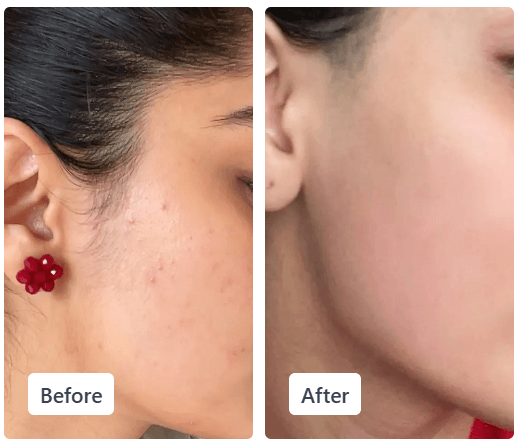
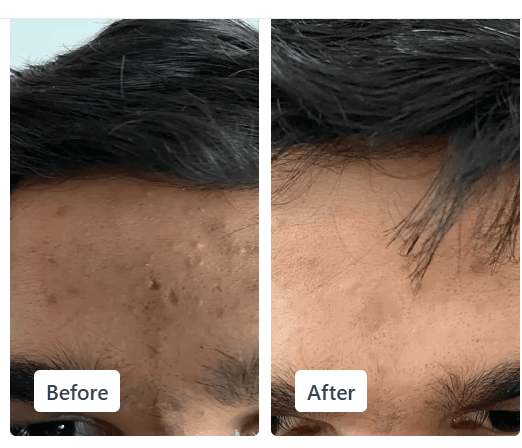
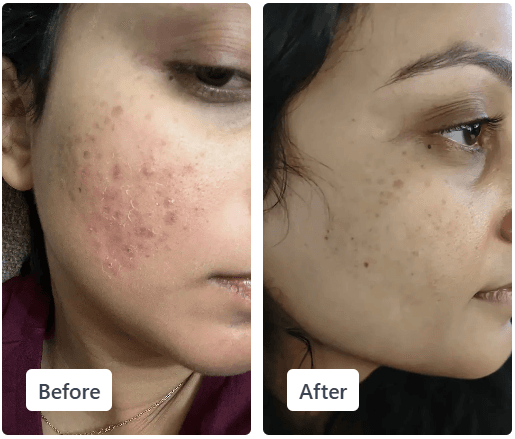
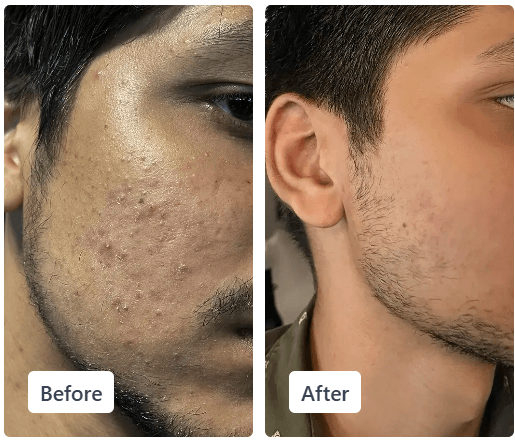
See real results, then start your own
Take the free Clear Ritual Skin Test and get a personalized routine built for your skin's unique patterns.
Understanding Regular Acne: Surface-Level Breakouts
Regular acne, also called non-inflammatory or mild-to-moderate acne, primarily affects the upper layers of your skin. This type manifests in several recognizable forms that most people experience at some point.
Blackheads form when a pore stays open at the surface but contains a plug of oil and dead cells. The dark appearance comes from oxidation [not dirt] when the trapped material reacts with air. Whiteheads develop when the pore closes over the blockage, creating a small white or flesh-colored bump. These comedones rarely cause pain because inflammation remains minimal.
Papules are small red bumps that indicate mild inflammation has begun. Pustules look similar but contain visible pus at their center, the yellowish-white material consists of dead white blood cells that fought the bacterial invasion. These surface-level breakouts typically heal within days to two weeks without causing deep tissue damage.
The inflammation in regular acne stays contained to the follicle and immediate surrounding tissue. Your skin's repair mechanisms can usually resolve these breakouts without significant intervention, though proper care accelerates healing and prevents worsening.
What Defines Cystic Acne: Deep Inflammatory Lesions
Cystic acne represents the most severe form of acne vulgaris. Unlike surface breakouts, cystic lesions develop deep within the dermis [the skin's second major layer]. These painful nodules form when the follicle wall ruptures deep below the surface, spilling bacteria, oil, and cellular debris into surrounding tissue.
Your immune system perceives this rupture as a serious threat and launches an aggressive inflammatory response. The area swells with fluid, white blood cells, and inflammatory compounds. What you feel as a large, painful lump under your skin is actually a walled-off pocket where your body attempts to contain and neutralize the perceived infection.
Cystic lesions feel firm or boggy to touch and lack the visible "head" that characterizes pustules. They appear as red or purple swellings that can reach significant size [sometimes larger than a centimeter across]. The pain often throbs because nerve endings in the dermis become compressed by swelling and inflammatory chemicals.
These deep breakouts persist for weeks or even months. The prolonged inflammation damages collagen fibers and other structural proteins in the dermis. When the lesion eventually heals, it frequently leaves behind depressed scars, raised keloids, or areas of hyperpigmentation that can last years.
See real results, then start your own
Take the free Clear Ritual Skin Test and get a personalized routine built for your skin's unique patterns.
Key Differences at a Glance
| Feature | Regular Acne | Cystic Acne |
|---|---|---|
| Depth | Surface to mid-follicle | Deep dermis |
| Pain level | Minimal to mild | Moderate to severe |
| Appearance | Visible head, defined borders | No surface opening, diffuse swelling |
| Healing time | 3 to 7 days | Weeks to months |
| Scarring risk | Low | High |
| Touch sensation | Slightly raised | Deep, firm, tender lump |
Why Some People Develop Cystic Acne While Others Don't
Genetics plays the primary role in determining acne severity. If your biological parents experienced cystic acne, your risk increases substantially because you likely inherited similar sebaceous gland activity, immune response patterns, and hormonal sensitivity.
Androgen hormones [particularly testosterone and its derivatives] stimulate sebaceous glands to enlarge and produce more sebum. Women with polycystic ovary syndrome often struggle with cystic acne because this condition elevates androgen levels. Hormonal fluctuations during menstrual cycles explain why many women notice deep breakouts appearing in the same areas monthly, typically along the jawline and chin.
Stress hormones, especially cortisol, amplify sebum production and trigger inflammatory pathways throughout your body. Chronic stress doesn't directly cause cystic acne but significantly worsens it in predisposed individuals. Sleep deprivation compounds this effect by disrupting hormone regulation and impairing your skin's natural repair processes.
Certain dietary patterns may influence severity, though responses vary individually. High-glycemic foods cause rapid blood sugar spikes that trigger insulin release, which in turn can stimulate androgen production. Some people notice worsening breakouts after consuming dairy products, possibly because milk contains hormones and bioactive molecules that may influence human hormone systems.
The skin's microbiome composition also matters. Beyond C. acnes bacteria, the balance of various microbial species on your skin influences inflammation levels. Disrupting this ecosystem through harsh cleansers, excessive washing, or antibacterial products sometimes paradoxically worsens acne by allowing more aggressive bacterial strains to dominate.
Recognizing When Your Acne Requires Professional Care
Several signs indicate your breakouts have progressed beyond what over-the-counter approaches can manage effectively. Painful nodules that you can feel before you can see them signal deep inflammation that risks permanent scarring. If you develop more than a few of these deep lesions, or if they appear repeatedly in the same locations, professional evaluation becomes essential.
Acne that fails to improve after six to eight weeks of consistent home care suggests you need stronger intervention. Continuing with ineffective treatments only extends the inflammatory period, increasing scarring likelihood. Breakouts that worsen despite your efforts may indicate you're using products that irritate your particular skin type or that internal factors require medical attention.
Any acne that leaves dark marks or textural changes after healing deserves professional guidance before more permanent damage accumulates. Post-inflammatory hyperpigmentation and early scarring respond better to treatment when addressed quickly rather than waiting until extensive scarring has formed.
Psychological impact matters too. If your skin condition significantly affects your confidence, social interactions, or emotional wellbeing, seeking help demonstrates healthy self-care rather than vanity. Skin health connects directly to quality of life, and you deserve support in managing conditions that affect how you feel about yourself.
What Dermatologists Can Offer That Home Care Cannot
Dermatology professionals have access to prescription-strength treatments that work through mechanisms unavailable in over-the-counter products. Topical retinoids at prescription concentrations increase skin cell turnover rates significantly, preventing pore blockages more effectively than lower-strength alternatives. They also reduce inflammation and help reverse early signs of scarring.
For moderate to severe cases, oral medications may become necessary. Certain antibiotics reduce C. acnes populations and possess anti-inflammatory properties beyond their antimicrobial effects. Hormonal therapies can address the androgen sensitivity driving oil production in appropriate candidates. Isotretinoin represents the most powerful option for severe, scarring acne [it actually shrinks sebaceous glands and can produce long-term remission].
In-office procedures offer additional benefits. Corticosteroid injections directly into cystic lesions rapidly reduce inflammation and pain, often flattening a large nodule within 24 to 48 hours while preventing scar formation. Chemical peels and laser treatments address both active acne and the textural changes or discoloration left behind.
Professional guidance also prevents the trial-and-error approach that often makes acne worse. A dermatologist assesses your specific acne type, severity, and contributing factors to create a targeted treatment plan. They monitor your progress and adjust therapies based on how your skin responds, something impossible to achieve alone.
Supporting Your Skin While Managing Breakouts
Regardless of acne severity, certain foundational practices support your skin's natural healing capacity without causing additional irritation. Gentle cleansing twice daily removes excess oil and environmental debris without stripping your skin's protective lipid barrier. When you over-cleanse or use harsh scrubs, you trigger increased transepidermal water loss, prompting your sebaceous glands to compensate by producing even more oil.
Avoid physical manipulation of deep lesions. Squeezing or picking at cystic acne forces inflammatory material deeper into tissue and spreads bacteria to surrounding areas. This trauma significantly increases scarring risk and prolongs healing time. The temporary satisfaction of extracting material causes lasting damage that far outweighs any short-term benefit.
Friction from masks, helmets, or frequently touching your face introduces bacteria and causes mechanical irritation that triggers inflammation. If your occupation or activities require wearing equipment against your skin, cleanse promptly afterward and ensure items are cleaned regularly.
Moisturizing might seem counterintuitive for oily, acne-prone skin, but maintaining hydration actually helps. When your skin becomes dehydrated, it produces more oil to compensate while simultaneously becoming more sensitive to irritation. Choose non-comedogenic formulations that hydrate without clogging pores.
Sun protection remains essential because UV exposure worsens post-inflammatory hyperpigmentation and some acne medications increase photosensitivity. Mineral sunscreens containing zinc oxide or titanium dioxide provide broad-spectrum protection without the pore-clogging concerns associated with some chemical filters.
The Emotional Reality of Living With Severe Acne
Cystic acne affects more than physical health. The visible nature of facial breakouts and the pain of deep lesions impact daily life in ways that people with clear skin often fail to understand. Feeling self-conscious during social interactions or avoiding situations where your skin will be closely observed represents a natural response to a visible condition in an appearance-focused society.
These feelings don't indicate vanity or superficiality. Your face serves as your primary means of non-verbal communication and significantly influences how others perceive and interact with you. Research consistently shows that skin conditions affecting appearance can impact mental health, self-esteem, and social functioning as significantly as many chronic medical conditions.
Acknowledging this emotional component as legitimate and important helps you advocate for appropriate care. Effective acne management should address both the physical lesions and the psychological burden they create. Mental health support alongside dermatological treatment sometimes becomes necessary when anxiety or depression develops related to your skin condition.
Common Misconceptions About Acne Severity
Several persistent myths surround acne, particularly severe forms, that can delay appropriate treatment or worsen the condition. Understanding these misconceptions helps you make informed decisions.
The belief that acne results from poor hygiene causes many people to over-cleanse, which actually aggravates the condition by disrupting the skin barrier and triggering compensatory oil production. While keeping skin clean matters, acne develops from internal factors [hormones, genetics, and inflammation] that washing cannot resolve.
Some assume that cystic acne will resolve on its own with time and patience. While individual lesions eventually heal, the condition typically persists without treatment and causes progressive scarring. Early intervention prevents permanent damage rather than simply speeding cosmetic improvement.
The idea that certain foods "cause" acne oversimplifies a complex relationship. Dietary factors may influence acne severity in some individuals, but they rarely serve as the sole cause. Eliminating entire food groups without professional guidance risks nutritional deficiencies without guaranteed skin benefits.
Tanning beds and excessive sun exposure don't improve acne despite temporary appearance of improvement. UV radiation thickens the outer skin layer, initially making pores appear smaller, but this thickening soon leads to more blockages. The inflammation and free radical damage from UV exposure ultimately worsens acne and creates additional skin health concerns.
Prevention Strategies for Those Prone to Severe Breakouts
If you're genetically predisposed to cystic acne, you cannot prevent it entirely, but certain approaches reduce frequency and severity of flares. Identifying your personal triggers through careful observation helps you minimize exposure to factors that worsen your specific condition.
Stress management techniques such as adequate sleep, regular physical activity, and mindfulness practices help regulate cortisol levels that influence oil production and inflammation. These lifestyle factors won't cure acne but often reduce severity as part of comprehensive management.
Maintaining consistent skincare routines rather than constantly switching products allows you to accurately assess what helps versus harms your skin. Introducing multiple new products simultaneously makes it impossible to identify which might be triggering reactions.
For women whose breakouts follow menstrual cycle patterns, timing professional treatments or adjusting skincare intensity around predictable flare periods sometimes helps minimize severity. Tracking these patterns provides valuable information for healthcare providers developing treatment strategies.
Avoiding pore-clogging cosmetics and hair products reduces one controllable factor. Products labeled non-comedogenic have been formulated to minimize pore blockage, though individual reactions vary. Heavy, oil-based formulations near the hairline often contribute to forehead and temple breakouts.
How Clear Ritual Supports Personalized Skincare Decisions
Clear Ritual understands that cystic acne is more than a surface issue. It is shaped by genetics, skin renewal cycles, environmental factors, and the products you use.
Because cystic acne forms when hormonal fluctuations, genetic predisposition, inflammatory responses, microbiome imbalances, and individual immune reactivity interact, generic solutions rarely bring lasting improvement. Clear Ritual combines Ayurveda, modern dermatology, and advanced skin science to understand your individual triggers through a structured skin assessment, addressing the underlying causes of cystic acne rather than just its surface symptoms.
The Clear Ritual Skin Test analyses your skin's unique patterns and daily influences to help identify the best routine for supporting healthy skin and reducing cystic acne recurrence.
See real results, then start your own
Take the free Clear Ritual Skin Test and get a personalized routine built for your skin's unique patterns.
Editorial Standards
Clear Ritual has Strict sourcing guidelines to ensure our content is accurate and current. We rely on peer-reviewed studies, academic research institutions, and medical associations. We strive to use primary sources and refrain from using tertiary references. See a mistake? Learn More about our Editorial Standards.
Related Articles
Fungal acne vs bacterial acne: how to identify and treat correctly
Published 17 July 2026
Acne Mechanica: How Friction from Helmets, Masks & Tight Clothing Causes Breakouts
Published 17 July 2026
Acne Conglobata: Symptoms, Causes, Triggers and Advanced Treatment Approaches
Published 17 July 2026
Hormonal Acne vs Regular Acne: Differences in Causes and Pattern
Published 17 July 2026