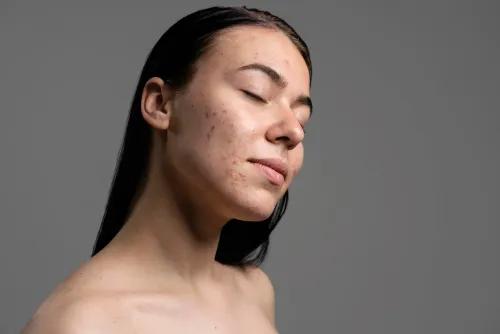
Acne Vulgaris: Definition, Causes, and Treatment Options
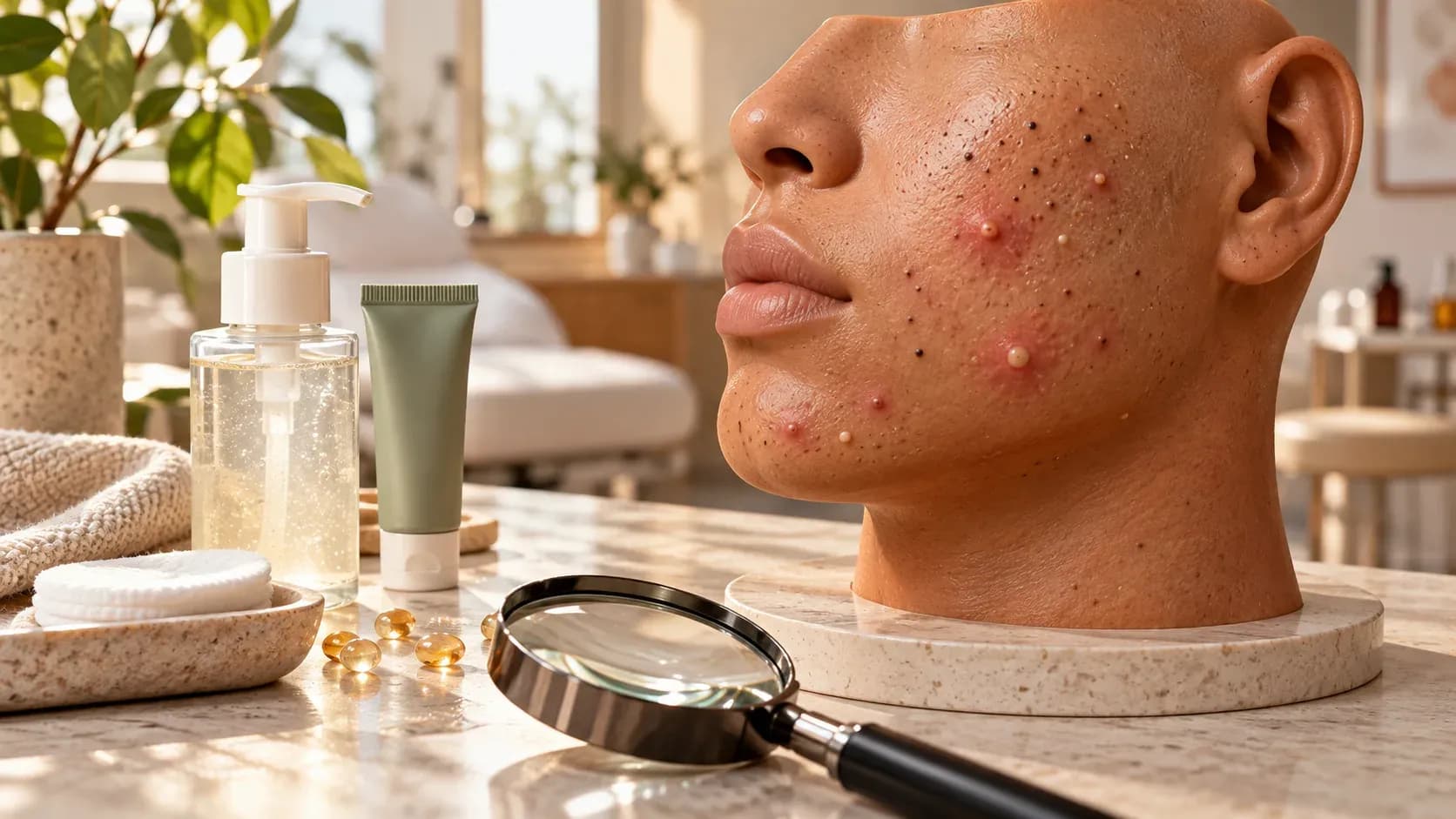
Quick Answer
Acne vulgaris is a chronic skin condition that develops due to clogged hair follicles, excess oil production, bacteria, and inflammation, and leads to blackheads, whiteheads, pimples, cysts, and nodules.
The treatment options for acne depend on the severity of the condition and can include over-the-counter products with salicylic acid, benzoyl peroxide, or retinoids, or prescription medicines. Clinical procedures may also be suggested for severe breakouts.
What Is Acne Vulgaris?
Acne vulgaris is the medical term for acne, which is an inflammatory skin condition that can cause different types of breakouts on the skin, including whiteheads, blackheads, and pus-filled cysts.
The condition develops when a hair follicle becomes blocked by sebum (oil), dead skin cells, and other debris. Acne vulgaris often begins during adolescence but can persist into adulthood, with the severity and appearance of breakouts varying from person to person.
What Causes Acne Vulgaris?
Acne vulgaris develops when your hair follicles get clogged with excess sebum, bacteria, and dead skin cells.
Understanding how these factors interact in your skin helps explain why breakouts form and how targeted treatments work:
- Excess sebum production: When sebaceous glands produce more oil than the skin needs, the excess sebum can collect inside the hair follicles and contribute to clogged pores.
- Bacterial growth: Cutibacterium acnes, the bacteria that are always present on the skin, can multiply inside blocked follicles and contribute to the inflammation associated with acne.
- A build-up of dead skin cells: Skin cells that do not shed properly can accumulate inside the follicles, adding to the blockage and making breakouts more likely.
These underlying processes explain how acne develops, but several other factors can make breakouts more likely or cause existing acne to worsen.
What Factors Can Trigger Acne Vulgaris?
Various factors can trigger breakouts of acne vulgaris, including hormonal changes, dietary choices, stress, certain cosmetic and skincare products, friction, and some medications.
Each of these factors triggers acne breakouts in different ways. Some increase sebum production, while some block the pores externally.
- Hormonal changes
Androgens, including testosterone, can stimulate the sebaceous glands and increase sebum production, which, in excess, contributes to acne. Hormonal shifts during puberty, menstruation, or after childbirth may therefore trigger breakouts.
- Dietary choices
Research shows that foods with a high glycemic index may worsen acne for some people. However, specific dietary triggers can vary from person to person.
- Stress
While stress cannot directly trigger acne, it can make breakouts worse, since it can cause hormonal changes that increase sebum production and aggravate inflammation in the skin.
- Pore-clogging cosmetics and skincare products
Oily or comedogenic (pore-clogging) skincare products and cosmetics can contribute to blocked follicles and make breakouts more likely.
- Medications
Certain medicines, including steroids and lithium, may trigger or worsen acne in some people.
- Friction
Repeated pressure or friction from things such as tight clothing, backpack straps, helmet straps, or sports equipment can irritate the skin and contribute to breakouts.
- Trapped sweat
Sweat that remains against the skin due to tight clothing can create conditions that may aggravate acne vulgaris.
Can Acne Vulgaris Be Genetic?
Yes. Research suggests that having a family history of acne can increase your chances of experiencing it.
What Are the Types of Acne Vulgaris?
Acne vulgaris lesions are classified into four types, which are comedonal acne, inflammatory acne, nodulocystic acne, and hormonal acne.
They are classified based on their appearance, the cause and severity of inflammation, and the extent of clogging.
- Comedonal acne (clogged pores)
Comedonal acne is the non-inflammatory form of acne and mainly involves blocked hair follicles.
When the opening of the clogged follicle remains exposed, the buildup appears as a blackhead. When the opening is covered by a thin layer of skin, it forms a whitehead.
- Inflammatory acne (pimples)
This form of acne vulgaris develops when blocked follicles become inflamed. It mainly appears as papules or pustules.
- Papules: These are small, raised bumps that may appear red or brown.
- Pustules: These breakouts contain pus and typically have a pale or white centre surrounded by inflamed skin.
- Nodulocystic acne
Nodulocystic acne refers to severe breakouts that develop deeper within the skin. They can develop in multiple areas apart from the face, such as the chest, back, and buttocks. Nodules and cysts can be painful and may leave scars.
While hormones can influence all forms of acne, hormonal acne is more closely associated with changes in hormone levels.
Breakouts therefore may become more noticeable during phases of hormonal fluctuations, such as pregnancy, around the menstrual cycle, or during perimenopause and menopause.
What Is Fungal Acne?
Often referred to as pityrosporum folliculitis, fungal acne develops due to an overgrowth of Malassezia, a type of yeast that lives on the skin. When the yeast grows excessively and affects the hair follicles, it can cause inflamed bumps.
However, despite its name, fungal acne is not actually acne or a type of it. It is a form of folliculitis (inflammation of the hair follicles) that can look similar to acne, with small, inflamed bumps appearing on the skin.
What Are the Symptoms of Acne Vulgaris?
The symptoms of acne vulgaris can range from a few clogged pores to numerous inflamed or painful lesions. The type of breakout can also change over time, so it is possible to experience several different acne lesions at once.
Based on the extent and severity of inflammation, you may notice the following symptoms of acne vulgaris:
- Pimples: Small raised bumps that may appear red and inflamed and can sometimes contain pus.
- Blackheads: Small dark spots that develop when oil and dead skin cells collect inside an open hair follicle.
- Whiteheads: Closed, clogged pores that remain covered by a thin layer of skin, giving them a flesh-coloured or white appearance.
- Cysts: Large, deep, pus-filled lesions that can be painful and may leave scars as they heal.
- Small red bumps (papules): Inflamed bumps that are usually tender and do not have visible pus.
- Nodules: Firm, deep lumps beneath the skin that can be painful and often take longer to heal.
What Are Acne Vulgaris Grades?
Acne vulgaris can be classified into four grades based on the type and severity of the lesions present. Identifying the grade of acne can help in getting an indication of when professional treatment may be useful.
This grading system also helps describe whether the acne is mainly limited to clogged pores or involves increasingly severe inflammatory and nodulocystic lesions:
- Grade 1 (mild acne vulgaris): The breakouts are usually limited to blackheads and whiteheads, with only a small number of papules or pustules.
- Grade 2 (moderate or pustular acne): Breakouts include multiple papules and pustules, with the face often being the most affected area.
- Grade 3 (moderately severe or nodulocystic acne): Several papules and pustules may develop alongside a few inflamed nodules. Breakouts can also extend to the chest and back.
- Grade 4 (severe nodulocystic acne): Large and painful pustules and nodules develop, with a greater risk of lasting skin changes and scarring.
When Should You Consult a Dermatologist for Acne Vulgaris?
Consider consulting a dermatologist if the acne vulgaris breakouts are too painful or have affected a lot of areas of your body. Also seek medical attention if the acne worsens or does not improve despite treatment approaches.
You must also consult a dermatologist if the acne breakout is affecting your confidence and daily life.
What Are the Treatment Options for Acne Vulgaris?
Acne treatment depends on the type and severity of your breakouts. Mild acne vulgaris may improve with non-prescription topical products containing retinoids, salicylic acid, or benzoyl peroxide. Persistent or more severe acne may require prescription medicines or clinical procedures.
Non-Prescription Topicals
Non-prescription acne products can be useful for mild to moderate breakouts, particularly when they contain ingredients that address clogged pores, excess oil, bacterial activity, or inflammation.
When choosing an acne product, look for the following active ingredients rather than simply choosing the product with the longest list of claims:
| Ingredient to Look for | How it Helps Reduce Acne |
|---|---|
| Salicylic acid | Clears clogged pores and controls excess sebum |
| Benzoyl peroxide | Reduces acne-causing bacteria |
| Retinoid (adapalene) | Regulates skin cell turnover and prevents clogged pores |
Introduce new active ingredients gradually rather than starting with several strong ingredients at once.
Patch test new products before applying them more widely, particularly if your skin is sensitive. If you develop significant dryness, burning, irritation, or worsening breakouts, stop and consult a dermatologist.
Prescription Topicals
Prescription topical treatments may be considered when non-prescription products do not provide enough improvement. Your dermatologist can choose an option based on the type of acne you have and the way your skin responds to treatment.
Common prescription topical options that dermatologists may prescribe for acne vulgaris include the following:
- Topical antibiotics (to be used with benzoyl peroxide)
- Benzoyl peroxide
- Topical retinoids
- Dapsone (a gel with antibacterial properties)
- Azelaic acid (reduces bacteria on the skin)
Cautionary note: Prescription acne treatments should be used according to your dermatologist’s instructions. Do not start, stop, or change the dose or frequency of a prescription treatment without discussing it with your healthcare professional.
Prescription Oral Medicines
Oral medicines may be considered when acne is moderate to severe, widespread, persistent, or not responding adequately to topical treatment.
Since these medicines work throughout the body, your dermatologist will need to consider your individual health and treatment needs before prescribing them.
- Antibiotics: Medicines such as tetracycline, minocycline, and doxycycline may be used to reduce C. acnes.
- Isotretinoin: An oral retinoid that can be prescribed to reduce sebum production.
- Oral contraceptives: These oral medications are only prescribed to women. They may be suggested to curb the activity of androgens.
Cautionary note: Oral medicines for acne vulgaris can cause side effects and may not be suitable for everyone. Take them only under the supervision of a qualified healthcare professional. Do not start, stop, or change your medication or dosage without medical guidance.
Clinical Procedures
In some cases, you may also be recommended clinical procedures alongside medical acne treatment. Depending on your skin and the type of acne you have, a dermatologist may suggest options such as chemical peels, LED light therapy, laser treatments, or comedone extraction.
Can You Treat Acne Vulgaris at Home?
Some home remedies may help soothe the skin or temporarily reduce oiliness, but they cannot address every factor involved in acne.
They should therefore be viewed as supportive measures rather than replacements for established acne treatments, particularly when breakouts are persistent or severe.
A few popular home remedies and treatments that you can try for acne vulgaris include the following:
- Aloe vera gel application
Aloe vera is commonly used to soothe irritated skin, and its cooling feel may make it more comfortable when a breakout feels inflamed.
If you want to try aloe vera:
- Take a small amount of fresh aloe vera gel.
- Apply a thin layer directly to the affected area.
- Leave it on for around 15–20 minutes.
- Rinse it off gently with water.
- Multani mitti (Fuller’s earth)
Multani mitti, also known as Fuller’s earth, is a clay that can absorb excess oil and remove surface impurities. It may be particularly appealing for oily skin, but frequent use can leave the skin dry.
To use it as a simple mask:
- Take around two tablespoons of Multani mitti.
- Add rose water till it creates a smooth, spreadable paste.
- Apply an even layer to the face.
- Let it dry.
- Rinse it off with cool water.
- Turmeric paste
Turmeric is traditionally used for acne vulgaris because of its anti-inflammatory and antibacterial properties.
To try this remedy:
- Mix a pinch of turmeric powder with water.
- Apply a small amount of this paste directly to the breakouts.
- Leave it on for around 10-15 minutes.
- Wash it off gently with water.
Disclaimer: Natural ingredients can still irritate or dry out your skin. Patch test each remedy before applying it more widely, and do not use several remedies within a short period. These remedies should not replace medical treatment for persistent, severe, painful, or scarring acne. If your acne is not improving, consult a dermatologist.
Clear Ritual’s Perspective on Acne Vulgaris
Acne vulgaris can have multiple causes, which can vary from person to person. So the same remedy or treatment that works for some may not necessarily work for you.
At Clear Ritual, we believe that to address skin concerns such as acne vulgaris, it is important to find the root cause. At the same time, it is also essential to learn about your skin type, so it becomes easier for you to find a treatment that best suits your needs.
Understand Your Acne Pattern
Take the Clear Ritual Skin Test to learn about your skin type and identify factors that may be contributing to your acne.
Take the Free Skin Test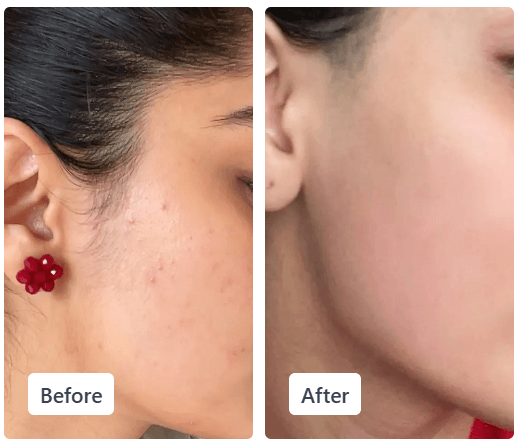
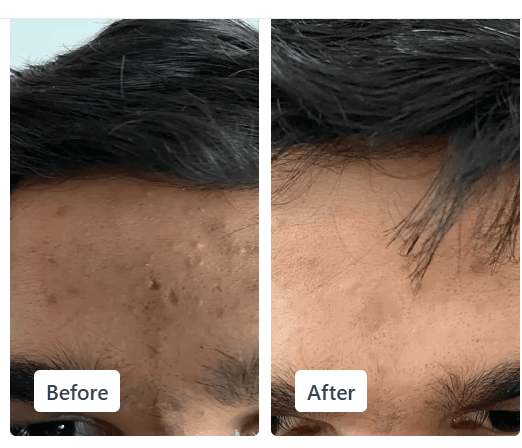
Frequently Asked Questions
What is the best treatment for acne vulgaris?
The right treatment for acne vulgaris depends on the type and severity of your breakouts, and can range from over-the-counter products (with salicylic acid, benzoyl peroxide, or adapalene) to prescription topical ingredients and oral medicines, such as antibiotics and oral retinoids.
What is grade 4 acne?
Grade 4 acne refers to severe nodulocystic acne, which involves numerous large, painful, inflamed pustules and nodules, and has a higher risk of causing lasting scars. This type of acne may require professional treatment rather than relying on over-the-counter products alone.
Which cream is best for acne vulgaris?
There is no single cream that is best for every type of acne; however, over-the-counter products with ingredients such as benzoyl peroxide, salicylic acid, adapalene, azelaic acid, and prescription retinoids may help, depending on the type and severity of your breakouts.
Is acne vulgaris serious?
Acne vulgaris is usually not considered a serious medical condition, but severe acne can cause lasting skin changes and affect emotional well-being. Persistent or severe acne is therefore worth discussing with a dermatologist.
Can salicylic acid treat acne vulgaris?
Salicylic acid can help manage mild to moderate acne vulgaris, particularly blackheads and whiteheads, but may not treat all types of acne. It is a beta-hydroxy acid (BHA) that helps loosen oil and dead skin cell buildup inside clogged pores, making it easier for the pores to clear.
References
Zhang, H., & Zhang, Z. (2023). Genetic Variants Associated with Acne Vulgaris. International Journal of General Medicine, 16, 3843–3856. DOI: 10.2147/IJGM.S421835. https://pmc.ncbi.nlm.nih.gov/articles/PMC10473401/
Meixiong, J., Ricco, C., Vasavda, C., & Ho, B. K. (2022). Diet and acne: A systematic review. JAAD International, 7, 95–112. DOI: 10.1016/j.jdin.2022.02.012. https://pmc.ncbi.nlm.nih.gov/articles/PMC8971946/
DermNet. (2014). What Causes Acne? DermNet.
https://dermnetnz.org/topics/what-causes-acne
Bhate, K., & Williams, H. C. (2013). Epidemiology of acne vulgaris. British Journal of Dermatology, 168(3), 474–485. DOI: 10.1111/bjd.12149. https://pubmed.ncbi.nlm.nih.gov/23210645/
Mayo Clinic Staff. (2024). Acne: Symptoms and causes. Mayo Clinic. https://www.mayoclinic.org/diseases-conditions/acne/symptoms-causes/syc-20368047
Mayo Clinic Staff. (2024). Acne: Diagnosis and treatment. Mayo Clinic. https://www.mayoclinic.org/diseases-conditions/acne/diagnosis-treatment/drc-20368048
American Academy of Dermatology Association. (2024). Acne: Diagnosis and treatment. American Academy of Dermatology. https://www.aad.org/public/diseases/acne/derm-treat/treat
Cleveland Clinic. (2023). Acne: Types, Causes, Treatment & Prevention. Cleveland Clinic. https://my.clevelandclinic.org/health/diseases/12233-acne
DermNet. (2014). Acne Vulgaris. DermNet.https://dermnetnz.org/topics/acne-vulgaris
Editorial Standards
Clear Ritual has Strict sourcing guidelines to ensure our content is accurate and current. We rely on peer-reviewed studies, academic research institutions, and medical associations. We strive to use primary sources and refrain from using tertiary references. See a mistake? Learn More about our Editorial Standards.
Related Articles
Complete Guide to Managing Chronic Pimples
Published 16 July 2026
The Complete Guide to Acne Treatments: Medical, Natural, and In-Clinic Solutions
Published 16 July 2026
What Are Pimples? Symptoms, Types, Causes, and Treatments
Published 16 July 2026
Acne: Types, Causes, Treatments and Prevention
Published 16 July 2026