Cystic Acne Explained: Why Deep, Painful Breakouts Form and How to Treat Them
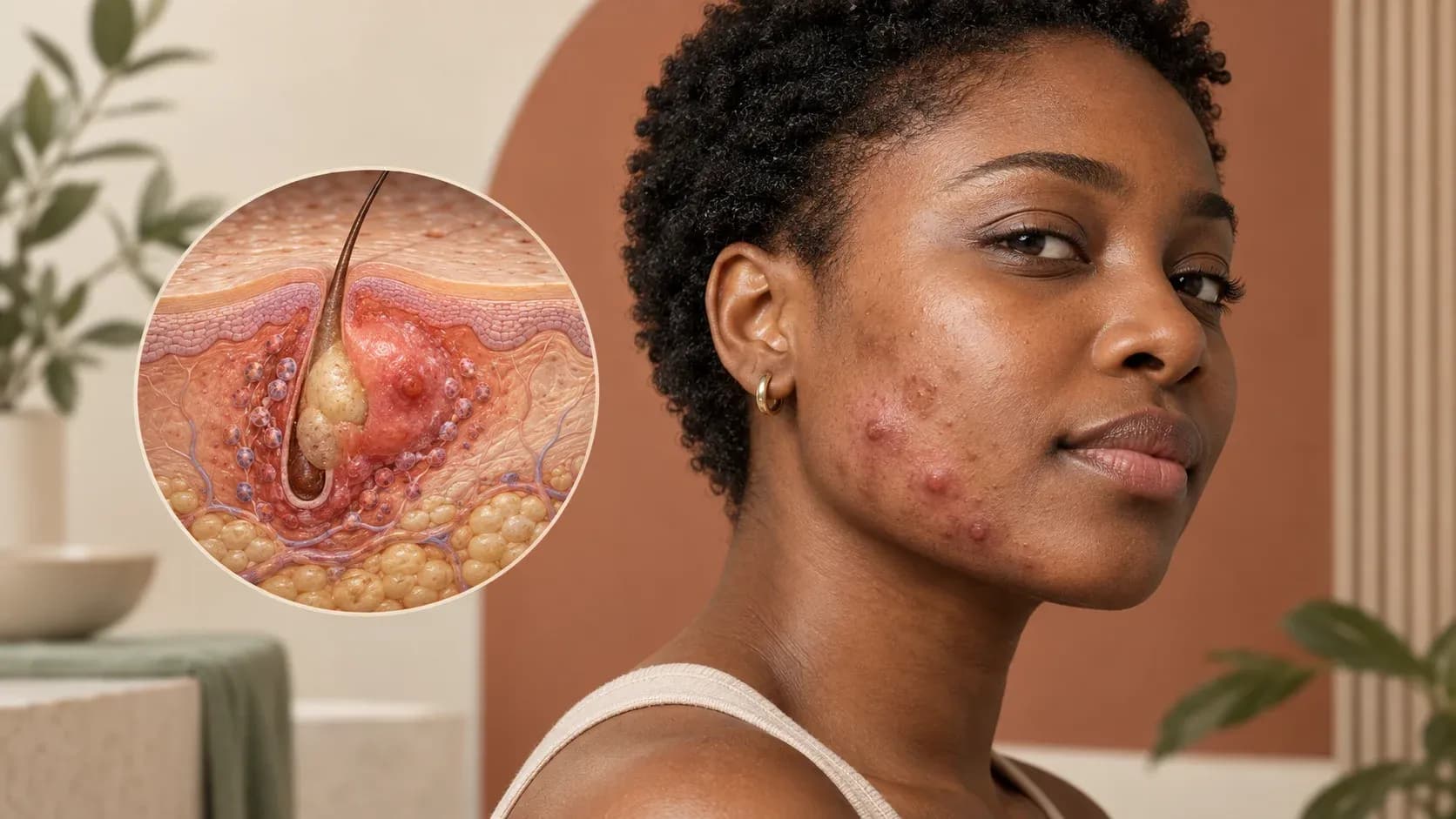
Quick Answer: Cystic acne causes deep, painful, pus-filled lesions beneath the skin and carries a higher risk of lasting marks or scars. It commonly affects the face, back, chest, shoulders, neck, upper arms, and buttocks. Because it develops deep in the skin, treatment often requires dermatologist-prescribed medicines rather than over-the-counter products alone.
What Is Cystic Acne?
Cystic acne is when you develop painful acne breakouts filled with pus under your skin. You may see them as large, tender lumps beneath your skin.
Acne forms when a hair follicle becomes blocked with excess sebum (oil), dead skin cells, and other debris. A strain of bacteria, called Cutibacterium acnes, can also become involved in the process, contributing to inflammation.
With cystic acne, this inflammatory response occurs deeper within the skin. This can cause a large, swollen lesion that may feel soft or tender and sometimes contains pus.
Because these breakouts develop deep within the skin, they can take longer to settle and are more likely to leave behind dark marks or permanent acne scars. Recognising the early cystic acne symptoms can help you seek suitable care sooner.
What Are the Causes of Cystic Acne?
Cystic acne develops when excess sebum, dead skin cells, and bacteria become trapped inside clogged hair follicles. When this blockage triggers a deeper inflammatory response, the surrounding skin can become swollen, red, and painful, forming a cyst beneath the surface.
Your sebaceous glands produce sebum, an oily substance that helps protect and lubricate your skin and hair follicles. In healthy amounts, sebum is useful. But when the glands produce too much of it, it can combine with dead skin cells and block the follicle.
The blockage creates an environment where the bacteria Cutibacterium acnes (formerly known as P. acnes) can multiply and cause inflammation.
When the inflammatory response extends deeper into the dermis (the middle layer of the skin), the result can be a large, swollen lesion filled with pus, which is an acne cyst.
Cystic acne can affect anyone, but it is more common among people with oily skin and during the teenage years.
There are several factors and triggers that can contribute to cystic acne, including the following:
Genetics As per research, genetics can play a role in the development of acne, including cystic acne. This means that if you have a family history of acne, it increases your chances of being acne-prone as well.
Age Cystic acne is particularly common during the teenage years, when hormonal changes can make the sebaceous glands more active and increase sebum production.
Hormonal activity Androgens can stimulate the sebaceous glands and increase oil production, which can then lead to acne. So, apart from puberty, phases such as the menstrual cycle and menopause, which cause hormonal levels to fluctuate in women, can also trigger cystic acne. Understanding the hormonal causes of cystic acne can clarify why some breakouts follow a recurring pattern.
Stress is another factor that can influence hormonal activity, trigger inflammation, and worsen cystic acne breakouts in some people.
- Diet Research suggests that diets with a high glycemic load may be associated with acne. However, diet is only one potential factor and does not explain cystic acne in everyone.
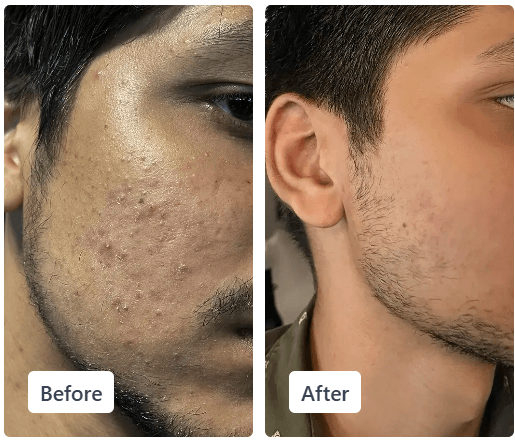
What Does Cystic Acne Look Like?
Cystic acne usually appears as large, swollen lesions that develop beneath the skin. These lesions are generally painful and tender to the touch.
You can identify cystic acne through the following symptoms that set it apart from other acne breakouts:
Large, pus-filled cysts
Swollen or raised bumps
Redness around the affected area
Tenderness or pain
Soft or fluid-filled lesions beneath the skin
However, do note that not every deep or painful bump is necessarily cystic acne. Conditions such as folliculitis can sometimes look similar. For a definite diagnosis and appropriate evaluation, consult a dermatologist.
Cystic Acne and Nodular Acne: What Is the Difference?
Cystic and nodular acne are both forms of severe inflammatory acne, and they can look quite similar. The main difference is the type of lesion that forms beneath the skin. A detailed guide to nodular versus cystic acne explains their texture, contents, and treatment considerations.
| Feature | Cystic Acne | Nodular Acne |
|---|---|---|
| Lesion texture | Usually softer or fluid-filled | Usually firm and hard |
| Pus or fluid | May contain pus or fluid | Generally does not contain visible fluid |
| How it feels | Tender, swollen, and painful | Feels like a hard knot beneath the skin |
| Visible head | May sometimes appear pus-filled | Usually does not develop a typical white head |
| Scarring risk | Can leave acne scars | Can leave acne scars |
| Can occur together | Yes, cysts and nodules can occur at the same time | Yes, cysts and nodules can occur at the same time |
Where Can Cystic Acne Develop?
Cystic acne usually appears on the face, since it has a lot of sebaceous glands; however, it can develop in multiple areas of the body, including the back, chest, and shoulders.
Because sebaceous glands are distributed unevenly across the body, deep cystic lesions tend to cluster in skin zones with higher oil production, such as:
Face
Back
Chest
Neck
Shoulders
Upper arms
Buttocks
What Are the Healing Stages of Cystic Acne?
The development and healing process of cystic acne goes through several stages, starting from the breakout to inflammation, drainage, skin repair, and possible scars or marks. Cystic acne can also take longer to heal because the inflammation develops deep within the skin.
The signs and symptoms you may notice during the entire development and healing cycle of cystic acne differ from stage to stage.
Stage 1: Breakout: Cystic acne usually begins as a deep, painful lump beneath the skin. The area may become increasingly swollen as inflammation develops.
Stage 2: Inflammation: The cyst may become more red, swollen, and tender as inflammation increases.
Pus can also build up inside the lesion. But ensure you avoid squeezing or picking at it, as this can further irritate the skin and increase the risk of marks or scarring.
- Stage 3: Pus drainage or absorption: As the cyst starts to resolve, the pus may drain naturally, or your body may gradually reabsorb it.
Do not try to force the cyst open, since that can interfere with healing and may leave post-acne marks.
Stage 4: Healing: As inflammation settles, redness and swelling begin to decrease. The skin then starts repairing the affected tissue, and the area may gradually feel smoother.
Stage 5: Post-inflammatory hyperpigmentation: Even after the cyst has healed, dark spots called post-inflammatory hyperpigmentation (PIH) may remain. Learn more about post-inflammatory hyperpigmentation after acne.
These marks can gradually fade with time, although more severe cystic acne may also leave scars.
The exact healing time can vary depending on the severity of the cyst and how your skin responds to treatment. For persistent or severe cystic acne, consult a dermatologist, especially if it is leaving marks or scars.
Understand Your Breakout Pattern
Assess your acne pattern, oiliness, sensitivity, marks, and skin barrier to find a more suitable starting routine.
Take the Free Skin Test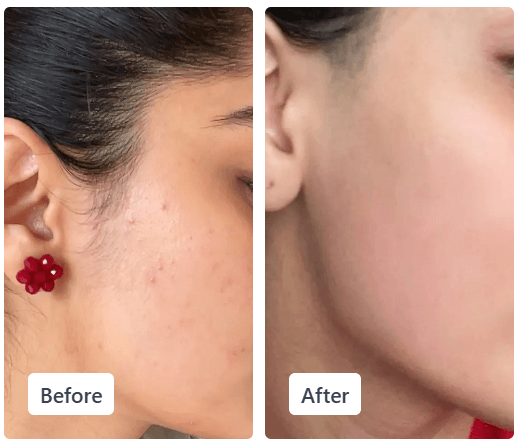
How Can You Treat Cystic Acne?
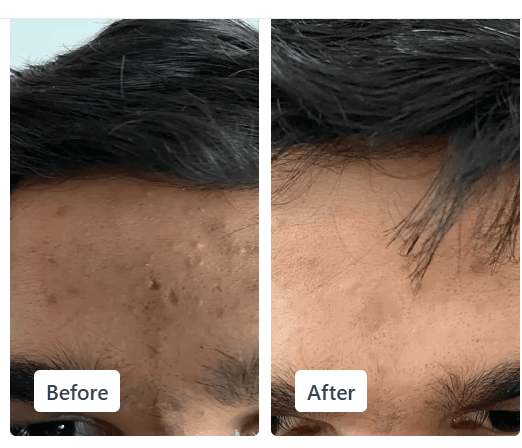
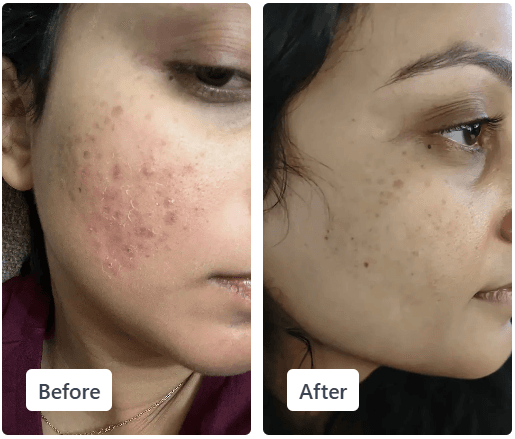
Cystic acne is usually too severe to manage effectively with over-the-counter products alone. This is because these lesions develop deep within the skin and carry a higher risk of scarring.
To properly treat cystic acne, you may need prescription medications from a dermatologist. These can include oral medicines such as isotretinoin (oral retinoid) and antibiotics, and topical retinoids.
Medications for Cystic Acne
When you consult a dermatologist for cystic acne, they may prescribe medications based on factors such as the severity and location of the acne and your medical history. They may also check if hormonal factors are involved in causing the breakouts.
Based on those factors, one or a combination of the following medications may be prescribed to you:
- Oral retinoids Isotretinoin, an oral retinoid that is derived from vitamin A, is one of the most effective prescription treatments for severe cystic acne. It reduces sebum production and helps prevent hair follicles from becoming clogged.
However, do note that isotretinoin can cause a few side effects, such as dry skin and lips, skin irritation, and digestive disorders.
So, do not start (or even stop) these medications without a definite direction from your dermatologist. In case of any side effects, seek prompt medical attention. Your dermatologist may also monitor certain aspects of your health while you take them.
- Oral antibiotics Oral antibiotics may be prescribed when cystic acne has affected a larger area of your skin or is particularly severe. These medications can help reduce the C. acnes bacteria and inflammation that contribute to acne.
Because prolonged antibiotic use can contribute to antibiotic resistance, these medicines are generally used for a limited period and are often combined with topical acne treatments.
Possible side effects vary depending on the specific medication but can include nausea, abdominal discomfort, diarrhoea, and increased sensitivity to sunlight.
- Topical retinoids Topical retinoids are vitamin A derivatives applied directly to the skin to accelerate cellular turnover. They help by preventing hair follicles from becoming clogged and can reduce the formation of new acne lesions. The guide to retinoids used for acne explains their different forms and functions.
Some common options that you may be prescribed include tretinoin, tazarotene, and adapalene. These treatments are available as creams, gels, or lotions and may be given alongside other acne treatments.
It is common to experience some dryness, redness, or peeling when starting a topical retinoid, but these effects may improve as the skin adjusts. Retinoids can also increase sun sensitivity, so daily sunscreen is important.
However, if you notice side effects that are harsh or interfering with daily life, consult your dermatologist at the earliest.
- Spironolactone In some cases, doctors may also prescribe off-label medications, such as spironolactone, to treat cystic acne.
Spironolactone is a diuretic (a medicine that helps the body remove excess fluid), which is used to treat edema and high blood pressure. However, it is sometimes used to treat cystic acne (and other types of acne) triggered by hormonal activity.
A study has reviewed its efficacy in treating acne symptoms in adult women.
Spironolactone works by reducing the effects of certain androgens that contribute to acne breakouts. That said, it has also been deemed that this medication is not suitable for everyone.
It can cause side effects such as breast tenderness, dizziness, fatigue, headaches, and menstrual changes. It also should not be used during pregnancy because of potential risks to the developing fetus.
A dermatologist can determine whether this treatment is appropriate based on your health and individual acne pattern.
- Oral contraceptives Certain oral contraceptives may help manage hormonal cystic acne in women by reducing androgen-related effects on the skin. They may be particularly useful when acne tends to flare before and during the menstrual cycles.
They are generally considered a secondary or off-label therapy for acne and are specifically indicated for female patients.
However, oral contraceptives are not appropriate for everyone. Consult a healthcare professional to check whether the treatment is appropriate for you.
Prescription medications for cystic acne can have side effects, contraindications, and interactions with other medicines. The right treatment depends on your symptoms, medical history, and individual needs.
Cautionary note: Do not start, stop, or change the dose of any acne medication without guidance from a qualified healthcare professional.
Can Cystic Acne Cause Scars?
Yes. Cystic acne has a higher risk of causing permanent acne scars because the inflammation develops deep within the skin.
An effective way to reduce this risk is to avoid picking, squeezing, or attempting to pop cysts. Manipulating these lesions can increase inflammation and damage the surrounding skin.
Also, in case scars develop, there are treatments to fade or reduce them. These include dermabrasion, chemical peeling, and laser resurfacing. Understanding acne marks and scars can help distinguish flat pigmentation from changes in skin texture. You can consult a dermatologist to check which treatment is better suited for you.
Clear Ritual’s Perspective on Cystic Acne
Cystic acne is a severe issue that not only affects the appearance of your skin but also causes pain and irritation.
Because these lesions develop deep within the skin, repeatedly treating them with stronger and stronger products without understanding what is driving them can leave the skin more irritated without addressing the underlying problem.
At Clear Ritual, we believe acne care should be personalised to your skin type, symptoms, and contributing factors, which can start with knowing your skin better.
The Clear Ritual Skin Test can help you better understand your skin and identify the factors that may be contributing to your cystic acne.
Frequently Asked Questions
How can you get rid of cystic acne?
Cystic acne often requires prescription treatment because over-the-counter products may not be enough for deep, severe breakouts. A dermatologist may recommend treatments such as oral isotretinoin, oral antibiotics, topical retinoids, or other medicines depending on the severity and underlying factors. Avoid squeezing or popping cysts, as this can increase inflammation and scarring.
What is the main cause of cystic acne?
There is no single cause of cystic acne. It develops when excess sebum, dead skin cells, and other debris clog hair follicles and trigger deeper inflammation. Hormonal activity, genetics, age, stress, and certain dietary patterns can also influence the likelihood and severity of breakouts.
Can cystic acne be cured naturally?
Natural remedies cannot effectively treat cystic acne because it is a severe form of inflammatory acne that can develop deep within the skin. Simple measures such as applying a cold compress may temporarily help reduce discomfort and swelling, but they do not address the underlying causes. Persistent cystic acne should be evaluated by a dermatologist to reduce the risk of scarring.
Is cystic acne hormonal?
Hormonal activity can contribute to cystic acne, particularly when increased androgen activity stimulates the sebaceous glands to produce more sebum. This can make clogged pores and inflammation more likely. However, hormones are not the only factor involved, and genetics, oil production, and other individual factors can also play a role.
Does milk cause cystic acne?
Milk may contribute to acne in people who are sensitive to dairy, but it does not cause cystic acne in everyone. If you suspect milk is worsening your breakouts, discuss dietary changes with a healthcare professional rather than eliminating major food groups without guidance.
References
- Ballanger F, Baudry P, N’Guyen JM, Khammari A, Dréno B. Heredity: A Prognostic Factor for Acne. View study.
- Kim GK, Del Rosso JQ. Oral Spironolactone in Post-teenage Female Patients with Acne Vulgaris. View study.
- Cleveland Clinic. Nodular Acne: Appearance, Causes and Treatment. Read guidance.
- Cleveland Clinic. Cystic Acne: Symptoms, Causes and Treatment. Read guidance.
Disclaimer
This article is intended for general informational purposes and is not a substitute for personalised medical advice, diagnosis, or treatment. Cystic acne can cause permanent scarring and may require prescription medicines, so consult a qualified dermatologist for persistent, painful, or recurring deep breakouts.
Editorial Standards
Clear Ritual has Strict sourcing guidelines to ensure our content is accurate and current. We rely on peer-reviewed studies, academic research institutions, and medical associations. We strive to use primary sources and refrain from using tertiary references. See a mistake? Learn More about our Editorial Standards.
Related Articles
Fungal Acne vs Closed Comedones: The One Sign That Tells Them Apart
Published 13 October 2026

Whiteheads: Causes, Symptoms, Treatment & Prevention Guide
Published 17 July 2026
Blackheads: What Causes Them and When to See a Dermatologist
Published 17 July 2026
Comedonal Acne: Causes, Types, Treatments & Prevention
Published 17 July 2026