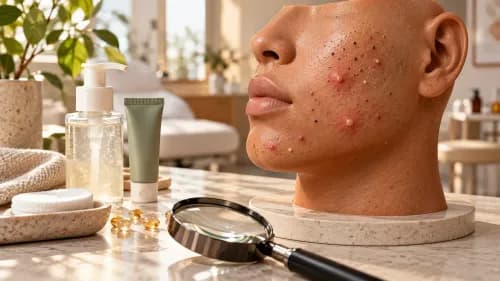
Early Signs and Symptoms of Cystic Acne
Cystic acne is a severe, deep form of acne where a blocked pore deep in the skin triggers intense inflammation, forming a painful nodule that cannot drain naturally. It differs from a regular pimple in several clear ways.
- Pain or tenderness before any bump is visible
- A hard, immovable lump with no visible whitehead
- Redness and warmth extending beyond the bump
- Persistence beyond one week, often two to six weeks
No, a painful lump deep under your skin that never comes to a head is not just a 'bad pimple'. It may be cystic acne, and recognising it early is the difference between a few weeks of discomfort and months of scarring.
Cystic acne is a severe form of inflammatory acne in which a blocked pore deep inside the dermis triggers an intense immune response, forming a fluid-filled nodule of pus, bacteria, and white blood cells that cannot drain naturally. Unlike surface breakouts, cystic lesions sit below intact skin and persist for two to six weeks or longer.
The five earliest signs that distinguish cystic acne from a regular pimple:
- Pain or tenderness before any visible bump appears, you feel it under the skin before you see anything
- A hard, immovable lump that feels dense rather than soft or fluid-filled when pressed gently
- No visible whitehead or blackhead, the lesion stays sealed beneath the skin surface
- Redness and warmth spreading beyond the bump itself, the surrounding skin looks stretched and feels warmer than nearby areas
- Persistence beyond one week, regular pimples resolve in 3 to 7 days; cystic lesions last weeks
If you notice three or more of these signs together, what you are experiencing is likely cystic acne rather than a standard breakout, and the approach you take in the first 48 hours significantly affects how long it lasts and whether it scars.
Early Signs and Symptoms of Cystic Acne
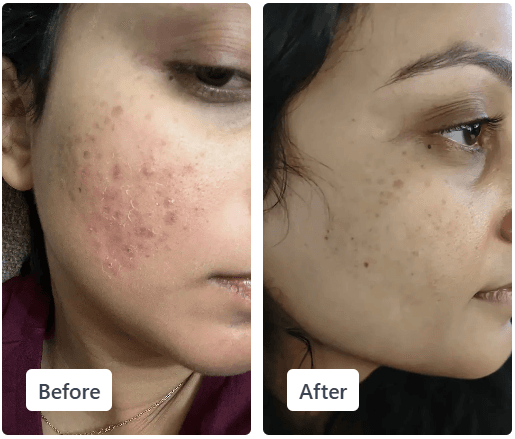
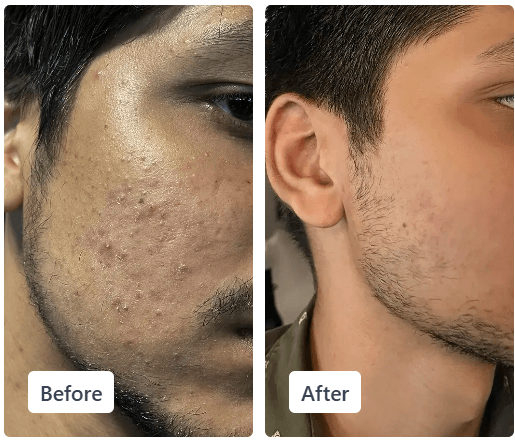
Cystic Acne appears as large, painful bumps deep under the skin that feel tender to touch and don't come to a head like surface pimples. These deep nodules form when oil, bacteria, and dead skin cells trigger severe inflammation within the pore, creating swollen cysts that can last weeks and often leave scars.
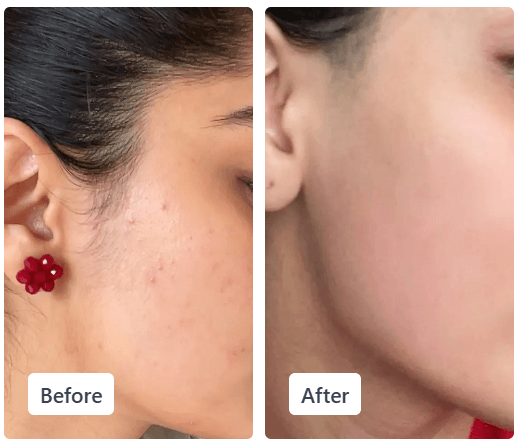
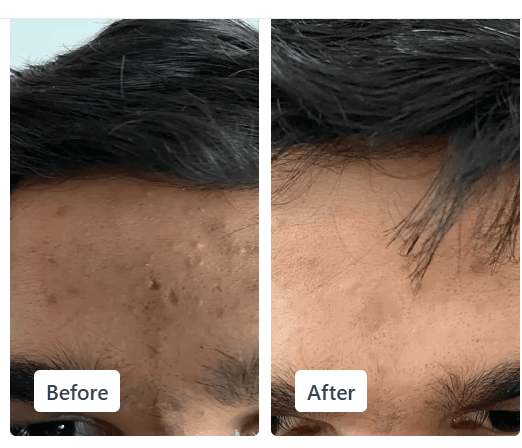
See real results, then start your own
Take the free Clear Ritual Skin Test and get a personalized routine built for your skin's unique patterns.
What Makes Cystic Acne Different
Cystic acne represents the most severe form of acne because the inflammation happens far below the skin's surface. While typical pimples form close to the outer layer and resolve within days, cystic lesions develop in the deeper dermal tissue where healing takes considerably longer.
The difference lies in how the blockage forms. Regular acne occurs when excess sebum and dead skin cells clog pores near the surface. Cystic acne develops when this blockage happens deep within the follicle, trapping bacteria and triggering an intense inflammatory response. Your immune system responds aggressively to this trapped infection, creating a pocket of pus, white blood cells, and inflammatory compounds that cannot easily drain.
This deep inflammation damages surrounding tissue, including collagen and elastin fibers. The body attempts to repair this damage through scar tissue formation, which explains why cystic acne frequently leaves permanent marks even after the lesion heals.
Recognizing the Earliest Warning Signs
Pain Before Visibility
The first indication often appears as tenderness or pain in a specific area before any visible bump emerges. You might notice discomfort when touching your face, sleeping on one side, or applying skincare products. This pain signals that inflammation has already started beneath the surface.
The affected area may feel warm compared to surrounding skin because increased blood flow accompanies the inflammatory response. White blood cells rush to the site, releasing chemical messengers that dilate blood vessels and increase tissue temperature.
The Deep, Hard Bump
Unlike surface pimples that feel somewhat soft or fluid-filled, early cystic lesions present as hard, immovable bumps beneath the skin. When you press gently, the entire area feels firm and dense rather than containing a distinct center point.
These bumps often measure larger than typical pimples, sometimes reaching the size of a small marble. The surrounding skin appears stretched and shiny as the cyst expands beneath the surface. Redness may extend beyond the bump itself, creating a wider zone of inflammation.
Lack of a Visible Head
Surface acne typically develops a whitehead or blackhead as the blockage reaches the skin's opening. Cystic acne remains sealed beneath intact skin layers. No matter how long you wait, these lesions rarely develop the white pustule that signals a pimple is ready to drain.
This sealed nature prevents natural drainage and prolongs the inflammatory cycle. The trapped material continues stimulating immune responses, perpetuating swelling and pain.
Extended Duration
While regular pimples resolve within three to seven days, cystic lesions persist for weeks or even months. The deep location and intense inflammation require significantly more time for your body to break down the blockage and repair damaged tissue.
Some cysts never fully drain on their own. Instead, the inflammation gradually subsides as immune cells slowly process the trapped material. The bump may decrease in size but leave behind hardened scar tissue that remains palpable beneath the skin.
See real results, then start your own
Take the free Clear Ritual Skin Test and get a personalized routine built for your skin's unique patterns.
Understanding What Happens Beneath the Surface
The Role of Sebum Production
Sebaceous glands produce sebum to lubricate and protect skin. When hormonal signals increase sebum production beyond normal levels, excess oil accumulates within pores. Androgens, particularly testosterone and its derivative DHT, stimulate these glands to enlarge and produce more oil.
This overproduction often intensifies during puberty, menstrual cycles, pregnancy, or times of hormonal imbalance. High cortisol levels from chronic stress also signal sebaceous glands to increase output, creating more opportunity for deep blockages.
Bacterial Involvement
Cutibacterium acnes, the primary bacteria involved in acne formation, thrives in oxygen-poor environments rich in sebum. When excess oil and dead skin cells create a sealed environment deep in the follicle, these bacteria multiply rapidly.
As bacterial populations expand, they produce enzymes and metabolic byproducts that irritate surrounding tissue. Your immune system recognizes these substances as threats, triggering the inflammatory cascade that characterizes cystic acne.
The Inflammatory Cascade
When immune cells detect bacterial presence and tissue damage, they release inflammatory mediators including cytokines, prostaglandins, and leukotrienes. These chemicals increase blood vessel permeability, allowing fluid and white blood cells to flood the area.
Neutrophils arrive first, attempting to destroy bacteria by releasing enzymes and reactive oxygen species. Unfortunately, these defensive compounds also damage healthy tissue. The resulting destruction triggers additional inflammation, creating a self-perpetuating cycle that extends healing time.
Barrier Dysfunction
A compromised skin barrier cannot effectively regulate moisture levels or prevent bacterial penetration. When the lipid matrix between skin cells becomes disrupted through over-cleansing, harsh products, or excessive exfoliation, transepidermal water loss increases and protective function decreases.
This barrier weakness allows irritants and bacteria to penetrate more easily while simultaneously triggering compensatory sebum production. The combination creates ideal conditions for deep blockages and severe inflammation.
Common Patterns and Locations
| Location | Common Triggers | Additional Factors |
|---|---|---|
| Jawline and chin | Hormonal fluctuations | Phone contact, mask friction |
| Cheeks | Sleeping position, pillow contact | Makeup occlusion, touching habits |
| Forehead | Hair products, headwear | Stress-related oil increase |
| Back and shoulders | Sweating, tight clothing | Backpack friction, body product residue |
Hormonal Patterns
Many people notice cystic breakouts following predictable hormonal cycles. Lesions often emerge seven to ten days before menstruation when progesterone levels rise and estrogen decreases. This hormonal shift increases sebum production and pore sensitivity to inflammatory triggers.
Polycystic ovary syndrome creates persistent hormonal imbalances that promote ongoing cystic acne formation. Elevated androgens continuously stimulate sebaceous glands while insulin resistance contributes to inflammation and abnormal cell turnover.
Stress-Related Emergence
Psychological stress elevates cortisol, which increases oil production and suppresses immune function. This combination allows bacterial populations to expand while simultaneously creating more sebum for them to feed on.
Stress also disrupts sleep quality, preventing the cellular repair processes that normally occur during deep sleep stages. Sleep deprivation amplifies inflammatory responses throughout the body, including within skin tissue.
Factors That Increase Susceptibility
Genetic Predisposition
Family history strongly influences cystic acne development. If one or both parents experienced severe acne, you carry increased likelihood of developing similar patterns. Genetics influence sebaceous gland size, sebum composition, inflammatory response intensity, and how quickly your skin cells turnover.
Dietary Influences
High glycemic foods cause rapid blood sugar spikes that trigger insulin release. Insulin stimulates both sebum production and androgen activity, creating conditions favorable for deep acne formation. Frequent consumption of refined carbohydrates, sugary beverages, and processed foods maintains chronically elevated insulin levels.
Dairy products, particularly skim milk, contain hormones and bioactive molecules that may influence your own hormonal balance. Some people notice clear correlations between dairy intake and cystic breakout patterns, though individual responses vary significantly.
Medication Effects
Certain medications alter hormone levels or skin cell behavior in ways that promote acne. Corticosteroids increase oil production and alter immune responses. Some birth control formulations containing androgenic progestins worsen acne rather than improving it. Lithium, certain antiepileptic drugs, and anabolic steroids can all trigger or intensify cystic breakouts.
Environmental Exposures
High humidity environments increase sweating, which can trap bacteria and oil within pores. Pollution particles settle on skin surfaces, combining with sebum to create inflammatory compounds that penetrate through compromised barriers.
Occupational exposures to certain chemicals, oils, or irritants create chronic low-grade inflammation that increases acne susceptibility. Regular contact with chlorinated water, industrial chemicals, or mineral oils can all contribute to persistent breakouts.
Why Standard Approaches Often Fall Short
Surface treatments cannot effectively reach the deep infection and inflammation characteristic of cystic acne. Topical spot treatments work well for surface pimples but fail to penetrate to the dermal level where cysts form.
Even when you maintain consistent cleansing routines and use quality skincare products, cystic acne may persist because the primary drivers operate beneath the surface and often involve systemic factors like hormones, inflammation, and metabolic processes that topical products cannot address.
Over-treating with harsh products strips protective lipids from the skin barrier, actually worsening the cycle by triggering reactive sebum production and increasing inflammation. The skin responds to aggressive treatment by producing more oil to compensate for what's been removed, while simultaneously losing its ability to defend against bacterial penetration.
Red Flags Requiring Professional Evaluation
Certain presentations indicate the need for dermatologist consultation rather than self-management. Multiple cysts appearing simultaneously suggest systemic hormonal imbalances or other underlying conditions requiring medical evaluation.
Cysts that develop rapidly, feel extremely hot, show spreading redness beyond the bump, or produce drainage indicate possible infection requiring prompt treatment. Fever accompanying facial cysts may signal dangerous spread of infection that demands immediate medical attention.
Cystic acne consistently leaving dark marks or depressed scars means the inflammation damages tissue at levels requiring intervention to prevent permanent disfigurement. Early professional treatment significantly reduces scarring compared to delayed care.
If you experience sudden onset of severe cystic acne without previous history, particularly alongside other symptoms like irregular periods, excessive hair growth, or unexplained weight changes, medical evaluation helps identify potential underlying conditions like PCOS or other hormonal disorders.
Initial Management Approaches
Gentle Barrier Support
Maintaining skin barrier integrity helps reduce inflammation and prevents secondary bacterial invasion. Using mild, pH-balanced cleansers removes surface debris without stripping protective lipids. Cleansing twice daily suffices - additional washing increases irritation without improving outcomes.
Applying lightweight, non-comedogenic moisturizers helps repair barrier damage and reduces compensatory oil production. Well-hydrated skin maintains better defensive function and experiences less inflammatory response to triggers.
Inflammation Management
Cold compresses applied to painful cysts provide temporary relief by constricting blood vessels and numbing nerve endings. The cold also slows enzymatic processes that perpetuate inflammation. Apply wrapped ice for ten-minute intervals several times daily.
Avoiding manipulation prevents additional tissue damage and bacterial spread. Squeezing, picking, or attempting to drain cysts drives infection deeper, extends healing time, and increases scarring risk significantly.
Trigger Identification
Tracking breakout patterns relative to menstrual cycles, stress periods, dietary changes, or new products helps identify personal triggers. Many people discover clear correlations between specific foods, activities, or circumstances and cystic eruptions.
Gradually eliminating suspected triggers one at a time for four to six weeks allows adequate time to observe effects. Reintroducing eliminated factors confirms whether they truly influence your skin or if correlations were coincidental.
Sleep and Stress Considerations
Prioritizing seven to nine hours of quality sleep supports immune function and reduces cortisol levels. During deep sleep, growth hormone peaks, promoting tissue repair and cellular renewal. Sleep deprivation amplifies inflammatory responses and impairs skin healing capacity.
Stress management through regular physical activity, meditation, or other relaxation practices helps regulate cortisol rhythms. Chronic stress maintains elevated cortisol that continuously stimulates sebaceous glands while suppressing immune surveillance of bacterial populations.
What This Means for You
Catching cystic acne at Stage 1 or 2 [before inflammation peaks] can reduce healing time from six weeks to two and significantly lower your risk of permanent scarring. The five physical signs (deep tenderness, hard immovable lump, no visible head, spreading warmth, persistence beyond seven days) are your early warning system. Use them.
Your next actions:
- Run the five-step self-check the moment you feel tenderness forming, before any bump is visible
- Apply a cold compress for 10 minutes, twice daily, on any active cystic lesion, do not squeeze
- Switch to a gentle, pH-balanced cleanser and a non-comedogenic moisturiser to preserve barrier function
- Track the location and timing of breakouts relative to your menstrual cycle, stress periods, and diet to identify your personal trigger pattern
- If three or more lesions appear simultaneously, a lesion is not reducing after three weeks, or you notice possible scarring forming, book a dermatologist appointment, not a spot-treatment
If your cystic acne has a pattern [hormonal, stress-related, or dietary], it is usually a sign that multiple internal factors are interacting, not just one. Home care addresses the symptoms; identifying your specific root cause combination is what breaks the cycle. That is where structured skin assessment becomes valuable, because no single product addresses cystic acne driven by hormonal imbalance in the same way it addresses acne driven by barrier dysfunction and bacterial overgrowth.
How to Tell if You Have Cystic Acne: A Simple 5-Step Self-Check
When you feel a new bump forming, run through these five checks before doing anything else. The answers tell you whether you are dealing with cystic acne or a simpler breakout, and that determines everything about how you handle it.
Step 1: Press gently (don't squeeze) - what does it feel like?
Place one fingertip over the bump and apply light pressure. A surface pimple feels soft or slightly fluid-filled with a defined centre. A cystic lesion feels hard, dense, and uniform, like a small marble under intact skin. There is no 'give' at the centre.
Step 2: Look for a head
Examine the area in natural light. A standard whitehead or pustule has a visible white or yellow centre at the skin's surface. Cystic acne has none. The skin over the bump looks stretched, shiny, and reddened but completely intact.
Step 3: Measure the pain
Touch the area without pressing. Is there background tenderness, even pain when your pillowcase brushes against it? Cystic lesions are often painful before they are visible, and the pain outlasts the visible redness. Regular pimples rarely hurt unless physically manipulated.
Step 4: Clock the duration
Note when you first noticed tenderness or the bump. If it is still present and unchanged after seven days, it is almost certainly cystic. Regular acne progresses through visible stages (small red dot → whitehead → drainage → healing) within 3 to 7 days. Cystic acne does not.
Step 5: Check the size and borders
Measure the bump relative to your thumbnail. Cystic lesions are typically 5 mm or larger and the redness around them extends well beyond the bump itself. The zone of inflammation is notably wider than the raised portion.
If you scored 3 or more 'yes' answers: You are likely dealing with cystic acne. Do not attempt to squeeze or drain it. Cold compress application, gentle cleansing, and dermatologist consultation are the right next steps, not spot treatment.
If you scored 1 to 2 'yes' answers: This may be a deep pimple rather than a true cyst. Monitor it for seven days. If it does not progress toward a visible head, treat it as cystic.
Common mistake to avoid: Applying a strong spot treatment (benzoyl peroxide, salicylic acid) to a cystic lesion. These actives cannot penetrate to the dermal depth where the infection lives. They irritate surface skin, disrupt barrier function, and delay healing without touching the underlying cyst.
Stages of Cystic Acne: What Each Phase Looks and Feels Like
Cystic acne does not appear overnight. It moves through a predictable sequence, and knowing which stage you are at changes what you should do.
Stage 1, Subcutaneous Inflammation (Days 1 to 3)
You feel tenderness or a dull ache in a specific area of skin. Nothing is visible yet. Beneath the surface, bacteria trapped inside a deep pore have triggered an immune response. White blood cells are flooding the site. The area may feel slightly warm.
What to do: Apply a cold compress for 10 minutes, twice daily. Do not touch or apply active ingredients. The goal is to reduce early inflammation before it escalates.
Stage 2, Visible Swelling Without a Head (Days 3 to 7)
A hard, dome-shaped lump appears. Skin over it looks stretched and red. There is no visible centre. Pressing it causes pain. The bump measures roughly 5 to 10 mm. The inflammation is now actively expanding.
What to do: Continue cold compresses. Use a gentle, pH-balanced cleanser. Avoid occlusive makeup over the area. This is the stage at which most people make the mistake of squeezing, which drives the infection deeper and widens tissue damage.
Stage 3, Peak Inflammation (Days 7 to 14)
The cyst reaches maximum size. Pain peaks. Some lesions may begin to show a slight softening at the surface [not a whitehead, but a subtle change in texture] as the body attempts to wall off the infection. Others remain hard throughout.
What to do: If you have not done so, this is the right time to consult a dermatologist. A corticosteroid injection at this stage can resolve the cyst in 24 to 48 hours and dramatically reduces scarring risk.
Stage 4, Gradual Subsidence (Weeks 2 to 6)
The immune response begins to wind down. The cyst slowly reduces in size. Redness fades to pink or brown. The bump flattens but may leave a firm nodule palpable under the skin for weeks. Post-inflammatory hyperpigmentation (PIH) [dark marks] often appears at this stage.
What to do: Introduce a niacinamide serum to manage PIH. Continue barrier support. Avoid sun exposure, which darkens post-inflammatory marks.
Stage 5, Tissue Remodelling (Months 2 to 6)
The skin surface heals but the dermis continues remodelling damaged collagen and elastin. This is when atrophic (depressed) scars or hypertrophic scars form [or, with good care, are avoided]. The duration of this stage depends heavily on how early the inflammation was controlled and whether the lesion was manipulated.
What to do: Consider professional treatments (chemical peels, microneedling, laser) if scarring is developing. Daily SPF is non-negotiable to prevent scar darkening.
The critical insight: Intervening at Stage 1 or 2 [before peak inflammation] significantly reduces both healing time and scarring likelihood. Waiting to see if it resolves on its own typically results in a longer Stage 3 and more severe Stage 5 consequences.
What Causes Cystic Acne vs. What Just Triggers It: Understanding the Difference
People often blame their last meal or a stressful week for a cystic breakout. The reality is more specific: cystic acne has underlying root causes that create the conditions for it to form, and separate triggers that activate it at a particular moment. Conflating the two leads to ineffective management.
Underlying Causes are structural or systemic factors that make you predisposed to cystic acne. Without these, triggers rarely produce cysts.
Triggers are the events or exposures that activate cystic acne formation in someone who already has the underlying causes in place.
| Factor | Root Cause or Trigger? | How It Works |
|---|---|---|
| Genetic sebaceous gland size | Root cause | Larger glands produce more sebum, creating more opportunity for deep blockages |
| Androgen sensitivity (DHT response) | Root cause | Drives excess oil production at the follicular level |
| Inflammatory response intensity | Root cause | Genetic variation determines how aggressively the immune system responds to C. acnes bacteria |
| Slow skin cell turnover | Root cause | Dead cells accumulate faster than they shed, increasing blockage frequency |
| Hormonal fluctuation (menstrual cycle) | Trigger | Progesterone rise + estrogen drop narrows pores and increases sebum; activates existing predisposition |
| High glycaemic diet | Trigger | Rapid insulin spikes amplify androgen activity; does not cause acne in non-predisposed individuals |
| Chronic psychological stress | Trigger | Elevates cortisol, which stimulates sebaceous glands and suppresses immune regulation |
| Barrier-disrupting skincare | Trigger | Strips protective lipids, increases transepidermal water loss, triggers compensatory oil production |
| Sleep deprivation | Trigger | Amplifies systemic inflammation and disrupts cortisol rhythms |
| New medication (corticosteroids, certain progestins) | Trigger (can become root cause with chronic use) | Alters hormone levels or immune signalling in ways that activate dormant predisposition |
Why this distinction matters for management: Addressing triggers alone [cutting out dairy, reducing stress] will reduce flare frequency but will not resolve cystic acne if underlying causes like androgen sensitivity or compromised barrier function remain unaddressed. Effective management requires working on both layers simultaneously.
A 2019 review in the Journal of the European Academy of Dermatology and Venereology confirmed that genetic factors account for approximately 80% of variance in acne severity, while environmental triggers modulate expression of that genetic baseline [1].
[1] Thiboutot D et al., JEADV, 2019.
Cystic Acne vs. Other Deep Breakouts: How to Tell What You're Actually Dealing With
Not every deep, painful breakout is cystic acne. Getting the identification right matters because each type responds to different interventions.
| Type | What it feels like | Visible head? | Duration | Scarring risk | Key difference from cystic |
|---|---|---|---|---|---|
| Cystic acne | Soft-to-firm deep nodule, fluctuant when pressed | No | 2 to 6 weeks | High | Contains liquid pus; fluctuant texture under pressure |
| Nodular acne | Very firm, non-fluctuant deep lump | No | 4 to 8 weeks | Very high | Solid, not fluid-filled; harder and more painful to touch |
| Hormonal acne | Often cystic in texture; clustered along jawline/chin | Occasionally | 2 to 4 weeks | Moderate-high | Follows predictable hormonal cycle; location-specific pattern |
| Deep pustule | Soft, fluid-filled; closer to surface | Yes (yellow head) | 5 to 10 days | Low | Has a visible centre; resolves faster; responds to surface treatments |
| Sebaceous cyst | Firm, round, moveable under skin | No | Months-years | Low (unless infected) | Not acne; no inflammation unless infected; grows slowly |
| Ingrown hair cyst | Tender red bump, often linear pattern | Sometimes | 1 to 3 weeks | Low-moderate | Associated with shaving/waxing areas; hair sometimes visible |
Is hormonal acne the same as cystic acne?
Not always, but they frequently overlap. Hormonal acne refers to acne triggered by androgen fluctuations, which often produces cystic lesions along the lower face (jawline, chin, cheeks). You can have hormonal acne that presents as surface pustules, and you can have cystic acne without a clear hormonal pattern. When hormonal acne produces deep nodules, it is correctly described as hormonal cystic acne.
Is nodular acne worse than cystic acne?
Nodular acne is typically
Editorial Standards
Clear Ritual has Strict sourcing guidelines to ensure our content is accurate and current. We rely on peer-reviewed studies, academic research institutions, and medical associations. We strive to use primary sources and refrain from using tertiary references. See a mistake? Learn More about our Editorial Standards.
Related Articles
Forehead Acne vs Fungal Acne: Differences in Causes and Treatment
Published 17 July 2026
Types of Acne Scars: Ice Pick, Boxcar & Rolling
Published 16 July 2026
Pustular Acne: Causes, Symptoms, and How to Treat It
Published 13 October 2026

Acne Vulgaris: Definition, Causes, and Treatment Options
Published 25 September 2026