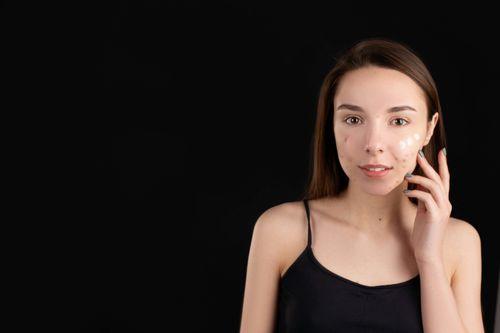
Pustular Acne: Causes, Symptoms, and How to Treat It

Pustular acne consists of red, inflamed bumps with a visible white or yellow pus-filled centre. It develops when bacteria multiply inside a blocked pore and trigger an immune response. A single pustule typically heals within 5 to 10 days, while recurring clusters require consistent treatment with ingredients such as salicylic acid, benzoyl peroxide, azelaic acid, or a dermatologist-recommended retinoid.
What Is Pustular Acne?
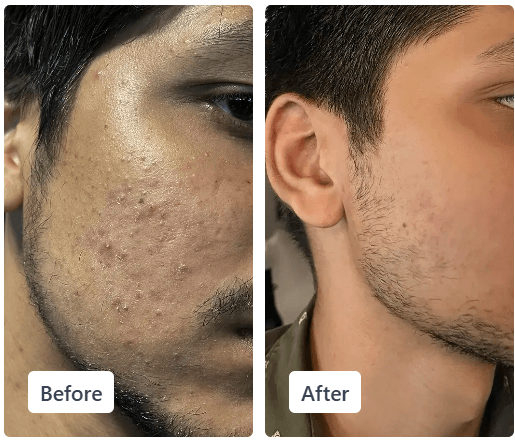
Pustular acne is a form of inflammatory acne characterised by a red, inflamed base and a distinct white or yellow pus-filled centre. The pus is a mixture of dead white blood cells, bacteria, and sebum - produced by the body's immune response to bacterial activity inside a blocked pore, not simply the bacteria itself.
Pustular acne differs from non-inflammatory lesions like blackheads and whiteheads in three key ways:
- Pustules are always inflamed
- Pustules contain actual pus
- Pustules respond to anti-inflammatory and antibacterial ingredients, not just pore-clearing products alone
Pustular acne is classified as moderate inflammatory acne. It sits between papules (inflamed but pus-free) and nodules or cysts (deeper, more destructive lesions). Because pustules affect more superficial layers of the skin, they are treatable - but only when the root cause is addressed rather than just the visible tip.
According to The Clear Ritual's dermatology team, pustules most commonly appear on the face, chest, back, and shoulders, where sebaceous (oil-producing) glands are most active.
What Causes Pustular Acne?
Pustules form when a clogged pore becomes inflamed. Several factors contribute to this process, often working together rather than in isolation.
| Cause | How It Leads to Pustular Acne |
|---|---|
| Excess Oil Production | Excess sebum combines with dead skin cells to clog pores, creating an environment where acne-causing bacteria thrive |
| Dead Skin Cell Build-Up | Skin cells that do not shed properly accumulate inside pores and contribute to blockages |
| Bacterial Growth | Cutibacterium acnes multiplies inside clogged pores, triggering inflammation and pus formation |
| Hormonal Changes | Fluctuations during puberty, menstrual cycles, pregnancy, menopause, PCOS, or stress increase oil production |
| Elevated Stress | Elevated cortisol may worsen inflammation and stimulate excess sebum production |
| Pore-Clogging Products | Heavy skincare, makeup, or cosmetics can block pores and increase the likelihood of pustule formation |
| Diet and Lifestyle | High-glycaemic foods, sugary drinks, smoking, and poor sleep may contribute to inflammation in some individuals |
Understanding which factors apply to your skin determines which treatment approach will work - and which will not.
How Do Pustules Form? The Step-by-Step Biological Sequence
Pustular acne forms through a specific five-stage sequence. Understanding each stage helps you interrupt the process at the right point, rather than only treating the visible result.
Sebum overproduction. Sebaceous glands beneath the skin produce excess oil, often driven by hormonal signals, stress, or genetic factors. This excess sebum accumulates once the pore is partially blocked.
Pore blockage. Dead skin cells that have not shed properly mix with excess sebum and form a plug inside the pore. At this stage, a microcomedone forms - invisible to the eye, but the foundation of every future breakout.
Bacterial colonisation. Cutibacterium acnes, a bacterium naturally present on skin, feeds on trapped sebum inside the blocked pore. It multiplies rapidly in this oxygen-deprived environment because it is anaerobic - it thrives without oxygen.
Immune response triggers inflammation. The immune system detects bacterial byproducts and sends white blood cells to the site. This triggers the redness, swelling, and heat characteristic of inflammatory acne.
Pus formation. The accumulation of white blood cells, dead bacteria, and cellular debris creates pus - the white or yellow centre that defines a pustule.
This sequence also explains why squeezing a pustule worsens outcomes: it ruptures the follicle wall, releases bacteria into surrounding tissue, and triggers a new - often larger - immune response in adjacent follicles.
What Are the Symptoms of Pustular Acne?
Pustular acne produces a specific set of symptoms that distinguish it from other acne types. According to The Clear Ritual's dermatology team, the most common signs include:
- Red, inflamed bumps that stand out from surrounding skin and may feel warm or irritated
- A white or yellow pus-filled centre, which gives pustules their characteristic appearance
- Tenderness or sensitivity when the affected area is touched
- Mild pain or discomfort, particularly in larger or more inflamed lesions
- Swelling around the lesion due to the body's inflammatory response
- Clusters of pustules that often appear together during breakouts
Pustular acne most commonly appears on the face, chest, shoulders, and upper back, where oil-producing glands are most active. A single pustule typically resolves within a few days to 10 days, but recurring breakouts can persist if the underlying causes are not addressed.

Where Do Pustules Appear on the Body - and What Does the Location Mean?
Pustules form in predictable locations, and the location itself often signals the underlying cause.
| Area | Why Pustules Commonly Appear Here |
|---|---|
| Forehead | Excess oil production, hair products, hats or headwear |
| Cheeks | Bacteria from phone contact; friction from pillowcases; skincare products |
| Chin | Strongly associated with hormonal fluctuations and recurring adult acne |
| Jawline | A common site for hormone-related acne, particularly in adult women |
| Neck | Sweat, friction, or the spread of facial acne |
| Chest | High density of oil glands makes this area prone to inflammatory acne |
| Shoulders | Sweat, tight clothing, and excess oil |
| Upper Back | Larger pores and increased oil production create conditions for pustule formation |
Recurring pustules in the same location typically signal an unresolved trigger rather than a treatment failure. If breakouts follow a consistent pattern, that pattern is diagnostic - it tells you which trigger to address, not just which product to apply.
How Is Pustular Acne Different From Other Types of Acne?
Acne appears in several forms, and each type behaves differently. Knowing which type you are dealing with determines whether your treatment will work.
| Acne Type | Appearance | Contains Pus? | Depth |
|---|---|---|---|
| Whitehead | Small, closed white bump | No | Superficial |
| Blackhead | Dark, open pore | No | Superficial |
| Papule | Red, raised bump, no visible centre | No | Superficial to mid-skin |
| Pustule | Red bump with white or yellow centre | Yes | Superficial |
| Nodule | Large, hard lump under the skin | No | Deep |
| Cyst | Deep, painful lesion filled with pus and dead cells | Yes | Deep |
Pustules are considered moderate inflammatory lesions. Unlike nodules and cysts, they typically affect more superficial layers of the skin, which makes them more responsive to topical treatments. Cystic acne, by contrast, forms much deeper and carries a significantly higher risk of scarring - it rarely responds to over-the-counter products.
Pustular Acne vs. Cystic Acne vs. Hormonal Acne: What Is the Actual Difference?
Not all inflamed acne is the same - and treating the wrong type with the wrong approach can delay results or make things worse.
| Feature | Pustular Acne | Cystic Acne | Hormonal Acne |
|---|---|---|---|
| Depth | Superficial skin layers | Deep beneath the skin | Superficial to mid-skin |
| Contains pus? | Yes - visible white/yellow centre | Yes - enclosed, not visible at surface | Sometimes - often papules or pustules |
| Pain level | Mild to moderate | Often painful or tender | Moderate - especially premenstrually |
| Scarring risk | Low to moderate if picked | High | Low unless picked or untreated long-term |
| Responds to OTC? | Yes - salicylic acid, benzoyl peroxide, adapalene | Rarely - usually needs oral isotretinoin | Partially - requires hormonal treatment for full resolution |
| Typical location | Face, chest, back, shoulders | Jawline, cheeks, temples | Chin, jawline, lower face |
| Key trigger | Bacteria + excess sebum + blocked pores | Sebum + deep follicle rupture + immune response | Androgen fluctuations → excess sebum |
The most important distinctions to note:
- If lesions are hard, painful, deep lumps with no visible centre, that is cystic acne - not pustular acne. Over-the-counter products will not resolve cystic acne. A dermatologist assessment is appropriate.
- If breakouts appear reliably in the week before a menstrual period, concentrate on the chin and jawline, and clear partially mid-cycle, that is a hormonal pattern. Topical actives address the symptom, not the driver. Hormonal treatment may be necessary.
- Pustular acne can be hormonally driven - the key difference is that hormonal triggers cause pustules as the visible lesion type, while cystic acne involves a different, deeper structural process.
How Is Pustular Acne Diagnosed?
Pustular acne is usually straightforward for a dermatologist to identify during a physical skin examination. Because these inflamed lesions have a characteristic white or yellow pus-filled centre surrounded by red, swollen skin, diagnosis is typically made by visual assessment.
During an examination, a doctor may assess:
- The appearance and size of the pustules
- The number of active breakouts and their distribution across the body
- The severity of redness and inflammation
- Whether post-acne marks or scarring are present
- The areas of the body affected
A doctor may also ask about:
- Family history of acne
- Current medications or supplements
- Menstrual cycle changes or hormonal symptoms
- Skincare routine and cosmetic products used
- Lifestyle factors including stress, diet, and sleep patterns
In most cases, no additional tests are required. However, if a hormonal imbalance or underlying medical condition is suspected, blood tests or further evaluation may be recommended.
How Long Does It Take to Get Rid of Pustular Acne?
A single isolated pustule, left untouched, typically resolves within 5 to 10 days. Recurring or clustered pustular acne requires consistent treatment for 6 to 8 weeks before meaningful improvement appears, and up to 3 to 6 months for full results with prescription-strength options.
| Timeframe | What Typically Happens |
|---|---|
| Days 1-5 | Active inflammation peaks; the pustule may enlarge slightly before pus begins to disperse |
| Days 5-10 | Pus reabsorbs or drains naturally; redness begins to fade |
| Weeks 2-4 | With consistent OTC treatment, new pustule formation typically slows |
| Weeks 6-8 | Most clinical guidelines define this as the minimum period before evaluating treatment effectiveness |
| Months 3-6 | Prescription retinoids, antibiotics, or hormonal treatments show meaningful reduction in breakout frequency |
Several factors affect how quickly pustules clear:
- Consistency of treatment. Research suggests that twice-daily application of benzoyl peroxide reduces inflammatory lesions by approximately 50% at 12 weeks compared to irregular use.
- Whether you are picking. Breaking the pustule wall spreads Cutibacterium acnes to adjacent follicles, seeding new breakouts in the same area.
- Underlying triggers. Hormonal acne common around the chin and jawline tends to recur cyclically until the hormonal driver - such as PCOS or androgen fluctuations - is addressed.
- Skin barrier condition. An over-stripped or irritated skin barrier prolongs inflammation and slows healing.
The Clear Ritual's dermatology team notes that most people with mild to moderate pustular acne see a noticeable reduction in breakout frequency within 6-8 weeks of a consistent, targeted routine. Severe or recurring pustular acne typically requires professional treatment for comparable improvement.
What Ingredients Treat Pustular Acne Effectively?
The right treatment for pustular acne targets the specific mechanisms behind pustule formation: bacterial activity, inflammation, and pore blockage. The Clear Ritual recommends starting with evidence-backed ingredients matched to your pustule severity and skin type.
Salicylic Acid
Salicylic acid is an oil-soluble beta-hydroxy acid (BHA) that penetrates the pore to dissolve excess sebum and dead skin cell build-up. It may help:
- Unclog pores and reduce congestion
- Reduce redness and mild inflammation
- Prevent new pustules from forming
- Improve overall skin texture over time
A randomised controlled trial found that a 2% salicylic acid cleanser reduced inflammatory lesion count by approximately 47% over 12 weeks. It works more slowly than benzoyl peroxide on active pustules but is effective for ongoing pore maintenance.
Benzoyl Peroxide
Benzoyl peroxide releases oxygen inside the pore, creating an environment where Cutibacterium acnes cannot survive. A 2016 systematic review in the British Journal of Dermatology confirmed that topical benzoyl peroxide (2.5-5%) significantly reduces inflammatory acne lesion count, with effect sizes comparable to topical antibiotics - but without the risk of antibiotic resistance. Benefits may include:
- Reducing acne-causing bacteria inside the pore
- Calming inflamed pustules
- Decreasing redness and swelling
- Helping prevent future breakout cycles
A 2.5% concentration has been shown to be as effective as 5% with significantly less dryness and irritation, making it the recommended starting concentration for most skin types.
Topical Retinoids
Retinoids are vitamin A derivatives that increase skin cell turnover and prevent new comedones - the precursor to every pustule - from forming. The Global Alliance to Improve Outcomes in Acne recommends topical retinoids as a cornerstone of long-term acne management. They are commonly recommended for:
- Persistent or recurrent pustules that do not clear with other actives
- Long-term acne prevention and pore normalisation
- Post-acne marks and pigmentation
- Acne-prone skin needing maintenance treatment
Adapalene 0.1% gel, now available over the counter in some markets, has shown meaningful reduction in inflammatory lesions at 12 weeks in multiple clinical trials.
Azelaic Acid
Azelaic acid combines antibacterial, anti-inflammatory, and pigmentation-reducing properties. It is particularly suitable for:
- Sensitive skin that does not tolerate benzoyl peroxide or retinoids well
- Inflamed pustules alongside post-inflammatory hyperpigmentation
- Acne-related dark spots and uneven skin tone
- Pregnancy, when many other acne treatments are restricted - always consult a doctor first
Prescription Medications
If over-the-counter treatments are not effective after 8 weeks of consistent use, a dermatologist may prescribe:
- Prescription-strength retinoids: Significantly stronger than OTC adapalene; used for long-term maintenance
- Topical antibiotics: Reduce acne-causing bacteria; typically combined with other treatments to prevent resistance
- Oral antibiotics: Used for moderate to severe inflammatory acne; help bring active breakouts under control while other treatments begin working
- Hormonal treatments: Useful for acne driven by hormonal fluctuations; reduce androgen-related oil production
- Oral isotretinoin: Reserved for severe, persistent, or treatment-resistant acne; significantly reduces oil production and may provide long-lasting remission
Note: Antibiotics are typically used for a limited period to reduce the risk of bacterial resistance developing.
Salicylic Acid vs. Benzoyl Peroxide vs. Retinoids: Which Is Right for Your Pustules?
These three ingredients work through different mechanisms and suit different skin types and pustule severities.
| Ingredient | How It Works | Best For | Avoid If |
|---|---|---|---|
| Salicylic Acid (BHA) | Oil-soluble; penetrates pores to dissolve sebum and dead skin cells; mild anti-inflammatory | Mild pustules; oily, congested skin; blackheads alongside pustules | Dry or sensitive skin; aspirin allergy |
| Benzoyl Peroxide | Releases oxygen inside pores; kills Cutibacterium acnes; reduces inflammation | Moderate to inflamed pustules; back and chest acne; spot treatment | Sensitive skin; those using coloured towels or pillowcases |
| Topical Retinoids | Increase cell turnover and prevent microcomedones from becoming inflamed lesions | Recurring pustules; long-term prevention; post-acne marks | Pregnancy; very irritated or compromised skin unless advised by a doctor |
Choosing between these ingredients depends on whether bacterial inflammation, persistent pore blockage, sensitivity, or recurring comedones are the dominant concern. Introduce one active at a time rather than layering several strong products immediately.
Understanding the causes of comedonal acne is useful because every pustule begins with a blocked follicle before inflammation and pus develop.
How to Build a Routine for Pustular Acne
A simple routine can help control inflammation without creating additional irritation.
Morning routine:
- Cleanse with a gentle, non-comedogenic cleanser
- Apply the treatment recommended for your pustule severity
- Use a lightweight moisturiser
- Finish with sunscreen suited to acne-prone skin
Evening routine:
- Remove makeup and sunscreen completely
- Cleanse without scrubbing active pustules
- Apply a suitable acne active gradually
- Moisturise to support the barrier
A damaged skin barrier can increase stinging, redness, peeling, and treatment intolerance, so more aggressive treatment is not always more effective.
Common Mistakes That Make Pustular Acne Worse
- Squeezing pustules: Pressure can rupture the follicle wall and spread inflammation into nearby tissue.
- Using several actives together: Combining benzoyl peroxide, acids, scrubs, and retinoids without guidance can damage the barrier.
- Stopping treatment too early: Most acne routines require at least 6 to 8 weeks before their effectiveness can be assessed.
- Scrubbing inflamed skin: Physical friction increases redness and can worsen post-acne marks.
- Using pore-clogging products: Heavy cosmetics and hair products may contribute to new blockages.
A structured acne treatment guide can help explain how topical, oral, and procedural options differ according to acne type and severity.
When Should You See a Dermatologist?
Consult a dermatologist if pustules are widespread, painful, repeatedly return, leave scars, or do not improve after 6 to 8 weeks of consistent over-the-counter care. Medical assessment is also important when acne appears suddenly alongside irregular periods, excess facial hair, fever, or signs of infection.
Reviewing the wider symptoms of acne-prone skin can provide context, but a professional diagnosis is important when pustules resemble folliculitis, rosacea, or another inflammatory skin condition.
Clear Ritual's Perspective on Pustular Acne
Pustular acne should be treated as an inflammatory process rather than a surface pus problem. The visible centre is the final stage of a sequence involving excess oil, pore blockage, bacterial activity, and an immune response.
The Clear Ritual recommends identifying the dominant trigger, introducing evidence-backed ingredients gradually, and protecting the skin barrier throughout treatment. Persistent or scarring breakouts require dermatologist-guided care rather than repeated extraction.
Understand What Your Skin Needs
Take the Clear Ritual Skin Test to identify your skin type, concerns, and potential triggers before building your routine.
Take the Free Skin Test
Frequently Asked Questions
Q. What does pustular acne look like?
A. It appears as a red, inflamed bump with a visible white or yellow pus-filled centre. The surrounding skin may feel tender, warm, or swollen.
Q. Should you pop pustular acne?
A. No. Squeezing can rupture the follicle wall, spread inflammation, delay healing, and increase the risk of dark marks or scarring.
Q. How long does a pustule take to heal?
A. A single untouched pustule commonly improves within 5 to 10 days. Recurring pustular acne usually requires several weeks of consistent treatment.
Q. Is salicylic acid suitable for pustular acne?
A. Salicylic acid can help clear blocked pores and prevent new lesions, but inflamed pustules may also require benzoyl peroxide or dermatologist-directed treatment.
Q. Is pustular acne the same as cystic acne?
A. No. Pustules are superficial inflamed bumps with visible pus, while cystic acne forms deeper beneath the skin and has a greater risk of scarring.
Q. When does pustular acne need medical treatment?
A. Seek professional care when pustules are widespread, painful, scarring, repeatedly recurring, or not improving after 6 to 8 weeks of consistent care.
References
- American Academy of Dermatology. Acne diagnosis and treatment.
- American Academy of Dermatology. Skin care habits that can worsen acne.
- National Institute for Health and Care Excellence. Acne vulgaris management.
- DermNet. Acne.
Editorial Standards
Clear Ritual has Strict sourcing guidelines to ensure our content is accurate and current. We rely on peer-reviewed studies, academic research institutions, and medical associations. We strive to use primary sources and refrain from using tertiary references. See a mistake? Learn More about our Editorial Standards.
Related Articles
Acne Vulgaris: Definition, Causes, and Treatment Options
Published 25 September 2026
Complete Guide to Managing Chronic Pimples
Published 16 July 2026
The Complete Guide to Acne Treatments: Medical, Natural, and In-Clinic Solutions
Published 16 July 2026
What Are Pimples? Symptoms, Types, Causes, and Treatments
Published 16 July 2026