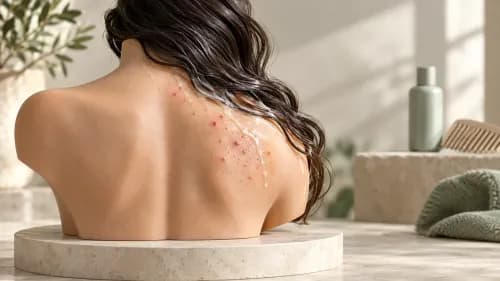
What Is Comedonal Acne? Causes, Types, and Treatment
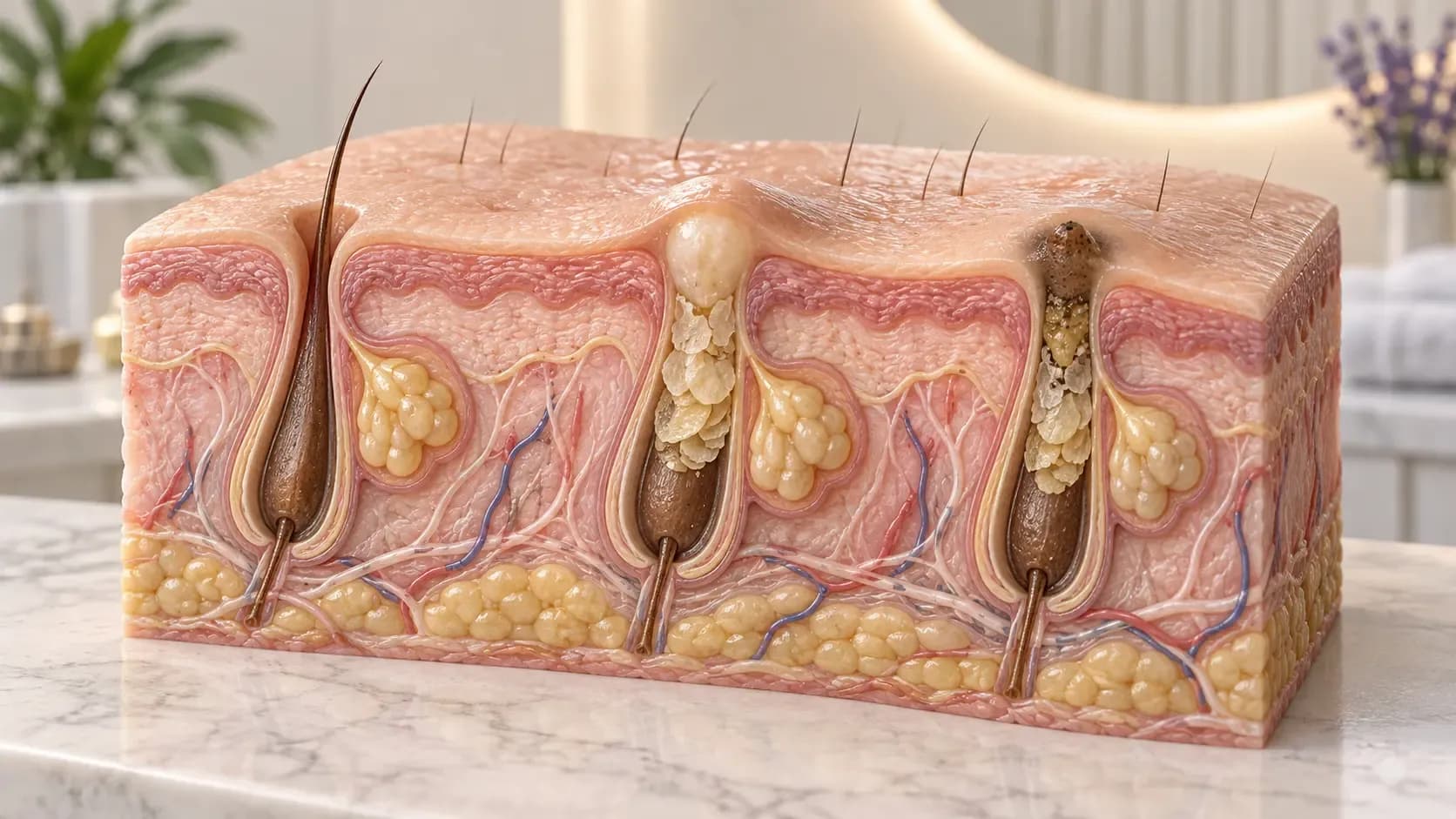
Comedonal acne is a non-inflammatory form of acne in which hair follicles become plugged with excess sebum and dead skin cells, forming small, non-red bumps called comedones. It appears as whiteheads (closed comedones) or blackheads (open comedones) and does not cause significant redness or swelling in its early stages.
What Is Comedonal Acne?
Comedonal acne is a non-inflammatory skin condition caused by blocked hair follicles. It develops when excess sebum (the skin's natural oil) and retained dead skin cells accumulate inside the follicle, forming a plug. That plug produces one of two visible lesions: a whitehead or a blackhead.
Unlike papules, pustules, or cysts, comedonal acne does not primarily involve bacterial infection or significant inflammation. This distinction matters for treatment , antibacterial products alone rarely resolve comedonal acne because bacteria are not the root cause.
Comedonal acne at a glance:
- Forms inside the hair follicle, not on the skin's surface
- Does not cause redness or swelling in its early stages
- Appears as whiteheads (closed comedones) or blackheads (open comedones)
- Can progress to inflammatory acne if pores remain blocked and bacteria multiply
- Is one of the most common forms of acne across all age groups
According to Clear Ritual's clinical approach, comedonal acne is best understood as a mechanical and biological process , driven by sebum overproduction, abnormal cell shedding, and follicular sensitivity , rather than a hygiene problem.
| Feature | Comedonal Acne | Inflammatory Acne |
|---|---|---|
| Appearance | Flesh-coloured or dark bumps | Red, swollen papules or pustules |
| Pain or tenderness | Minimal to none | Often tender or painful |
| Bacteria involved? | Not the primary cause | Yes , Cutibacterium acnes |
| Risk of scarring | Low (if untreated, can worsen) | Higher |
| Best treatment approach | Exfoliants, retinoids, oil control | Antibiotics, benzoyl peroxide, retinoids |
Comedonal acne is the starting point for nearly all acne types. Most pustules and cysts begin as an untreated comedone that became inflamed over time.
What Are the Two Types of Comedonal Acne?
Comedonal acne comes in two forms: closed comedones (whiteheads) and open comedones (blackheads). Both share the same root cause , a follicle blocked with sebum and dead skin cells , but differ in what happens at the follicle opening.
| Closed Comedone (Whitehead) | Open Comedone (Blackhead) | |
|---|---|---|
| Pore status | Sealed at the surface | Open at the surface |
| Colour | Skin-tone or white | Dark brown or black |
| Texture | Slightly raised, soft bump | Flat or slightly raised |
| Primary cause | Follicle opening blocked before plug reaches surface | Plug reaches surface and oxidises |
| Most common location | Cheeks, chin, forehead | Nose, chin, forehead (T-zone) |
| Responds fastest to | Retinoids, salicylic acid | Salicylic acid, chemical exfoliants |
What specifically causes closed comedones (whiteheads)?
Closed comedones tend to form when:
- The follicle opening is narrower than average (often genetic)
- Heavy or occlusive skincare products physically seal the pore shut
- Hormonal surges increase sebum production faster than the follicle can clear it
- Cell turnover is slow, causing dead cells to accumulate before they can exit
Closed comedones are more likely to progress to inflamed papules or pustules because the sealed follicle creates an airless environment where Cutibacterium acnes bacteria can multiply.
What specifically causes open comedones (blackheads)?
Open comedones tend to form when:
- Sebum production is consistently high, particularly in the T-zone
- The pore is naturally wider (often a genetic characteristic)
- Incomplete cleansing allows oil and product residue to accumulate daily
- Sweat and environmental pollutants mix with sebum on warm or humid days
The dark colour of a blackhead is caused by the oxidation of melanin in the dead skin cells , not by dirt. This is why scrubbing harder does not remove blackheads and can actually worsen skin irritation.
When people refer to comedonal congestion, they typically mean the visible texture of multiple whiteheads and blackheads clustered across an area , most often the forehead, chin, or nose.
How Does Comedonal Acne Form? The Mechanism Behind Clogged Pores
Comedonal acne results from a breakdown in three interlocking skin processes. Understanding each one makes treatment choices significantly more targeted.
Step 1: The sebaceous glands overproduce oil
Every hair follicle is connected to a sebaceous gland that produces sebum , an oily substance that travels up the follicle to the skin's surface to maintain moisture. When androgens (hormones including testosterone and dihydrotestosterone, or DHT) stimulate the sebaceous gland, it produces more oil than the follicle can clear. This excess creates the dense, sticky environment in which a comedone can form.
Sebaceous glands in acne-prone skin express a higher density of androgen receptors, which is why hormonal fluctuations have a disproportionate impact on sebum output even in people who cleanse their skin consistently.
Step 2: Dead skin cells fail to shed normally
In healthy skin, dead keratinocytes , the cells that form the outer skin layer , shed continuously and are replaced by new cells. In acne-prone skin, a process called follicular hyperkeratinisation occurs: dead cells shed too slowly and clump together inside the follicle rather than clearing away. This clump combines with excess sebum to form a microcomedone , the invisible precursor to every whitehead and blackhead.
Step 3: The follicle becomes blocked
Once the sebum-and-dead-cell plug grows large enough to block the follicle opening, a visible comedone forms. The type depends on whether the pore remains sealed:
- Closed pore → the plug cannot reach the surface → trapped material stays pale → whitehead (closed comedone)
- Open pore → the plug reaches the surface → melanin in the dead cells oxidises on contact with air → the plug darkens → blackhead (open comedone)
A microcomedone can take two to three weeks to develop into a visible whitehead or blackhead, which is why most treatments need at least four to six weeks before a visible difference appears.
What Causes Comedonal Acne? The Main Triggers Explained
Comedonal acne is caused by a combination of factors that increase sebum production, slow down dead skin cell shedding, or physically block the follicle opening. Clear Ritual identifies the following as the most common and clinically relevant contributors.
Excess sebum production
One of the most common causes of comedonal acne is excessive sebum production. When sebaceous glands produce more oil than the follicle can clear, it mixes with dead skin cells and creates conditions in which pores easily become blocked. People with naturally oily or combination skin are often more prone to recurring whiteheads and blackheads for this reason.
Dead skin cell buildup (follicular hyperkeratinisation)
Healthy skin continuously sheds dead cells from inside the follicle. In some individuals, these cells do not shed efficiently , they accumulate within the pore and combine with oil, increasing the risk of comedone formation. Treatments that promote cell turnover, such as retinoids and salicylic acid, are often recommended because they address this specific mechanism.
Hormonal fluctuations
Hormones play a significant role in regulating sebum production. During periods of hormonal change, the sebaceous glands may become more active, leading to increased oil output and clogged pores. Common situations associated with comedonal acne due to hormonal changes include:
- Puberty (androgen levels rise sharply)
- Menstrual cycles (premenstrual androgen surges)
- Pregnancy
- Polycystic ovary syndrome (PCOS)
- Perimenopause
Hormonal influences can make comedonal acne more persistent and more difficult to manage with topical treatment alone.
Comedogenic skincare and makeup products
Certain skincare and cosmetic products contribute to clogged pores, particularly those containing heavy oils or occlusive ingredients. Products not labelled non-comedogenic may increase the likelihood of whiteheads and blackheads in acne-prone skin. Sleeping with makeup on can further worsen comedonal congestion by allowing oil, cosmetic residue, and environmental debris to remain against the skin overnight.
Genetics
Genetics influence several factors that contribute to comedonal acne, including baseline sebum production, skin cell turnover rate, follicle width, and sensitivity to hormonal fluctuations. If close family members have a history of acne, there is a higher likelihood of developing comedonal acne. While genetics cannot be changed, understanding this predisposition helps guide long-term skincare and treatment planning.
Heat, humidity, and sweat
Environmental conditions measurably affect skin behaviour. Hot and humid weather increases sweating and raises oil output , not just makes skin feel oilier. When sweat mixes with sebum and dead skin cells, pores may become more congested. Some people notice a consistent increase in whiteheads and blackheads during warmer months or in humid climates.
Habits and risk factors that worsen existing comedonal acne
Even when comedonal acne is already present, certain behaviours can intensify congestion:
| Risk Factor | How It Contributes |
|---|---|
| Heavy or occlusive makeup | Can increase pore blockage |
| Oily skincare products | May contribute to ongoing congestion |
| Inconsistent cleansing | Allows oil and debris to accumulate |
| Frequent face touching | Transfers oil and environmental bacteria |
| Humid environments | Can worsen oiliness and clogged pores |
| Picking at blemishes | Increases irritation and risk of inflammation |
Can Diet Cause Comedonal Acne?
Diet is rarely the sole cause of comedonal acne, but research suggests it can be a contributing factor in people who are susceptible.
A 2020 systematic review found that high-glycaemic diets are associated with increased sebum production and acne severity across multiple studies. The proposed mechanism is that high blood glucose triggers insulin and insulin-like growth factor 1 (IGF-1), both of which stimulate androgen production and, consequently, sebaceous gland activity. Foods commonly associated with this effect include:
- White bread and refined carbohydrates
- Sugary drinks and sweetened snacks
- Highly processed foods
The evidence for dairy is more mixed. Some studies show an association between skim milk consumption and acne, but the data is not consistent enough to recommend dairy elimination for everyone.
The practical approach, as Clear Ritual recommends, is not to eliminate entire food groups but to monitor personal patterns. If you consistently notice more breakouts after specific foods, reducing those alongside a consistent skincare routine may help. No single food causes or cures comedonal acne on its own.
Who Is Most Prone to Comedonal Acne?
Comedonal acne can affect anyone, but it is most common in specific groups where the underlying drivers , androgen activity, sebum production, and cell turnover , are more pronounced.
Comedonal acne is most likely to affect:
- Teenagers and young adults, because puberty sharply increases androgen levels and sebum output
- People with oily or combination skin, whose sebaceous glands are naturally more active
- Women during hormonal transitions , menstrual cycles, pregnancy, perimenopause, or PCOS , when androgen activity fluctuates
- Anyone using occlusive skincare or makeup products that block the follicle mechanically
- People in hot, humid climates, where sweat and oil combine to increase pore congestion
How Severe Is Your Comedonal Acne? A Practical Guide
Not all comedonal acne requires the same approach. Severity influences which ingredients to start with and whether professional treatment is likely to be necessary.
| Severity | What It Looks Like | Typical Approach |
|---|---|---|
| Mild | A few scattered whiteheads or blackheads, mostly in the T-zone | Consistent at-home skincare with salicylic acid or a gentle retinol |
| Moderate | Multiple comedones across the face, including cheeks; some recurrence after clearing | Active ingredient-led routine; consider dermatologist review if no improvement after 8 weeks |
| Severe | Dense clusters of comedones, frequent recurrence, or comedones that keep progressing to papules | Dermatologist consultation recommended; prescription retinoids often needed |
If you are unsure whether your acne is purely comedonal or also involves inflammatory lesions, a personalised skin assessment is the most reliable starting point. Clear Ritual's Skin Test is designed to identify your specific skin type, sebum behaviour, and product sensitivities before recommending a routine.
How to Treat Comedonal Acne: Active Ingredients and Options
Treating comedonal acne focuses on clearing clogged pores, normalising cell turnover, reducing excess oil, and preventing new comedones from forming. Because comedonal acne develops beneath the skin's surface, treatments often take several weeks to produce visible improvement.
| Ingredient | How It Helps Blackheads | How It Helps Whiteheads |
|---|---|---|
| Salicylic Acid (BHA) | Penetrates pores, unclogs them, and removes excess oil | Clears blocked pores and prevents new whiteheads from forming |
| Topical Retinoids | Reduces pore blockages by normalising cell turnover | Helps clear existing whiteheads and prevents new ones |
| Glycolic Acid (AHA) | Exfoliates dead skin cells at the surface; best paired with salicylic acid for deeper effect | Improves skin cell turnover and reduces surface congestion |
| Lactic Acid | Gently removes surface buildup | Helps keep pores clear and skin texture smooth |
| Chemical Peels | Improve stubborn blackheads and skin texture | Reduce pore congestion and whitehead clusters |
| Comedone Extraction | Removes persistent blackheads safely (professional setting) | Removes stubborn whiteheads professionally |
| Prescription Retinoids (tretinoin, adapalene) | Effective for recurring or treatment-resistant blackheads | Most evidence-supported option for persistent whiteheads |
Research published in the Journal of the American Academy of Dermatology confirms that topical retinoids are the most evidence-supported treatment for reducing both open and closed comedones, with visible results typically appearing within 8 to 12 weeks of consistent use.
How to Build a Skincare Routine for Comedonal Acne: A Step-by-Step Guide
Knowing the right ingredients is not enough. The order of application, the pace of introduction, and the patience you bring determine whether your skin actually clears. Clear Ritual outlines the following structured approach based on where you are starting.
Beginner Routine (Weeks 1–4): Cleanse and Exfoliate
- Morning: Gentle, oil-free cleanser → lightweight moisturiser with SPF
- Evening: Gentle cleanser → salicylic acid treatment (1–2%, leave-on serum or toner) → oil-free moisturiser
What to expect: In the first two to four weeks, you may notice a slight increase in surface congestion as the exfoliant brings blocked material toward the surface. This is a normal part of the process. Visible whiteheads and blackheads typically begin to reduce between weeks four and six of consistent use.
Intermediate Routine (Weeks 4–12): Add a Retinoid
Once your skin has adapted to exfoliation without significant irritation, introduce a low-concentration retinol (0.025–0.05%) two to three nights per week.
- Morning: Gentle cleanser → niacinamide serum (optional; helps regulate oil production) → SPF moisturiser
- Evening (retinoid nights): Gentle cleanser → retinol → oil-free moisturiser
- Evening (non-retinoid nights): Gentle cleanser → salicylic acid → oil-free moisturiser
What to expect: Retinoids target follicular hyperkeratinisation , the root cause of comedone formation. Most people see meaningful improvement in comedone count by months two to three. Some experience a brief purging phase (a temporary increase in breakouts) in the first three to six weeks of retinoid use as the skin accelerates cell turnover.
Advanced or Persistent Cases (3+ Months): Consider Professional Support
If comedones continue to return despite a consistent routine with active ingredients after three months, this suggests a hormonal, genetic, or structural cause that topical products may not fully resolve on their own. Options at this stage include:
- Prescription retinoids (tretinoin or higher-concentration adapalene)
- Professional comedone extraction for persistent whiteheads or blackheads
- Dermatologist-guided chemical peels when appropriate for your skin
- Assessment of hormonal contributors when breakouts follow a persistent pattern
Professional extraction should not be attempted at home. Applying excessive pressure can damage the follicle wall, trigger inflammation, and increase the likelihood of persistent marks.
Common Mistakes That Can Worsen Comedonal Acne
- Scrubbing blackheads aggressively: Oxidised plugs are not dirt, and harsh scrubbing can irritate the surrounding skin.
- Using several exfoliants together: Combining strong acids and retinoids too quickly may disrupt the skin barrier without clearing pores faster.
- Squeezing closed comedones: Pressure can push follicular contents deeper and turn a non-inflammatory bump into an inflamed lesion.
- Changing products too frequently: Comedonal acne often needs several weeks of consistent care before meaningful improvement becomes visible.
- Skipping moisturiser: Excessive dryness can make an active routine harder to tolerate and may lead to inconsistent use.
How Can You Prevent New Comedones?
You may not be able to prevent every whitehead or blackhead, but a consistent routine can reduce conditions that allow new plugs to form.
- Cleanse gently twice daily and after heavy sweating
- Choose non-comedogenic skincare and makeup products
- Remove makeup before sleeping
- Introduce exfoliants and retinoids gradually
- Avoid picking, squeezing, or repeatedly touching congested areas
- Give each routine enough time before changing products
When Should You See a Dermatologist?
Consider seeing a dermatologist if dense clusters of comedones persist after several weeks of consistent care, frequently become inflamed, or begin developing into painful papules, pustules, nodules, or cysts.
Professional assessment is also useful if you are pregnant, have a suspected hormonal condition, develop irritation from active ingredients, or are uncertain whether the bumps are comedones, milia, or another skin concern.
Clear Ritual's Perspective on Comedonal Acne
Comedonal acne can look mild because it lacks the redness of inflammatory breakouts, but persistent congestion still benefits from a structured approach. The focus should be on preventing follicular plugs while keeping the skin barrier comfortable enough to maintain the routine.
At Clear Ritual, we believe product selection should reflect your oil production, sensitivity, current ingredients, and whether whiteheads or blackheads dominate. Consistency and gradual introduction are more useful than aggressive extraction or frequent product changes.
Understand Your Whitehead and Blackhead Pattern
Take the Clear Ritual Skin Test to identify your congestion pattern and build a routine suited to your skin's oil levels and sensitivity.
Take the Skin Test
Frequently Asked Questions
1. Is comedonal acne inflammatory?
Comedonal acne is primarily non-inflammatory. However, blocked follicles can become inflamed and develop into papules, pustules, nodules, or cysts.
2. What is the difference between open and closed comedones?
An open comedone is a blackhead with a plug exposed at the follicle opening. A closed comedone is a whitehead covered by a thin layer of skin.
3. Can salicylic acid help comedonal acne?
Salicylic acid can enter oily follicles and help loosen accumulated oil and dead skin cells. Introduce it gradually to reduce the risk of irritation.
4. How long does comedonal acne take to improve?
Visible improvement commonly requires several weeks. Retinoid-based routines may need eight to twelve weeks of consistent use before their full effect can be assessed.
5. Should you squeeze whiteheads and blackheads?
No. Squeezing can damage the follicle, increase irritation, and turn a non-inflammatory comedone into an inflamed breakout.
References
- American Academy of Dermatology: Acne diagnosis and treatment
- NICE: Acne vulgaris management recommendations
- NIAMS: Acne
- DermNet: Comedonal acne
Disclaimer
This article is intended for general informational purposes and is not a substitute for personalised medical advice, diagnosis, or treatment. Consult a qualified dermatologist if comedonal acne is persistent, worsening, painful, or causing scarring.
Editorial Standards
Clear Ritual has Strict sourcing guidelines to ensure our content is accurate and current. We rely on peer-reviewed studies, academic research institutions, and medical associations. We strive to use primary sources and refrain from using tertiary references. See a mistake? Learn More about our Editorial Standards.