Types of Pimples Explained: Whiteheads, Blackheads, Papules & More
Pimples fall into distinct types based on how deep they form and whether inflammation is involved. Whiteheads and blackheads are non-inflammatory comedones that stay near the surface, while papules, pustules, nodules, and cysts involve immune response and go deeper into the skin. Severity increases with depth, inflammation level, and bacterial involvement.
- Whiteheads and blackheads stay closer to the surface without infection
- Papules, pustules, nodules, and cysts involve immune response and go deeper
- Understanding your pimple type guides appropriate care and when to seek professional help
Not all Pimples are the same. Understanding the type of breakout you're dealing with helps you recognize what's happening beneath your skin's surface. Different pimples form at various depths and involve different combinations of oil, dead cells, bacteria, and inflammation, which is why they look and feel distinct from each other.
What Causes Pimples to Form
Pimples start when your pores become clogged. Each pore connects to a sebaceous gland that produces sebum, an oily substance that normally travels up the hair follicle to moisturize your skin. When dead skin cells don't shed properly, they mix with sebum and create a plug inside the pore.
Your skin naturally sheds millions of cells daily. In acne-prone skin, cells lining the pore walls shed faster and stick together more easily. This process, called abnormal keratinization, creates the foundation for every type of pimple. The plug traps sebum, creates an oxygen-poor environment, and depending on what happens next, determines which type of pimple develops.
Certain bacteria, particularly Cutibacterium acnes, thrive in these blocked, oil-rich environments. When bacteria multiply rapidly, your immune system responds with inflammation. This explains why some pimples remain small bumps while others become swollen, red, and painful.
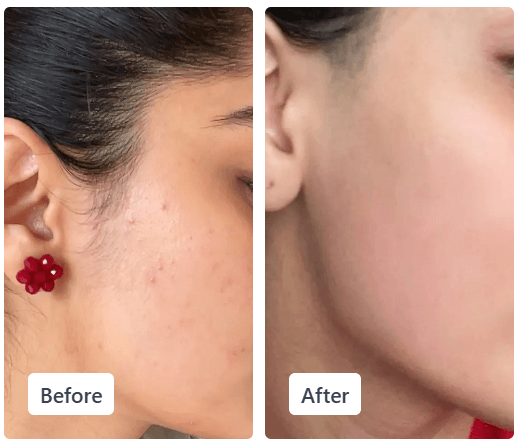
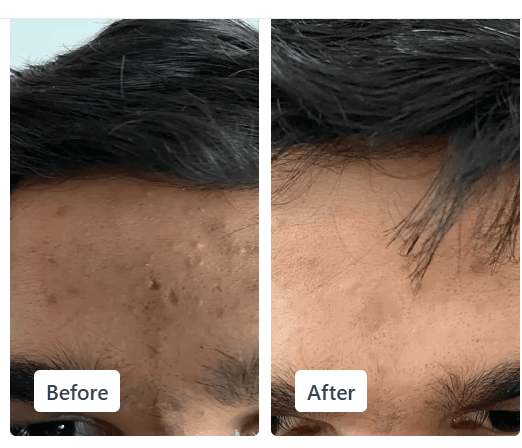
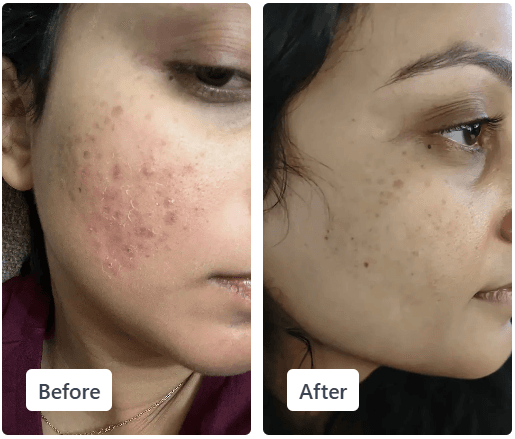
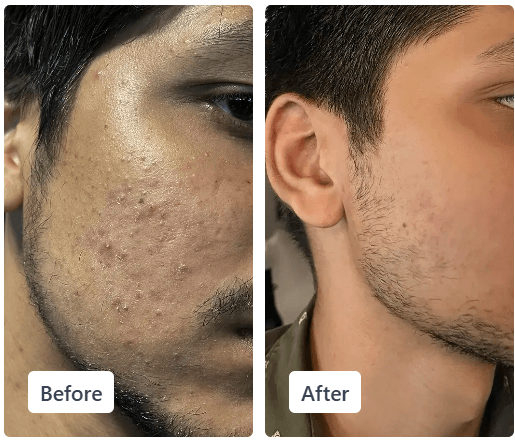
See real results, then start your own
Take the free Clear Ritual Skin Test and get a personalized routine built for your skin's unique patterns.
Non-Inflammatory Acne: Comedones
Whiteheads (Closed Comedones)
Whiteheads appear as small, flesh-colored or white bumps with skin covering the pore opening. The plug remains trapped beneath the surface, creating a closed environment. Because air cannot reach the trapped material, it stays light-colored.
These form when the pore opening becomes completely blocked. The sebum and dead cells accumulate but have nowhere to go. Whiteheads typically feel firm to the touch and may have a slightly raised texture. They don't involve significant inflammation or bacterial infection, which is why they remain small and relatively calm.
Touching or attempting to extract whiteheads before they're ready can push bacteria deeper into the skin. This ruptures the follicle wall beneath the surface and transforms a non-inflammatory whitehead into an inflamed papule or pustule.
Blackheads (Open Comedones)
Blackheads look like small dark dots on your skin's surface. Despite common belief, the dark color isn't dirt. When the pore remains open and the plug becomes exposed to air, a chemical reaction called oxidation occurs. The sebum and dead cells contain melanin and other substances that turn dark brown or black when they oxidize.
The pore opening in blackheads stretches wider than normal, which is why you can see the plug. These tend to develop in areas with higher sebum production like the nose, forehead, and chin. Blackheads can persist for weeks or months because the material inside becomes more solid over time.
Aggressive scrubbing or harsh physical exfoliation doesn't remove blackheads effectively. These methods can irritate the surrounding skin and trigger more oil production as your skin tries to compensate for moisture loss. The stretched pore also makes these areas more vulnerable to bacterial colonization if the skin barrier becomes compromised.
Inflammatory Acne: When Immune Response Activates
Papules
Papules are small, raised, red bumps without a visible center. These form when the follicle wall breaks down beneath the skin's surface, releasing contents into the surrounding tissue. Your immune system recognizes this as a problem and sends white blood cells to the area, creating inflammation.
The increased blood flow causes redness and warmth. Papules feel tender when touched because the inflammation irritates nerve endings. These typically measure less than one centimeter in diameter and don't contain visible pus, which distinguishes them from pustules.
Papules represent an escalation from comedones. The rupture can happen spontaneously as pressure builds inside a blocked pore, or it can result from external trauma like picking or harsh scrubbing. Once inflammation begins, the healing process takes longer because your body must clear the inflammatory response before repairing tissue.
Pustules
Pustules look similar to papules but contain visible pus at the center. The white or yellow fluid consists of dead white blood cells, bacteria, and tissue debris. The surrounding area appears red and inflamed, with a clearly defined circular border.
These develop when bacterial populations inside the blocked follicle multiply significantly. Cutibacterium acnes releases enzymes that break down sebum into free fatty acids, which further irritate the follicle lining. Your immune system responds aggressively, sending neutrophils (a type of white blood cell) that engulf bacteria and die in the process, creating pus.
Pustules can emerge from existing papules as infection progresses, or they may develop directly from deeply clogged pores. The urge to pop these is strong, but puncturing the skin introduces more bacteria and can drive the infection deeper. The pus will eventually be reabsorbed by your body or come to a natural head where it drains with minimal intervention.
Nodules
Nodules are large, solid, painful lumps that form deep within the skin. These develop when blocked pores rupture far below the surface, causing widespread inflammation in the deeper dermal layers. Unlike surface pimples, nodules don't come to a head and may persist for weeks or months.
The deep inflammation damages surrounding tissue and affects multiple follicles. Nodules feel hard because the inflammation creates fibrosis, a thickening of tissue as your body attempts to wall off the problem. The size and depth make these particularly painful, especially in areas where skin moves frequently or encounters friction.
Because nodules affect deeper skin structures, they carry a higher risk of permanent scarring. The inflammatory process can destroy collagen and elastin fibers that give skin its structure. Even after the nodule heals, you may notice changes in skin texture, discoloration, or depression where tissue loss occurred.
Cysts
Cystic Acne represents the most severe form. Cysts are large, pus-filled lesions that feel soft and movable beneath the skin. These form when infection and inflammation create a membrane-enclosed pocket deep in the skin. Unlike pustules, cysts lack a connection to the surface.
The closed sac contains pus, sebum, dead cells, and bacteria in a liquefied state. Cysts can measure over one centimeter and cause significant pain due to pressure on surrounding nerves. The skin above appears red, swollen, and sometimes develops a purple tone from deep inflammation.
Cystic acne often has hormonal components. Fluctuations in androgens increase sebum production and alter the composition of skin cells lining the pores. Stress elevates cortisol, which triggers inflammatory pathways throughout the body, including skin. High-glycemic foods spike insulin, which can amplify androgen activity and worsen cystic breakouts.
See real results, then start your own
Take the free Clear Ritual Skin Test and get a personalized routine built for your skin's unique patterns.
Factors That Influence Pimple Development
| Factor | Effect on Skin | Types Most Affected |
|---|---|---|
| Excess sebum production | Provides more material for pore blockage | All types, especially comedones |
| Hormonal fluctuations | Increases oil production and cell turnover | Cysts, nodules, deep inflammatory |
| Bacteria overgrowth | Triggers immune response and pus formation | Pustules, cysts, nodules |
| Inflammation response | Creates redness, swelling, and tissue damage | Papules, pustules, nodules, cysts |
| Skin barrier disruption | Allows deeper bacterial penetration | Transforms non-inflammatory to inflammatory |
How Different Triggers Affect Pimple Types
Friction from masks, tight clothing, or phone contact creates mechanical pressure that pushes surface bacteria deeper into pores. This explains breakouts along the jawline or where fabric rubs repeatedly. The constant pressure also stimulates oil glands and prevents normal sebum flow.
Sleep deprivation affects skin cell turnover and weakens immune function. When you don't sleep enough, stress hormones remain elevated, keeping your body in a pro-inflammatory state. This makes existing pimples more inflamed and slows healing significantly.
Dehydration thickens sebum, making it harder to flow through pores normally. When oil becomes viscous and sticky, it more easily traps dead cells and creates the initial plug. Drinking adequate water maintains sebum fluidity and supports the natural exfoliation process.
High-sugar diets create insulin spikes that increase androgen production. These hormones tell sebaceous glands to produce more oil and cause pore lining cells to proliferate faster. The combination creates ideal conditions for both comedonal and inflammatory acne. Some people also notice dairy triggers breakouts, possibly due to hormones naturally present in milk or the way certain dairy proteins affect insulin pathways.
Over-washing strips away protective lipids that maintain your skin barrier. When the barrier weakens, transepidermal water loss increases, and your skin compensates by producing more oil. The disrupted barrier also allows irritants and bacteria to penetrate more easily, transforming minor comedones into inflamed lesions.
Identifying Severity and When to Seek Help
Mild acne consists primarily of whiteheads and blackheads with occasional small papules. These respond well to consistent gentle care and typically don't cause scarring. Moderate acne involves more frequent inflammatory papules and pustules across larger areas. This level benefits from targeted intervention to prevent progression.
Severe acne includes numerous nodules or cysts, widespread inflammation, and significant discomfort. This requires professional assessment because the deep inflammation damages skin structure. Waiting too long increases scarring risk substantially.
Certain signs indicate you should consult a dermatologist regardless of severity:
-
Pimples that don't respond to consistent care after eight to twelve weeks
-
Painful nodules or cysts that persist or recur frequently
-
Scarring or dark marks that remain long after pimples heal
-
Sudden severe breakouts without clear cause
-
Emotional distress affecting quality of life
Early professional intervention for moderate to severe cases prevents permanent scarring much more effectively than attempting to address deep inflammation alone.
Supporting Your Skin Through Different Pimple Types
For non-inflammatory comedones, the priority is supporting normal cell turnover and keeping pores clear without disrupting the barrier. Gentle cleansing removes excess surface oil and debris without stripping protective lipids. Products containing salicylic acid help exfoliate inside pores where comedones form, but overuse can trigger irritation that worsens breakouts.
Inflammatory pimples need a different approach because the immune system is already activated. The focus shifts to calming inflammation, supporting barrier repair, and preventing bacterial overgrowth. Benzoyl peroxide reduces bacterial populations but can be drying, so concentration matters. Lower percentages often work effectively with less irritation.
Avoid applying multiple active ingredients simultaneously when dealing with inflamed skin. Layering acids, retinoids, and antimicrobial agents weakens the barrier further and intensifies inflammation. Your skin needs stability to heal, not constant chemical intervention.
Hot compresses can help painful nodules by increasing circulation and encouraging natural drainage, but never attempt to squeeze or puncture deep lesions. The risk of pushing infection deeper and causing permanent scarring is significant.
Long-Term Patterns and Prevention
Understanding your specific pattern helps identify underlying triggers. If breakouts concentrate around your jawline and chin, hormonal factors likely play a significant role. Forehead and nose breakouts often relate to excess oil production and pore congestion. Back and chest acne frequently involves friction, sweating, and bacterial factors.
Tracking when breakouts occur reveals useful patterns. Flares before menstrual periods indicate hormonal sensitivity. Breakouts after specific foods suggest dietary triggers. Increased pimples during stressful periods confirm the cortisol-inflammation connection.
Prevention focuses on maintaining skin barrier health, supporting balanced sebum production, and minimizing inflammatory triggers. This means consistent gentle cleansing, adequate hydration, balanced nutrition, stress management, and sufficient sleep. These factors work together because skin health reflects overall body function.
How Clear Ritual Supports Personalized Skincare Decisions
Most pimples result from multiple factors working together: hormones affecting oil production, stress triggering inflammation, barrier disruption allowing bacterial penetration, and individual genetic responses. Topical treatments address surface symptoms but may not identify why your specific triggers create your particular pattern of breakouts. We combine the best of three worlds - Ayurveda, modern dermatology, and advanced skin science - to understand individual triggers through a structured skin assessment. This approach examines internal factors like hormonal patterns, inflammatory tendencies, digestive health, and stress responses alongside external habits. Understanding the complete picture of what drives your specific breakouts helps create stability rather than just managing symptoms as they appear.
See real results, then start your own
Take the free Clear Ritual Skin Test and get a personalized routine built for your skin's unique patterns.
Conclusion
Pimples range from mild, non-inflammatory whiteheads and blackheads to more severe inflammatory papules, pustules, nodules, and cysts, with each type reflecting a different depth and degree of immune involvement. Recognizing which type you're dealing with helps guide appropriate care, from gentle exfoliation for comedones to calming, barrier-supportive approaches for inflamed lesions. Tracking patterns like location, timing, and triggers can reveal underlying hormonal, dietary, or lifestyle factors driving your breakouts. When pimples persist, cause significant pain, or risk scarring, seeking professional guidance early helps protect your skin's long-term health.
Frequently Asked Questions
Editorial Standards
Clear Ritual has Strict sourcing guidelines to ensure our content is accurate and current. We rely on peer-reviewed studies, academic research institutions, and medical associations. We strive to use primary sources and refrain from using tertiary references. See a mistake? Learn More about our Editorial Standards.
Related Articles
Do You Have Fungal Acne? Here's How It's Different From Bacterial Breakouts
Published 21 July 2026
Pus-Filled Pimples: Causes, Types and How to Treat Them
Published 14 October 2026

Atrophic vs Hypertrophic Acne Scars
Published 21 July 2026
How to Treat Cystic Acne on Cheeks and Forehead Correctly?
Published 17 July 2026