Do You Have Fungal Acne? Here's How It's Different From Bacterial Breakouts
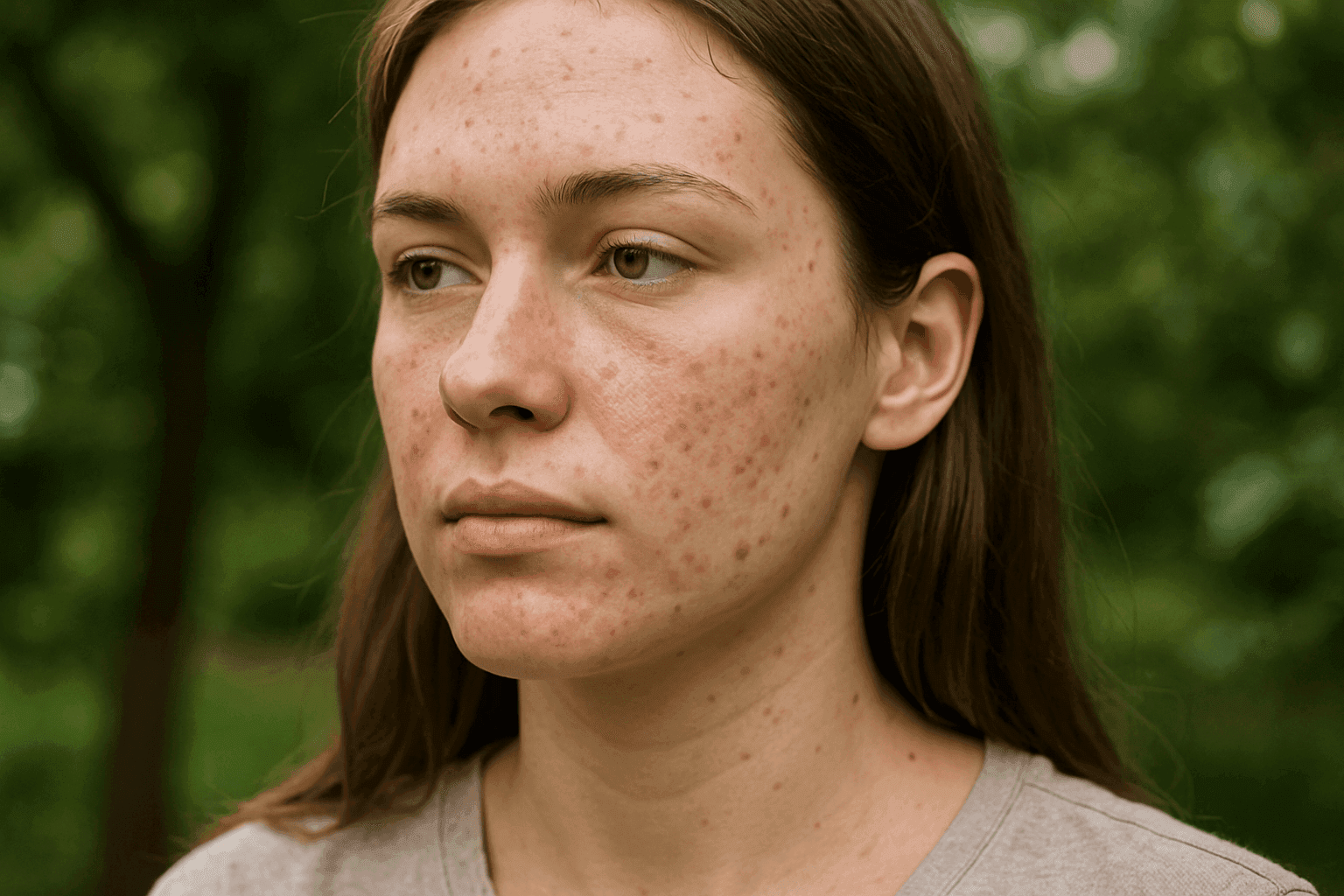
Fungal acne [Malassezia folliculitis] is caused by yeast overgrowth in hair follicles, not clogged pores or bacteria. It shows up as small, uniform, itchy bumps on the forehead, chest, or back, and it worsens with typical acne treatments like salicylic acid or benzoyl peroxide. Bacterial acne, by contrast, involves a mix of blackheads, whiteheads, and cysts that usually improve with those same products.
- Fungal acne is triggered by heat, sweat, antibiotics, and occlusive skincare
- Antifungal ingredients like zinc pyrithione, selenium sulfide, and ketoconazole help address it
Those Tiny Bumps Aren't Always Pimples
You've got small, red or white bumps across your forehead or cheeks. They itch a little. They're not responding to your regular acne routine. In fact, the more you exfoliate or "dry them out," the angrier they get.
Chances are, you're not dealing with traditional acne at all. You might be dealing with fungal acne, more accurately known as Malassezia folliculitis.
It's incredibly common. And incredibly misdiagnosed.
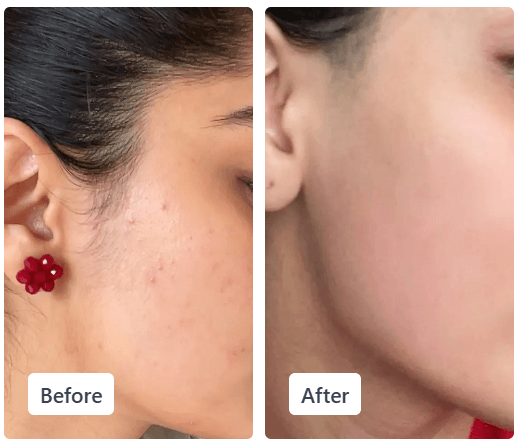
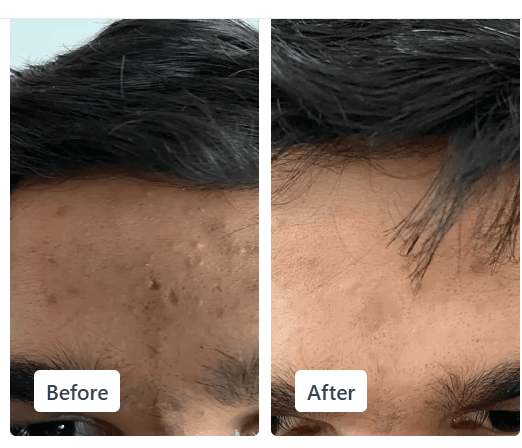
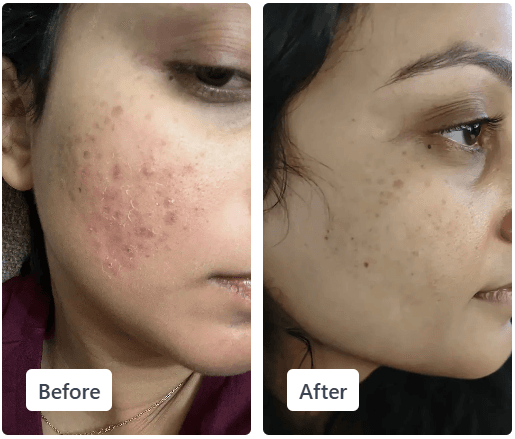
See real results, then start your own
Take the free Clear Ritual Skin Test and get a personalized routine built for your skin's unique patterns.
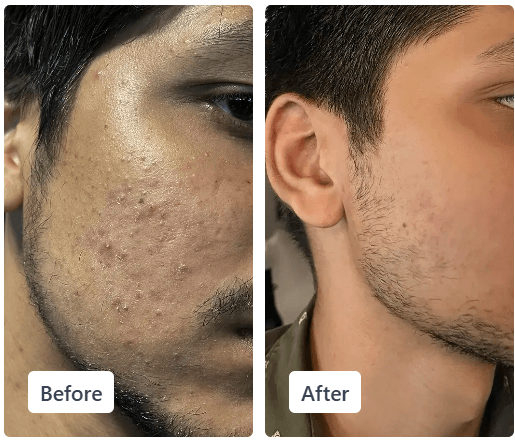
What Is Fungal Acne?
Despite its name, fungal acne isn't true acne. It's not caused by clogged pores or oil, it's caused by an overgrowth of yeast (specifically Malassezia) that naturally lives on your skin.
When this yeast grows out of control [usually due to humidity, sweat, antibiotics, or skincare products that disrupt your barrier], it causes:
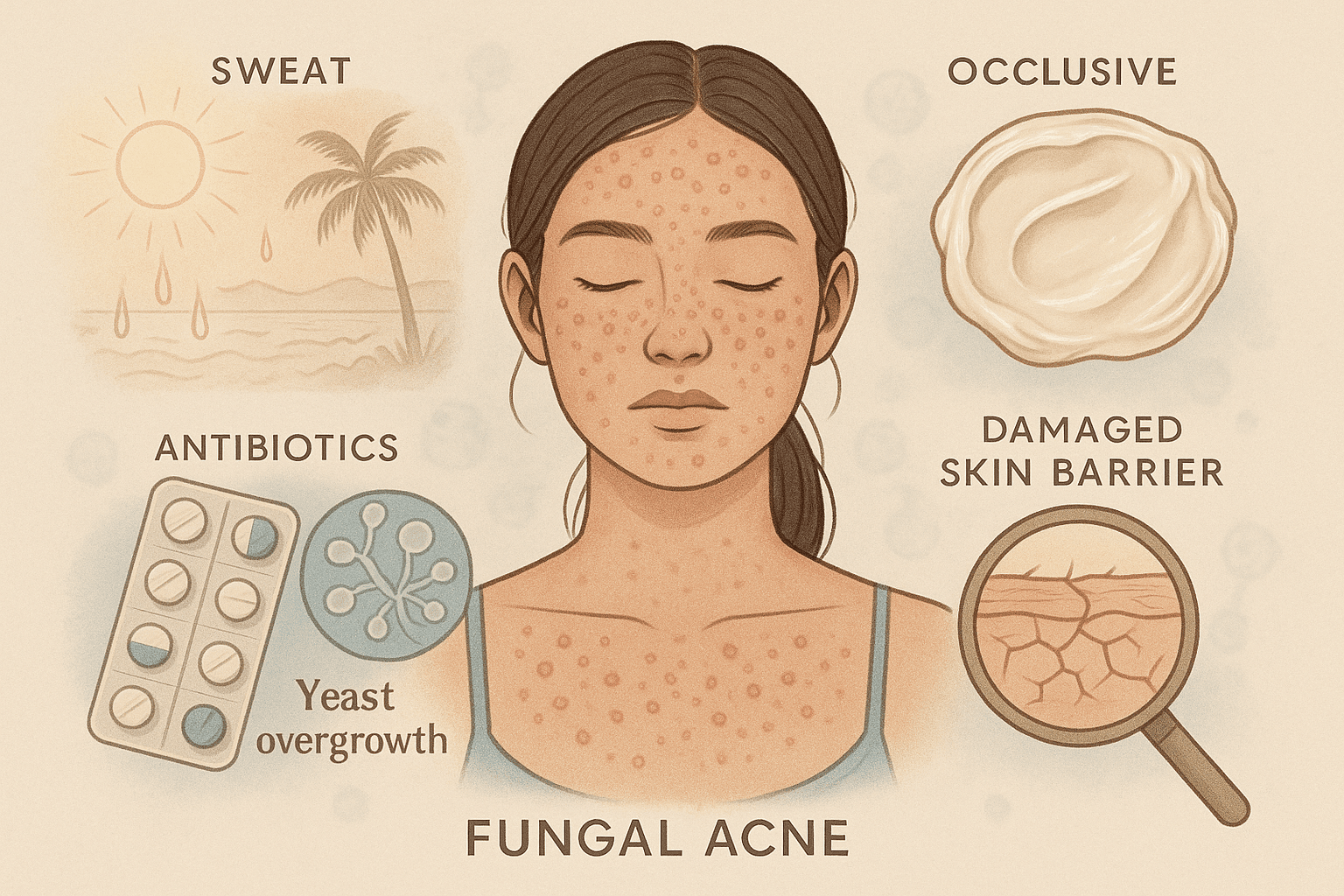
- Inflammation of the hair follicles
- Clusters of red or white bumps
- Itching, burning, or sensitivity
The tricky part? It looks like acne, but behaves very differently.
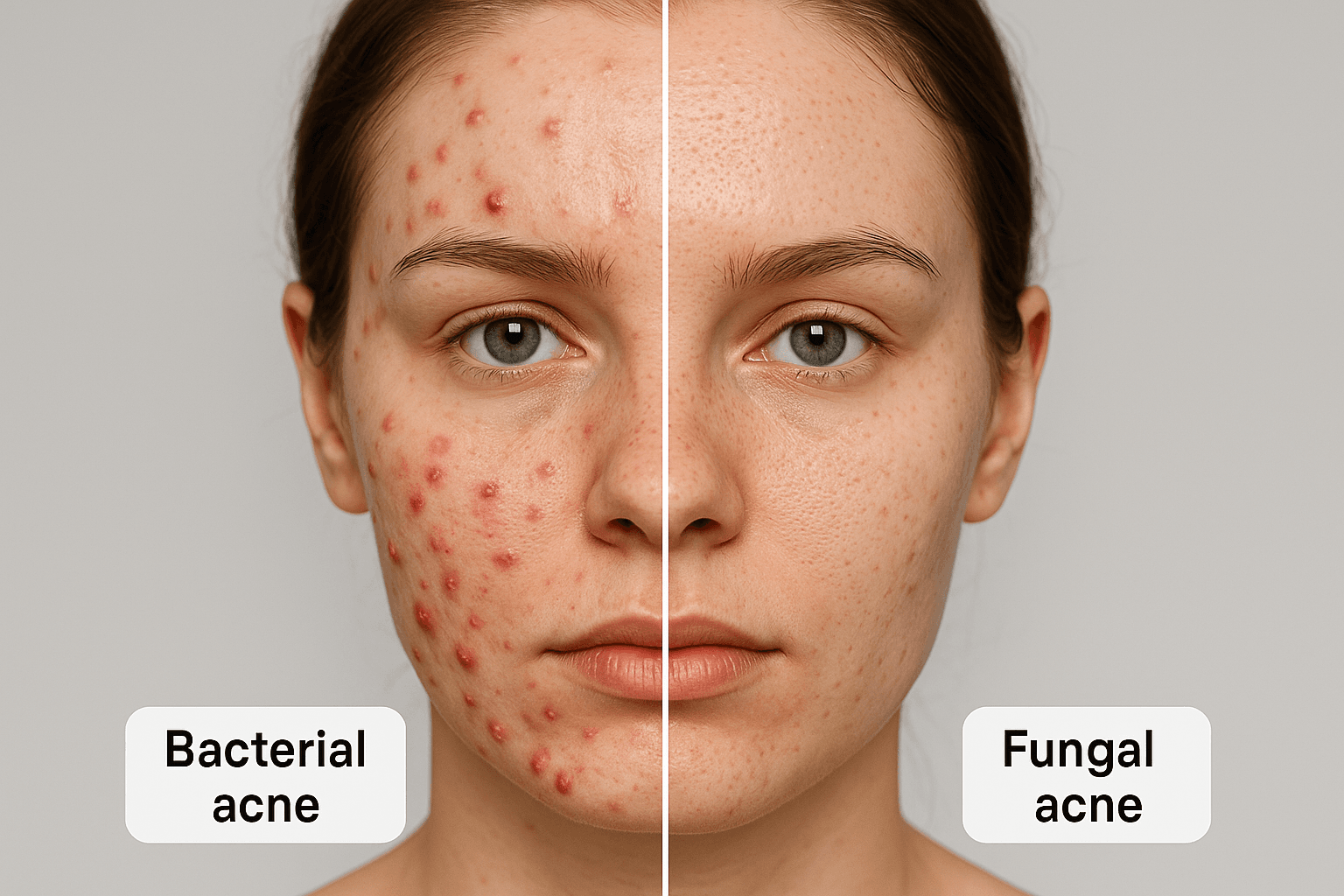
Fungal vs Bacterial Acne: Spot the Difference
| Feature | Fungal Acne | Bacterial Acne |
|---|---|---|
| Cause | Yeast (Malassezia) | Bacteria (C. acnes) |
| Appearance | Uniform small bumps (often itchy) | Mix of whiteheads, cysts, blackheads |
| Location | Forehead, temples, chest, back | Jawline, cheeks, forehead |
| Response to Acne Products | Worsens | Improves |
| Triggers | Heat, sweat, antibiotics, occlusive skincare | H |
If you've used acne treatments like salicylic acid or benzoyl peroxide and things are getting worse, fungal acne could be the reason.
!Fungal Acne Bacterial vs fungal
See real results, then start your own
Take the free Clear Ritual Skin Test and get a personalized routine built for your skin's unique patterns.
Common Fungal Acne Triggers
Several factors can throw off your skin's fungal balance:
1. Sweating and Humidity
Malassezia thrives in warm, moist environments, making sweaty skin, tight clothing, and humid climates major triggers.
2. Occlusive Skincare Products
Heavy moisturisers, face oils, and sunscreens with esters or polysorbates can feed yeast. Fungal acne doesn't like oils, it feeds on them.
3. Antibiotic Use
Oral or topical antibiotics kill bacteria, but not yeast. This can shift your skin's balance and let fungi overgrow.
4. Weakened Skin Barrier
Over-exfoliation, stripping cleansers, or strong actives can make your skin vulnerable to both fungal and bacterial overgrowth.
How to Know for Sure (and What to Do Next)
Fungal acne often flares in clusters, not single pimples, and doesn't form blackheads or deep cysts.
It may feel itchy, tingly, or oddly reactive to products that previously worked fine.
If you suspect it:
- Pause all heavy skincare and makeup
- Switch to fungal-safe products (fragrance-free, oil-free, no esters)
- Incorporate anti-fungal ingredients
Ingredients That Help Fungal Acne
| Ingredient | How It Works |
|---|---|
| Zinc Pyrithione | Anti-fungal, reduces Malassezia activity |
| Selenium Sulfide | Antifungal and anti-inflammatory (used in dandruff shampoos) |
| Ketoconazole | Prescription-level antifungal used topically |
| Sulfur | Antimicrobial + antifungal, works well in short contact cleansers |
How to use:
- Apply anti-fungal shampoo (like Nizoral or Selsun) as a face/body mask 2-3 times a week for 5-10 minutes
- Use a zinc-based cleanser for daily maintenance
- Moisturise with fungal-safe gel-based hydrators only
Avoid:
- Fatty acids (oleic acid, lauric acid)
- Esters, polysorbates, fermented ingredients
- Occlusive oils (like coconut oil, which feeds fungal growth)
Why Fungal Acne Gets Misdiagnosed
Most people (and even some professionals) mistake fungal acne for:
- Regular comedonal acne
- Heat rash
- Allergic reaction
- Folliculitis from shaving or waxing
This leads to the wrong treatments [exfoliants, acids, antibiotics], all of which worsen the fungal imbalance.
If your breakouts flare every time you sweat, wear makeup, or travel to humid climates... fungal acne is a possibility worth exploring.
Bumps Might Not Be Acne
| Feature | Fungal Acne | Regular Acne |
|---|---|---|
| Appearance | Small, uniform, itchy | Mixed, blackheads, whiteheads, cysts |
| Triggers | Heat, sweat, occlusive products | Hormones, oil, bacteria |
| Best Treatment | Antifungals (zinc, selenium, ketoconazole) | Salicylic acid, retinoids, BP |
| Worst Mistake | Using more exfoliants or antibiotics | Ignoring oil control or barrier care |
| Clear Ritual's Role | Fungal-safe, calming skincare routines | Custom routines for all acne types |
How Clear Ritual Supports Personalized Skincare Decisions
Clear Ritual understands that fungal acne is more than a surface issue. It is shaped by genetics, skin renewal cycles, environmental factors, and the products you use.
Because fungal acne forms when yeast (Malassezia) overgrows on the skin due to heat, sweat, antibiotics, or occlusive skincare that disrupts the skin barrier, generic solutions rarely bring lasting improvement. Clear Ritual combines traditional wisdom and modern science to address the underlying causes of fungal acne.
The Clear Ritual Skin Test analyses your skin's unique patterns and daily influences to help identify the best routine for supporting healthy skin and reducing fungal acne recurrence.
See real results, then start your own
Take the free Clear Ritual Skin Test and get a personalized routine built for your skin's unique patterns.
Conclusion
Fungal acne is often mistaken for regular acne, heat rash, or allergic reactions, but it is actually caused by yeast overgrowth rather than clogged pores or bacteria. It responds poorly to standard acne treatments and instead needs antifungal ingredients like zinc pyrithione, selenium sulfide, ketoconazole, or sulfur, along with a barrier-focused, fungal-safe routine. Recognising the difference between fungal and bacterial breakouts is the key to treating them correctly and preventing recurrence.
Frequently Asked Questions
What is fungal acne and how is it different from acne?
Fungal acne is caused by yeast overgrowth in hair follicles, not clogged pores or bacteria. It appears as small, uniform, often itchy bumps and reacts poorly to typical acne treatments.
Why do acne products make fungal acne worse?
Ingredients like salicylic acid, benzoyl peroxide, exfoliants, and antibiotics don't kill yeast. Some even damage the skin barrier or feed fungal growth, worsening breakouts.
How can I tell if my bumps are fungal acne?
Fungal acne tends to appear in clusters, itch or tingle, flare with sweat or humidity, and doesn't form blackheads or deep cysts.
What ingredients actually help treat fungal acne?
Antifungal ingredients like zinc pyrithione, selenium sulfide, ketoconazole, and sulfur help reduce yeast overgrowth and calm inflammation.
Can fungal acne come back after treatment?
Yes. Without barrier repair and fungal-safe skincare, triggers like sweat, occlusive products, or antibiotics can cause fungal acne to recur.
Editorial Standards
Clear Ritual has Strict sourcing guidelines to ensure our content is accurate and current. We rely on peer-reviewed studies, academic research institutions, and medical associations. We strive to use primary sources and refrain from using tertiary references. See a mistake? Learn More about our Editorial Standards.