Itchy Acne: When It Could Be Fungal
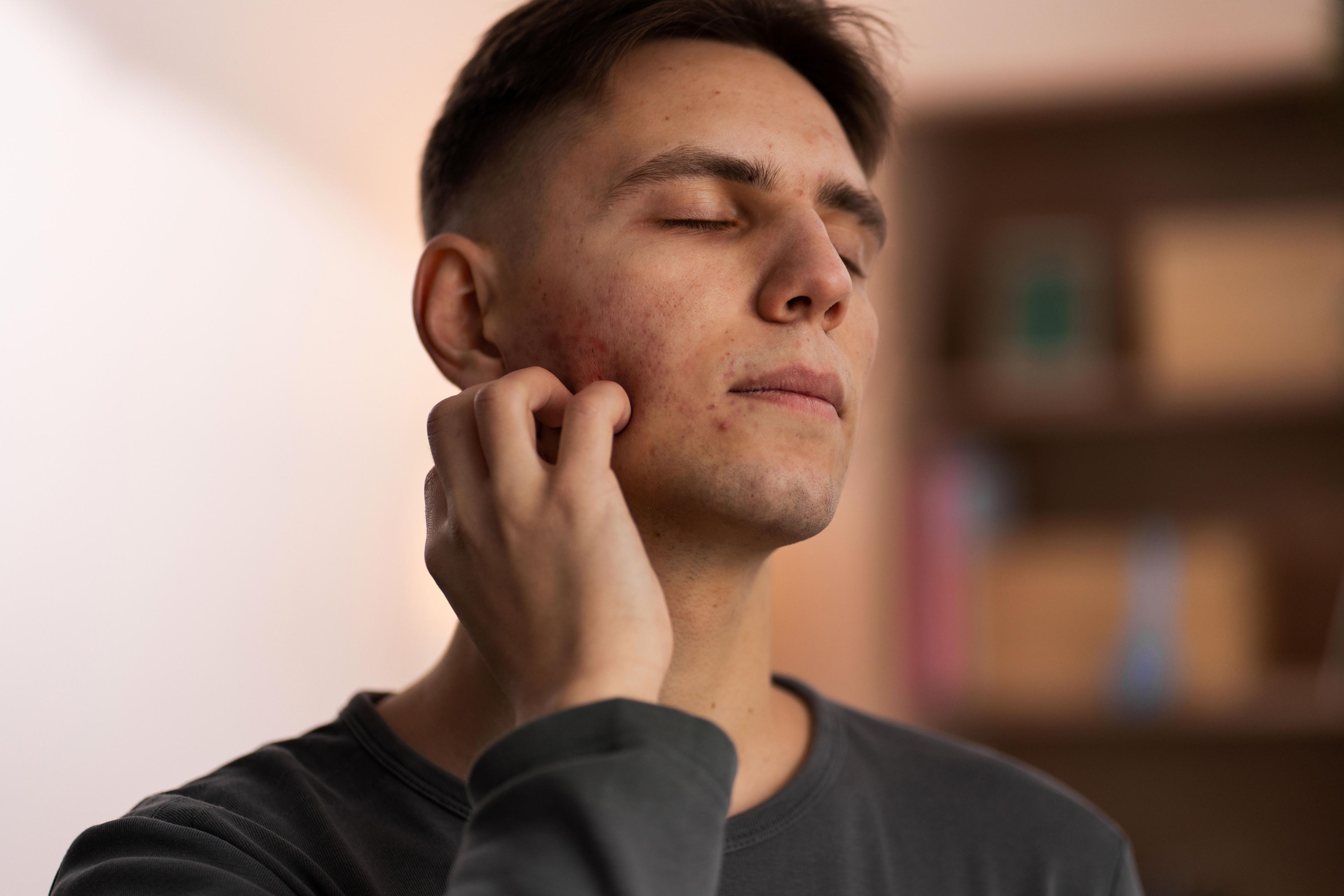
Itchy acne could be fungal if it appears as small, uniform, sand-sized bumps on the forehead, chest, upper back, or shoulders, feels intensely itchy, and worsens with topical or oral antibiotics. Fungal acne is caused by an overgrowth of Malassezia yeast in the hair follicles, unlike regular acne, which stems from clogged pores and bacteria. Itchy acne can also result from trapped sweat, dry or irritated skin, or overuse of strong topical treatments. Immediate relief includes a cold compress, avoiding scratching, and washing off sweat with a gentle, non-comedogenic cleanser.
- Small, uniform, itchy bumps on the forehead, chest, back, or shoulders may signal fungal acne
- Worsening with antibiotics is a key fungal indicator
- Trapped sweat, dryness, or harsh treatments can also cause itchy acne without infection
What is Itchy Acne?
Itchy acne is a symptom that occurs when acne on the skin becomes irritated or when a breakout is caused by a different underlying skin condition. When breakouts itch, it usually points to deep inflammation, a compromised skin barrier, or a look-alike condition like fungal acne.
Regular acne and itchy acne, most commonly fungal acne, stem from entirely different biological root causes, present with distinct physical traits, and require completely different treatment approaches.
Oral or topical antibiotics, common acne treatments, can disrupt your skin's natural flora and worsen fungal acne. Benzoyl peroxide, on the other hand, may still be tolerated.
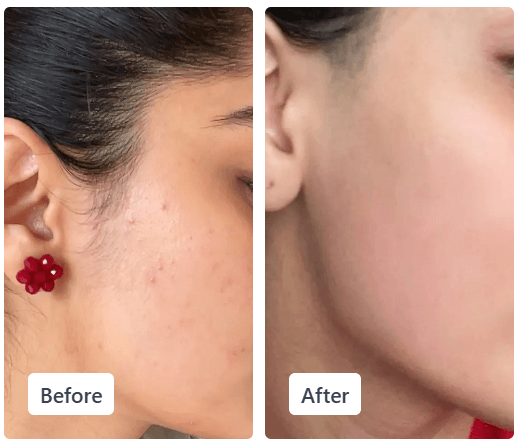
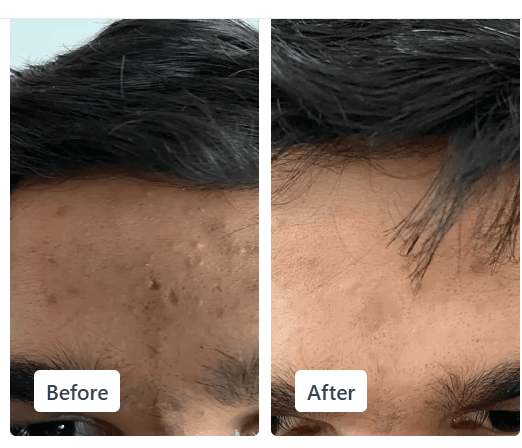
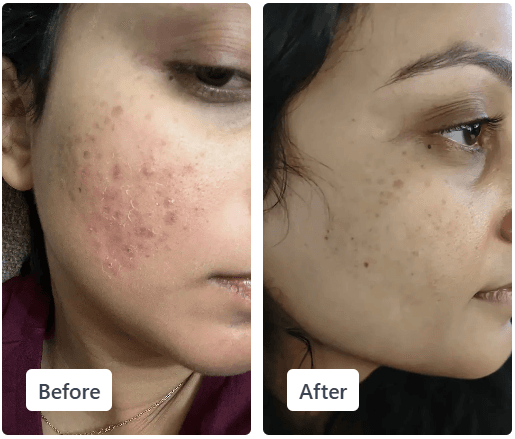
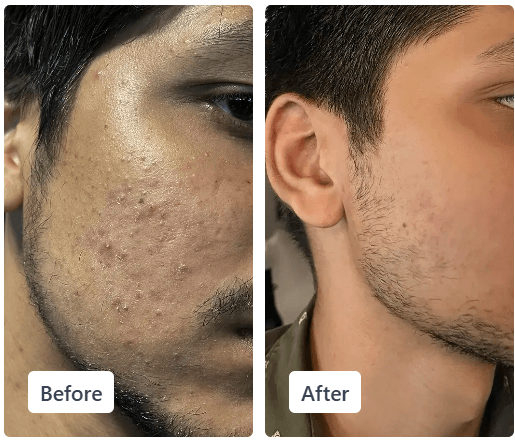
See real results, then start your own
Take the free Clear Ritual Skin Test and get a personalized routine built for your skin's unique patterns.
Itchy Skin Conditions
Itchy skin is typically caused by localised skin issues like dry skin, eczema, or bug bites, but it can also signal issues like liver, kidney, or thyroid diseases in some people.
Persistent itching with no visible rash, or itching accompanied by fever or severe pain, requires a professional medical evaluation.
Some common causes of itchy skin conditions and what triggers them are:
| Cause | Common Triggers |
|---|---|
| Dry Skin | Winter weather, frequent hot showers, ageing, and low humidity |
| Eczema & Psoriasis | Stress, genetics, immune reactions, harsh soaps, and environmental allergens |
| Allergies | Fragrances, nickel, cosmetics, poison ivy, and certain medications |
| Infections & Parasites | Scabies, lice, bedbugs, bacterial, viral, and fungal infections (ringworm) |
| Systemic Conditions | Liver disease, kidney failure, thyroid issues, diabetes, and anaemia |
What Causes Itchy Acne?
While acne is typically tender or painful rather than itchy, breakouts can begin to itch due to skin barrier damage, severe pore inflammation, drying acne medications, or a completely separate condition mimicking acne.
When itchiness accompanies a breakout, it is usually a sign that your skin is highly irritated, infected with yeast, or in the process of healing.
Some causes of itchy acne are:
- Overused active ingredients: Excessive use of benzoyl peroxide, salicylic acid, or retinoids in skincare can strip oils and damage the skin barrier.
- Fungal acne: Yeast overgrowth in the hair follicles causes small, uniform, intensely itchy bumps.
- Histamine release: In severe cystic acne, deep inflammation can release histamine and other chemical messengers that trigger itch receptors in the skin.
- Skin healing process: Cellular turnover and peeling during the natural healing phase of skin or nerve regrowth can also cause a mild itch.
- Bacterial folliculitis: Infected hair follicles from shaving, sweating, friction, or hot tubs.
- Allergic contact dermatitis: Adverse reactions to new skincare or active ingredients, fragrances, or cosmetics.
- Trapped sweat: Working out or wearing tight clothing in humid conditions traps sweat against the skin and worsens breakouts.
See real results, then start your own
Take the free Clear Ritual Skin Test and get a personalized routine built for your skin's unique patterns.
How to Control Itchy Acne?
To control itchy acne, your focus should be to soothe inflammation and protect your skin barrier.
Never scratch or pick pimples, even if it feels tempting or satisfying, as this worsens inflammation, causes scarring, and spreads bacteria.
If your itchy acne does not improve, persists, or causes severe pain or cysts, it is best to visit a dermatologist for consultation and get proper treatment.
Fungal Acne vs Itchy Acne
Sometimes fungal acne gets confused with:
- Hormonal acne
- Closed comedones
- Heat rash
- Bacterial folliculitis
- Skin irritation from skincare products
All of these can create small bumps on the skin, but fungal acne usually behaves differently. It tends to look repetitive, tiny, itchy bumps that all look strangely similar.
| Fungal Acne | Itchy Acne |
|---|---|
| It is caused by yeast trapped inside hair follicles. | It is caused by irritation, inflammation, or skin barrier damage. |
| Small, uniform bumps that rarely develop into standard whiteheads or pustules. | Can appear as inflamed pimples, irritated bumps, or acne lesions with itchiness. |
| Often triggered by sweat, humidity, and heavy body oils. | Often triggered by overuse of active ingredients, inflammation, or dryness. |
| Treated with antifungal products like ketoconazole shampoos or creams. | Treated by soothing inflammation, repairing the skin barrier, and using gentle acne treatments. |
Itchy Acne Treatment
Itchy acne is typically caused by severe dryness, irritation from strong treatments like benzoyl peroxide or retinoids, or a fungal condition called Malassezia folliculitis (fungal acne).
You need to treat it safely by swapping harsh products for soothing, non-comedogenic ingredients and avoiding scratching.
Here are a few ways that help you treat itchy acne at home:
- Reduce use of harsh ingredients: Pause harsh treatments that are drying or irritating, like retinoids or high-strength acids.
- Switch to gentle formulations: Wash your skin with a gentle, fragrance-free cleanser and always apply a non-comedogenic moisturiser to repair a dry, damaged skin barrier.
- Do not use physical exfoliation: Avoid scrubbing or picking at the bumps, which worsens inflammation and spreads bacteria.
A dermatologist may take a skin scraping to confirm a fungal infection or perform a patch test for contact allergies before prescribing treatment.
How to Prevent Itchy Acne?
To prevent itchy acne, you should stop the urge to scratch and soothe the underlying inflammation.
Some effective ways that help you prevent developing them are:
- Avoid scratching your skin: Scratching or picking pimples transfers bacteria and increases the risk of new breakouts and permanent scarring.
- Use a cold compress: For a mild itchy feeling, apply an ice pack or damp washcloth to soothe your skin.
- Avoid overdrying: Do not use harsh treatments like high-strength actives and alcohol-based toners that strip your skin's natural moisture.
- Shower after sweating: Sweat irritates skin and triggers itchy acne; showering after exercise and changing out of sweaty clothes helps prevent them.
- Use hydrating products: Mild cleansers and non-comedogenic moisturisers help maintain the skin barrier without stripping away oils.
How Clear Ritual Supports Personalized Skincare Decisions
Clear Ritual treats acne as connected to your internal health, including hormones, gut health, and stress.
We focus on treatments that address internal triggers like hormones, diet, and gut health, alongside topical care. The Clear Ritual Skin Test helps you with a treatment plan that works for your skin problems based on your skin type and underlying health issues.
We believe mild itchy acne is a sign of normal inflammation or the skin's natural healing process and can be treated with the right mild products. However, intense, itchy acne that spreads rapidly or does not respond to standard treatments may be due to a fungal infection or an allergic reaction.
See real results, then start your own
Take the free Clear Ritual Skin Test and get a personalized routine built for your skin's unique patterns.
Conclusion
Itchy acne can result from dry or irritated skin, trapped sweat, overuse of harsh treatments, or an overgrowth of Malassezia yeast that causes fungal acne. Look for small, uniform, itchy bumps on the forehead, chest, upper back, or shoulders that worsen with antibiotics as signs of a fungal cause. Soothing the skin barrier with gentle, non-comedogenic products, avoiding scratching, and showering after sweating can help control and prevent itchy acne. If symptoms persist or worsen, a dermatologist can confirm whether a fungal infection or allergic reaction is involved.
References
Frequently Asked Questions
What does it mean when your acne is itchy?
If your acne is itchy, it usually means your skin is experiencing inflammation, severe dryness from treatments or certain products, or a compromised skin barrier. Sometimes it can also mean you have a fungal infection or an allergic reaction to new products.
How to relieve acne itch?
To relieve acne itch, you need to restore the skin barrier by hydrating it with mild, non-comedogenic, and fragrance-free products. You should also avoid scratching or picking your skin and layering too many active ingredients, as this can cause further irritation and scarring.
Is itchy acne fungal?
No, itchy acne is not always fungal. But if you are experiencing intensely itchy, bumpy rashes, they could be fungal acne.
What are the signs that your acne is healing?
The signs that your acne is healing include reduced redness, less swelling, and a relatively flatter bump. The pimple may also start to drain naturally with mild peeling and flaking.
What can cause itchy pimples?
Intense inflammation, harsh treatments that dry skin, a damaged skin barrier, excessive sweating or humidity, product reactions, or skin conditions like dermatitis can often cause itchy pimples.
Editorial Standards
Clear Ritual has Strict sourcing guidelines to ensure our content is accurate and current. We rely on peer-reviewed studies, academic research institutions, and medical associations. We strive to use primary sources and refrain from using tertiary references. See a mistake? Learn More about our Editorial Standards.