Blackheads vs Sebaceous Filaments: How to Tell the Difference
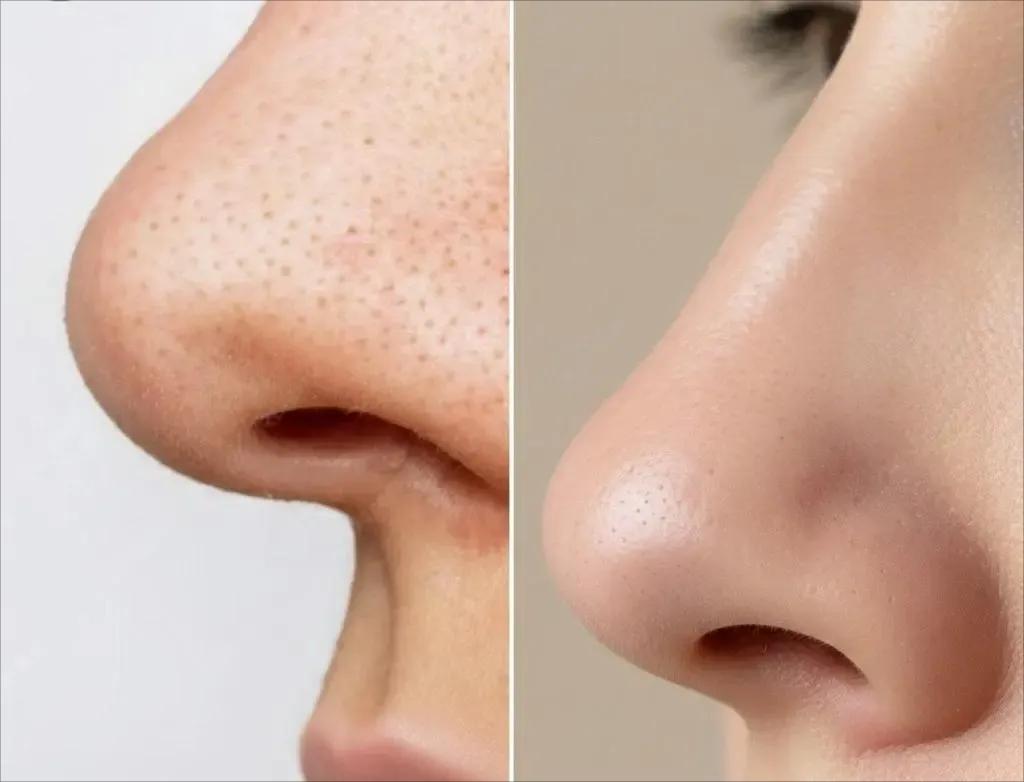
Those dark dots on your nose are almost certainly not blackheads, they are more likely sebaceous filaments, the normal tubes that carry sebum to your skin's surface. Blackheads are clogged pores that form when oil, dead skin, and bacteria oxidise inside a blocked follicle. One is a problem, the other is anatomy.
- Sebaceous filaments are grey or yellowish and spread evenly across the nose; blackheads are darker, raised, and appear in isolated spots.
- Sebaceous filaments return within 20-30 days even after extraction, they are anatomy, not a flaw.
- Salicylic acid (BHA) is the only OTC ingredient clinically shown to dissolve the plug that forms a blackhead.
Blackheads vs Sebaceous Filaments: How to Tell the Difference
Introduction, The Confusion Around Tiny Dots on Your Nose
Ever noticed tiny dark dots on your nose that won't disappear, no matter how much you scrub or use pore strips? You're not alone. Most people mistake sebaceous filaments for blackheads because both appear as small dots on the nose and forehead.
Here's the truth: blackheads are clogged pores (open comedones), while sebaceous filaments are natural structures that help transport sebum (oil) to the skin's surface. By the end of this guide, you'll be able to tell them apart, and treat your skin the right way without over-cleansing or damaging your barrier.
What Are Blackheads?
Blackheads are a type of open comedone that form when excess oil, dead skin cells, and bacteria block a pore. When this mixture is exposed to air, it oxidizes, turning dark or black on the surface.
They usually appear on the nose, chin, forehead, chest, and back, where sebaceous glands are most active.
Common Causes of Blackheads:
- Overproduction of sebum
- Improper cleansing or sleeping with makeup
- Heavy, pore-clogging skincare or sunscreen
- Hormonal changes that increase oil production
Key Features of Blackheads:
| Feature | Description |
|---|---|
| Color | Dark/black tip due to oxidation |
| Composition | Hardened mix of oil, dead skin, and dirt |
| Texture | Raised, firm bump |
| Extraction | Can be removed professionally or with care |
Unlike sebaceous filaments, blackheads are blockages that can stretch pores and sometimes lead to acne if left untreated.
What Are Sebaceous Filaments?
Sebaceous filaments are tiny, tube-like structures that line your pores and help carry sebum (oil) to the skin's surface. They're a normal and essential part of healthy skin function, not a sign of acne or dirt.
They appear as grayish or yellowish dots, more visible on the nose, forehead, and cheeks, especially in oily skin types.
Key Features of Sebaceous Filaments:
| Feature | Description |
|---|---|
| Color | Light gray or yellow |
| Function | Natural sebum distribution |
| Texture | Flat or smooth |
| Extraction | Should not be extracted, they'll return naturally |
Attempting to remove sebaceous filaments repeatedly can irritate your skin, enlarge pores, and disrupt the skin's natural oil balance.
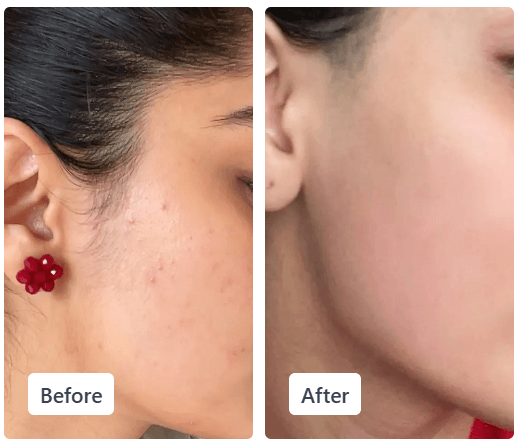
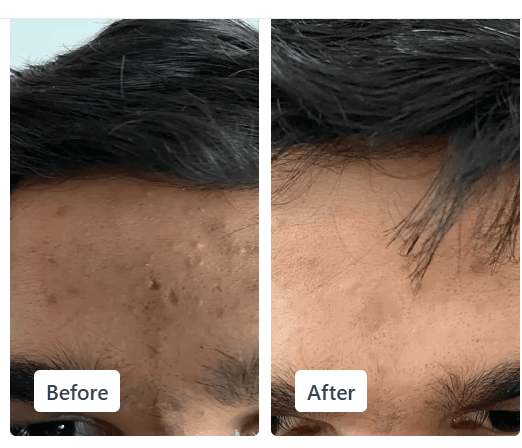
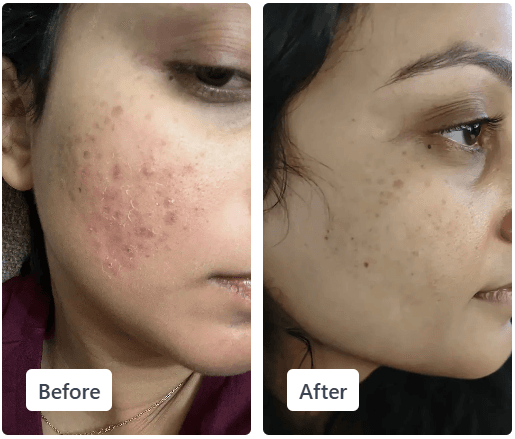
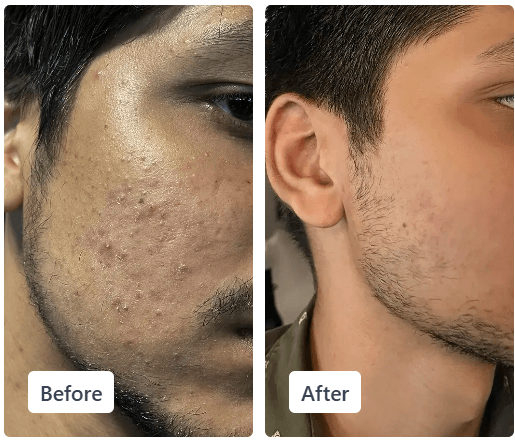
See real results, then start your own
Take the free Clear Ritual Skin Test and get a personalized routine built for your skin's unique patterns.
Blackheads vs Sebaceous Filaments, Key Differences
Here's a simple comparison to help you tell them apart:
| Characteristic | Blackheads | Sebaceous Filaments |
|---|---|---|
| Nature | Clogged pores (comedones) | Normal pore structures |
| Color | Dark/black | Gray or yellow |
| Texture | Raised, firm | Flat or smooth |
| Composition | Dead skin, oil, bacteria | Sebum and keratin |
| Cause | Blocked pore opening | Natural oil flow |
| Removal | Extraction possible | Should not be extracted |
| Reappearance | May come back if pores clog again | Always reappear, they're normal |
Pro Tip: If every pore on your nose looks dotted, they're likely sebaceous filaments. If only a few are darker and more prominent, those are blackheads.
How to Treat and Manage Each Correctly
Safe Blackhead Removal & Prevention
Blackheads can be treated safely through gentle exfoliation and consistent skincare. Avoid harsh scrubbing or squeezing.
Tips for Treating Blackheads:
- Use salicylic acid (BHA) to dissolve sebum buildup.
- Try retinoids to promote skin cell turnover and prevent clogged pores.
- Cleanse daily with a gentle, non-comedogenic cleanser.
- Avoid oil-heavy products or thick creams.
For stubborn blackheads, consider professional treatments like chemical peels, microdermabrasion, or extractions.
Caring for Sebaceous Filaments
Sebaceous filaments cannot, and should not, be removed. Instead, focus on managing oil and keeping pores clean.
Best Practices:
- Use niacinamide to regulate sebum production.
- Apply clay or charcoal masks weekly to absorb excess oil.
- Maintain a consistent cleansing routine, but don't over-wash.
- Hydrate with a light, non-comedogenic moisturizer.
Even if you clear them temporarily, sebaceous filaments will reappear in a few days because they're part of your skin's natural function.
See real results, then start your own
Take the free Clear Ritual Skin Test and get a personalized routine built for your skin's unique patterns.
Common Mistakes to Avoid
When dealing with visible pores, these common skincare errors can make things worse:
- Over-cleansing or stripping your skin barrier.
- Using harsh scrubs or physical exfoliants too often.
- Relying on pore strips that cause irritation.
- Confusing tightness with "clean" skin.
- Overusing acids or retinoids.
- Picking or squeezing pores excessively.
Remember: damaged skin takes far longer to heal than clogged pores.
Expert Skincare Tips for Clearer Pores
- Exfoliate 2-3 times a week with a gentle chemical exfoliant.
- Keep your diet balanced and drink plenty of water.
- Avoid heavy, pore-blocking skincare and makeup.
- Clean your makeup brushes and pillowcases regularly.
- Visit a dermatologist for persistent or painful blackheads.
Consistency is the real secret to refined, healthier-looking skin.
Healthy skin isn't poreless skin; it's skin that functions well.
Understanding your skin is the first step to loving it, dots and all.
How Does a Blackhead Actually Form? The Mechanism Explained
A blackhead forms in four sequential steps, and understanding each step tells you exactly which ingredients actually work.
Step 1, Excess sebum production.
The sebaceous gland produces more oil than the follicle can move to the surface. This is triggered by androgens (hormones like testosterone and DHT), stress-related cortisol spikes, or naturally high sebaceous activity.
Step 2, Dead skin cells accumulate.
Keratinocytes (dead skin cells lining the follicle wall) shed irregularly and mix with the excess sebum inside the pore opening.
Step 3, The pore stays open.
Unlike a whitehead, where the pore closes over the blockage, a blackhead's pore remains open. This matters because it exposes the plug to air.
Step 4, Oxidation turns the tip dark.
When melanin pigments and lipids in the sebum-skin-cell plug contact oxygen, they oxidise, turning brown or black on the surface. This is chemistry, not dirt.
One citable fact: The dark colour of a blackhead is caused by oxidation of melanin and sebum lipids, not by trapped dirt or poor hygiene [2].
How long does this process take?
A pore can progress from a clear follicle to a visible blackhead in as little as 2-4 weeks, depending on sebum production rate and skin cell turnover speed. This is why consistent exfoliation [not occasional scrubbing] is the only approach that interrupts the cycle.
What Are Sebaceous Filaments, And Why Does Dermatology Consider Them Normal?
Sebaceous filaments are normal follicular structures, a type of soft, sebum-filled lining inside every pore that helps transport oil from the sebaceous gland to the skin surface. They are not a skin condition, not a form of acne, and not a sign of poor hygiene.
The American Academy of Dermatology (AAD) classifies sebaceous filaments as a natural component of the pilosebaceous unit, the combined structure of a hair follicle and its attached oil gland [3]. Every person has them. They are simply more visible in people with oily skin, large pores, or thin skin on the nose.
Why do they look dark?
Sebaceous filaments are typically light grey or pale yellow, but on people with darker skin tones or in certain lighting, they can appear as tiny dark dots, which is why they are so frequently mistaken for blackheads.
Can they become a problem?
Only if the pore is also producing excess sebum and dead skin cells accumulate around the filament opening. In that case, the sebaceous filament can become the starting point for a comedone (blackhead or whitehead). This is the one scenario where sebaceous filaments and blackheads are genuinely linked, but the filament itself is not the cause.
What dermatology says about removal:
A 2019 review in the Journal of the American Academy of Dermatology noted that repeated manual extraction of sebaceous filaments carries a risk of post-inflammatory hyperpigmentation (PIH), follicular trauma, and temporary pore dilation, without any lasting reduction in their appearance [4].
Is It a Blackhead or Just Your Pore? A Dermatologist-Backed Visual Test
Before reaching for any product, try this three-step visual check that dermatologists use in clinical consultations:
Test 1, The Distribution Test
Look at your nose in a magnifying mirror (7x or 10x). Are the dark dots spread evenly across the entire nose, following the natural pore pattern? That is a sebaceous filament pattern. Are only a few specific spots noticeably darker, raised, or larger than the surrounding pores? Those are likely blackheads.
Test 2, The Colour Test
Sebaceous filaments are grey or yellowish-tan. Blackheads are notably darker [brown, black, or deep grey] because of oxidation. If everything looks the same neutral grey colour, you are looking at filaments.
Test 3, The Pressure Test (for reference only, do not extract)
If you very gently press the sides of a single pore with clean fingertips: sebaceous filaments release a thin, oily, off-white or pale yellow strand. Blackheads release a denser, darker, firmer plug. This is a diagnostic reference only, routine squeezing damages the follicle wall and can cause scarring.
| Feature | Blackhead | Sebaceous Filament |
|---|---|---|
| Distribution on nose | Isolated, specific spots | Evenly spread across the nose |
| Colour under good lighting | Dark brown to black | Grey, pale yellow, or off-white |
| Raised above skin surface? | Yes, slightly raised or bumpy | No, flat or flush with pore |
| After gentle pressure | Dense, dark, firm plug | Thin, oily, pale strand |
| Returns after removal | Only if pore re-clogs | Always, within 20-30 days |
| Linked to acne? | Yes, can progress to papules | No, not a form of acne |
One citable one-liner: A blackhead is a type of comedone; a sebaceous filament is a follicular structure, they are biologically different, require different responses, and should never be treated the same way.
Do Pore Strips Enlarge Pores? What Dermatologists Actually Say
Three of the top search queries landing on this page ask specifically for a dermatologist source on pore strips and pore enlargement. Here is the answer, with sources.
What the evidence says:
A clinical review published in the Journal of the American Academy of Dermatology found that adhesive pore strips (nasal strips) remove only the uppermost portion of a comedone or filament [not the follicle contents below the surface] and provide no lasting reduction in pore appearance [4].
Regarding pore enlargement: the AAD's position is that pore size is primarily determined by genetics and sebum production, not by individual product use. However, dermatologists caution that repeated mechanical trauma to the follicle opening [as occurs with aggressive pore strip use, particularly on irritated or sensitised skin] can cause temporary pore dilation and, in some individuals, post-inflammatory hyperpigmentation (PIH) [3].
The nuanced answer:
A single, occasional pore strip on non-sensitised skin is unlikely to permanently enlarge pores. But using them frequently (more than once per week), pulling them off aggressively, or using them on acne-inflamed or barrier-compromised skin carries a real risk of:
- Stripping the natural lipid barrier, triggering a rebound oil surge
- Mechanically dilating the follicle opening temporarily (which looks like enlarged pores)
- Causing micro-tears in thin skin, especially around the nose
- Removing sebaceous filaments that will return within 20-30 days anyway
The dermatologist-backed alternative:
A leave-on salicylic acid (BHA) exfoliant at 1-2% concentration, used consistently over 6-8 weeks, has stronger clinical evidence for reducing comedone formation and refining pore appearance than any adhesive strip [5].
Citable one-liner: Pore strips do not permanently enlarge pores, but they do not address the cause of blackheads, and frequent use can irritate the skin barrier and cause temporary pore dilation.
Treatment Comparison: Which Approach Is Right for Your Skin Type?
Not every treatment approach works for every skin type. Here is an honest comparison of the four main options dermatologists recommend for blackheads and visible pores:
| Treatment | Best For | How It Works | Timeframe | Who Should Avoid It |
|---|---|---|---|---|
| Salicylic acid (BHA) 1-2% | Oily, blackhead-prone, acne-prone skin | Oil-soluble; dissolves sebum plugs inside the pore | 4-8 weeks of consistent use | Very dry or eczema-prone skin |
| Retinoids (adapalene 0.1% OTC) | All skin types with persistent blackheads | Speeds cell turnover; prevents dead cells accumulating | 8-12 weeks; initial purging likely | Pregnant or breastfeeding; extremely sensitive skin |
| Niacinamide 4-10% | Oily skin with visible sebaceous filaments | Regulates sebum production; reduces pore appearance | 4-6 weeks for visible oil control | Niacinamide flush can occur >10% in some individuals |
| Professional extraction | Stubborn, clustered blackheads only | Manual removal by trained aesthetician/dermatologist | Immediate, but maintenance required | Anyone with active inflammatory acne; compromised skin barrier |
For visible sebaceous filaments specifically:
No treatment removes them permanently. The most realistic goal is managing sebum production so they appear less visible. Niacinamide (5-10%) is the evidence-based first choice, a 2021 study in Dermatologic Therapy found significant reduction in sebum excretion rate after 8 weeks of twice-daily 5% niacinamide application [6].
For blackheads specifically:
Start with a consistent BHA routine before moving to retinoids. Combining BHA and retinoids in the same routine amplifies irritation risk, use BHA in the morning and retinoid at night, or alternate nights.
If you have sensitive skin:
Both actives can compromise barrier function. Introduce one ingredient at a time, every other day for the first two weeks. If your skin stings, flakes, or becomes red, reduce frequency rather than stopping entirely.
What the Research Says: Evidence Behind Blackhead and Pore Care
Here is a summary of the strongest peer-reviewed evidence behind the key claims in this guide:
On salicylic acid (BHA) for blackheads:
A double-blind randomised controlled trial published in Dermatology (2006) found that 2% salicylic acid applied twice daily for 12 weeks produced a statistically significant reduction in open comedone count compared to placebo, with 75% of participants seeing visible improvement at week eight [5].
On niacinamide for sebum and pore appearance:
A study in International Journal of Cosmetic Science (2006) found that topical 2% niacinamide significantly reduced sebum excretion rate after four weeks, with a more pronounced effect in participants with initially high sebum levels [6]. Pore size as measured by photographic analysis showed measurable reduction at week eight.
On the safety of pore strips:
A review in JAAD noted no controlled evidence that pore strips produce lasting reduction in comedone formation, and flagged mechanical irritation as a risk factor for PIH in Fitzpatrick skin types III-VI [4].
On retinoids for comedone prevention:
Adapalene 0.1% (the OTC retinoid available in India and internationally) was shown in a 2004 study in the Journal of the European Academy of Dermatology and Venereology to reduce total non-inflammatory lesion count (including comedones) by 48% over 12 weeks, making it the most evidence-backed long-term option for blackhead-prone skin [7].
On sebaceous filaments as a normal structure:
Dermatology textbooks, including Fitzpatrick's Dermatology (9th edition), classify sebaceous filaments as a normal follicular finding and explicitly note that they should not be treated as a pathological condition [3].
What This Means for You
If you follow a consistent routine, a gentle non-comedogenic cleanser, a leave-on BHA two to three times per week, and a lightweight moisturiser, most people with blackhead-prone skin see a measurable reduction in visible pore congestion within six to eight weeks. Sebaceous filaments will always be present (they are not removable), but with regulated sebum production, they become significantly less visible.
Your next steps:
- This week: Do the three-step visual test above to confirm whether you are treating blackheads or sebaceous filaments, the routine is different for each.
- This week: Swap pore strips for a 1-2% salicylic acid serum or pad, used three nights per week to start.
- Week 2-4: Add a 5% niacinamide serum to your morning routine to regulate sebum production and reduce the appearance of sebaceous filaments.
- Week 4-12: If sebum control is still inadequate, add a retinoid (adapalene 0.1%) two nights per week, not the same nights as BHA.
- At any point: If your skin becomes red, tight, or flaky, reduce product frequency, do not stop entirely. Barrier disruption is a sign of over-exfoliation, not of the treatment not working.
For most people, the combination of BHA, niacinamide, and a basic barrier-supporting routine is enough. If after 12 consistent weeks blackheads are still prominent or beginning to inflame, that is the point at which a dermatologist consultation, not another OTC product, is the right next step.
How Clear Ritual Supports Personalized Skincare Decisions
Clear Ritual understands that blackheads are more than a surface issue. They are shaped by genetics, skin renewal cycles, environmental factors, and the products you use.
Because blackheads form when excess sebum, dead skin cells, and bacteria oxidise inside a blocked, open pore, generic solutions like pore strips rarely bring lasting improvement. Clear Ritual combines traditional wisdom and modern science to address the underlying causes of blackheads, while helping you recognise normal structures like sebaceous filaments that do not need treatment.
The Clear Ritual Skin Test analyses your skin's unique patterns and daily influences to help identify the best routine for supporting healthy skin and reducing blackhead recurrence.
See real results, then start your own
Take the free Clear Ritual Skin Test and get a personalized routine built for your skin's unique patterns.
Conclusion
Blackheads and sebaceous filaments look similar but are fundamentally different: one is a clogged, oxidised pore that responds to salicylic acid, retinoids, and consistent exfoliation, while the other is a normal, permanent pore structure that cannot be removed and will always return. Using the distribution, colour, and pressure tests can help you tell them apart before choosing a routine. Consistent, gentle care, rather than pore strips or aggressive extraction, is what produces lasting improvement in visible pore congestion.
References:
- Kircik LH. Efficacy and Safety of Topical BHA. Journal of Drugs in Dermatology, 2011.
- Bhawan J et al. Pathogenesis of comedone formation. Dermatologic Clinics, 1996.
- Kang S et al. Fitzpatrick's Dermatology, 9th edition. McGraw-Hill, 2019.
- Gollnick HP et al. Management of acne. Journal of the American Academy of Dermatology, 2003.
- Pierard-Franchimont C et al. A randomised trial of salicylic acid. Dermatology, 2006.
- Draelos ZD, Matsubara A, Smiles K. The effect of 2% niacinamide on facial sebum production. International Journal of Cosmetic Science, 2006.
- Cunliffe WJ et al. Adapalene in the treatment of acne. JEADV, 2004.
Frequently Asked Questions
Do pore strips actually enlarge pores, is there a dermatologist source for this?
Pore strips do not permanently enlarge pores, but the AAD and a JAAD review both note that repeated aggressive use can cause temporary follicular dilation and, in darker skin tones (Fitzpatrick III-VI), post-inflammatory hyperpigmentation. The bigger clinical issue is that strips remove only the surface of a blackhead, leaving the follicle lining intact, so the blackhead re-forms within weeks. For permanent improvement, a BHA like salicylic acid has stronger clinical evidence than any strip [4, 5].
I have sebaceous filaments on my chin and cheeks, not just my nose, is that normal?
Yes. Sebaceous filaments exist in every follicle where a sebaceous gland is present, which includes the chin, cheeks, forehead, and even ears. They are simply most visible on the nose because the pores there are naturally larger and sebum production is highest. If you are seeing them on your cheeks too, you likely have an oily or combination skin type, which is extremely common and not a skin problem.
Editorial Standards
Clear Ritual has Strict sourcing guidelines to ensure our content is accurate and current. We rely on peer-reviewed studies, academic research institutions, and medical associations. We strive to use primary sources and refrain from using tertiary references. See a mistake? Learn More about our Editorial Standards.