Blackheads on Nose: Why They’re So Stubborn & How to Treat Them
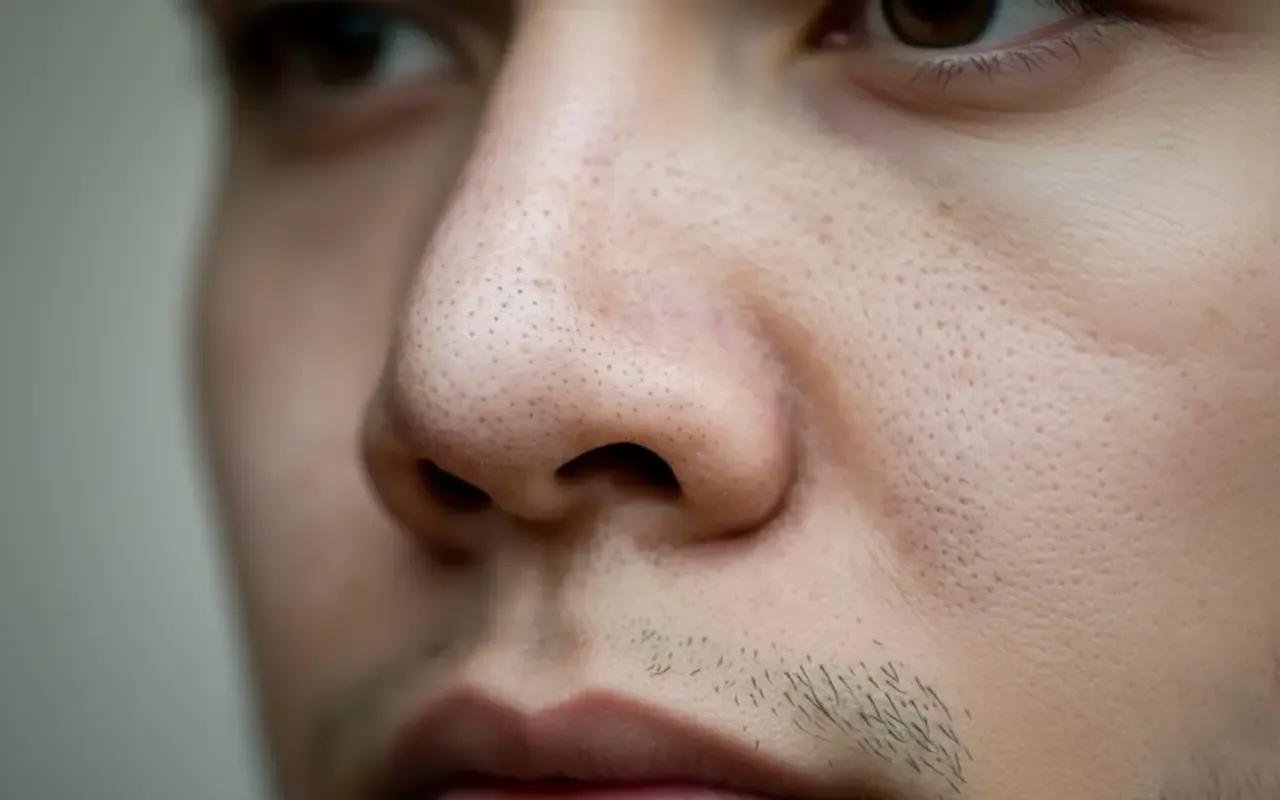
Blackheads on your nose form because the T-zone has more oil glands than almost anywhere else on your face, and trapped sebum oxidises when it meets air, turning dark, not because of dirt. They are open comedones (pores clogged with sebum and dead skin that stay open to the surface). Most people see a meaningful reduction within 8-12 weeks by combining salicylic acid, a retinoid, and a non-comedogenic moisturiser. Extraction alone will not stop them from returning; regulating oil production is the real fix.
- Squeezing damages the pore wall and can cause bruising or dark marks
- Sebaceous filaments (grey dots) are normal and should not be extracted
- Pore size is genetic; exfoliation and niacinamide reduce appearance, not size
Blackheads on Nose: The Direct Answer
Blackheads on your nose don't come from dirt, they form because your nose has more oil glands per square centimetre than almost anywhere else on your face, and that oil oxidises when it hits air, turning dark.
Blackheads are open comedones: pores clogged with a mix of sebum, dead skin cells, and debris. Because the pore stays open to the surface, oxygen reacts with the trapped material and turns it brown or black, that's the oxidation process, not grime from outside.
Most people can reduce nose blackheads significantly within 8-12 weeks using the right combination of salicylic acid (a BHA exfoliant), a retinoid, and a non-comedogenic moisturiser. Extraction alone won't stop them from coming back, regulating oil production is the real fix.
Three things to know upfront:
- Squeezing blackheads damages the pore wall and can cause bruising, scarring, and temporary dark marks that last weeks.
- Sebaceous filaments (small grey dots in the same area) are not blackheads, they're a normal part of your skin and should not be extracted.
- Pore size is genetic; consistent exfoliation and niacinamide can reduce their appearance, but you cannot shrink them permanently.
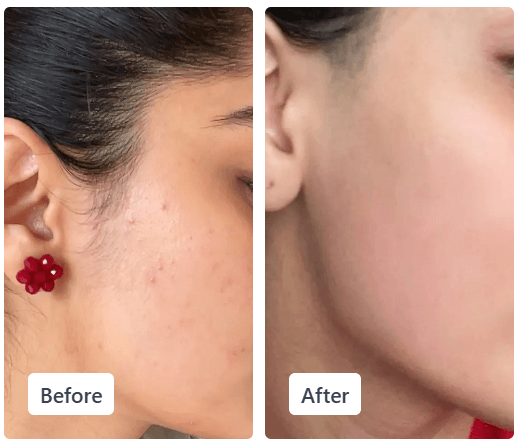
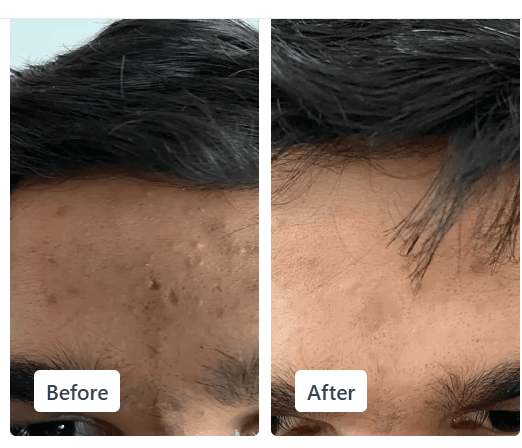
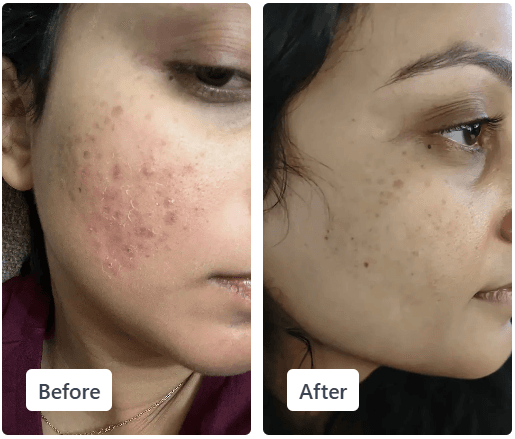
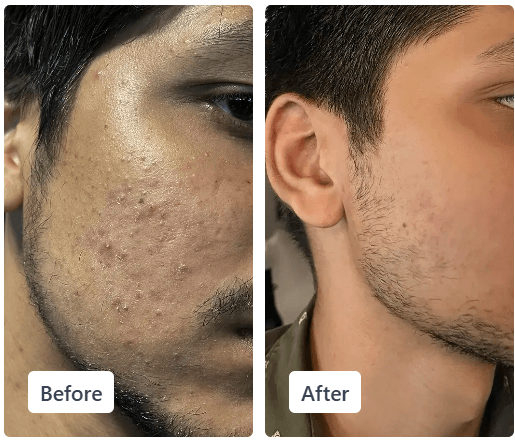
See real results, then start your own
Take the free Clear Ritual Skin Test and get a personalized routine built for your skin's unique patterns.
Blackheads on Nose: Why They're So Stubborn & How to Treat Them
Introduction [Why Nose Blackheads Drive Everyone Crazy]
If you've ever stood too close to a mirror and spotted tiny dark dots across your nose, you're not alone. Nose blackheads are one of the most common, and frustrating, skincare struggles. You remove them one day, and somehow, they seem to be back the next.
These stubborn specks are open comedones, pores clogged with oil, dead cells, and debris that turn dark when exposed to air. According to dermatologists, nearly 50% of adults experience blackheads, especially in the T-zone (nose, forehead, and chin).
In this guide, we'll decode why blackheads love your nose, why they keep coming back, and how to get rid of them safely, backed by dermatologists and real-world skincare science.
What Exactly Are Blackheads?
Blackheads are small, dark-colored spots that form when a pore becomes clogged with excess sebum (oil), dead skin cells, and bacteria. Unlike whiteheads (which are closed comedones), blackheads stay open to the surface. When oxygen meets the trapped material, it oxidizes, turning dark brown or black.
Here's a quick comparison of common pore issues:
Types of Comedones and Extraction Risk
| Type | Appearance | Cause | Extraction Risk |
|---|---|---|---|
| Blackheads | Dark, open dots on nose/chin | Oxidized sebum and debris | Moderate |
| Whiteheads | Small, closed bumps | Trapped oil under skin | High (can scar if squeezed) |
| Sebaceous Filaments | Grayish, evenly spaced dots | Normal oil-channel lining | Low, natural skin feature |
Pro tip: Not every visible dot is a blackhead. Sebaceous filaments, for example, are completely normal and help transport oil, over-treating them can irritate your skin.
See real results, then start your own
Take the free Clear Ritual Skin Test and get a personalized routine built for your skin's unique patterns.
Why Blackheads Love Your Nose
Ever wonder why your nose is a blackhead magnet? Here's the science:
- High oil activity: The nose and surrounding T-zone have a higher concentration of sebaceous (oil) glands.
- Larger pores: Nose pores are naturally wider, so oil, sweat, and dead cells collect easily.
- Environmental buildup: Pollution, sunscreen residue, and makeup clog these pores over time.
- Genetics: People with oily or combination skin are more prone to clogged pores.
Dermatologists explain that the skin microbiome and oil composition on the nose make it the perfect breeding ground for blackheads. Think of your nose as a "pore intersection" [high traffic, high congestion].
Why Nose Blackheads Are So Stubborn
Even when you clean them out, blackheads often return. Here's why:
- Deep Pore Structure: Nose pores are deep, and complete extraction is rarely possible.
- Re-oxidation: Once a pore is exposed, new sebum quickly oxidizes again.
- Over-cleansing or squeezing: Harsh scrubbing damages the skin barrier, triggering more oil production.
- Daily buildup: Sweat, pollution, and makeup keep refilling those pores.
Myths vs Facts About Blackheads
Common Myths and Facts About Blackheads
| Myth | Fact |
|---|---|
| Blackheads are caused by dirt | They're caused by oxidized oil, not dirt |
| You should scrub hard to remove them | Over-scrubbing damages skin |
| Pore strips permanently clear pores | They remove surface buildup only |
| You can shrink pores | Pore size is genetic, but you can minimize their appearance |
The Right Way to Treat Blackheads on Your Nose
Let's break down dermatologist-approved steps for safe, effective blackhead removal.
1. Start with Gentle Cleansing & Exfoliation
Skip harsh scrubs, they can worsen irritation and oil production. Instead, use chemical exfoliants with salicylic acid (BHA), which penetrates deep into pores to dissolve sebum and dead skin.
Dermatologist-approved cleansers:
- Paula's Choice 2% BHA Liquid Exfoliant
- La Roche-Posay Effaclar Purifying Gel
- CeraVe SA Smoothing Cleanser
Use once daily or every other day, depending on your skin's tolerance.
2. Incorporate Retinoids
Retinoids are game-changers for stubborn blackheads. They speed up cell turnover, prevent clogged pores, and smooth uneven texture.
Options:
- Adapalene (Differin), OTC strength
- Tretinoin, prescription retinoid for advanced cases
Be patient, the initial "purging" phase is normal. Within 6-8 weeks, you'll see cleaner pores and fewer new blackheads.
3. Try Clay Masks & Charcoal Treatments
Clay and activated charcoal draw out impurities without stripping the skin.
Use 1-2 times a week:
- Kaolin clay for gentle oil absorption
- Bentonite clay for deeper detox
- Charcoal masks to unclog pores
Always follow up with a hydrating moisturizer to prevent over-dryness and maintain balance.
4. Professional Extraction or Facials
If home care isn't enough, visit a dermatologist or licensed esthetician for safe extraction. They use sterile tools and controlled pressure to remove blackheads without damaging the skin.
After-care tips:
- Avoid touching your face for 24 hours
- Apply soothing ingredients (aloe, niacinamide)
- Use sunscreen, exposed pores are more sensitive to UV damage
5. Maintain with a Consistent Routine
Consistency > intensity. Once you clear your pores, maintenance is key.
Suggested routine:
Morning: Gentle cleanser → Niacinamide serum → Lightweight moisturizer → Sunscreen
Night: BHA cleanser → Retinoid → Moisturizer
Sunscreen prevents oxidation and keeps pores from enlarging due to UV exposure.
What NOT to Do When Treating Nose Blackheads
Here's a quick list to avoid sabotaging your skincare progress.
Blackhead Removal: Do's and Don'ts
| Don't | Do |
|---|---|
| Squeeze blackheads, causes scars | Use chemical exfoliants or get professional extraction |
| Overuse pore strips | Limit to once a week, if at all |
| Skip moisturizer because of oily skin | Choose oil-free, non-comedogenic hydrators |
| Use harsh scrubs daily | Stick to gentle exfoliation 2-3 times a week |
| Expect overnight results | Give your skin 6-8 weeks to renew |
Natural Remedies – Do They Actually Work?
TikTok and DIY blogs often swear by lemon juice, baking soda, and toothpaste masks, but dermatologists warn these can damage the skin barrier and worsen sensitivity.
Safer Natural Options
- Honey: Antibacterial and soothing, apply as a 10-minute mask.
- Green tea: Rich in antioxidants, helps regulate oil.
- Oatmeal masks: Gentle exfoliant for sensitive skin.
These can complement your skincare routine but shouldn't replace medical-grade ingredients like salicylic acid or retinoids.
Reality check: Natural ≠ always safe. Always patch-test before applying anything new.
Preventing Blackheads from Coming Back
The best way to beat blackheads is to stop them before they form.
1. Build a Balanced Skincare Routine
- Cleanse twice daily
- Exfoliate weekly
- Moisturize daily
- Never skip sunscreen
2. Keep Makeup & Brushes Clean
Use non-comedogenic products and wash brushes/sponges weekly to avoid oil buildup.
3. Eat & Hydrate Smartly
A balanced diet supports skin health. Choose:
- Low-glycemic foods (whole grains, veggies)
- Omega-3 fats (fish, flaxseeds)
- Plenty of water
4. Use Niacinamide Regularly
This multitasking ingredient controls sebum and tightens the look of pores. Use 5-10% niacinamide serum in your AM routine.
When to See a Dermatologist
It's time for professional help if:
- Blackheads are persistent despite consistent care
- You experience painful or cystic breakouts
- Pores appear enlarged or inflamed
Advanced Treatment Options
- Chemical peels: Dissolve surface buildup
- Microdermabrasion: Smooths texture and unclogs pores
- HydraFacial: Deep cleansing + hydration in one session
A dermatologist can tailor treatments to your skin type and tolerance for the best long-term results.
What Causes Blackheads on Your Nose? The Real Mechanism
Your nose is anatomically prone to blackheads because of three overlapping factors that compound each other.
1. High Sebaceous Gland Density
The T-zone [nose, forehead, chin] has a significantly higher concentration of oil glands than the rest of your face. This leads to more sebum production, which means more raw material to clog pores in the first place.
2. Wider Pore Openings
Nose pores are naturally wider, which makes them easier for sebum, dead skin cells, and environmental debris to settle into. Unlike closed comedones (whiteheads), these pores stay open, and that open surface is exactly what starts the oxidation process.
3. Oxidation, Not Dirt
Once sebum and dead cells collect inside an open pore, oxygen in the air reacts with melanin and lipids in the material. This oxidation reaction is what turns the plug dark brown or black. The colour is not dirt, it's chemistry.
Additional contributing factors:
- Genetics: If your parents have oily or combination skin, you are more likely to have larger pores and higher sebum output.
- Hormonal fluctuations: Androgens (testosterone-related hormones) increase sebum production. This is why blackheads often worsen around puberty, menstruation, or periods of high stress.
- Barrier damage from over-cleansing: Stripping the skin's protective layer triggers a rebound increase in oil production, which leads to more clogged pores.
- Environmental buildup: Pollution particles and sunscreen residue accumulate on the nose throughout the day, adding to pore congestion.
One-liner: Blackheads form when excess sebum and dead cells oxidise inside an open pore, the dark colour is a chemical reaction, not trapped dirt.
A 2022 review in the Journal of Investigative Dermatology confirmed that sebaceous gland hyperactivity combined with impaired desquamation (dead skin shedding) is the primary driver of comedone formation in the T-zone [1].
Blackheads vs. Sebaceous Filaments: Are You Treating the Wrong Thing?
One of the most common skincare mistakes is treating sebaceous filaments as blackheads, and over-treating them makes your skin worse, not better.
| Feature | Blackheads | Sebaceous Filaments |
|---|---|---|
| Appearance | Dark brown or black dots, often raised | Small, grey or light-tan dots, flat |
| Texture | Slightly raised above skin | Flush with skin surface |
| Distribution | Clustered, irregular | Evenly distributed across nose |
| Cause | Clogged pore with oxidised material | Normal lining of the oil channel |
| What happens if extracted | Pore is temporarily clear; refills with sebum |
Editorial Standards
Clear Ritual has Strict sourcing guidelines to ensure our content is accurate and current. We rely on peer-reviewed studies, academic research institutions, and medical associations. We strive to use primary sources and refrain from using tertiary references. See a mistake? Learn More about our Editorial Standards.
Related Articles
Blackheads vs Sebaceous Filaments: How to Tell the Difference
Published 16 July 2026
Difference Between Nodular Acne and Cystic Acne
Published 17 July 2026
Early Signs and Symptoms of Cystic Acne
Published 16 July 2026
Forehead Acne vs Fungal Acne: Differences in Causes and Treatment
Published 17 July 2026