What is Inflammatory Acne? Causes, Types, and Treatments
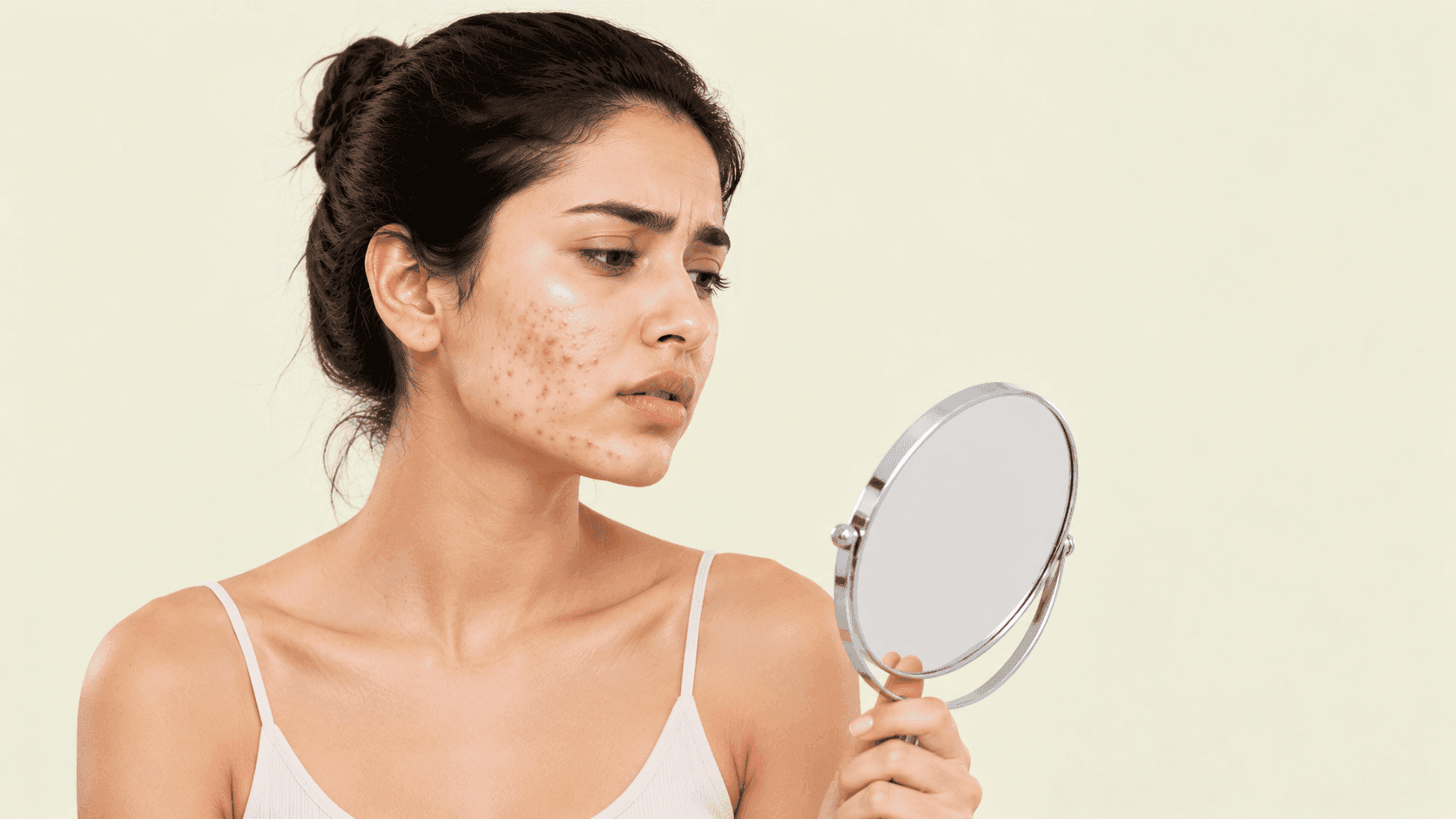
Inflammatory acne is a skin condition marked by red, swollen, painful lesions that form when clogged hair follicles become infected with Cutibacterium acnes bacteria, triggering an immune response. It appears as papules, pustules, nodules, or cysts, and is caused by excess sebum, clogged pores, bacterial overgrowth, and immune reactions. Treatment combines topical medications like benzoyl peroxide and retinoids, oral antibiotics or hormonal agents, dermatologist-led procedures, and lifestyle changes such as diet and stress management.
- Types: papules, pustules, nodules, cysts
- Causes: excess sebum, clogged pores, bacteria, immune response
- Treatments: topical, oral, dermatologist procedures, prevention habits
What Is the Science Behind Inflammatory Acne?
Inflammatory acne develops when dead skin cells and excess oil clog a pore, creating an oxygen-poor environment that allows Cutibacterium acnes (C. acnes) bacteria to multiply. This triggers the immune system, leading to redness, swelling, and pain as the follicle wall ruptures beneath the skin.
This process unfolds in four main stages:
- Hyperkeratinization (The Clog): Skin cells stick together and block the hair follicle opening.
- Seborrhea: Sebaceous glands produce excess sebum due to hormonal changes, trapping oil behind the plug.
- Bacterial Proliferation (Cutibacterium acnes Colonisation): C. acnes bacteria multiply in the clogged, oil-rich, oxygen-poor pore and release irritating enzymes.
- Immune Response (The Inflammation): White blood cells flood the area, causing redness, swelling, and pain. If pressure builds, the follicle wall ruptures, releasing the contents into deeper skin and forming nodules or cysts.
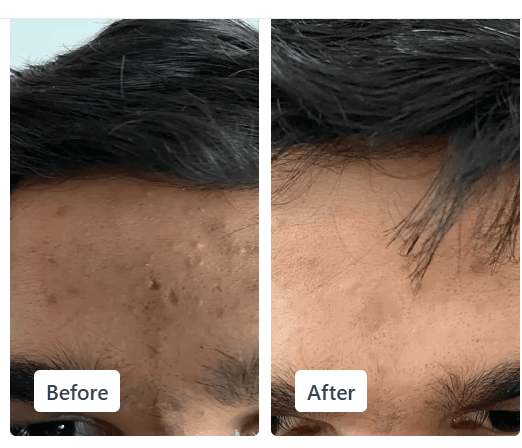
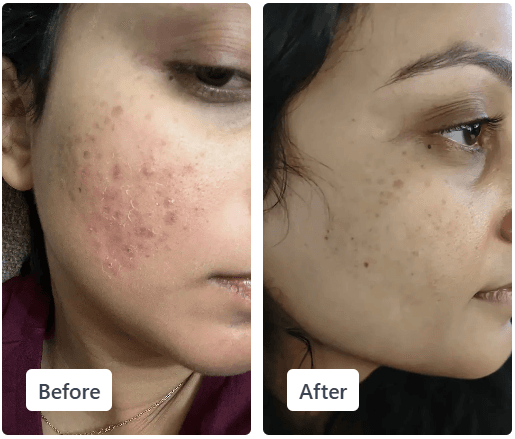
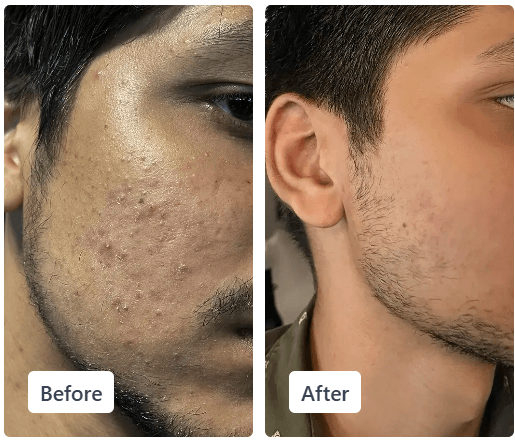
See real results, then start your own
Take the free Clear Ritual Skin Test and get a personalized routine built for your skin's unique patterns.
What Are the Types of Inflammatory Acne?
Inflammatory acne often refers to painful lesions that develop when clogged pores rupture, triggering an immune response. These breakouts can appear as surface-level papules and pustules, or as deeper, more painful nodules and cysts.
Common types of inflammatory acne include the following lesions, each with distinct features:
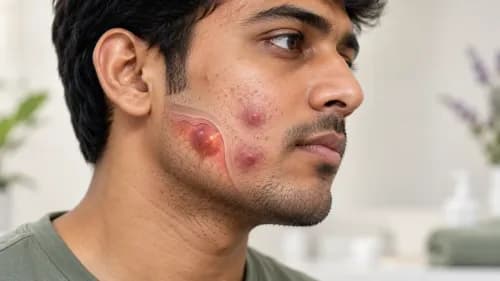
- Papules: Small, tender, red, purple, or brown bumps that form when bacteria and oil break the pore wall. Papules do not contain visible pus.
- Pustules: Classic pimples with an inflamed bump and a visible white or yellow centre, caused by white blood cells collecting at the site.
- Nodules: Large, hard, and extremely painful lumps that develop deep under the skin due to severe bacterial buildup and intense inflammation.
- Cysts: Soft, large, fluid-filled lumps beneath the skin, marked by significant inflammation and pain.
Note: Most acne "cysts" are actually inflamed nodules with liquefied contents, not true cysts (which have an epithelial lining). However, these lesions still carry a high risk of permanent scarring.
What Causes Inflammatory Acne?
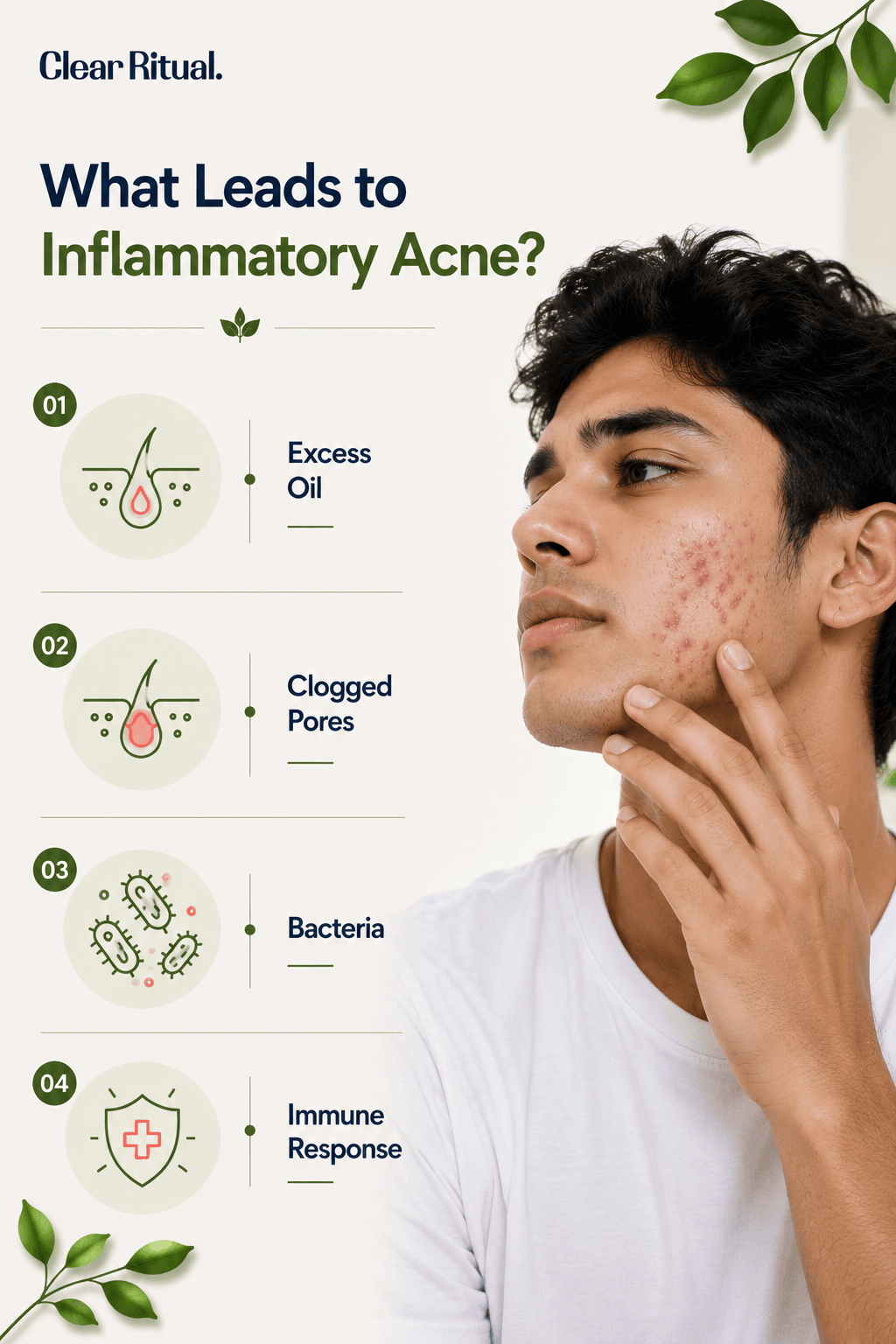
Inflammatory acne is often caused by a blocked pore or hair follicle that triggers an immune response. In some cases, the follicle ruptures, releasing oil, dead skin cells, and bacteria into the surrounding skin, which can lead to redness, swelling, and pain.
Several key biological factors trigger inflammatory acne:
- Excess Sebum Production: Hormonal fluctuations during puberty, menstruation, or periods of stress stimulate the oil glands to produce more sebum.
- Clogged Pores: Dead skin cells build up and block pores, trapping oil and bacteria inside the follicle.
- Bacteria: Cutibacterium acnes multiplies rapidly in the clogged, oily environment.
- Immune Response: Pressure from the clog ruptures the follicle wall, causing severe inflammation.
Worth Knowing: Hormonal changes, genetics, certain foods, high stress, and pore-clogging skincare or makeup can all worsen inflammatory acne. Picking at breakouts also increases irritation and inflammation.
See real results, then start your own
Take the free Clear Ritual Skin Test and get a personalized routine built for your skin's unique patterns.
How to Treat Inflammatory Acne?
Treating inflammatory acne, which appears as painful papules, pustules, nodules, or cysts, requires targeted methods to reduce swelling, eliminate bacteria, and prevent scarring. Effective treatment typically combines topical or prescription medications, dermatologist-led procedures, and specific lifestyle adjustments.
Topical Treatments for Inflammatory Acne
Topical treatments for inflammatory acne use bacteria-killing and pore-clearing ingredients to reduce swelling and prevent new breakouts. Standard options include benzoyl peroxide, topical retinoids, and azelaic acid.
The following table outlines the most effective topical treatments for inflammatory acne:
| Treatment | How It Works | Usage |
|---|---|---|
| Benzoyl Peroxide (BPO) | Kills C. acnes bacteria and breaks down clogged pores. | Use benzoyl peroxide, available in strengths from 2.5% to 10%. |
| Topical Retinoids | Increase cell turnover and reduce inflammation. | Apply OTC (over-the-counter) adapalene, or prescription tretinoin or tazarotene, at night. |
| Azelaic Acid | Kills bacteria, reduces redness, and fades dark spots. | Use 10% OTC or 20% prescription azelaic acid. |
| Salicylic Acid (BHA) | Exfoliates deep inside pores and dissolves oil/debris. | Apply 2% salicylic acid for clogged pores. |
Keep in Mind
- Benzoyl peroxide can bleach fabrics.
- Apply retinoids at night and use sunscreen in the morning.
- Topical retinoids can trigger a temporary "purging" phase (initial breakouts) as deep clogs are pushed to the surface.
- Azelaic acid is gentle and suitable for sensitive or pregnant skin.
- Salicylic acid is best for superficial clogged pores, not deep nodules or pseudo-cysts.
Oral Medications for Inflammatory Acne
Oral medications for inflammatory acne work by targeting bacteria, reducing oil production, and balancing hormones. Common options include antibiotics like doxycycline and minocycline, hormonal agents such as spironolactone or birth control pills, and isotretinoin for severe or treatment-resistant cases.
The table below summarises the most common oral medications for inflammatory acne:
| Medication | How It Works | Key Considerations |
|---|---|---|
| Oral Antibiotics | Reduce bacteria and inflammation. | Use doxycycline or minocycline for 3 to 4 months; combine with topical benzoyl peroxide to help prevent antibiotic resistance. |
| Hormonal Agents | Regulate hormones and lower oil production. | Use birth control pills or spironolactone, prescribed exclusively for female patients. Note: Only certain combined estrogen-progestin birth control pills are approved and effective for treating acne. Not all birth control pills will help with acne management. |
| Isotretinoin (Oral Retinoid) | Addresses clogged pores, bacteria, oil, and inflammation. | Reserve for severe or resistant cases; requires close monitoring by a dermatologist. Note: Isotretinoin is reserved for severe or resistant cases and requires strict pregnancy prevention and close monitoring by a dermatologist. |
| Oral Corticosteroids | Relieve severe inflammation quickly. | Use only short-term for cysts; avoid long-term use due to side effects. |
Dermatologist-Led Procedures for Inflammatory Acne
Dermatologist-led procedures for inflammatory acne include corticosteroid injections to flatten painful cysts, chemical peels to unclog pores, and laser or light therapies to reduce bacteria and inflammation. Dermatologists often combine these treatments with prescription topicals or oral medications for the best results.
The table highlights the most effective dermatologist-led procedures for treating inflammatory acne:
| Procedure | How It Works | Best For |
|---|---|---|
| Intralesional Corticosteroid Injections | Injects a diluted corticosteroid into cysts or nodules to quickly reduce swelling and flatten lesions. | Large, painful nodules or cysts. |
| Chemical Peels | Applies medical-grade acids to exfoliate, unclog pores, and fade dark spots. | Blocked pores and post-inflammatory hyperpigmentation. |
| Laser and Light Therapies | Uses targeted light to kill acne-causing bacteria, shrink oil glands, and calm redness. | Red, inflamed acne and excess oil production. |
| Medical-Grade Extractions | Uses sterile tools to remove deep whiteheads, blackheads, or soft cysts safely. | Non-inflammatory comedones (blackheads and whiteheads); not suitable for deep, highly inflamed nodules or cysts. |
| Photodynamic Therapy (PDT) | Applies a photosensitising solution, then activates it with blue or red light to kill bacteria and shrink oil glands. | Moderate to severe acne and excess oiliness. |
Note: Dermatologist-led procedures for inflammatory acne usually require multiple sessions. Treatments like photodynamic therapy (PDT) or medical lasers can cause temporary redness, peeling, or sun sensitivity after each session.
How to Prevent Inflammatory Acne?
Preventing inflammatory acne relies on consistent skincare, gentle daily habits, and anti-inflammatory lifestyle choices. The most important rule is to avoid picking or squeezing blemishes, as this drives bacteria and debris deeper and increases the risk of inflammation and scarring.
Follow these simple, effective habits to help prevent inflammatory acne:
- Cleanse your face twice daily with a gentle, non-comedogenic cleanser.
- Use salicylic acid to unclog pores and benzoyl peroxide to kill bacteria.
- Apply oil-free, water-based moisturiser to keep skin balanced.
- Avoid touching your face to prevent the transfer of oils and bacteria.
- Wash hair regularly and keep it off your face.
- Change pillowcases and clean makeup brushes frequently.
- Limit high-glycemic foods and dairy to reduce breakouts.
- Practice stress-management techniques such as yoga or meditation.
- See a dermatologist if over-the-counter products do not control inflammation.
How Does Diet Affect Inflammatory Acne?
Diet significantly impacts inflammatory acne by causing blood sugar spikes and hormonal fluctuations, both of which trigger excess oil production and clog pores, driving inflammation.
Note: High-glycemic foods and certain dairy products can worsen inflammatory acne by increasing oil and inflammation. Choosing whole grains, leafy greens, colourful vegetables, fatty fish, nuts, and seeds helps calm skin and reduce breakouts. Staying hydrated and eating antioxidant-rich foods also supports clearer skin.
Foods to Eat for Inflammatory Acne
Focus on whole, nutrient-rich foods that help balance blood sugar and reduce inflammation to naturally manage inflammatory acne. Choose fatty fish for Omega-3s, eat a variety of colourful fruits and vegetables for antioxidants, and include low-glycemic whole grains in your meals.
Choose these foods to help reduce inflammation and support clearer skin:
- Omega-3 Fatty Acids: Eat fatty fish, walnuts, flaxseeds, and chia seeds.
- Antioxidant-Rich Fruits & Vegetables: Add berries, bell peppers, leafy greens, sweet potatoes, and carrots.
- Zinc-Rich Foods: Include pumpkin seeds, lentils, chickpeas, and oysters.
- Low-Glycemic Carbohydrates: Select millets, brown rice, steel-cut or rolled oats, and quinoa.
- Probiotics: Enjoy yoghurt, kefir, kimchi, and sauerkraut for gut health.
- Anti-Inflammatory Beverages & Spices: Drink green tea and use turmeric.
Foods to Limit
Limit or avoid foods that spike blood sugar and trigger hormones. Dairy products, refined carbohydrates, sugary snacks, and fast foods can significantly increase insulin-like growth factor 1 (IGF-1), which drives excess sebum production and worsens active breakouts.
The Science Behind Why These Foods Help With Inflammatory Acne
These foods reduce systemic inflammation, balance hormones, and accelerate tissue repair to target acne.
- Omega-3 Fatty Acids: Reduce inflammation and may help lower IGF-1 levels, a protein linked to increased acne.
- Antioxidant Vitamins (A and C): Fight oxidative stress and support collagen for skin repair.
- Zinc-Rich Foods: Regulate oil gland activity and speed skin healing.
- Low-Glycemic Carbohydrates: Prevent blood sugar spikes that increase oil and inflammation.
- Probiotics: Balance the gut microbiome to lower overall inflammation.
- Skin-Clearing Beverages & Spices: Green tea contains polyphenols that reduce inflammation and oil production; turmeric contains curcumin, an anti-inflammatory compound.
How Clear Ritual Supports Personalized Skincare Decisions
Clear Ritual understands that inflammatory acne is more than a surface issue. It is shaped by genetics, skin renewal cycles, environmental factors, and the products you use.
Because inflammatory acne forms when clogged pores trap oil and bacteria, allowing Cutibacterium acnes to multiply and trigger an immune response that ruptures the follicle wall, generic solutions rarely bring lasting improvement. Clear Ritual combines traditional wisdom and modern science to address the underlying causes of inflammatory acne.
The Clear Ritual Skin Test analyses your skin's unique patterns and daily influences to help identify the best routine for supporting healthy skin and reducing inflammatory acne recurrence.
Editorial Standards
Clear Ritual has Strict sourcing guidelines to ensure our content is accurate and current. We rely on peer-reviewed studies, academic research institutions, and medical associations. We strive to use primary sources and refrain from using tertiary references. See a mistake? Learn More about our Editorial Standards.