Chest Acne: Causes, Treatment & Complete Skincare Guide
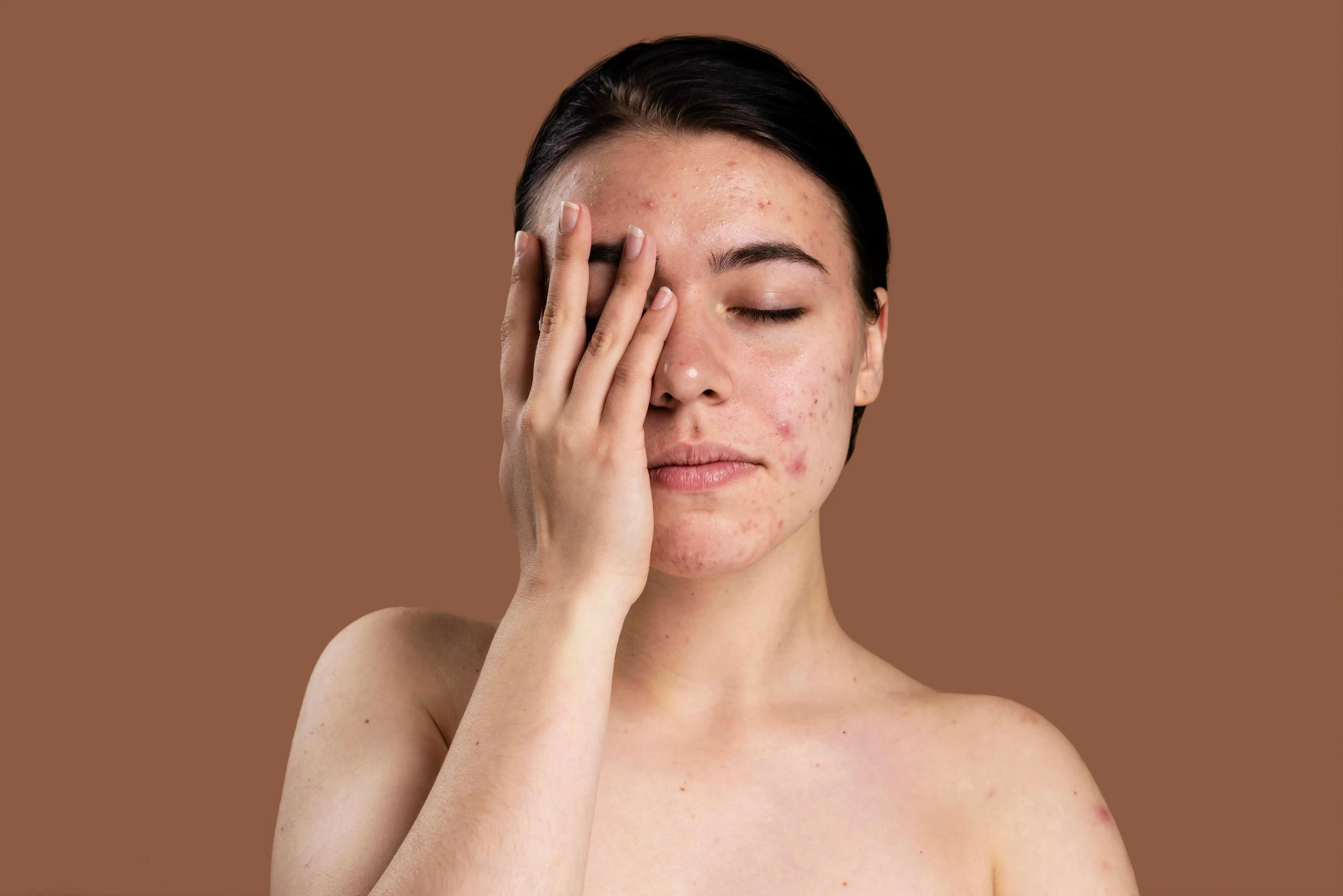
Chest acne is often linked to excess oil, sweat, friction, hormones, or pore-clogging products. A simple routine with a suitable acne body wash, lightweight moisturiser, breathable clothing, and prompt post-workout cleansing can help. See a dermatologist for deep, painful, scarring, sudden, or persistent chest breakouts.
What Is Chest Acne? A Clear Definition
Chest acne is acne vulgaris occurring on the chest, caused by the same biological process as facial acne: excess sebum production, dead skin cell buildup, and proliferation of Cutibacterium acnes bacteria inside pores. The chest has a high density of sebaceous (oil) glands, making it a common site for breakouts.
Chest acne can appear as:
- Whiteheads, closed, clogged pores
- Blackheads, open, oxidised pores
- Papules, small, raised red bumps
- Pustules, papules filled with pus
- Nodules or cysts, deep, painful lesions that may scar
According to Clear Ritual's skincare team, chest acne is distinct from body acne on the back or shoulders in that it tends to respond faster to topical treatment due to thinner skin and better product absorption in the chest area.
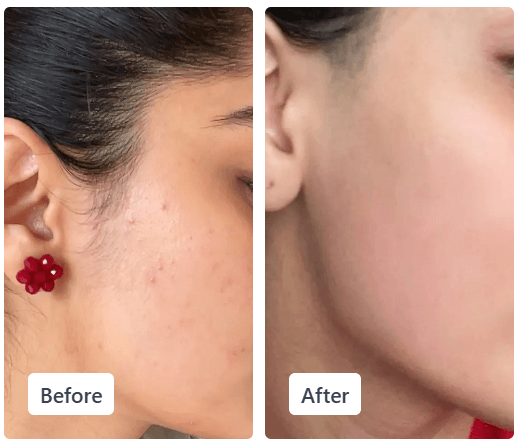
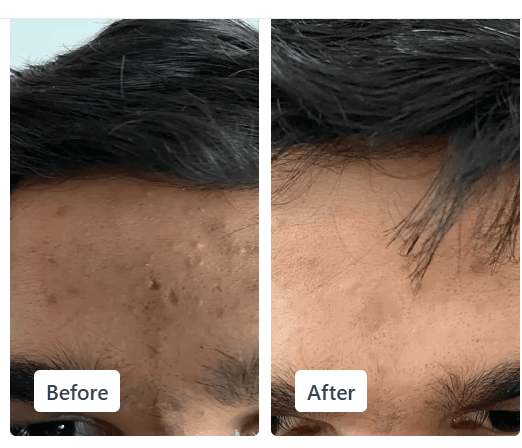
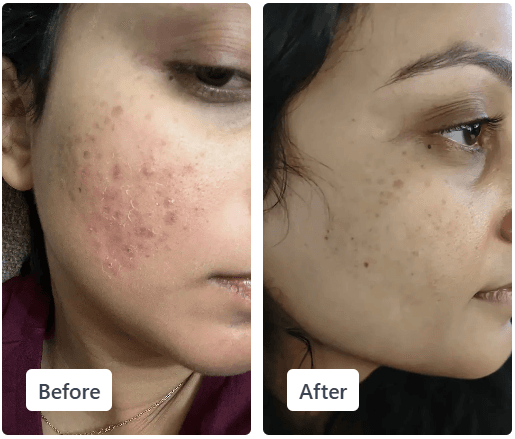
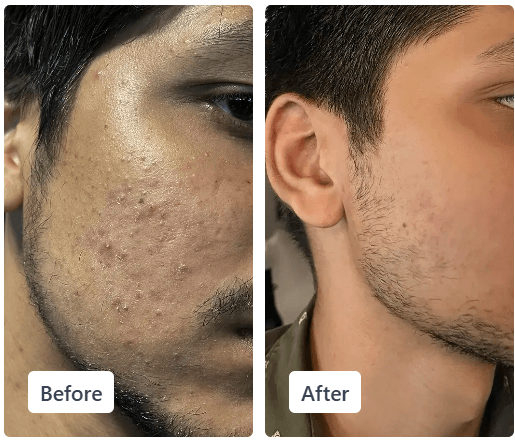
See real results, then start your own
Take the free Clear Ritual Skin Test and get a personalized routine built for your skin's unique patterns.
What Causes Acne on the Chest?
Chest acne develops when pores become blocked by a combination of oil, dead skin cells, and bacteria. Several factors increase the risk.
Primary causes:
- Excess sebum production, triggered by hormones, particularly androgens such as testosterone
- Sweating and friction, tight clothing traps sweat and heat against skin, accelerating bacterial growth
- Hormonal fluctuations, puberty, menstrual cycles, polycystic ovary syndrome (PCOS), and elevated testosterone levels all increase sebum output
- Comedogenic products, body lotions, sunscreens, or laundry detergents with pore-clogging ingredients
- Poor post-exercise hygiene, leaving sweat on skin for more than 30-45 minutes creates a bacterial-friendly environment
- Diet, high glycaemic foods and dairy may worsen acne in susceptible individuals, according to studies published in the Journal of the Academy of Nutrition and Dietetics [1]
- Stress, cortisol elevates sebum output, worsening existing breakouts
Studies suggest that approximately 15% of adults with facial acne also experience body acne on the chest or back [2].
Does Chest Acne Mean High Testosterone?
Elevated testosterone and other androgens can increase chest acne, because androgens directly stimulate sebaceous glands to produce more oil. However, chest acne does not always indicate abnormally high testosterone, it can also occur in individuals with normal hormone levels when other triggers such as sweat, friction, or comedogenic products are present. If chest acne is severe, sudden, or accompanied by other signs of hormonal imbalance, a dermatologist consultation is advisable.
How Does Chest Acne Form? The Mechanism Explained
Understanding why chest acne forms helps in choosing the right treatment approach.
- Sebaceous glands overproduce oil, hormonal signals, heat, or stress cause excess sebum to accumulate in hair follicles.
- Dead skin cells mix with sebum, this combination creates a plug inside the follicle, blocking normal oil flow.
- Bacteria multiply, Cutibacterium acnes, which lives naturally on skin, feeds on trapped sebum and multiplies rapidly inside the blocked pore.
- Immune response triggers inflammation, the body sends white blood cells to the area, causing redness, swelling, and pus formation.
- A visible lesion forms, depending on whether the follicle wall ruptures or stays intact, the result is a whitehead, blackhead, pustule, or cyst.
Clear Ritual's formulation team notes that breaking this cycle at Step 1 (reducing sebum and clearing dead cells) is the most effective long-term strategy, which is why salicylic acid and niacinamide are central to chest acne management.
See real results, then start your own
Take the free Clear Ritual Skin Test and get a personalized routine built for your skin's unique patterns.
Types of Chest Acne: Which Type Do You Have?
| Type | Appearance | Severity | Key Characteristic |
|---|---|---|---|
| Whiteheads | White or flesh-toned bumps | Mild | Pore closed at surface |
| Blackheads | Dark, open spots | Mild | Oxidised sebum at surface |
| Papules | Red, raised bumps | Moderate | No visible pus |
| Pustules | Red base, white/yellow tip | Moderate | Contains pus |
| Nodules | Deep, large, painful lumps | Severe | No visible head |
| Cysts | Large, fluid-filled lumps | Severe | High scarring risk |
Mild-to-moderate chest acne (whiteheads, blackheads, papules, pustules) typically responds well to over-the-counter topical treatments within 6-8 weeks. Nodular or cystic chest acne typically requires prescription treatment from a dermatologist.
Prerequisites and What You Need
Before starting a chest acne routine, gather:
- A gentle, fragrance-free body wash containing salicylic acid (0.5-2%) or benzoyl peroxide (2.5-5%)
- A non-comedogenic moisturiser
- Clean, loose-fitting cotton clothing
- A separate, clean towel for the chest area
Step-by-Step Chest Acne Routine
-
Cleanse with an active ingredient wash, use a salicylic acid or benzoyl peroxide body wash on the chest daily. Leave it on for 60-90 seconds before rinsing to allow the active ingredient to work. Salicylic acid is a beta-hydroxy acid (BHA) that dissolves inside pores; benzoyl peroxide kills acne-causing bacteria directly.
-
Rinse with lukewarm water, hot water strips the skin barrier and triggers rebound oil production. Lukewarm water removes cleanser without disrupting the skin's pH.
-
Pat dry, do not rub, rubbing spreads bacteria and increases inflammation. Pat the chest area gently with a clean towel.
-
Apply a targeted spot treatment, for active pustules or papules, apply a thin layer of 2% salicylic acid gel or 2.5% benzoyl peroxide lotion to affected areas. Clear Ritual recommends applying treatments to the full chest panel, not just individual spots, to prevent new lesions from forming.
-
Moisturise with a non-comedogenic lotion, acne-prone skin still needs hydration. A lightweight, oil-free moisturiser containing niacinamide (5%) helps regulate sebum and reduce redness.
-
Apply SPF if chest skin is exposed, sun exposure worsens post-acne dark marks (post-inflammatory hyperpigmentation). Use a non-comedogenic SPF 30+ on the chest if wearing open necklines.
How to Cleanse Acne-Prone Chest Skin Properly
Shower within 30 minutes of exercising, prolonged contact with sweat significantly increases the risk of new breakouts. Change bedsheets and clothing regularly, as fabric in contact with the chest accumulates oil and bacteria.
Common Mistakes to Avoid
- Over-washing, cleansing more than twice daily damages the skin barrier and worsens oil production
- Using body scrubs on active acne, physical exfoliation inflames existing lesions and spreads bacteria
- Skipping moisturiser, dry, stripped skin overproduces sebum in response
- Wearing tight synthetic fabrics, these trap heat and friction, directly triggering breakouts
- Picking or squeezing, increases scarring risk and spreads infection to adjacent pores
Best Ingredients for Chest Acne: Salicylic Acid vs. Benzoyl Peroxide vs. Azelaic Acid
| Ingredient | Mechanism | Best For | Key Consideration |
|---|---|---|---|
| Salicylic acid (0.5-2%) | Dissolves dead skin cells inside pores | Blackheads, mild acne | Can be used daily |
| Benzoyl peroxide (2.5-5%) | Kills C. acnes bacteria, reduces inflammation | Pustules, moderate acne | May bleach fabric |
| Azelaic acid (10-15%) | Antibacterial + anti-inflammatory + fades marks | Active acne + post-acne pigmentation | Suitable for sensitive skin |
| Niacinamide (5%) | Regulates sebum, reduces redness | All types, maintenance | No sun sensitivity |
| Retinoids (OTC adapalene 0.1%) | Normalises skin cell turnover | Persistent acne, scarring | Requires gradual introduction |
According to Clear Ritual's ingredient research team, combining salicylic acid (to clear pores) with niacinamide (to regulate oil and calm inflammation) addresses two of the three primary causes of chest acne simultaneously.
What Results to Expect: A Realistic Timeline
Results from a consistent chest acne routine typically follow this pattern:
| Timeframe | What to Expect |
|---|---|
| Week 1-2 | Skin may appear temporarily drier; active spots may look slightly worse before improving ("purging") |
| Week 3-4 | Reduction in new lesions forming; existing spots begin to flatten |
| Month 2 | Noticeable reduction in active acne; post-acne marks may persist |
| Month 3 | Significant improvement in most mild-to-moderate cases; skin texture improves |
| Month 4-6 | Post-acne hyperpigmentation fades; skin barrier stabilises |
Factors that affect outcomes:
- Severity and type of chest acne (cystic acne takes longer than mild acne)
- Consistency of routine, skipping applications delays results
- Hormonal factors, ongoing hormonal imbalances may require medical treatment
- Diet and lifestyle habits
Clear Ritual's clinical advisors note that in most patients with mild-to-moderate chest acne, 70-80% improvement is achievable within 8-12 weeks of consistent topical treatment.
Is Chest Acne Treatment Right for You? Who It Applies To
| Chest Acne Treatment Is Ideal For | Consider Professional Consultation If |
|---|---|
| Mild-to-moderate acne (whiteheads, blackheads, pustules) | Nodular or cystic acne that does not respond in 8-12 weeks |
| Adults and teenagers with hormonal breakouts | Acne accompanied by other hormonal symptoms (irregular periods, hair loss) |
| Post-exercise or sweat-triggered breakouts | Scarring that is deepening or spreading |
| People with friction or product-induced chest acne | Sudden, severe acne onset in adulthood with no prior history |
Chest Acne Limitations: What to Know Before You Start
Topical chest acne treatment has real limitations. Being clear about these helps set realistic expectations.
- Topical treatments cannot correct hormonal imbalances, if elevated androgens are the root cause, products alone may suppress symptoms without resolving the underlying issue
- Cystic and nodular acne typically requires prescription treatment, over-the-counter products are usually insufficient for deep, painful cysts
- Post-acne marks (hyperpigmentation) take longer to fade than active acne, typically 3-6 months, even after breakouts clear
- Results are not permanent without maintenance, stopping the routine often leads to acne returning within weeks
- Individual response varies, some skin types respond within 4 weeks; others may take 3 months
Clear Ritual recommends consulting a board-certified dermatologist if chest acne has not responded to a consistent over-the-counter routine after 12 weeks.
Editorial Standards
Clear Ritual has Strict sourcing guidelines to ensure our content is accurate and current. We rely on peer-reviewed studies, academic research institutions, and medical associations. We strive to use primary sources and refrain from using tertiary references. See a mistake? Learn More about our Editorial Standards.
Related Articles
Neonatal Acne: What New Parents Need to Know
Published 17 July 2026
Whiteheads vs Milia: How to Tell the Difference & Treat Them Correctly
Published 20 July 2026
Acne Caused by Makeup: Understanding Acne Cosmetica
Published 17 July 2026
Pus-Filled Pimples: Causes, Treatment, and Prevention
Published 11 September 2026