Acne Caused by Makeup: Understanding Acne Cosmetica
Acne cosmetica is acne caused directly by cosmetic products that physically block pores, trapping sebum and dead skin cells and allowing acne-causing bacteria to thrive. It appears as uniform small bumps, whiteheads, and blackheads concentrated where makeup sits longest, such as the forehead, cheeks, and jawline. Common culprits include heavy oils, waxes, silicones, and fatty alcohols. Switching to non-comedogenic products, simplifying routines, and thorough makeup removal typically resolve it within weeks.
- Caused by pore-occluding ingredients, not hormones
- Appears as uniform bumps in makeup application zones
- Often improves on days without makeup
What Is Acne Cosmetica?
Acne cosmetica refers to a pattern of acne breakouts directly caused by the use of cosmetic products on the skin. Unlike hormonal acne or stress-related breakouts, this condition develops specifically because certain ingredients in makeup, skincare, or hair products physically obstruct the follicular opening.
When pores become blocked, the natural flow of sebum to the skin surface gets interrupted. This trapped oil mixes with dead skin cells and creates an ideal breeding ground for Cutibacterium acnes bacteria. The resulting inflammation manifests as persistent small bumps, whiteheads, and blackheads that concentrate in makeup application zones.
The term "cosmetica" distinguishes this acne type from other forms because the primary trigger is topical product use rather than internal hormonal fluctuations or genetic predisposition. However, someone with naturally oily skin or existing acne tendency faces higher risk when using pore-clogging formulations.
See real results, then start your own
Take the free Clear Ritual Skin Test and get a personalized routine built for your skin's unique patterns.
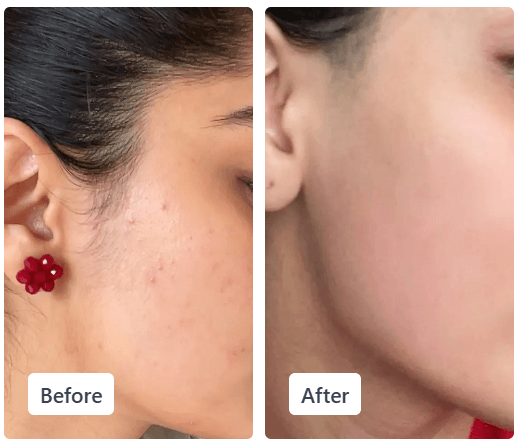
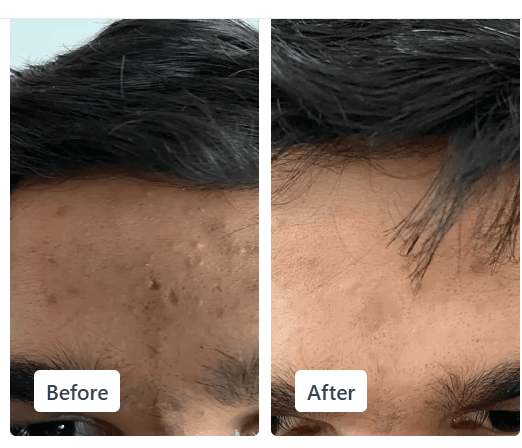
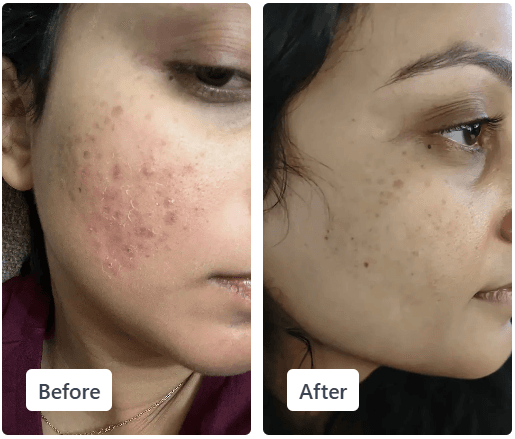
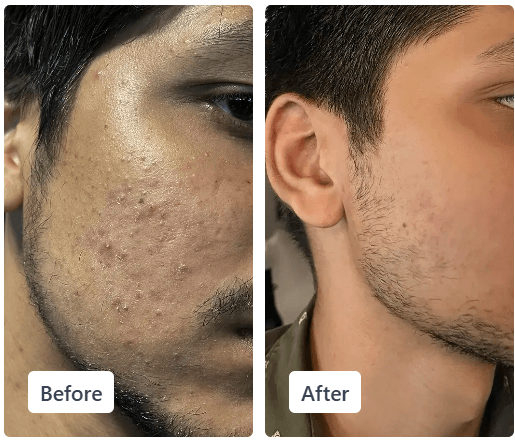
How Acne Cosmetica Develops Inside Your Skin
Your skin constantly sheds dead cells from the surface and produces sebum to maintain barrier integrity. In healthy skin, this process works smoothly, old cells slough away, and sebum flows freely through follicles to coat and protect the skin.
When you apply makeup containing occlusive ingredients, these products can create a physical barrier over the follicle opening. Heavy oils, thick waxes, and certain silicones form a film that prevents normal sebum flow. Meanwhile, dead skin cells continue accumulating inside the follicle because they cannot escape properly.
This combination [trapped sebum plus accumulated dead cells] creates a plug called a microcomedone. The enclosed environment becomes oxygen-poor, which favors the growth of Cutibacterium acnes bacteria. These bacteria metabolize the trapped sebum and produce inflammatory byproducts, triggering your immune system to respond.
The inflammation causes the follicle wall to swell and sometimes rupture, spreading bacteria and debris into surrounding tissue. This cascade results in the visible bumps, redness, and texture changes characteristic of acne cosmetica.
Common Makeup Ingredients That Trigger Pore Blockage
Not all cosmetic ingredients cause problems, but certain categories consistently appear in acne cosmetica cases. Understanding which compounds tend to occlude pores helps you make informed product choices.
| Ingredient Type | Common Examples | Why It Clogs Pores |
|---|---|---|
| Heavy Oils | Coconut oil, cocoa butter, wheat germ oil | Large molecular size physically blocks follicle openings |
| Waxes | Beeswax, carnauba wax, candelilla wax | Create occlusive film that traps sebum beneath surface |
| Silicones | Dimethicone, cyclopentasiloxane | Form barrier that prevents sebum flow in certain formulations |
| Fatty Alcohols | Cetyl alcohol, stearyl alcohol, myristyl alcohol | Can accumulate in follicles when combined with oils |
| Dyes and Lakes | D&C Red 36, carmine | Small particles settle into pores and contribute to blockage |
Full-coverage foundations and thick concealers pose particular risk because they contain higher concentrations of these occluding agents. Powder products generally cause fewer problems than cream or liquid formulations, though pressed powders with talc or heavy binding agents can still contribute to comedone formation.
Hair products deserve mention here too. Pomades, leave-in conditioners, and styling creams that migrate onto your forehead and temples throughout the day can trigger breakouts along the hairline. This pattern [small bumps at the forehead border] often signals cosmetic product transfer rather than true facial acne.
See real results, then start your own
Take the free Clear Ritual Skin Test and get a personalized routine built for your skin's unique patterns.
Recognizing the Pattern: Where and How It Appears
Acne cosmetica has a distinctive appearance that differs from hormonal or stress-related breakouts. The lesions tend to be uniform in size, presenting as small closed comedones (whiteheads) and flesh-colored bumps rather than large, painful cysts.
Distribution follows makeup application patterns. You typically see clusters of bumps on the forehead, cheeks, chin, and jawline, exactly where foundation, blush, and contour products sit for hours. If you apply heavy eye makeup, you might notice tiny bumps around the orbital area or on the eyelids themselves.
The condition develops gradually rather than appearing overnight. You might first notice your skin feels rougher than usual or that your makeup no longer sits smoothly. Over weeks, visible bumps emerge, and existing pores appear more congested. Unlike hormonal acne that often flares in a cyclical pattern, acne cosmetica remains relatively constant as long as you continue using the triggering products.
One distinguishing feature: these breakouts often improve on days when you skip makeup entirely. If your skin looks clearer after a weekend without foundation, or if vacation periods bring noticeable improvement, cosmetic products likely contribute to your breakouts.
Why Some People Develop It While Others Don't
Individual susceptibility to acne cosmetica varies based on several factors. Your natural sebum production rate plays a significant role, someone with oily skin produces more sebum, which means more oil available to mix with comedogenic ingredients and form plugs.
Follicle structure also matters. Some people naturally have narrower follicular openings or thicker follicle walls, making them more prone to blockage even with mildly occlusive products. This structural variation is partly genetic.
Your skin's microbiome composition influences risk too. A balanced population of beneficial bacteria helps maintain skin pH and competes with acne-causing organisms. When your microbiome gets disrupted [through over-washing, harsh cleansers, or antibiotic use], Cutibacterium acnes can proliferate more easily when pores become blocked.
Environmental factors compound the problem. High humidity increases sweat production, which mixes with makeup and contributes to pore congestion. Urban pollution particles settle on your skin throughout the day and can embed in cosmetic products, creating additional blockage. If you live in a humid climate or highly polluted area, you face greater risk even with moderately comedogenic products.
Your cleansing habits significantly affect outcomes. Inadequate makeup removal leaves residue on the skin overnight, extending the contact time between comedogenic ingredients and your pores. Even if you cleanse, using harsh scrubs or aggressive techniques can disrupt your barrier function, triggering compensatory oil production that worsens congestion.
Habits That Worsen Acne Cosmetica
Certain daily practices amplify the pore-clogging effects of makeup and delay resolution of existing breakouts.
Layering multiple products increases the total load of potentially comedogenic ingredients on your skin. When you apply primer, then foundation, then concealer, then powder, then setting spray, you create a thick, occlusive barrier that significantly restricts sebum flow. Each additional layer compounds the blockage effect.
Sleeping in makeup represents one of the worst habits for acne cosmetica. During sleep, your skin undergoes repair processes and sheds dead cells most actively. When makeup remains on overnight, it traps these shed cells against the skin, prevents normal sebum flow for eight hours, and gives bacteria extended time to proliferate in clogged pores.
Touching your face throughout the day transfers oils from your hands to your makeup, creating a mixed film that becomes increasingly occlusive. Each time you rest your chin on your hand or adjust your foundation, you push product deeper into pores and add additional oils to the mixture.
Using makeup brushes and sponges without regular cleaning introduces bacteria directly into your cosmetic products and onto your skin. These tools accumulate dead skin cells, sebum, and bacteria with each use. When you apply makeup with contaminated tools, you essentially inoculate your pores with acne-causing organisms while simultaneously blocking them.
Applying moisturizer immediately before makeup can create problems if both products contain occlusive ingredients. The moisturizer needs time to absorb before you layer foundation on top. Otherwise, you create a mixed film of two potentially comedogenic products that compounds the blocking effect.
What Helps First: Practical Management Steps
Addressing acne cosmetica starts with identifying and removing the triggering products. This process requires patience because it takes several weeks for existing comedones to resolve even after you eliminate the cause.
Begin by switching to non-comedogenic labeled products. While this label is not regulated and does not guarantee a product will work for everyone, it indicates the manufacturer tested the formula for pore-clogging potential. Look specifically for foundations and primers labeled oil-free or non-comedogenic.
Simplify your makeup routine temporarily. Use fewer products for a few weeks, perhaps just a light tinted moisturizer and powder, to reduce the total load of ingredients on your skin. This approach helps you identify whether specific products contribute to your breakouts.
Double cleansing becomes essential when you wear makeup regularly. Start with an oil-based cleanser or micellar water to dissolve makeup and sunscreen, then follow with a gentle water-based cleanser to remove any remaining residue. This two-step process ensures thorough removal without harsh scrubbing that damages your barrier.
Pay attention to your makeup tools. Wash brushes weekly with gentle soap, and replace disposable sponges every few weeks. Bacteria and product buildup in tools can perpetuate breakouts even when you switch to non-comedogenic products.
Give your skin regular breaks from makeup. Even non-comedogenic products benefit from occasional days off. If your schedule allows, skip foundation on weekends or work-from-home days to let your pores breathe and complete their natural shedding cycles without obstruction.
Consider product texture changes. Switching from liquid foundation to mineral powder often reduces congestion because powder formulations typically contain fewer occlusive ingredients. Mineral makeup with zinc oxide or titanium dioxide can actually provide anti-inflammatory benefits while offering coverage.
Ingredients to Look For Instead
When choosing replacement products, certain ingredients actually support healthy skin function while providing cosmetic benefits.
| Beneficial Ingredient | Skin Function | Found In |
|---|---|---|
| Zinc oxide | Reduces inflammation, controls oil, provides sun protection | Mineral foundations, tinted sunscreens |
| Niacinamide | Regulates sebum production, reduces inflammation | Tinted serums, some foundations |
| Hyaluronic acid | Hydrates without occluding pores | Lightweight foundations, primers |
| Green tea extract | Provides antioxidants, reduces inflammation | Some BB creams, tinted moisturizers |
| Salicylic acid | Keeps pores clear by dissolving oil buildup | Some medicated foundations |
These ingredients offer functional benefits beyond simple coverage. Zinc oxide naturally absorbs excess oil and provides antimicrobial effects without blocking pores. Niacinamide actually helps normalize the keratinization process inside follicles, preventing the cell buildup that contributes to comedone formation.
Lightweight gel-based or water-based formulations generally work better than thick creams. These products provide coverage through light-reflecting particles rather than heavy pigments suspended in occlusive vehicles.
When to Seek Professional Evaluation
While acne cosmetica typically responds well to product changes, certain situations warrant dermatologist consultation.
If your breakouts persist for more than two months after eliminating suspected products, the underlying issue may be more complex than simple comedogenic ingredients. You might have concurrent hormonal acne or another skin condition that requires professional treatment.
Seek evaluation if you develop painful nodules or cysts rather than just surface bumps and whiteheads. Deep inflammatory acne suggests factors beyond cosmetic use and may require prescription intervention to prevent scarring.
When your skin shows signs of infection [increasing redness, warmth, pus, or spreading inflammation], professional care becomes necessary. Infection indicates the condition has progressed beyond simple comedone formation.
If your acne cosmetica affects your quality of life, causing anxiety about your appearance or leading you to avoid social situations, a dermatologist can provide both treatment options and support. Persistent skin concerns deserve professional attention regardless of severity.
Sudden onset of widespread breakouts after years of problem-free makeup use might indicate an allergic reaction rather than acne cosmetica. Contact dermatitis requires different management than comedonal acne, so proper diagnosis matters.
Understanding the Skin Barrier Connection
Your skin barrier function directly influences susceptibility to acne cosmetica. A healthy barrier maintains appropriate hydration levels, produces balanced sebum, and sheds dead cells efficiently.
When you over-cleanse in an attempt to control breakouts, you strip essential lipids from the stratum corneum. This disruption increases transepidermal water loss, which your skin interprets as dryness. In response, sebaceous glands increase oil production, exactly the opposite of what you want when dealing with clogged pores.
The compromised barrier also becomes more permeable to potential irritants in cosmetic products. Ingredients that normally sit on the surface can penetrate deeper into the epidermis, triggering inflammatory responses and worsening breakouts.
Supporting barrier health requires gentle cleansing, adequate hydration, and protection from environmental stressors. When your barrier functions properly, your skin manages sebum production more effectively and resists the pore-clogging effects of makeup ingredients better.
Long-Term Prevention Strategies
Once you resolve existing acne cosmetica, maintaining clear skin requires ongoing attention to product choices and application habits.
Patch test new products before full facial application. Apply a small amount to your jawline or neck for several days to observe any breakout response before using the product on your entire face. This precaution helps you identify problem ingredients without triggering widespread breakouts.
Read ingredient lists rather than relying solely on mark
Editorial Standards
Clear Ritual has Strict sourcing guidelines to ensure our content is accurate and current. We rely on peer-reviewed studies, academic research institutions, and medical associations. We strive to use primary sources and refrain from using tertiary references. See a mistake? Learn More about our Editorial Standards.
Related Articles
Pus-Filled Pimples: Causes, Treatment, and Prevention
Published 11 September 2026

Pimples Between Eyebrows: Causes, Types & How to Treat Them
Published 17 July 2026
Acne on Cheeks: Causes, Treatment & What Actually Works
Published 17 July 2026
Acne on Chin: Causes, Types, and How to Treat It
Published 17 July 2026