Pus-Filled Pimples: Causes, Treatment, and Prevention
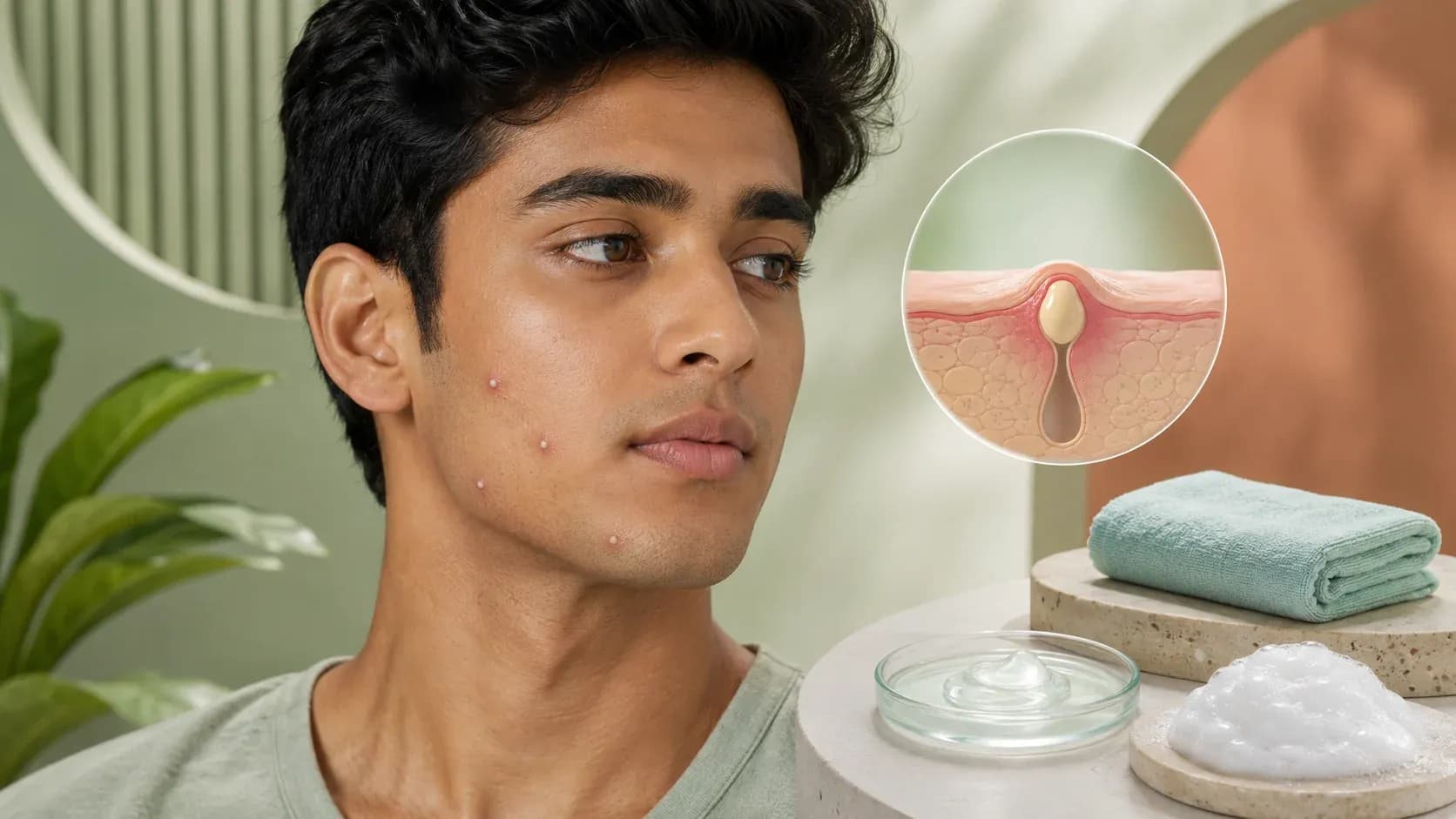
Quick Answer: What Are Pus-Filled Pimples?
Pus-filled pimples are inflamed acne lesions with a white or yellow centre made of dead immune cells, bacteria, sebum, and cellular debris. Most surface pustules heal in 5 to 10 days with gentle care and targeted ingredients like benzoyl peroxide or salicylic acid. Deeper cystic lesions may take 4 to 8 weeks and carry a higher scarring risk. Do not squeeze them because squeezing spreads bacteria, extends healing by up to 14 days, and raises scarring risk significantly.
Squeezing a white-tipped pimple will not make it heal faster. It will make it worse. Pus-filled pimples are a sign your immune system is actively fighting a bacterial blockage inside a pore, not that your skin is dirty or broken. Most surface pustules resolve on their own in 5 to 10 days with the right ingredients. Deeper cystic lesions take 4 to 8 weeks and carry a real scarring risk.
Three things worth knowing immediately:
- Pimple pus is made of dead immune cells, dead bacteria, and trapped sebum, not infection from outside the skin
- The number one mistake is squeezing: it pushes bacteria deeper, adds up to 14 extra healing days, and raises scarring risk
- Benzoyl peroxide (2.5–5%) and salicylic acid (0.5–2%) are the two best-evidenced OTC options for treating pus-filled pimples at home
What Are Pus-Filled Pimples?
Pus-filled pimples are raised skin lesions with a visible white or yellow centre caused by trapped bacteria and immune activity inside a blocked pore. They differ from blackheads and whiteheads because they involve active inflammation, not just a clogged follicle.
There are two main types of pus-filled acne lesions:
- Pustules: Shallow, pus-filled bumps with a defined white or yellow tip and a red base; typically less than 5 mm in diameter; low scarring risk
- Cysts: Deeper, larger, fluid-filled sacs beneath the skin surface; no visible surface opening; high scarring risk
According to Clear Ritual's dermatology team, approximately 85% of people aged 12–24 experience some form of acne, and pustular acne is among the most frequently reported subtypes.
Key fact: Pus does not mean the skin is dirty. It is the body's normal immune response to bacterial activity inside a blocked follicle, not contamination from outside the skin.
How Do Pus-Filled Pimples Form? The Mechanism Explained
Pus-filled pimples form because a specific sequence of events blocks a hair follicle and triggers the body's immune defences. Clear Ritual's clinical team identifies six steps in this process:
- Excess sebum production: Sebaceous glands produce more oil than the follicle can release, often driven by androgens
- Pore blockage: Dead skin cells and excess sebum combine to plug the follicle opening
- Bacterial proliferation: Cutibacterium acnes (formerly P. acnes), naturally present on skin, multiplies rapidly inside the blocked pore
- Immune activation: The body sends white blood cells (neutrophils) to attack the bacteria
- Pus formation: Dead bacteria, dead white blood cells, and cellular debris accumulate, forming the yellow-white pus visible at the surface
- Inflammation: Surrounding skin becomes red, swollen, and tender as the immune response intensifies
Squeezing a pustule worsens inflammation because it ruptures the follicle wall and spreads bacteria into surrounding tissue, extending healing time by up to 14 additional days.
What Is Pimple Pus Made Of? The Exact Composition
Pimple pus is a mixture of dead white blood cells, bacteria, sebum, and cellular debris. It is not dirt, and it is not a sign of poor hygiene. It is the immune system doing exactly what it is designed to do.
The three components of pimple pus:
- Dead neutrophils: White blood cells that arrived to fight bacteria and died in the process; these give pus its thick consistency
- Dead bacteria: Killed C. acnes cells and their inflammatory byproducts
- Sebum and dead skin cells: The original blockage material that trapped bacteria inside the follicle
The yellow or white colour comes from the high concentration of dead cells and lipids. The more pus present, the more intense the immune response, which is why a large pustule is more inflamed and tender than a small one.
Citable fact: Pimple pus is immune debris consisting of dead white blood cells, dead bacteria, and trapped sebum. It is not a sign of infection from outside the skin.
Some people notice a mild odour from pustules. This comes from bacterial metabolites produced by C. acnes as it breaks down sebum. It is normal and does not indicate a serious infection in a typical surface pustule.
What Causes Pus-Filled Pimples?
Multiple factors can trigger or worsen pus-filled pimple formation. Clear Ritual's clinical team identifies three primary cause categories.
Hormonal factors:
- Androgen spikes during puberty, menstruation, pregnancy, or polycystic ovary syndrome (PCOS), which can contribute to hormonal acne
- Elevated cortisol (stress hormone) stimulating excess sebum production
Skin and lifestyle factors:
- Comedogenic skincare or makeup products blocking pores
- Infrequent cleansing allowing dead skin cell and oil build-up
- Friction from helmets, masks, or tight clothing (acne mechanica)
- High glycaemic index diet: studies suggest diets high in refined sugar may worsen acne severity by up to 30%
Medical and genetic factors:
- Certain medications, including corticosteroids and lithium
- Bacterial imbalance on the skin surface
- Genetic predisposition: family history increases acne risk by approximately 50%
Who is most affected:
- Teenagers and young adults (highest prevalence at ages 14–19)
- Women aged 25–40 experiencing hormonal acne
- People with oily or combination skin types
White vs Yellow Pus in a Pimple: What the Colour Actually Means
The colour of pimple pus, whether white, creamy white, or yellow, tells you something real about what is happening inside the follicle. Neither colour means the pimple is worse or dangerously infected; both are normal outputs of the immune response.
White pus in a pimple means the lesion is in an early to mid-stage inflammatory state. The pus is dense with dead neutrophils (white blood cells) and fresh cellular debris. White-tipped pimples are classic surface pustules, the most common and lowest-risk type of pus-filled acne lesion.
Yellow pus in a pimple indicates the lesion has been active longer. The yellow tint comes from a higher concentration of dead bacteria, oxidised lipids, and more degraded immune cells. Yellow pus does not automatically mean the pimple is more serious or needs antibiotics. It is simply a sign that the immune response has been running for longer.
What does a pimple with a white circle around it mean? A white ring surrounding the pus tip is the stretched, thinned skin of the follicle wall at its most superficial point. It means the pustule is close to draining naturally. This is not a reason to squeeze. Allow it to drain on its own or under sterile clinical conditions.
Pus colour vs severity: quick reference:
| Pus Colour | What It Indicates | Recommended Action |
|---|---|---|
| White | Early-stage immune response | Continue topical treatment; do not squeeze |
| Creamy white | Active mid-stage pustule | Same as above |
| Yellow | Longer-active lesion, more debris | Continue treatment; see a dermatologist if no improvement in 8 weeks |
| Green | Rare; may signal secondary bacterial infection | See a dermatologist |
| Bloody/dark | Lesion has been manipulated or is very deep | Stop squeezing; dermatologist review recommended |
Citable fact: Yellow pus does not mean a more dangerous infection. It means the immune response has been running longer and the cellular debris is more degraded.
Types of Pus-Filled Pimples: What Is the Difference?
Not all acne lesions containing pus are the same. Clear Ritual distinguishes four main types by depth, size, and scarring risk.
| Type | Depth | Size | Appearance | Scarring Risk |
|---|---|---|---|---|
| Pustule | Surface-level | 1–5 mm | Red base, white/yellow tip | Low |
| Papule | Superficial | 1–5 mm | Red, raised, no visible pus | Low |
| Nodule | Deep | 5–10 mm | Firm, flesh-coloured bump, no pus head | Moderate–High |
| Cyst | Very deep | 5–20 mm | Large, fluid-filled, painful | High |
| Acne mechanica | Variable | Variable | Clusters from friction/pressure | Low–Moderate |
Pustules vs cysts: Pustules are shallow with pus visible at the surface and may drain naturally within 5–7 days. Cysts are deeper nodular sacs without a surface opening that typically take 4–8 weeks to resolve and carry a significantly higher risk of permanent scarring.
Cysts vs nodules: Acne nodules are solid, hard lumps caused by deep follicular blockage without significant fluid accumulation. Acne cysts contain a sac-like pocket of pus and fluid. Cysts feel softer and more fluctuant on touch; nodules feel firm and fixed.
What Is Pustule Acne? Pus-Filled Pimples, Acne Pus Bumps, and How to Tell Them Apart
Pustule acne is the clinical name for pus-filled pimples. A pustule is a specific type of acne lesion: a small, raised bump with a defined white or yellow centre and a red, inflamed base. Dermatologists classify it as an inflammatory acne lesion, which means it involves immune activity, not just a blocked pore.
Pustule acne vs other acne types at a glance:
| Lesion | Has Pus? | Depth | Size | Typical Healing Time | Scarring Risk |
|---|---|---|---|---|---|
| Pustule (pus-filled pimple) | Yes, visible white/yellow tip | Surface | 1–5 mm | 5–10 days | Low |
| Papule | No (inflamed, no pus head) | Superficial | 1–5 mm | 5–14 days | Low |
| Nodule | No visible pus | Deep dermis | 5–10 mm | 4–8 weeks | Moderate–High |
| Cyst | Yes, but no surface opening | Very deep | 5–20 mm | 4–8 weeks | High |
| Whitehead (closed comedo) | No | Follicle surface | 1–3 mm | 3–7 days | Very low |
Pus bumps vs pustule acne: People often use "pus bumps," "acne pus bumps," and "pus-filled spots" interchangeably. Clinically, all of these describe pustular acne lesions. The key feature is the visible pus-filled tip sitting on an inflamed red base.
Can fungal acne look like pustule acne? Yes, and this is one of the most common misidentification errors. Fungal acne (pityrosporum folliculitis) produces clusters of small, uniform, itchy pus bumps, usually on the chest, back, or upper arms. Unlike pustule acne, it does not respond to benzoyl peroxide. If your pus-filled pimples are identical in size, cluster in groups, and do not improve after 6–8 weeks of standard acne treatment, consult a dermatologist to rule out fungal folliculitis.
Citable fact: Pustule acne is inflammatory acne. It means bacteria, immune cells, and sebum are trapped together inside a blocked follicle, not that your skincare routine is failing.
Pus-Filled Pimples on Face vs Body: Why Location Matters
Pus-filled pimples look the same wherever they appear, but the trigger, and therefore the most effective treatment, depends on location.
Face (forehead, nose, chin, cheeks)
Facial pustules are most often driven by hormonal fluctuations, excess sebum production, and comedogenic product use. The T-zone has the highest density of sebaceous glands. Chin and jawline pustules in adults, particularly women, are a classic sign of hormonal acne linked to the menstrual cycle or androgen sensitivity.
What to target: Oil control, gentle exfoliation, hormonal management if recurrent.
Back and chest (body acne)
Back and chest pustules are often triggered by sweat, friction, and the higher sebaceous gland density in these areas. C. acnes thrives in warm, occluded environments. Body acne after exercise worsens in humid climates or with tight synthetic fabrics. Body skin is thicker than facial skin and can tolerate higher active concentrations (e.g., 5% benzoyl peroxide body wash vs. 2.5% for the face).
What to target: Post-workout cleansing within 30 minutes, breathable fabrics, benzoyl peroxide or salicylic acid body washes.
Shoulders and upper arms
Pustules on shoulders and upper arms that cluster around hair follicles may be folliculitis, a superficial follicle infection, rather than true acne. Folliculitis can be caused by Staphylococcus bacteria or fungi. If standard acne treatments show no improvement within 8 weeks, consult a dermatologist to rule out folliculitis.
Scalp
Scalp pustules are almost always folliculitis, not acne. They appear at the hairline or along the part and may be tender. Scalp-specific antifungal or antibacterial shampoos are the standard first-line treatment.
Location-based treatment reference:
| Location | Most Common Trigger | First-Line Treatment | When to See a Doctor |
|---|---|---|---|
| Face (T-zone) | Sebum, hormones, products | BPO 2.5%, salicylic acid 2%, adapalene | No improvement in 8–12 weeks |
| Chin/jawline | Hormonal fluctuations | Topical retinoid + oral contraceptive (women) | If cyclical and severe |
| Back/chest | Sweat, friction, occlusion | BPO 5% body wash, salicylic acid wash | If widespread or scarring |
| Shoulders/arms | Folliculitis (bacterial/fungal) | Antifungal or antibacterial cleanser | If unresponsive to acne treatment |
| Scalp | Folliculitis | Medicated scalp shampoo | If painful, spreading, or crusting |
Dermatologist tip: If pus-filled pimples appear in the same location every month and coincide with your menstrual cycle, that is a hormonal pattern, not a skincare problem alone. Topical treatments help, but addressing the hormonal root cause with a dermatologist or gynaecologist will produce faster, longer-lasting results.
Why Am I Getting Pus-Filled Pimples on My Body? What to Do About It
Body-based pus-filled pimples on the back, chest, shoulders, or upper arms are triggered differently from facial pustules. The most common reasons are:
- Sweat and occlusion: Gym clothes, backpack straps, and synthetic fabrics trap sweat against follicles. C. acnes thrives in warm, airless environments
- Post-workout delay: Showering more than 30 minutes after exercise allows sweat and sebum to settle into follicles. Shower within 30 minutes where possible
- Body skin is thicker: It can tolerate stronger concentrations. A 5% benzoyl peroxide body wash is appropriate for the back and chest; 2.5% is the facial standard
- It may not be acne at all: Uniform, itchy clusters of small pus bumps on the back or chest after sweating often indicate fungal folliculitis, not acne. Standard acne washes will not help. An antifungal body wash (ketoconazole 2% or selenium sulphide) is the first-line response
Citable fact: The fastest way to reduce body breakouts is to remove sweat-soaked clothing and cleanse the affected skin soon after exercise without scrubbing.
How to Treat Pus-Filled Pimples
Care for pus-filled pimples focuses on reducing follicle blockage, bacterial activity, and inflammation while protecting the skin barrier. The most suitable approach depends on whether you have an occasional pustule, recurring breakouts, or deeper lesions.
Give a consistent routine time to work. Surface pustules may improve within days, but a recurring pattern often needs several weeks of regular care before you can judge the overall result.
Which Ingredients Can Help?
- Benzoyl peroxide: Helps reduce acne-causing bacteria and is commonly used for inflamed pustules.
- Salicylic acid: Helps clear oil and dead skin cells from inside pores.
- Topical retinoids: Help prevent new blockages and may be useful when pustules occur with blackheads or whiteheads.
- Azelaic acid: Can support acne-prone skin and may also help with post-breakout marks.
Introduce active ingredients gradually and follow the product directions. Using several strong ingredients at the same time may irritate the skin and make redness more noticeable.
What Can You Do at Home?
- Cleanse gently up to twice daily and after heavy sweating.
- Use lightweight, non-comedogenic skincare and makeup.
- Apply the selected acne product consistently rather than changing products every few days.
- Use a clean towel and avoid rubbing the affected area.
- Protect your skin with a broad-spectrum, non-comedogenic sunscreen.
When Might Professional Care Be Needed?
Recurring pustules, widespread body breakouts, painful nodules or cysts, and acne that is leaving scars may need dermatologist-directed care. A professional can also check whether identical, itchy bumps are folliculitis rather than ordinary acne.
Depending on the pattern and severity, care may include stronger topical options, oral medicines, hormonal management, or another targeted approach.
What Should You Avoid?
- Do not squeeze, pierce, or repeatedly touch a pus-filled pimple.
- Avoid harsh scrubs and frequent exfoliation over inflamed skin.
- Do not apply toothpaste, lemon juice, or other irritating DIY remedies.
- Avoid sharing towels, razors, or makeup tools.
- Do not assume every pus-filled bump is acne if it is itchy, spreading, or unresponsive to acne care.
How Can You Prevent Pus-Filled Pimples?
You may not be able to prevent every breakout, but the following habits can reduce pore blockage, irritation, and product or sweat build-up.
| What to Do | Why It Helps |
|---|---|
| Cleanse gently and consistently | Removes excess oil and residue without unnecessary irritation |
| Choose non-comedogenic products | Reduces the chance of product-related pore blockage |
| Shower after exercise | Limits the time sweat and friction remain against the skin |
| Avoid picking or squeezing | Reduces inflammation, dark marks, and scarring risk |
| Wash pillowcases and makeup tools regularly | Reduces oil and product build-up on items that touch the skin |
| Follow one routine consistently | Gives suitable ingredients enough time to work |
When Should You See a Dermatologist?
Consider a dermatologist if pus-filled pimples are painful, widespread, keep returning, or leave scars or persistent dark marks. Assessment is also important when bumps are very itchy, appear in uniform clusters, spread rapidly, or do not improve after several weeks of appropriate acne care.
Seek prompt medical attention if redness spreads beyond the bump, the skin becomes increasingly hot or painful, or you develop fever or feel unwell.
Clear Ritual’s Perspective on Pus-Filled Pimples
A pus-filled pimple can be tempting to squeeze, but pressure can push inflammation deeper and increase the chance of a lasting mark. Focus on gentle cleansing, a suitable active ingredient, and enough time for the skin to recover.
At Clear Ritual, we believe recognising your breakout pattern is the first step towards choosing a routine that suits your skin. Recurring, painful, or unusual bumps deserve professional assessment rather than constant product switching.
Understand Your Breakout Pattern
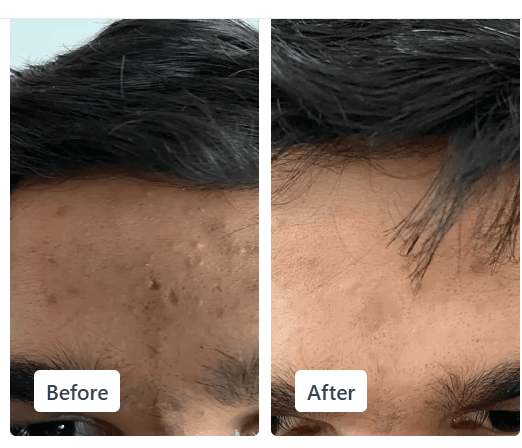
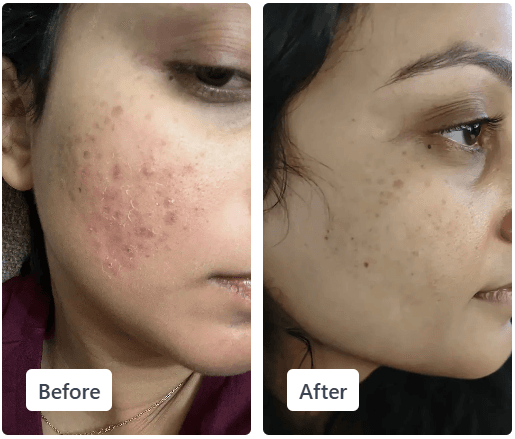
Take the Clear Ritual Skin Test to identify your skin type, concerns, and a routine suited to your needs.
Take the Skin Test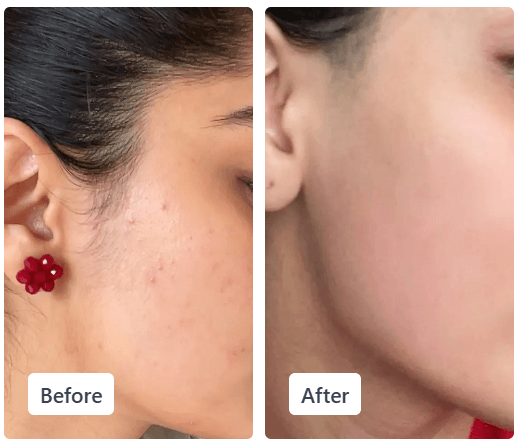
Frequently Asked Questions
1. Should you pop a pus-filled pimple?
No. Squeezing can rupture the follicle wall, push inflammation deeper, and increase the risk of dark marks or scarring.
2. How long does a pus-filled pimple take to heal?
A small surface pustule may settle within 5 to 10 days. Deeper cystic lesions can last several weeks and may require professional care.
3. Why do pus-filled pimples keep coming back?
Recurring pustules may be linked to persistent pore blockage, excess oil, hormones, friction, sweat, unsuitable products, or an incorrect diagnosis such as folliculitis.
4. Can pus-filled pimples leave scars?
Yes. The risk is higher with deep inflammation, cysts, nodules, picking, and squeezing. Early appropriate care may reduce this risk.
5. Are all pus-filled bumps acne?
No. Bacterial or fungal folliculitis can also produce pus-filled bumps. Uniform, itchy clusters or bumps that do not respond to acne care should be assessed.
References
- American Academy of Dermatology: Types of acne breakouts
- American Academy of Dermatology: Skin care tips for acne-prone skin
- NHS: Acne
- NHS: Folliculitis
Disclaimer
This article is intended for general informational purposes and is not a substitute for personalised medical advice, diagnosis, or treatment. If you have persistent, painful, widespread, or recurring pus-filled bumps, consult a qualified dermatologist.
Editorial Standards
Clear Ritual has Strict sourcing guidelines to ensure our content is accurate and current. We rely on peer-reviewed studies, academic research institutions, and medical associations. We strive to use primary sources and refrain from using tertiary references. See a mistake? Learn More about our Editorial Standards.
Related Articles
Pimples Between Eyebrows: Causes, Types & How to Treat Them
Published 17 July 2026
Acne on Cheeks: Causes, Treatment & What Actually Works
Published 17 July 2026
Acne on Chin: Causes, Types, and How to Treat It
Published 17 July 2026
Pimples on Tongue: Causes, Types & How to Get Relief
Published 17 July 2026