Acne on Cheeks: Causes, Treatment & What Actually Works
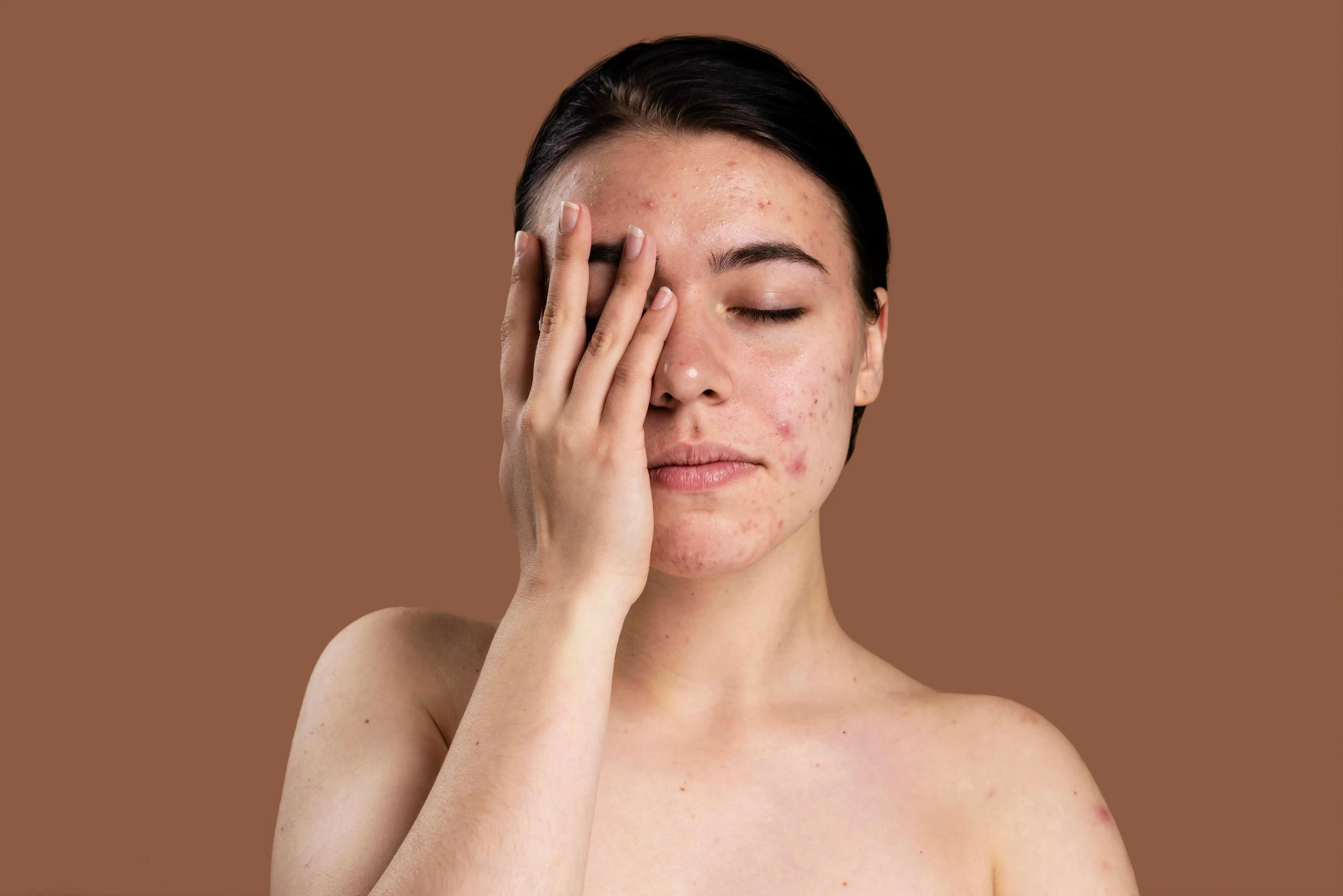
Acne on cheeks is usually caused by clogged pores, excess oil, inflammation, and acne-causing bacteria. Product buildup, hair products, phones, pillowcases, masks, sweat, and hormonal changes can all contribute. Use gentle cleansing, a non-comedogenic moisturiser, daily sunscreen, and one suitable acne treatment. See a dermatologist for painful, cystic, scarring, or persistent acne.
What Is Acne on Cheeks?
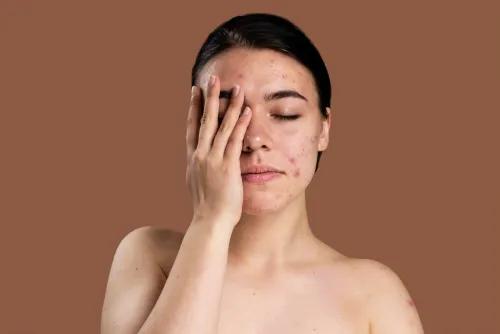
Acne on cheeks refers to pimples, blackheads, whiteheads, papules, pustules, nodules, or cysts that develop on the cheek area. It is a common form of acne vulgaris, a skin condition that occurs when hair follicles become blocked with oil, dead skin cells, and inflammatory material.
Cheek acne can affect teenagers and adults. Some people get occasional surface-level pimples, while others develop recurring deep breakouts that leave dark marks or scars.
What Types of Acne Can Appear on the Cheeks?
| Type | Appearance | Usual Depth | Common Concern |
|---|---|---|---|
| Blackheads | Dark open pores | Surface-level | Clogged pores |
| Whiteheads | Small white or skin-coloured bumps | Surface-level | Closed pores |
| Papules | Small red, tender bumps | Shallow | Inflammation |
| Pustules | Red pimples with a white or yellow centre | Shallow | Inflammation and pus |
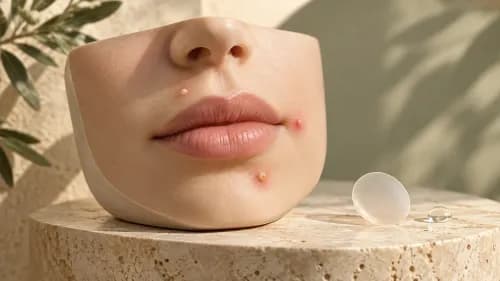
| Nodules | Large, hard, painful lumps | Deep | Scarring risk |
| Cysts | Deep, swollen, painful lesions | Very deep | High scarring risk |
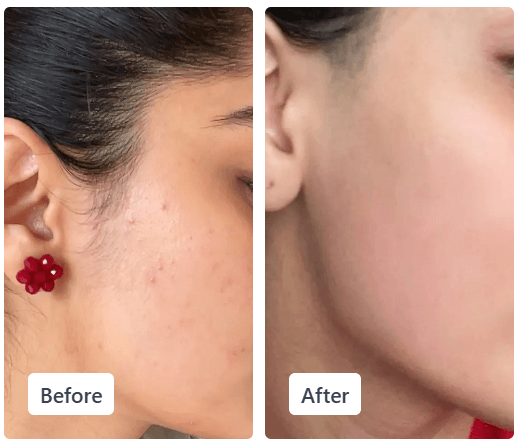
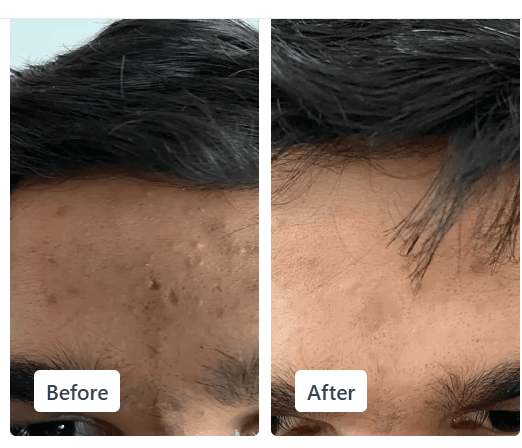
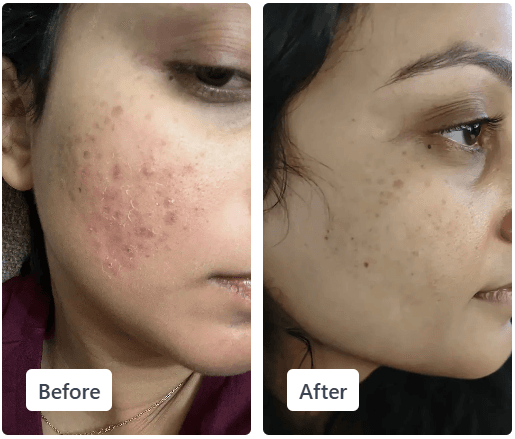
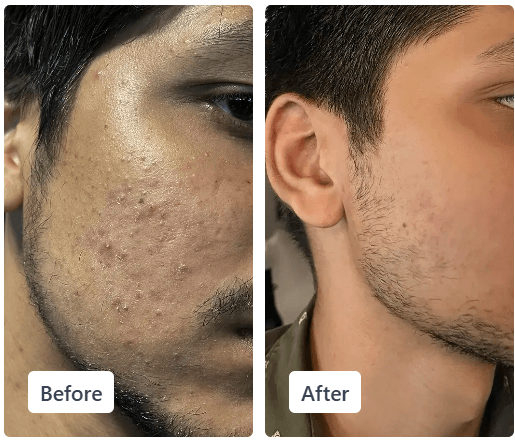
See real results, then start your own
Take the free Clear Ritual Skin Test and get a personalized routine built for your skin's unique patterns.
What Causes Acne on Cheeks?
Acne on cheeks usually develops from a combination of oil production, pore blockage, inflammation, and bacterial activity. The exact trigger can vary from person to person.
What Skin Changes Cause Cheek Acne?
- Excess sebum: Oil-producing glands can produce more sebum than the skin can clear.
- Dead skin cell buildup: Dead cells can mix with oil and block the opening of a hair follicle.
- Inflammation: The blocked follicle can become inflamed, leading to red or painful pimples.
- Acne-causing bacteria: Cutibacterium acnes can multiply inside blocked follicles and contribute to inflammation.
What External Triggers Can Worsen Acne on Cheeks?
- Hair oils, conditioners, pomades, or styling products touching the cheeks
- Heavy makeup, sunscreen, or moisturiser that does not suit acne-prone skin
- Dirty makeup brushes, phone screens, pillowcases, or face masks
- Touching or resting the face on the hands
- Sweat and friction after exercise, helmets, or masks
- Shaving, waxing, or facial hair removal that irritates follicles
Can Hormones, Stress, and Diet Affect Cheek Acne?
Hormonal changes can increase oil production and contribute to acne, especially around puberty, menstrual cycles, pregnancy, perimenopause, or conditions such as PCOS. Stress, poor sleep, and some dietary patterns may also worsen acne in certain people.
Cheek acne alone does not confirm a hormonal condition. However, recurring acne with irregular periods, excess facial hair, scalp hair thinning, or sudden weight changes may need medical evaluation.
How Does Acne on Cheeks Form?
Acne on cheeks usually follows a four-stage process:
- Oil production increases. Sebaceous glands produce more sebum than the pore can clear.
- The pore becomes blocked. Oil mixes with dead skin cells and forms a plug inside the hair follicle.
- Inflammation develops. The blocked follicle becomes irritated, and acne-causing bacteria may contribute to inflammation.
- A lesion appears. The blockage can develop into a blackhead, whitehead, papule, pustule, nodule, or cyst.
The deeper the inflammation, the greater the risk of dark marks and scarring after the acne heals.
See real results, then start your own
Take the free Clear Ritual Skin Test and get a personalized routine built for your skin's unique patterns.
How Can You Treat Acne on Cheeks?
A simple, consistent routine is usually more useful than starting several strong products at once. Choose one main acne treatment and give it time to work.
Step 1: Cleanse Gently Twice Daily
Wash your face in the morning and evening with a gentle, non-abrasive cleanser. Cleanse after heavy sweating when possible.
Avoid harsh scrubs, rough washcloths, and frequent cleansing. These can irritate the skin barrier and make acne treatments harder to tolerate.
Step 2: Use One Suitable Acne Treatment
Choose an active ingredient based on the type of acne you have.
| Ingredient | May Help With | How to Use Carefully |
|---|---|---|
| Salicylic acid | Blackheads, whiteheads, clogged pores | Start slowly and avoid over-exfoliating |
| Benzoyl peroxide | Red papules and pustules | Can cause dryness and bleach fabrics |
| Adapalene or another retinoid | Recurrent acne, clogged pores, uneven texture | Use at night and introduce gradually |
| Azelaic acid | Acne, redness, and post-acne marks | Can suit some sensitive skin types |
| Niacinamide | Oiliness, barrier support, mild inflammation | Usually used alongside other acne care |
Do not start several strong treatments in the same week. Introduce one product at a time and reduce use if you develop persistent burning, swelling, rash, or severe peeling.
Step 3: Moisturise Every Day
Acne-prone skin still needs moisturiser. A lightweight, fragrance-free, non-comedogenic gel or lotion can reduce dryness and improve tolerance to acne treatments.
Skipping moisturiser can make the skin feel tight and irritated, especially when using benzoyl peroxide, salicylic acid, or retinoids.
Step 4: Use Sunscreen Every Morning
Apply broad-spectrum sunscreen with SPF 30 or higher every morning. Sun protection helps reduce the risk of dark marks becoming more visible after acne heals.
Choose a lightweight sunscreen labelled non-comedogenic if you are prone to clogged pores.
Step 5: Keep Products Away From the Cheeks
Check whether haircare, makeup, shaving products, or thick moisturisers may be touching the cheek area. Use clean makeup brushes and remove sunscreen and makeup thoroughly at night.
Step 6: Give the Routine Enough Time
Acne treatments usually need several weeks of consistent use before improvement is clear. Avoid changing products every few days or squeezing pimples while waiting for results.
What Does a Simple Cheek Acne Routine Look Like?
Morning Routine
- Cleanse gently.
- Apply niacinamide or another mild treatment, if tolerated.
- Apply a lightweight moisturiser.
- Apply broad-spectrum sunscreen.
Evening Routine
- Remove sunscreen or makeup thoroughly.
- Cleanse gently.
- Apply one acne treatment, such as adapalene, azelaic acid, salicylic acid, or benzoyl peroxide.
- Apply moisturiser.
Do not use multiple strong exfoliants, retinoids, or acids in the same evening unless a dermatologist has advised you to do so.
What Habits Can Worsen Acne on Cheeks?
- Picking, popping, or squeezing pimples
- Using harsh scrubs or cleansing too often
- Applying heavy oils or thick butters to acne-prone cheeks
- Sleeping on unwashed pillowcases
- Leaving makeup, sunscreen, or sweat on overnight
- Frequently touching the cheeks
- Using several new active ingredients at the same time
- Treating a deep cyst like a surface pimple
How Long Does Acne on Cheeks Take to Improve?
| Timeframe | What You May Notice |
|---|---|
| Week 1-2 | Mild dryness or temporary irritation when starting a new active |
| Week 3-4 | Fewer new clogged pores or small pimples for some people |
| Week 6-8 | More visible improvement with consistent treatment |
| Month 3 | Reduced frequency of breakouts and gradual fading of post-acne marks |
| Month 3-6 | Better control of recurring acne in many mild-to-moderate cases |
Deep nodules, cysts, acne linked to an underlying hormonal condition, or acne that leaves scars may need professional treatment.
How Is Acne on Cheeks Different From Other Skin Conditions?
| Condition | Common Appearance | Key Difference |
|---|---|---|
| Acne | Blackheads, whiteheads, red pimples, cysts | May include clogged pores |
| Folliculitis | Small bumps around hair follicles | Often follows shaving or friction |
| Fungal folliculitis | Uniform, itchy small bumps | Often appears on the forehead, chest, or back |
| Rosacea | Persistent redness and flushing | Usually does not cause blackheads |
| Contact dermatitis | Itching, redness, rash, or burning | Triggered by an irritant or allergen |
| Perioral dermatitis | Small bumps around the mouth or nose | Can worsen with certain creams or steroids |
A dermatologist can help if you are not sure whether your cheek bumps are acne.
When Should You See a Dermatologist for Acne on Cheeks?
See a dermatologist when:
- Acne is painful, deep, cystic, or recurring
- Acne is leaving scars or persistent dark marks
- Over-the-counter products have not helped after around 8-12 weeks
- Acne is affecting confidence, mood, or daily life
- You have irregular periods, excess facial hair, scalp hair thinning, or other possible hormonal symptoms
- You are pregnant, breastfeeding, or planning pregnancy and need acne treatment advice
Avoid using retinoids during pregnancy unless a qualified clinician has specifically advised otherwise.
How Clear Ritual Supports Personalized Skincare Decisions
Clear Ritual's approach is centred on keeping acne care simple, gentle, and consistent. Instead of chasing quick fixes, focus on understanding skin triggers, supporting the skin barrier, and using treatments that suit your skin type and tolerance.
For persistent cheek acne, professional advice can help identify whether the main driver is clogged pores, irritation, product buildup, hormonal changes, or another skin condition.
See real results, then start your own
Take the free Clear Ritual Skin Test and get a personalized routine built for your skin's unique patterns.
Editorial Standards
Clear Ritual has Strict sourcing guidelines to ensure our content is accurate and current. We rely on peer-reviewed studies, academic research institutions, and medical associations. We strive to use primary sources and refrain from using tertiary references. See a mistake? Learn More about our Editorial Standards.