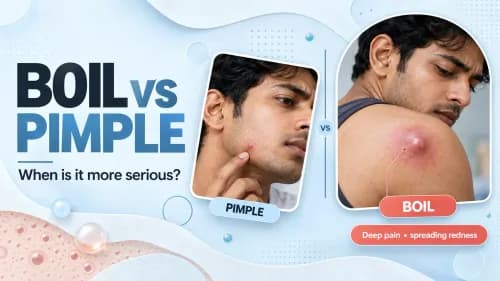
Acne on Chin: Causes, Types, and How to Treat It
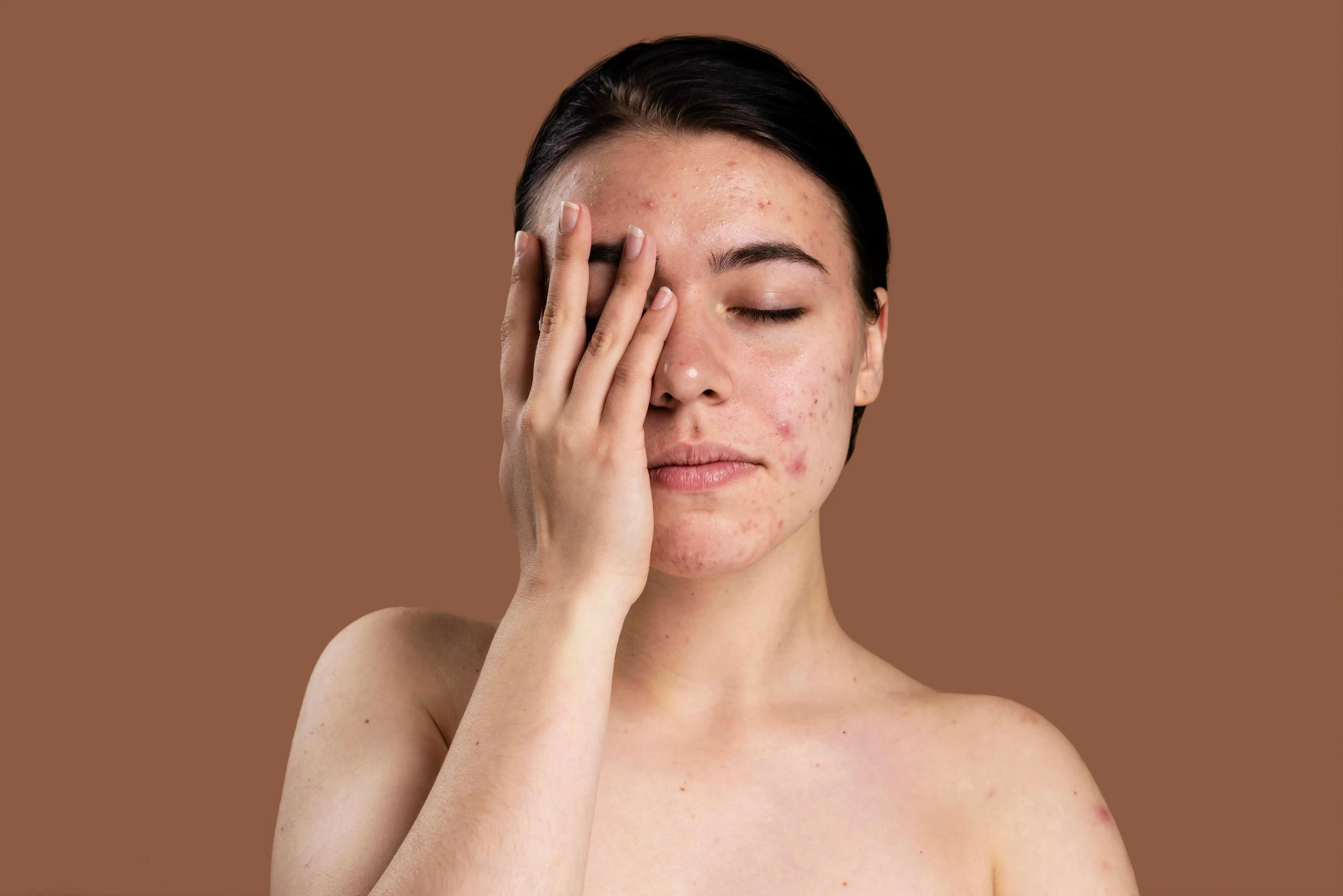
Chin acne is often linked to hormonal fluctuations, but excess oil, friction, stress, diet, and pore-clogging products can also contribute. Gentle, consistent treatment may help, while painful, cystic, scarring, or recurring breakouts may need assessment from a dermatologist or gynaecologist.
What Is Acne on the Chin?
Acne on the chin is a skin condition in which hair follicles on the chin and lower jaw become blocked by excess sebum, dead skin cells, or bacteria. This blockage leads to inflammation and the formation of pimples, whiteheads, blackheads, or deeper cystic nodules.
The chin is part of the hormonal "T-zone" and "U-zone" of the face. Sebaceous glands in this area are especially sensitive to androgens, hormones that stimulate oil production. When androgen levels rise, even temporarily, oil production increases and pores are more likely to become clogged.
Chin acne affects people of all ages but is particularly common in adults aged 20-40. Studies suggest that up to 54% of women over 25 experience some form of adult facial acne, with the lower face being the most frequently affected area [1].
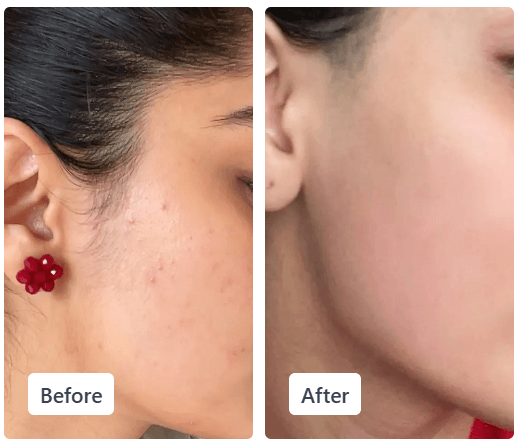
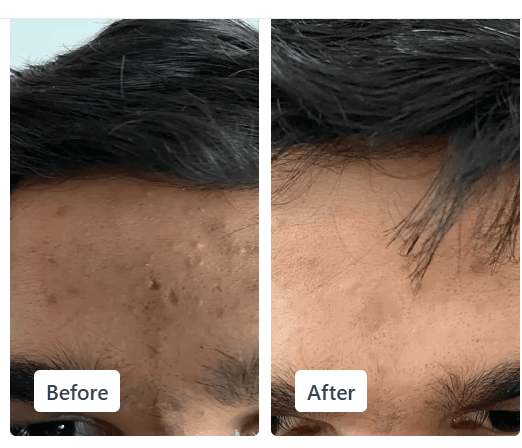
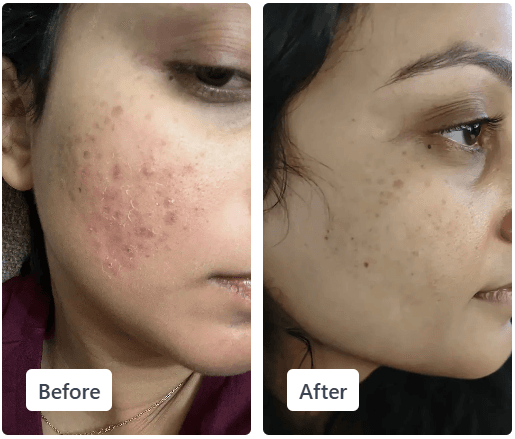
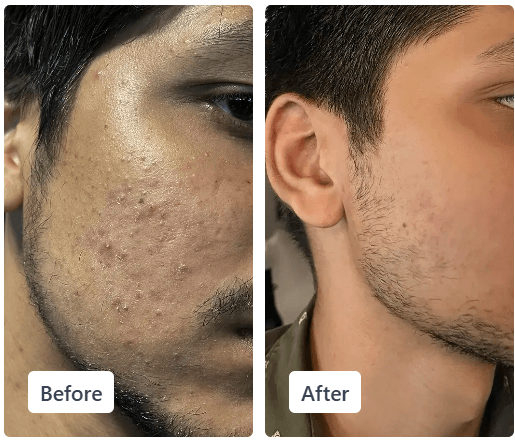
See real results, then start your own
Take the free Clear Ritual Skin Test and get a personalized routine built for your skin's unique patterns.
What Causes Acne on the Chin?
Acne on the chin forms when one or more of the following factors are present:
- Hormonal changes: Androgens such as testosterone stimulate excess sebum production. This is why chin acne often flares before menstruation, during pregnancy, or around menopause.
- Excess sebum production: The chin contains a high density of sebaceous glands. Overactive glands lead to oily skin and clogged pores.
- Bacterial overgrowth: Cutibacterium acnes (formerly Propionibacterium acnes) thrives in blocked, oily follicles and triggers an immune response, causing redness and swelling.
- Friction and pressure: Resting your chin on your hands, wearing helmets, or using masks can trap heat and bacteria against the skin, a pattern sometimes called "acne mechanica."
- Diet: High-glycaemic foods and dairy may worsen acne in susceptible individuals by raising insulin-like growth factor 1 (IGF-1), which stimulates sebum production [2].
- Stress: Cortisol released during stress indirectly increases androgen activity, which can trigger or worsen chin breakouts.
- Comedogenic products: Heavy moisturisers, foundations, or lip products that migrate to the chin can block pores.
How Does Chin Acne Form? The Step-by-Step Mechanism
Chin acne develops through a four-stage biological process:
- Excess sebum is produced. Androgen hormones signal the sebaceous glands to produce more oil than the skin needs.
- The follicle becomes blocked. Sebum mixes with dead skin cells and forms a plug inside the hair follicle. This plug may remain closed (whitehead) or open and oxidise (blackhead).
- Bacteria multiply. Cutibacterium acnes bacteria, which normally live on the skin, multiply rapidly inside the blocked follicle where oxygen is limited.
- Inflammation occurs. The immune system detects the bacterial overgrowth and sends white blood cells to the area. This causes the redness, swelling, and pain associated with an active pimple. In more severe cases, the follicle wall ruptures and the inflammation spreads deeper, forming nodules or cysts.
Clear Ritual's clinical team notes that understanding this mechanism helps explain why different treatments target different stages, salicylic acid works on the blockage, benzoyl peroxide targets bacteria, and retinoids address sebum regulation and cell turnover.
See real results, then start your own
Take the free Clear Ritual Skin Test and get a personalized routine built for your skin's unique patterns.
Types of Acne That Appear on the Chin
Chin acne is not a single condition. It appears in several forms, each with different characteristics and treatment needs.
| Type | Appearance | Depth | Tenderness | Typical Cause |
|---|---|---|---|---|
| Whiteheads | Small, white, closed bumps | Surface | None | Clogged pores, closed |
| Blackheads | Dark, open pores | Surface | None | Oxidised sebum plug |
| Papules | Small, red, raised bumps | Shallow | Mild | Bacterial inflammation |
| Pustules | Red base with white/yellow tip | Shallow | Mild-moderate | Pus-filled inflammation |
| Nodules | Large, hard, skin-coloured lumps | Deep | Significant | Severe inflammation |
| Cysts | Large, fluid-filled, painful lesions | Very deep | Severe | Ruptured follicle wall |
Hormonal chin acne tends to present as deeper, more painful papules, nodules, or cysts rather than surface-level blackheads or whiteheads. These lesions typically cluster along the jawline and lower chin and follow a cyclical pattern in women.
Does Chin Acne Mean PCOS?
Chin acne does not automatically indicate polycystic ovary syndrome (PCOS), but it can be one of its symptoms. PCOS is a hormonal condition in which elevated androgen levels cause a range of symptoms including irregular periods, excess facial or body hair, and persistent acne, particularly along the lower face and chin.
According to published research, approximately 34-56% of women with PCOS experience acne as a symptom [3]. However, chin acne has many other causes, including the normal hormonal fluctuations of the menstrual cycle, stress, or diet.
A dermatologist or gynaecologist can assess whether PCOS may be contributing to chin acne, typically through a blood test measuring androgen levels, and a pelvic ultrasound.
How to Get Rid of Acne on the Chin: A Step-by-Step Treatment Guide
Clear Ritual recommends a layered approach to treating chin acne, starting with skincare fundamentals before moving to targeted treatments.
Step 1: Cleanse Gently Twice a Day
Use a gentle, non-comedogenic cleanser morning and evening. Avoid scrubbing, which can irritate active acne and worsen inflammation. Look for ingredients such as salicylic acid (0.5-2%) or niacinamide, which help regulate oil without stripping the skin barrier.
Step 2: Apply a Targeted Topical Treatment
- Salicylic acid: Penetrates pores and dissolves the debris causing blockages. Suitable for whiteheads and blackheads.
- Benzoyl peroxide (2.5-5%): Kills acne-causing bacteria directly. Effective for inflammatory papules and pustules.
- Retinoids (adapalene, tretinoin): Regulate cell turnover, prevent new blockages, and reduce inflammation over time. Best used at night.
Step 3: Moisturise with a Non-Comedogenic Formula
Skipping moisturiser can cause the skin to overproduce oil in response to dryness. Choose a lightweight, oil-free gel or lotion.
Step 4: Use SPF Daily
Several acne treatments, including retinoids and benzoyl peroxide, increase sun sensitivity. Broad-spectrum SPF 30 or higher protects the skin and prevents post-acne dark marks from deepening.
Step 5: Address Hormonal Triggers (If Relevant)
If chin acne is cyclical and deep, speak with a doctor about hormonal options. Combined oral contraceptives, spironolactone, or other anti-androgen therapies can reduce androgen-driven sebum production significantly. In clinical studies, spironolactone reduced acne severity in up to 85% of women with hormonally driven breakouts [4].
Step 6: Review Diet and Lifestyle Habits
Reduce high-glycaemic foods (white bread, sugary drinks), limit dairy where possible, manage stress through sleep and exercise, and avoid touching or resting your chin on your hands.
Common mistakes to avoid:
- Popping or squeezing chin pimples, this pushes bacteria deeper and increases the risk of scarring.
- Switching products too frequently, most topical treatments need 6-8 weeks to show measurable improvement.
- Using heavy, fragranced lip balms or products that spread onto the chin area.
- Over-cleansing, which damages the skin barrier and worsens oil production.
What to Expect: Chin Acne Treatment Timeline
Results from chin acne treatment vary depending on severity, type, and whether hormonal factors are involved. The following is a realistic guide.
| Timeframe | What Typically Happens |
|---|---|
| Week 1-2 | Skin may purge slightly as topical treatments accelerate cell turnover. Some temporary worsening is normal. |
| Week 4-6 | Reduction in new pimple formation. Existing lesions begin to flatten. |
| Week 8-12 | Visible improvement in overall clarity. Inflammatory lesions reduce significantly in most cases. |
| Month 3-6 | Consistent reduction in breakout frequency. Post-acne marks begin to fade. Hormonal treatments show full effect. |
| Month 6+ | Long-term maintenance phase. Ongoing treatment may be needed to prevent recurrence. |
Clear Ritual's clinical experience indicates that surface-level acne (whiteheads, blackheads) responds faster, often within 4-6 weeks, while deep hormonal cysts may require 3-6 months of consistent treatment.
Best Practices for Managing Chin Acne
Clear Ritual's dermatology team recommends the following evidence-based habits for managing chin acne:
- Change pillowcases every 2-3 days. Pillowcases accumulate bacteria, oil, and dead skin cells that transfer back to the face overnight.
- Clean your phone screen regularly. Phone screens carry significant bacterial load and press directly against the chin during calls.
- Keep hair products away from the chin. Conditioners and styling products that drip onto the lower face can clog pores.
- Stay consistent with treatment. Applying topical treatments only during breakouts is less effective than daily, preventive use.
- Track your cycle. If acne flares 1-2 weeks before your period, hormonal factors are likely involved and targeted treatment can be planned accordingly.
- See a dermatologist for cystic acne. Nodules and cysts rarely resolve with over-the-counter products alone and may require prescription-strength retinoids, antibiotics, or isotretinoin.
- Do not skip SPF. Protecting post-acne skin from UV exposure prevents hyperpigmentation from becoming permanent.
When Should You See a Doctor About Chin Acne?
Chin acne warrants professional consultation when:
- Pimples are deep, painful, or cystic and do not respond to over-the-counter treatment within 8-12 weeks
- Breakouts leave significant scarring or persistent dark marks
- Acne is accompanied by irregular periods, excess hair growth, or other signs of hormonal imbalance
- Acne causes significant psychological distress or affects daily functioning
A dermatologist may prescribe topical or oral antibiotics, prescription retinoids, hormonal therapies, or, in severe cases, isotretinoin, which is clinically shown to produce long-term remission in approximately 85% of patients after one course [5].
Chin Acne vs. Other Skin Conditions: What's the Difference?
Chin acne is sometimes confused with other skin conditions. The following comparison helps distinguish between them.
| Condition | Appearance | Location | Key Difference |
|---|---|---|---|
| Acne | Pimples, cysts, blackheads, whiteheads | Face, neck, back | Caused by blocked follicles and bacteria |
| Folliculitis | Small red or white bumps, often with a hair | Beard area, chin | Caused by infected hair follicles; often after shaving |
| Cold sore (herpes simplex) | Fluid-filled blisters, tingling before appearance | Around the mouth and lips | Viral; not related to oil or follicles |
| Contact dermatitis | Rash, redness, itching | Any contact area | Triggered by an allergen or irritant; no comedones |
| Rosacea | Persistent redness, visible blood vessels, bumps | Central face, cheeks, chin |
Editorial Standards
Clear Ritual has Strict sourcing guidelines to ensure our content is accurate and current. We rely on peer-reviewed studies, academic research institutions, and medical associations. We strive to use primary sources and refrain from using tertiary references. See a mistake? Learn More about our Editorial Standards.
Related Articles
Pimples on Tongue: Causes, Types & How to Get Relief
Published 17 July 2026
Pimple on Lip: Causes, Types & How to Get Rid of It
Published 8 October 2026
Pimples on Thighs: Causes, Types, and Treatment
Published 13 October 2026
Boils vs Pimples: How to Tell the Difference and When to See a Doctor
Published 13 October 2026