Nodular Acne: Causes, Treatments and What Works
Quick Answer:
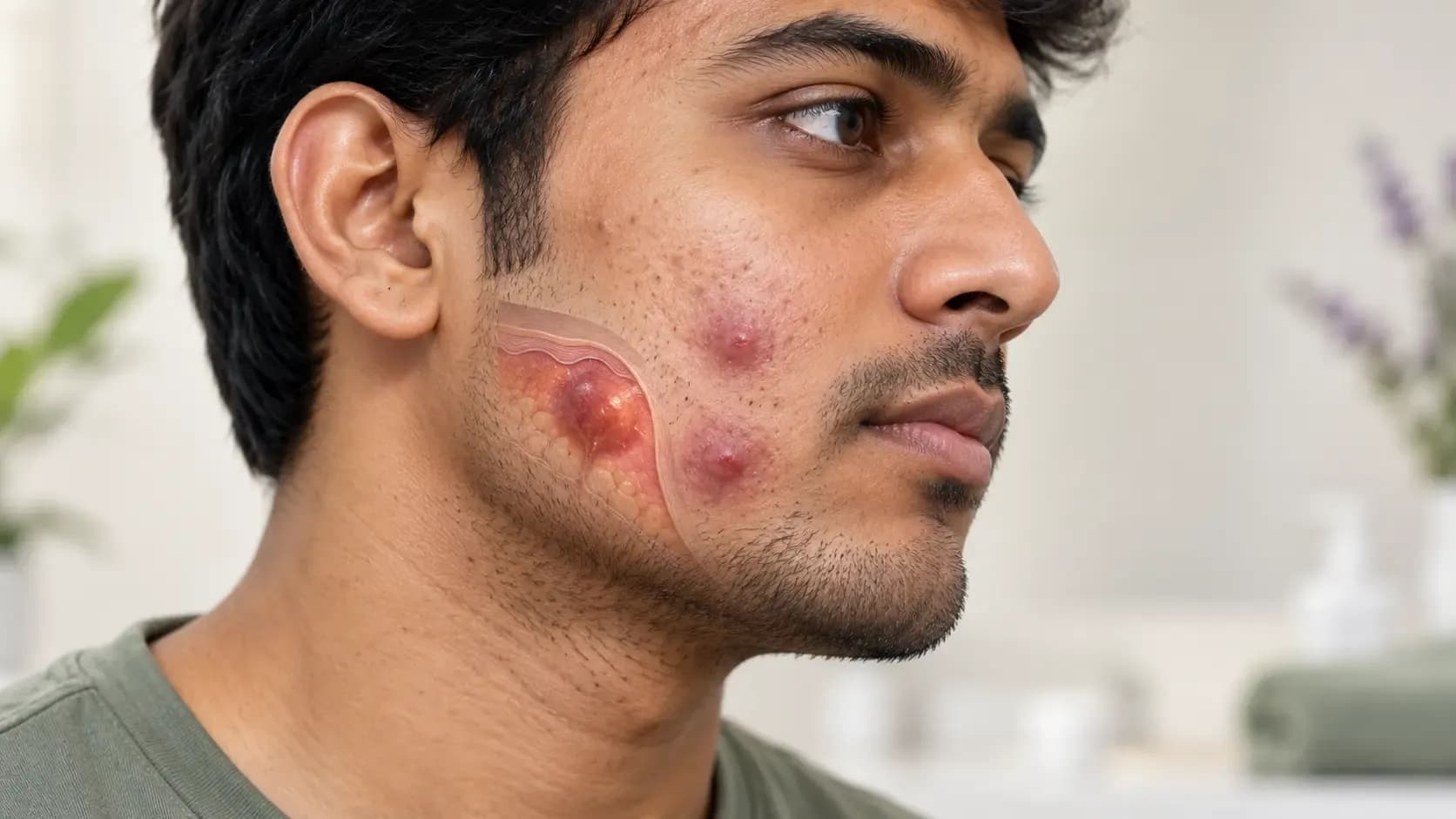
Nodular acne is a severe form of inflammatory acne with firm, painful bumps deep in the skin. Do not squeeze them. A dermatologist may recommend combination therapy, isotretinoin for severe cases, or an injection for a particularly painful nodule. Early care can help prevent scarring.
Nodular acne causes deep, painful lumps beneath the skin that can persist and lead to scarring. It often needs dermatologist-prescribed treatment rather than over-the-counter products alone. Early assessment helps control inflammation and lower the risk of permanent marks.
Three facts that change how you approach this:
- Nodular acne involves deeper inflammation and usually needs more than over-the-counter treatment alone.
- A nodule may persist for weeks and should be assessed if painful, recurrent or worsening.
- Deep inflammatory lesions have a substantial risk of permanent scarring.
What Is Nodular Acne?
Nodular acne is a severe form of inflammatory acne characterised by solid, hard, painful lumps that develop deep within the hair follicle. Unlike surface breakouts, nodular acne lesions have no visible whitehead or blackhead at the surface, are firm rather than fluid-filled, and cannot drain on their own.
Nodular acne differs from milder acne types, whiteheads, blackheads, papules, and pustules, in four key ways:
- Depth: Nodular acne forms deep within the skin, not at the surface.
- Pain level: Nodular acne lesions are highly inflamed and painful to touch; milder types may cause slight discomfort or none at all.
- Scarring risk: Because nodules damage deeper skin layers, they carry a significantly higher risk of permanent scarring than surface-level acne.
- Treatment requirement: Over-the-counter treatments may work for mild acne, but nodular acne typically requires prescription medications to resolve.
Also referred to as nodules acne, acne nodules, or a nodule pimple, this condition affects teenagers and adults alike. If what you are seeing is large, painful, and has been present for more than two weeks without changing, it is likely nodular, and it needs a different approach than the products on your bathroom shelf.
Where Does Nodular Acne Typically Appear on the Body?
Nodular acne commonly develops in areas with highly active oil glands. According to Clear Ritual's skincare team, the most frequent locations include:
- Face: Particularly along the cheeks, jawline, and chin, where androgen-sensitive sebaceous glands are concentrated.
- Back: Excess oil production, sweating, and friction against clothing create conditions that favour deep follicular blockages.
- Chest and shoulders: Increased sebaceous activity in these areas, combined with heat and sweat, raises the risk of nodule formation.
Nodular acne in all these locations shares the same underlying mechanism: a deeply blocked follicle triggering an intense immune response.
What Causes Nodular Acne? Six Evidence-Based Triggers
Nodular acne develops when multiple biological and environmental factors converge to block follicles deeply and trigger severe inflammation. Clear Ritual identifies six primary causes based on clinical and research evidence.
1. Clogged Pores Nodular acne primarily occurs when hair follicles become blocked by an accumulation of sebum, dead skin cells, and bacteria deep within the pores. The bacteria Cutibacterium acnes proliferates in clogged pores, producing enzymes and fatty acids that trigger an intense inflammatory response.
2. Hormonal Changes Fluctuations in hormones, especially elevated androgen levels during puberty, pregnancy, and conditions like PCOS, stimulate sebaceous glands to secrete more oil, leading to clogged pores. Stress raises cortisol levels, which in turn stimulates excess sebum production.
3. Certain Medications Corticosteroids, lithium, and anticonvulsants can trigger acne or acne-like breakouts, a condition referred to as drug-induced acne. Patients starting any of these medications should monitor their skin closely and consult a dermatologist if nodular lesions develop.
4. Friction and Mechanical Irritation Mechanical irritation from abrasive scrubs, tight clothing, or repetitive touching of the face can exacerbate existing inflammation and slow healing, sometimes called acne mechanica.
5. Comedogenic Skincare Products Skincare products containing certain oils, silicones, lanolin, high concentrations of alcohol, or harsh sulfates can clog pores and trigger breakouts. Clear Ritual recommends always checking for "non-comedogenic" labelling before applying any product to acne-prone skin.
6. Diet Research suggests that high milk intake and diets with a high glycaemic load are linked to increased acne severity during adolescence. Some observational studies suggest associations, but diet is not the sole cause of nodular acne. Dietary changes may help reduce recurrence but are unlikely to resolve existing nodular lesions on their own.
How Does Nodular Acne Form? The Step-by-Step Mechanism
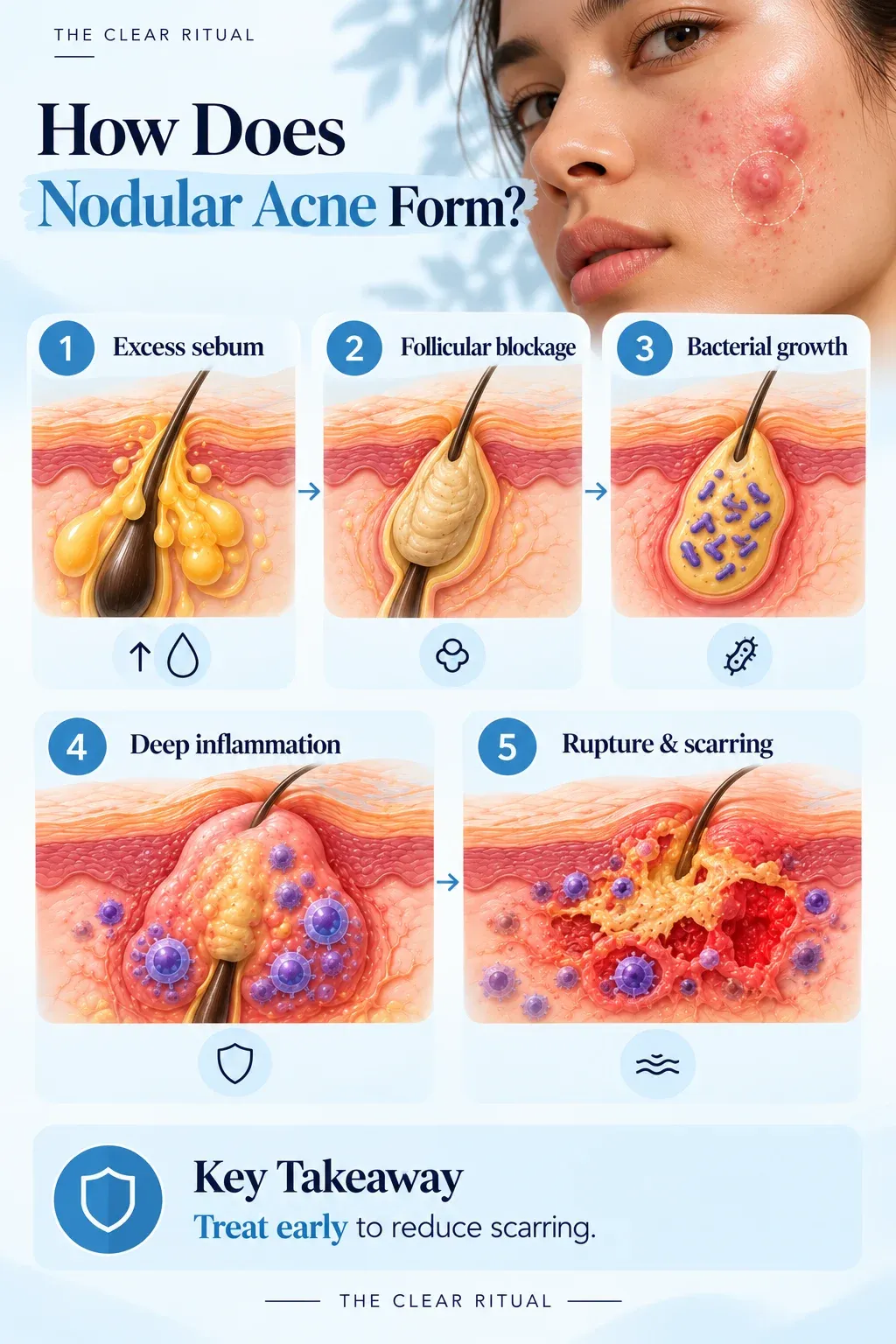
Nodular acne does not appear overnight. It develops through a sequence of biological events, each one making the next more severe. Understanding this cascade explains why nodular acne takes weeks to form, and months to treat.
Excess sebum production: The sebaceous gland attached to a hair follicle produces more oil than normal, often triggered by dihydrotestosterone (DHT). Hormonal fluctuations during puberty, the menstrual cycle, or PCOS cause androgen levels to spike, directly stimulating overproduction.
Follicular occlusion: Excess sebum combines with dead skin cells (corneocytes) and keratin inside the follicle. When this mixture hardens, it blocks the follicular opening completely, deep within the follicle, which is why no surface head is visible.
Bacterial proliferation: The blocked follicle creates an anaerobic (oxygen-free) environment, ideal for Cutibacterium acnes to multiply rapidly. The bacteria release enzymes and fatty acids that begin to degrade the follicle wall.
Deep immune response: The immune system sends neutrophils and macrophages to the site. Because the inflammation is deep, the immune response can be intense, producing a solid, swollen nodule made of inflamed tissue, not a pocket of pus.
Potential rupture and scarring: If the follicle wall ruptures, infected sebum and bacteria spread into the surrounding dermis. This triggers a secondary, deeper inflammatory wave, the stage at which permanent scarring becomes most likely.
Treating nodular acne early, before steps 4 or 5, significantly reduces the risk of scarring. Every stage of delay deepens the potential damage.
Nodular Acne vs Cystic Acne vs Papules vs Pustules: What Is the Difference?
Nodular acne and cystic acne are frequently confused, and the term "nodulocystic acne" is used when both appear together. They are related but not identical, and the distinction directly affects which treatments a dermatologist will prescribe.
- Nodular acne is solid. The lump is made of inflamed tissue, not fluid. It is hard to the touch, painful, and does not come to a head.
- Cystic acne is fluid-filled. The lesion contains a pocket of pus. It may feel softer than a nodule when pressed and is more likely to drain, though forcing drainage is always a mistake.
| Feature | Nodular Acne | Cystic Acne | Papule | Pustule |
|---|---|---|---|---|
| Depth | Deep dermis | Deep dermis | Superficial dermis | Superficial dermis |
| Contents | Solid inflamed tissue | Pus-filled sac | Solid | Pus-filled |
| Size | >5 mm | >5 mm | 1–5 mm | 1–5 mm |
| Surface appearance | No head, no pus | May show pus at tip | Red bump | Visible white/yellow head |
| Pain level | Severe | Severe to moderate | Mild to moderate | Mild |
| Scarring risk | High | High | Low | Low |
| Response to OTC treatments | Poor | Poor | Moderate | Good |
| Typical treatment | Isotretinoin, oral antibiotics | Isotretinoin, drainage by dermatologist | Topical retinoids | Topical benzoyl peroxide |
When both nodules and cysts appear together: The clinical term "nodulocystic acne" describes severe acne where nodules and cysts coexist simultaneously. This is the most severe category of acne vulgaris and almost always requires systemic treatment, typically oral isotretinoin, to prevent permanent scarring across large areas of skin.
What Is Nodulocystic Acne, and How Is It Different from Nodular Acne Alone?
Nodulocystic acne is the most severe grade of acne vulgaris, defined as the simultaneous presence of both solid nodules and fluid-filled cysts across the same area of skin.
Nodules are hard, cyst-free, and buried in inflamed tissue. Cysts are softer, pus-filled sacs that can sometimes be drained by a dermatologist. When both appear together, which is common in adults with severe genetic or hormonal acne, the condition is classified as nodulocystic acne.
Why the distinction matters for treatment:
- Nodulocystic acne warrants prompt specialist assessment; isotretinoin is a common option for severe or scarring disease.
- The presence of multiple deep lesions increases concern about scarring.
- Dermatologists may use intralesional corticosteroid injections for selected painful lesions alongside longer-term treatment.
One-line definition for clarity: Nodulocystic acne = nodular acne (solid) + cystic acne (fluid-filled) occurring at the same time, requiring systemic treatment.
If you have both types of lesions simultaneously, tell your dermatologist explicitly, the co-presence of nodules and cysts changes the urgency and type of prescription your skin needs.
What Are the Symptoms and Complications of Nodular Acne?
Nodular acne presents with a distinct set of symptoms that differentiate it from milder acne types. Clear Ritual's clinical guidance highlights the following:
Primary symptoms:
- Large, firm, red swellings beneath the skin surface
- Severe pain and sensitivity at the site, even without touching the lesion
- No visible whitehead or blackhead at the surface
- Persistence for weeks or months without treatment
Potential complications:
- Permanent scarring: Because nodular acne damages deeper skin layers, it carries a substantially higher scarring risk than surface-level acne. Without prompt treatment, deep lesions frequently leave permanent marks.
- Post-inflammatory hyperpigmentation (PIH): Dark spots can remain at the site of a resolved nodule for an additional 3 to 6 months after the lesion itself heals.
- Psychological distress: Nodular acne and its visible scarring are associated with reduced self-esteem, social withdrawal, and in some cases clinical depression. Early treatment addresses both physical and psychological outcomes.
Nodular acne is not contagious. However, it does not disappear reliably on its own, proper medical care is required to resolve it and prevent long-term skin damage.
Who Is Most Prone to Nodular Acne?
Nodular acne affects a broad range of people, but certain groups carry a measurably higher risk. According to Clear Ritual's dermatology team:
- Teenagers represent the highest-prevalence group, due to the androgen surge that occurs during puberty, but adults develop nodular acne as well, particularly in their twenties and thirties.
- Males experience nodular acne more frequently than females, primarily because of higher baseline androgen levels, which drive greater sebum production.
- People with a family history of severe acne face elevated risk. Studies suggest that heritability for severe acne is approximately 80% in twin studies, meaning genetics set a strong predisposition, though lifestyle factors can meaningfully modify how severely that predisposition expresses.
- Individuals with hormonal conditions such as PCOS, adrenal disorders, or those undergoing significant hormonal changes (pregnancy, menopause, starting or stopping hormonal contraceptives) are at increased risk.
What Are the Treatment Options for Nodular Acne?
Nodular acne rarely responds to over-the-counter medications because the inflammation sits too deep in the skin for surface actives to reach. Clear Ritual strongly recommends consulting a dermatologist early to prevent permanent scarring.
Prescription Medications
Oral Isotretinoin (Accutane) Considered the gold standard for severe nodular acne. Isotretinoin decreases oil secretion, normalises follicular keratinisation, and reduces inflammation at the source. Treatment length varies according to the individual. Treatment response and duration vary, and isotretinoin requires medical monitoring and strict pregnancy precautions.
Oral Antibiotics (Tetracyclines, Doxycycline, Minocycline) Reduce the C. acnes bacterial population and fight skin inflammation. Effective as a short-term measure, typically used for no more than 3 months due to antibiotic resistance concerns. Often used in combination with topical retinoids for better outcomes.
Oral Corticosteroids Administered for short periods to manage severe inflammation and pain caused by nodular acne. Not a long-term solution, but useful for acute flares.
Hormonal Treatments For women whose nodular acne is driven by hormonal fluctuations, oral contraceptives or spironolactone may significantly reduce sebaceous activity and nodule formation. May be considered for suitable patients after individual clinical assessment.
Dermatological Procedures
Intralesional Corticosteroid Injections A dermatologist injects a small amount of corticosteroid directly into the nodule. This reduces inflammation and pain within 48 to 72 hours. Used for individual, particularly severe, or painful nodules as a bridge treatment.
Chemical Peels Help improve skin texture and address post-inflammatory hyperpigmentation once active inflammation has resolved. Not used during active nodular breakouts.
Laser Therapy Used to treat acne scars and hyperpigmentation caused by severe nodular acne. Introduced at the scar management stage, after active nodules have cleared.
Microneedling May be introduced alongside laser therapy for scar treatment, typically 6 or more months into the treatment journey once the skin is stable.
Nodular Acne Treatment Options Compared: What the Evidence Actually Shows
Not all nodular acne treatments are equal. The research clearly shows which options have strong evidence, which are bridge therapies only, and which are rarely appropriate as standalone treatments.
| Treatment | How It Works | Evidence Strength | Best Used For | Key Limitation |
|---|---|---|---|---|
| Oral Isotretinoin | Reduces sebum production, normalises follicular keratinisation, reduces inflammation at source | Strong guideline recommendation for severe, scarring or treatment-resistant acne | Multiple or recurring nodules; nodulocystic acne; scarring risk | Requires monitoring; not safe in pregnancy; 5–6 month course |
| Oral Antibiotics (Doxycycline / Minocycline) | Reduces C. acnes bacterial load; anti-inflammatory | Guideline-supported short-term use as part of combination therapy | Moderate nodular acne; bridge while awaiting isotretinoin | Limit duration and combine with benzoyl peroxide as directed by a clinician |
| Intralesional Corticosteroid Injection | Directly reduces inflammation in a single nodule | Good for individual lesions, size and pain reduction within 48–72 hours (JCAD 2020) | One severely painful or event-driven nodule | Does not address underlying cause; repeat injections can thin skin |
| Oral Contraceptives / Spironolactone | Reduces androgen-driven sebum production | Good for hormonal nodular acne in women, established evidence for androgen-excess cases | Women with PCOS, elevated androgens, or cycle-linked flares | Appropriateness depends on medical history, contraindications and pregnancy considerations |
| Oral Corticosteroids | Systemic anti-inflammatory | Limited, short-course only for acute, severe inflammation | Severe acute flare requiring rapid inflammation control | Reserved for selected severe cases; adverse effects limit use |
| Topical Retinoids (Tretinoin, Adapalene) | Normalise cell turnover, reduce comedone formation | Weak for standalone nodular acne, better for maintenance and prevention | Maintenance alongside a dermatologist-led treatment plan | Usually insufficient alone for deep nodules; may cause dryness or irritation |
How to Care for Nodular Acne at Home
Home care supports prescription treatment but does not replace it for deep, persistent nodules.
- Cleanse gently: Wash with a mild cleanser twice daily without scrubbing.
- Do not pick or squeeze: Pressure can increase inflammation and scarring.
- Moisturise: Use a fragrance-free, non-comedogenic moisturiser to manage dryness from prescribed treatment.
- Protect from the sun: Apply broad-spectrum SPF 30 or higher to reduce dark marks and protect sensitive skin.
- Follow the prescribed plan: Avoid adding multiple strong exfoliants or changing medication without discussing it with your dermatologist.
How Long Does Nodular Acne Take to Improve?
Improvement depends on severity and the treatment selected. Some painful lesions may settle sooner after an appropriate dermatological procedure, while overall acne control often takes several weeks to months. Do not assume that a persistent nodule will disappear with home remedies. Follow-up appointments allow treatment to be adjusted and scarring risk to be assessed.
When Should You See a Dermatologist?
Seek a dermatologist's assessment if you have deep painful lumps, recurring nodules, new scars, or acne affecting your confidence or daily life. Seek prompt medical care if redness spreads rapidly, you develop fever, or a lesion becomes unusually hot and swollen, as another skin condition or infection may need assessment.
Can Nodular Acne Be Prevented?
Not all nodular acne can be prevented, especially when genetic and hormonal factors are involved. Consistent, appropriate acne treatment can reduce new lesions. Choose non-comedogenic products, avoid picking, and seek early care when deep breakouts recur. A dermatologist can help create a maintenance plan after active acne improves.
Frequently Asked Questions About Nodular Acne
Q. What is the difference between nodular acne and cystic acne?
A. Nodules are generally firm, deep inflammatory lumps, while acne cysts may contain fluid or pus. Both can be painful, cause scarring and require medical assessment.
Q. Can nodular acne go away on its own?
A. An individual nodule may eventually settle, but deep acne can persist or recur and may scar. Early dermatology care is recommended rather than waiting for repeated painful lesions to resolve.
Q. What is the best treatment for nodular acne?
A. Treatment depends on severity. Dermatologists may use combinations of topical therapies and systemic medications. Isotretinoin is recommended for severe, scarring or treatment-resistant acne and requires medical supervision.
Q. Should I pop a nodular pimple?
A. No. Squeezing or puncturing a deep nodule can worsen inflammation and increase the chance of scarring or infection.
Q. How long does nodular acne take to heal?
A. A nodule may last for weeks, and a full treatment plan can take several weeks to months to show improvement. Timing varies by severity and treatment.
Q. Can nodular acne leave permanent scars?
A. Yes. Deep inflammation can damage surrounding tissue and cause permanent scars. Prompt treatment and avoiding picking can reduce the risk.
References
- American Academy of Dermatology. Acne clinical guideline.
- American Academy of Dermatology. Acne: Diagnosis and treatment.
Understand What Your Skin Needs
Take the Clear Ritual Skin Test to identify your skin type, concerns, and potential triggers before building your routine.
Take the Free Skin Test
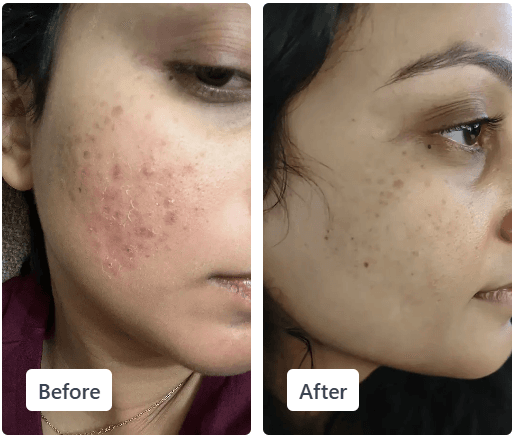
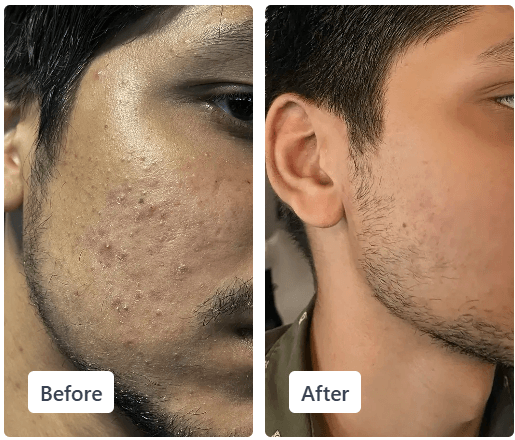
Disclaimer: This article is for educational purposes only and is not a substitute for diagnosis or personalised medical advice. Deep, painful acne should be assessed by a qualified dermatologist. Prescription medicines, including isotretinoin, require medical supervision.
Editorial Standards
Clear Ritual has Strict sourcing guidelines to ensure our content is accurate and current. We rely on peer-reviewed studies, academic research institutions, and medical associations. We strive to use primary sources and refrain from using tertiary references. See a mistake? Learn More about our Editorial Standards.
Related Articles
Chest Acne: Causes, Treatment & Complete Skincare Guide
Published 17 July 2026
Neonatal Acne: What New Parents Need to Know
Published 17 July 2026
Whiteheads vs Milia: How to Tell the Difference & Treat Them Correctly
Published 20 July 2026
Acne Caused by Makeup: Understanding Acne Cosmetica
Published 17 July 2026