Whiteheads vs Milia: How to Tell the Difference & Treat Them Correctly
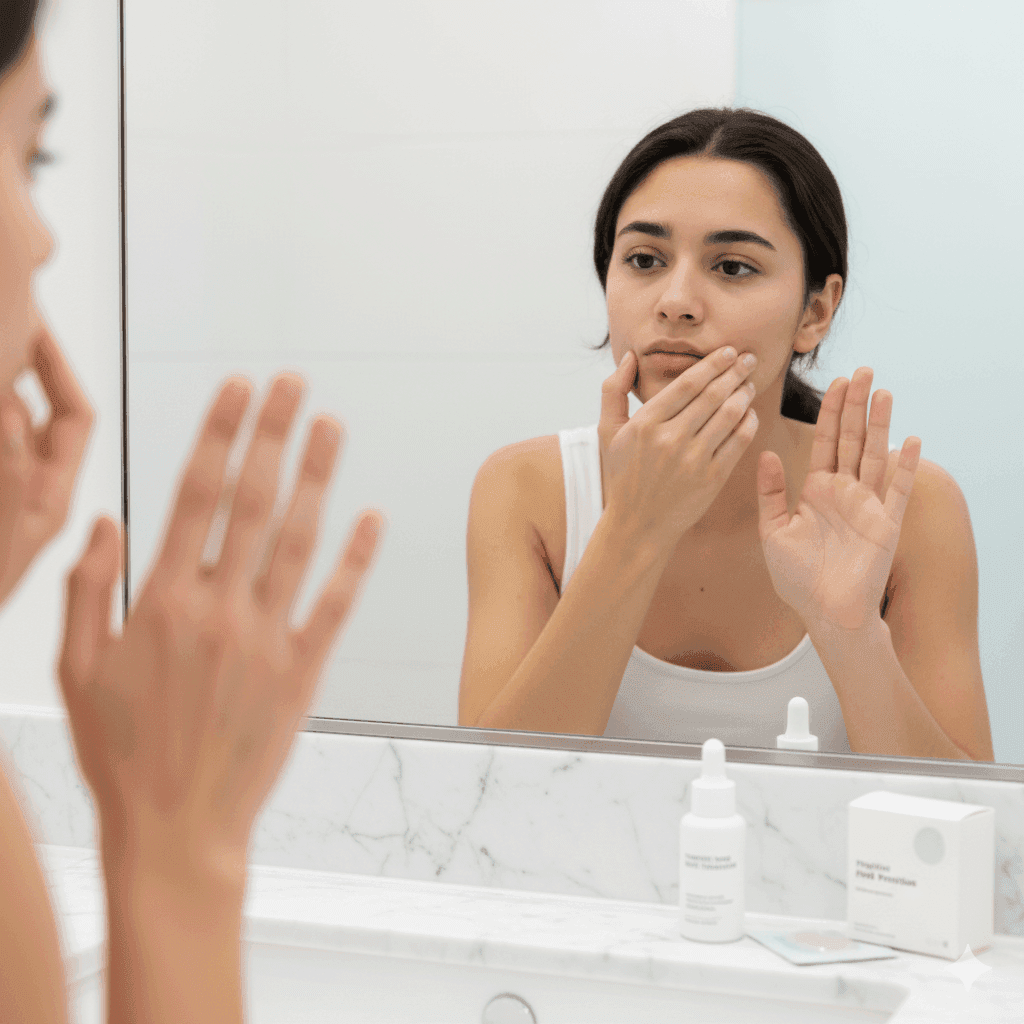
Whiteheads and milia are both small white bumps, but they are different skin conditions with different causes. Whiteheads are closed comedones caused by clogged pores and oil buildup, while milia are keratin filled cysts that are not acne and are not caused by oil. Whiteheads often fluctuate with oiliness and skincare, while milia are firm, pearl like bumps that do not change quickly and often persist for months. Treating milia like whiteheads, or the other way around, often leads to irritation and bumps that refuse to go away. Knowing which one you have is the key to choosing the right care.
What are whiteheads?
Whiteheads are a type of acne known as closed comedones. They form when oil (sebum) and dead skin cells clog a pore, while the pore opening remains closed.
Key characteristics of whiteheads:
- Caused by clogged pores
- Linked to oil production
- Often appear in acne-prone areas
- May come and go with skincare, hormones, or habits
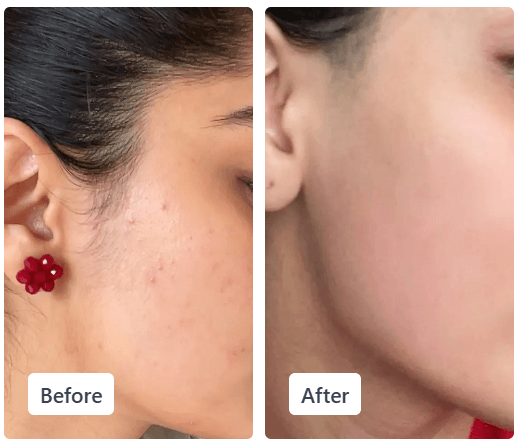
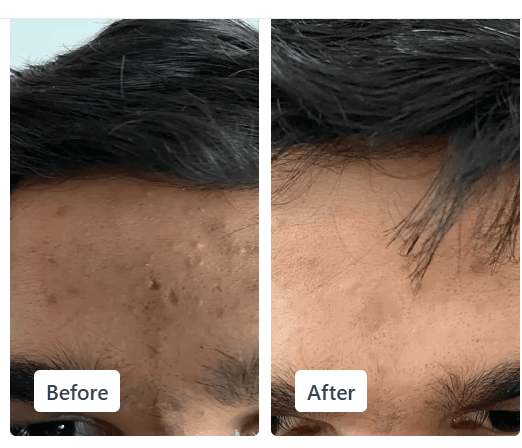
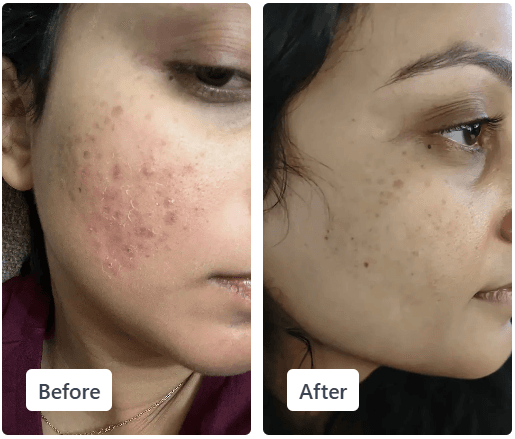
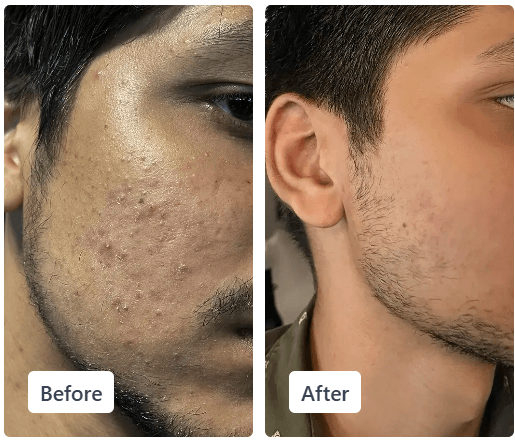
See real results, then start your own
Take the free Clear Ritual Skin Test and get a personalized routine built for your skin's unique patterns.
What are milia?
Milia are small cyst-like bumps filled with keratin (a structural protein in the skin). They are not acne and are not caused by oil.
Milia form when keratin becomes trapped beneath the skin surface, often due to slow or disrupted skin cell shedding.
Key characteristics of milia:
- Not connected to pores
- Not caused by oil or bacteria
- Firm, pearl-like bumps
- Often persist for months
Whiteheads vs milia: how they look and feel
Whiteheads
- Softer or slightly raised bumps
- May flatten or change over weeks
- Often appear in clusters
- Common on the forehead, nose, chin, cheeks
Milia
- Very firm, tiny white or yellowish bumps
- Do not change quickly
- Usually isolated rather than clustered
- Common around eyes, cheeks, and temples
See real results, then start your own
Take the free Clear Ritual Skin Test and get a personalized routine built for your skin's unique patterns.
Why milia are often mistaken for whiteheads
Both appear as small white bumps without redness. However, the underlying cause is completely different.
A key clue:
- If the bump never changes and doesn't respond to acne care, it's likely milia
- If it fluctuates with oiliness or skincare, it's more likely a whitehead
How to treat whiteheads correctly
Whiteheads respond to routines that support pores and oil balance.
Helpful approaches include:
- Gentle cleansing twice daily
- Lightweight moisturisation
- Controlled, infrequent chemical exfoliation
- Consistent sunscreen use
- Avoiding picking or squeezing
Improvement is gradual, usually over several weeks.
How to treat milia correctly
Milia do not respond to typical acne treatments.
What helps milia instead:
- Very gentle exfoliation to support skin turnover
- Avoiding heavy or occlusive eye and face creams
- Patience, some milia resolve slowly on their own
Persistent milia may require professional removal. At-home squeezing is not recommended.
Why popping is a bad idea for both
Neither whiteheads nor milia should be popped at home.
- Whiteheads: popping increases inflammation and scarring risk
- Milia: squeezing rarely works and often damages surrounding skin
In both cases, improper extraction can make the problem worse.
When to see a dermatologist
Consider professional advice if:
- You're unsure whether bumps are whiteheads or milia
- Bumps persist despite gentle care
- Milia are widespread or cosmetically distressing
Correct diagnosis prevents unnecessary irritation and speeds resolution.
How Clear Ritual Supports Personalized Skincare Decisions
Clear Ritual understands that milia and whiteheads are more than a surface issue. They are shaped by genetics, skin renewal cycles, environmental factors, and the products you use.
Because milia and whiteheads form when oil and dead skin cells clog pores, or keratin becomes trapped beneath the skin surface, generic solutions rarely bring lasting improvement. Clear Ritual combines traditional wisdom and modern science to address the underlying causes of milia and whiteheads.
The Clear Ritual Skin Test analyses your skin's unique patterns and daily influences to help identify the best routine for supporting healthy skin and reducing milia and whiteheads recurrence.
See real results, then start your own
Take the free Clear Ritual Skin Test and get a personalized routine built for your skin's unique patterns.
Conclusion
Whiteheads and milia may look alike, but they form for different reasons and need different care. Whiteheads are pore related and oil driven, responding to gentle cleansing, controlled exfoliation, and consistent skincare over several weeks. Milia are keratin filled and unrelated to acne, often requiring patience or professional removal rather than typical acne treatments. Avoiding picking or squeezing either type, and seeking a dermatologist when unsure, protects the skin barrier and leads to better long term results.
Discover all our blogs in one place.
Frequently Asked Questions
What is the difference between whiteheads and milia?
Whiteheads are closed comedones caused by clogged pores and oil buildup, while milia are keratin filled bumps that are not acne and are not caused by oil. Whiteheads fluctuate with skincare and oiliness, while milia are firm and persist for months.
What causes whiteheads?
Whiteheads form when oil (sebum) and dead skin cells clog a pore while the pore opening remains closed. They are caused by clogged pores, linked to oil production, and often appear in acne-prone areas.
What causes milia?
Milia form when keratin becomes trapped beneath the skin surface, often due to slow or disrupted skin cell shedding. They are not connected to pores and are not caused by oil or bacteria.
How can I tell if a bump is milia or a whitehead?
If the bump never changes and doesn't respond to acne care, it's likely milia. If it fluctuates with oiliness or skincare, it's more likely a whitehead.
Should I pop whiteheads or milia at home?
No. Neither whiteheads nor milia should be popped at home. Popping whiteheads increases inflammation and scarring risk, and squeezing milia rarely works and often damages surrounding skin.
When should I see a dermatologist about these bumps?
Consider professional advice if you're unsure whether bumps are whiteheads or milia, if bumps persist despite gentle care, or if milia are widespread or cosmetically distressing. Correct diagnosis prevents unnecessary irritation and speeds resolution.
Editorial Standards
Clear Ritual has Strict sourcing guidelines to ensure our content is accurate and current. We rely on peer-reviewed studies, academic research institutions, and medical associations. We strive to use primary sources and refrain from using tertiary references. See a mistake? Learn More about our Editorial Standards.
Related Articles
Acne Caused by Makeup: Understanding Acne Cosmetica
Published 17 July 2026
Pus-Filled Pimples: Causes, Treatment, and Prevention
Published 11 September 2026

Pimples Between Eyebrows: Causes, Types & How to Treat Them
Published 17 July 2026
Acne on Cheeks: Causes, Treatment & What Actually Works
Published 17 July 2026