What Is Papules Acne? Causes, Treatment & Prevention Guide
Quick Answer:
Papules are an early form of inflammatory acne. They appear as solid, tender bumps without a visible white or yellow head because the inflammation remains beneath the skin surface. Gentle cleansing, a non-comedogenic moisturiser, and one suitable acne ingredient may help. Avoid squeezing them, as this can deepen inflammation and increase the likelihood of marks or scarring.
Papules acne is a small, raised, red or purple inflamed bump with no pus-filled tip. It forms when a clogged pore triggers an immune response beneath the skin surface, causing redness, swelling, and tenderness. Most cases respond to over-the-counter treatment within four to eight weeks.
What Is Papules Acne?
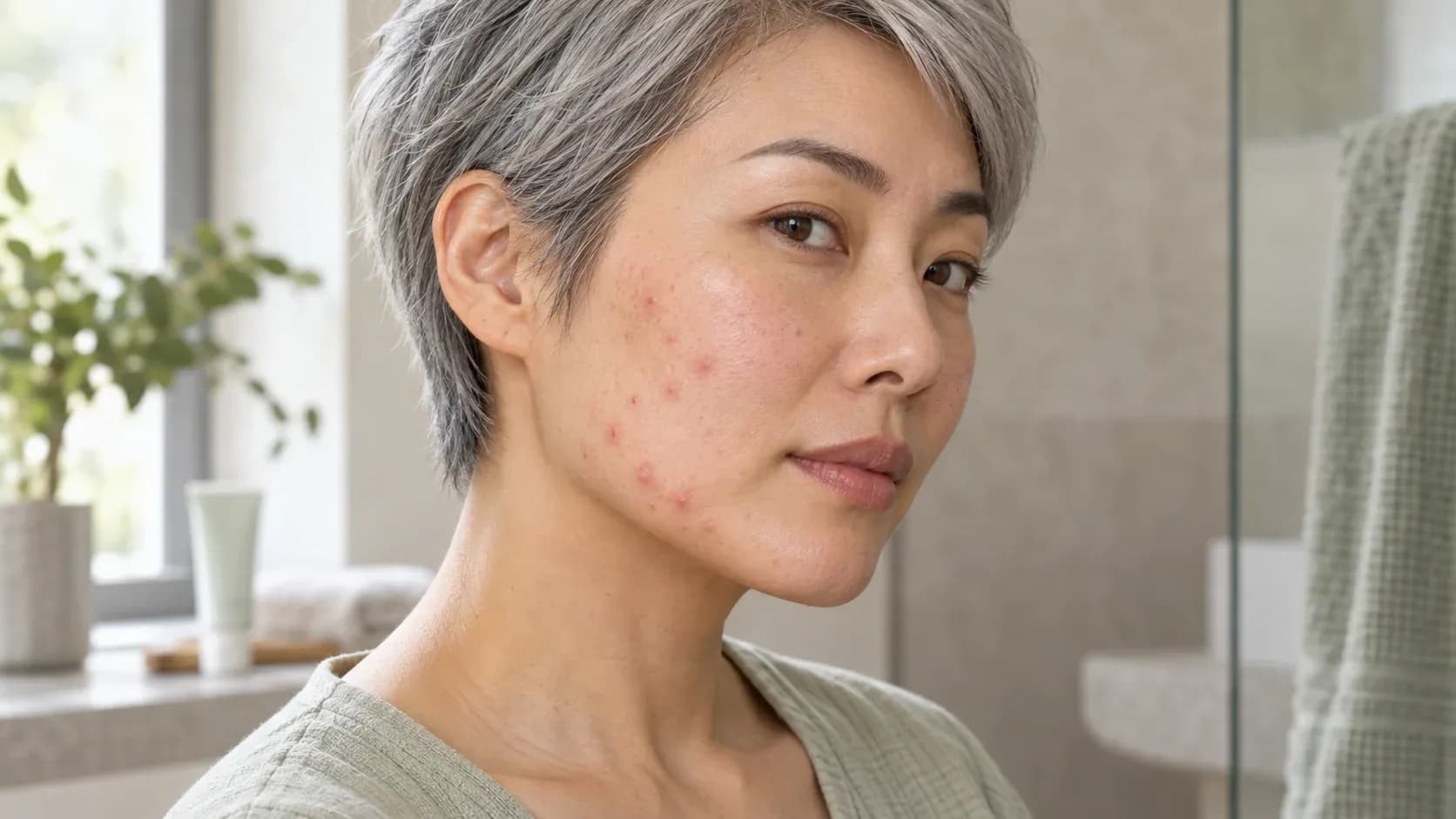
Papules acne is a type of inflammatory acne that appears as small (1–5 mm), raised, red or purple bumps on the skin, with no visible white or yellow pus tip. It forms when a blocked pore triggers an immune response beneath the skin surface, producing redness, swelling, and tenderness to touch.
Unlike blackheads or whiteheads, papules are always inflamed. Unlike pustules, they have no pus-filled centre because the inflammation is still contained below the skin surface.
Key facts about papules acne:
- Appearance: Small (1–5 mm), red or purple, raised bumps with no white or yellow centre
- Pain level: Tender to touch; more painful than blackheads or whiteheads
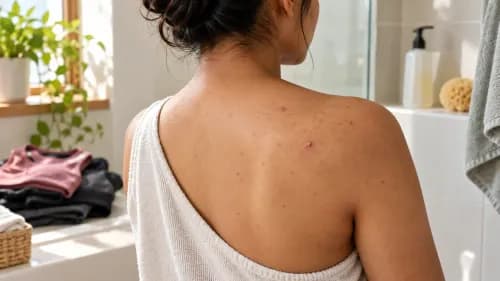
- Location: Face (forehead, nose, chin), back, chest, neck
- Who it affects: Most common in teenagers, but adults in their 20s–40s are frequently affected
- Contagious? No, papules acne is not contagious
- Scarring risk: Moderate, picking or squeezing significantly increases scarring risk
- Time to clear: Four to eight weeks with consistent OTC treatment; up to three to four months for persistent cases
According to Clear Ritual's dermatology team, papules acne is one of the most common forms of moderate inflammatory acne, and one of the most manageable when treated consistently with the right approach.
What Are the Symptoms of Papules Acne?
Papules acne produces a distinct set of symptoms that separate it from non-inflammatory acne types like blackheads and whiteheads.
Symptoms of papules acne include:
- Raised bumps: Small (1–5 mm), elevated above the skin surface
- Red or purple colour: The colour is caused by inflammation and increased blood flow to the area
- No pus tip: Unlike pustules, there is no white or yellow centre, the follicle wall is still intact
- Tenderness: Papules are painful to touch and may feel warm
- Skin irritation: The surrounding skin may appear flushed or irritated
- Skin-coloured bumps: In some cases, papules may appear skin-coloured rather than visibly red, particularly on deeper skin tones
Papules typically appear on the face, especially the forehead, nose, and chin, but also on the neck, chest, and back. They often appear in clusters rather than as isolated bumps, which is one reason they can feel overwhelming when they first develop.
What Causes Papules Acne?
Papules acne forms when a combination of excess sebum, dead skin cells, bacteria, and immune activity inside a blocked pore creates inflammation below the skin surface.
The main causes of papules acne include:
- Clogged pores: Excess sebum (skin oil) combines with dead skin cells to form a plug inside the hair follicle
- Bacterial overgrowth: Cutibacterium acnes, a bacterium that normally lives on the skin, multiplies rapidly inside a blocked, airless follicle
- Immune response: The body sends white blood cells to fight the bacterial overgrowth, producing the redness and swelling visible as a papule
- Hormonal fluctuations: Androgens (sex hormones present in all genders) stimulate the sebaceous glands to produce more sebum, especially during puberty, menstrual cycles, and periods of high stress
- Stress: Elevated cortisol increases sebum output and worsens skin inflammation
- Diet: High-glycaemic foods (white bread, sugar, processed snacks) spike insulin, which raises androgen levels and sebum production. Dairy, particularly skim milk, is also associated with acne in some individuals
- Poor skincare habits: Using comedogenic products, infrequent cleansing, or over-washing the face can all contribute to blocked pores and barrier disruption
Clear Ritual's skin assessment process evaluates these individual triggers, including hormonal patterns, dietary habits, and environmental factors, to identify what is most likely driving your specific breakouts.
How Does Papules Acne Form? The Inflammation Mechanism
Understanding how papules acne forms helps you choose the right treatment, and avoid the mistakes that make it worse.
Step 1: Your Pore Gets Blocked
Your skin constantly produces sebum through hair follicles. When excess sebum combines with dead skin cells, it forms a plug inside the follicle. At this stage, you have either a blackhead (open plug) or a whitehead (closed plug), neither is inflamed yet.
Step 2: Bacteria Multiply Inside the Blocked Pore
Cutibacterium acnes (formerly called Propionibacterium acnes) is a bacterium that normally lives on skin without causing harm. When it gets trapped inside a blocked follicle, it multiplies rapidly, because the airless, sebum-rich environment is ideal for its growth.
Step 3: Your Immune System Responds
Your body recognises the bacterial overgrowth as a threat. It sends white blood cells to the follicle wall to fight the infection. This immune response causes the redness, warmth, and swelling you see as a papule. Critically, this inflammation happens below the skin surface, so there is no pus tip yet. If inflammation worsens and white blood cells accumulate, the papule may progress into a pustule.
Step 4: Hormones and Stress Amplify the Process
Androgens stimulate the sebaceous glands to produce more sebum. During puberty, menstrual cycles, or periods of high stress, androgen levels rise, increasing sebum production and making blockages more likely. Elevated cortisol also increases sebum output and worsens inflammation.
Why this matters for treatment:
- Salicylic acid targets Step 1, clears the pore blockage
- Benzoyl peroxide targets Step 2, kills Cutibacterium acnes bacteria
- Retinoids target Step 1 (prevention), speed up skin cell turnover to stop plugs forming
- Anti-androgens (prescription) target Step 4, address the hormonal root cause
Dr Divya Poulose notes: The redness of a papule is your immune system doing its job, fighting bacteria. Squeezing a papule ruptures the follicle wall, spreads bacteria into surrounding tissue, and dramatically increases scarring risk.
What is papulopustular acne? Papulopustular acne is a moderate-to-severe acne type that features a mix of both papules and pustules simultaneously. It is classified as Grade 2–3 acne and typically requires a combination of topical and sometimes oral treatments.
How to Get Rid of Papules Acne: Step-by-Step Treatment Guide
Clear Ritual's approach to treating papules acne follows a structured, evidence-backed routine. Work through these steps consistently before evaluating whether prescription treatment is needed.
Step 1: Start With a Gentle Cleanser (Days 1–7)
Wash your face twice daily with a mild, non-comedogenic cleanser. Avoid scrubbing, scrubbing disrupts the skin barrier and spreads bacteria to nearby pores. Look for cleansers containing salicylic acid (0.5–2%) as an active ingredient.
What to expect in Week 1: Slight dryness or flaking is normal as salicylic acid clears pore debris. No visible improvement in redness yet, this is expected and normal.
Step 2: Apply a Targeted Active Treatment Twice Daily (Days 1–28)
After cleansing, apply one of these evidence-backed active ingredients to affected areas:
- Benzoyl peroxide (2.5–5%): Kills Cutibacterium acnes bacteria directly. Studies show 2.5% is as effective as 10% concentration but causes fewer side effects. Start every other day if your skin is sensitive.
- Salicylic acid gel (2%): Best for oily and combination skin. Clears pore blockages and reduces inflammation.
- Azelaic acid (10–15%): Reduces inflammation and kills bacteria. Particularly useful for people with darker skin tones, as it also reduces post-inflammatory pigmentation.
- Retinoids (adapalene 0.1%): Now available over-the-counter in many markets. Prevents new papules from forming by accelerating skin cell turnover. Takes four to six weeks to show noticeable improvement.
Dr Divya Poulose advises: Do not layer multiple actives at the same time when starting out. Pick one, benzoyl peroxide or salicylic acid, and give it four weeks before judging results. Combining too many actives too soon strips the skin barrier and worsens inflammation.
Step 3: Moisturise Every Day, Even if Your Skin Feels Oily
Active ingredients dry the skin. A damaged skin barrier produces more sebum to compensate, making papules acne worse. Apply a lightweight, non-comedogenic, oil-free moisturiser every morning and evening after your active treatment. Look for niacinamide (reduces inflammation and oil production) or ceramides (repairs the skin barrier).
Step 4: Apply Sunscreen Every Morning
Many acne treatments, especially retinoids and azelaic acid, increase skin sensitivity to UV damage. UV exposure also worsens post-inflammatory pigmentation, the dark marks papules leave behind. Use a broad-spectrum SPF 30–50 oil-free sunscreen every morning, including on cloudy days.
Step 5: Escalate to Prescription Treatment When Needed
If papules have not improved after eight to twelve weeks of consistent OTC treatment, or if you have more than ten active papules at a time, book a dermatologist appointment. Prescription options include:
- Topical antibiotics (clindamycin, erythromycin): Reduce bacterial load on the skin
- Oral antibiotics (doxycycline, minocycline): For moderate-to-severe or widespread papules
- Oral contraceptives / anti-androgens (for women): Address the hormonal root cause
- Isotretinoin: Reserved for severe, scarring, or treatment-resistant cases
How Long Does Papules Acne Take to Clear? A Realistic Timeline
Most cases of papules acne improve noticeably within four to six weeks of consistent OTC treatment, with full clearance in eight to twelve weeks.
| Phase | Timeframe | What to Expect |
|---|---|---|
| Early response | Weeks 1–2 | Dryness, mild peeling; no visible improvement in bumps yet |
| Visible improvement | Weeks 4–6 | Redness reduces; fewer new papules forming |
| Significant clearance | Weeks 8–12 | Most papules resolved; post-inflammatory marks may linger |
| Full results | Months 3–4 | Skin texture improves; dark marks fade with consistent sunscreen use |
| Dermatologist track | After 12 weeks with no response | Transition to prescription treatment |
Clear Ritual's clinical team notes that consistent adherence to the routine, particularly not skipping moisturiser or sunscreen, is the most common factor separating those who see results at Week 6 versus Week 12.
Papules Acne vs Other Types of Acne: Key Differences
Identifying your acne type correctly is crucial for choosing the right treatment. Papules acne sits in the middle of the acne severity spectrum, more inflammatory than blackheads and whiteheads and less severe than nodules and cysts.
| Type | Appearance | Cause | Pain & Inflammation | Scarring Risk |
|---|---|---|---|---|
| Papules | Small, raised, red or purple bumps, no pus tip | Blocked pores, bacteria, immune response, hormonal changes | Inflammatory and painful | Moderate |
| Blackheads | Small dark spots on the skin surface | Clogged pore exposed to air and oxidised | Non-inflammatory and painless | Low |
| Whiteheads | Small white spots on the skin surface | Follicle clogged with dead skin cells and bacteria, closed | Non-inflammatory and painless | Low |
| Pustules | Red inflamed bumps with a white or yellow pus-filled centre | Untreated papule worsens; white blood cells accumulate | Inflammatory and painful | Moderate to high |
| Nodules | Large, hard bumps beneath the skin surface | Deep inflammation and infection within skin follicles | Strongly inflammatory and painful | High |
| Cysts | Large, soft, fluid-filled bumps beneath the skin | Severe infection within skin pores | Severely inflammatory and painful | Very high |
Knowing where papules acne sits in this spectrum confirms that acting early, before papules progress to pustules or nodules, is the single most effective way to prevent long-term scarring.
Papules vs Pustules: What Is the Difference?
The most common source of confusion with papules acne is mixing it up with pustules. They look similar but have one key difference that changes how you assess and treat them.
- Papule: A raised, red or purple inflamed bump with no visible pus. The inflammation is below the skin surface. Painful to touch. The follicle wall is still intact.
- Pustule: A raised, red inflamed bump with a white or yellow pus-filled centre. The white tip forms when dead white blood cells accumulate inside the follicle. Still painful, but the pus tip is clearly visible.
| Feature | Papule | Pustule |
|---|---|---|
| Pus-filled tip? | No | Yes (white/yellow centre) |
| Colour | Red or purple | Red base, white/yellow tip |
| Skin surface | Intact | Thin skin over pus pocket |
| Pain level | Moderate to high | Moderate to high |
| Can it be safely extracted? | No, nothing to extract | No, squeezing spreads bacteria |
| Scarring risk | Moderate | Moderate to high |
| Common treatment | Salicylic acid, benzoyl peroxide | Benzoyl peroxide, topical antibiotics |
| Progresses from | Whitehead or blackhead | Untreated papule |
A papule that is squeezed or picked often ruptures its follicle wall and progresses into a pustule, or worse, a nodule. The safest approach for both is hands-off treatment with appropriate topical actives.
How to Diagnose Papules Acne
Papules acne is typically diagnosed visually, its reddish, inflamed lesions without a pus tip are recognisable to dermatologists and to individuals who are familiar with acne types.
If you seek professional diagnosis, your dermatologist may ask:
- Have you been under significant stress recently?
- Does anyone in your family have a history of papules acne?
- What does your daily skincare routine look like?
- What does your typical diet include?
- Do papules appear or worsen around your menstrual cycle?
Answering these questions helps a dermatologist identify whether your papules acne is driven primarily by bacterial factors, hormonal triggers, dietary patterns, or a combination, and tailor treatment accordingly.
Self-diagnosis tip: If your raised, red bumps have no white or yellow tip, feel tender to touch, and measure roughly 1–5 mm in size, they are most likely papules. If a white or yellow centre is visible, you are looking at a pustule, which moves treatment to the next stage.
Home Remedies for Papules Acne
Home remedies can help manage mild papules acne, particularly as a complement to OTC actives. According to Clear Ritual's skin health guidance, these topical remedies may reduce redness and bacterial load when used consistently.
Topical treatments (apply to skin only):
- Apple cider vinegar: Dilute with water (one part ACV to three parts water), then apply to breakouts using a cotton pad. Its mild acidity may help reduce bacteria on the skin surface.
- Green tea: Mix cooled green tea with water, then massage gently onto affected areas in circular motions. Green tea contains polyphenols with documented anti-inflammatory properties.
- Honey: Honey may feel soothing, but evidence for treating papules acne is limited. Avoid using it as a replacement for established acne ingredients.
Patch-test any new ingredient first. Stop using it if you notice burning, itching, swelling, or worsening redness. Avoid lemon juice, baking soda, toothpaste, and undiluted essential oils because they can irritate the skin barrier.
How Can You Prevent Papules Acne?
You may not be able to prevent every papule, especially when hormones or genetics are involved. However, consistent habits can reduce pore blockage and irritation.
- Cleanse gently up to twice a day and after heavy sweating.
- Choose non-comedogenic skincare, sunscreen, and makeup.
- Remove makeup before sleeping.
- Avoid touching, picking, or squeezing active papules.
- Introduce one active ingredient at a time.
- Give a routine at least six to eight weeks before assessing progress.
When Should You See a Dermatologist?
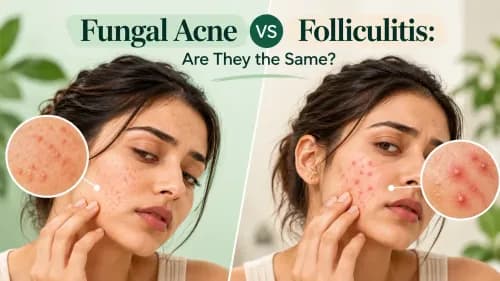
Seek professional advice if papules are painful, widespread, recurring, leaving scars, or not improving after eight to twelve weeks of consistent care. Assessment is also useful if you are unsure whether the bumps are papules, pustules, folliculitis, or another skin concern.
Prompt care may help prevent papules from progressing into deeper inflammatory lesions.
Clear Ritual’s Perspective on Papules Acne
Papules are inflamed bumps, so aggressive scrubbing or squeezing usually makes them worse. A gentle routine, one suitable active ingredient, moisturiser, and daily sun protection are more useful than repeatedly changing products.
At Clear Ritual, we believe recognising your breakout pattern is the first step towards choosing a routine suited to your skin. Persistent or painful papules deserve professional assessment.
Understand Your Breakout Pattern
Take the Clear Ritual Skin Test to identify your skin type, concerns, and a routine suited to your needs.
Take the Skin Test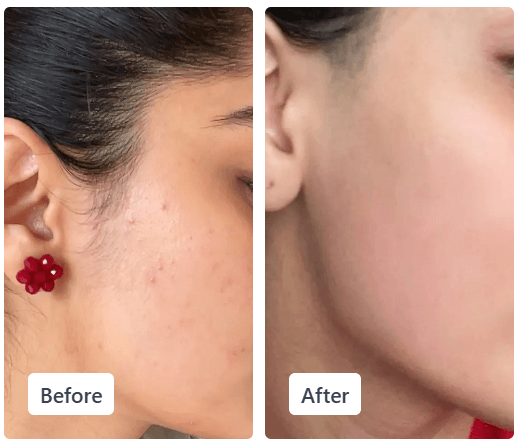
Frequently Asked Questions
1. Can a papule turn into a pustule?
Yes. If inflammation increases and white blood cells accumulate inside the follicle, a papule can develop a visible pus-filled centre and become a pustule.
2. Should you squeeze papules acne?
No. Papules do not contain a visible extractable centre. Squeezing can rupture the follicle wall and increase inflammation, marks, and scarring risk.
3. How long does papules acne take to clear?
Visible improvement may take four to six weeks, while more significant clearance can take eight to twelve weeks with consistent care.
4. Which ingredients can help papules acne?
Salicylic acid, benzoyl peroxide, azelaic acid, and topical retinoids may help depending on your skin and breakout pattern.
5. Can papules acne leave scars?
Yes. Picking, squeezing, deep inflammation, and recurring breakouts can increase the likelihood of scars or persistent dark marks.
References
- American Academy of Dermatology: Types of acne breakouts
- American Academy of Dermatology: Skin care tips for acne-prone skin
- NHS: Acne
Disclaimer
This article is intended for general informational purposes and is not a substitute for personalised medical advice, diagnosis, or treatment. If you have persistent, painful, widespread, or recurring papules, consult a qualified dermatologist.
Editorial Standards
Clear Ritual has Strict sourcing guidelines to ensure our content is accurate and current. We rely on peer-reviewed studies, academic research institutions, and medical associations. We strive to use primary sources and refrain from using tertiary references. See a mistake? Learn More about our Editorial Standards.