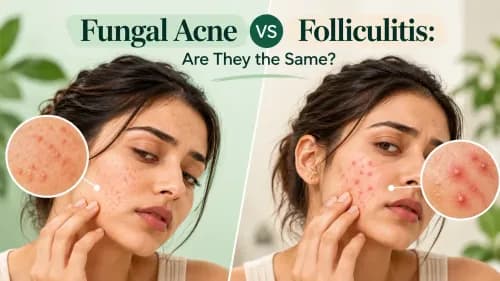
Fungal Acne vs Acne Vulgaris: Clinical Differences
Fungal acne and acne vulgaris look alike but have different causes. Acne vulgaris results from clogged pores, excess oil, and Cutibacterium acnes bacteria, while fungal acne is triggered by Malassezia yeast overgrowth in hair follicles. Fungal acne shows uniform, itchy bumps and worsens with heat, humidity, occlusive products, and antibiotics, while acne vulgaris varies in size and type. Identifying which one you have determines the right approach.
- Fungal acne is caused by yeast (Malassezia), not bacteria
- Acne vulgaris involves clogged pores and Cutibacterium acnes bacteria
- Fungal acne appears as uniform, itchy bumps; acne vulgaris varies in size and type
- Traditional acne treatments can worsen fungal acne
- Hot, humid conditions and occlusive products trigger fungal acne
What Actually Happens in Acne Vulgaris
Acne vulgaris develops when several factors converge inside your pores. Your sebaceous glands produce sebum, an oily substance that normally travels up the hair follicle to moisturize your skin. When dead skin cells don't shed properly, they mix with this oil and create a plug that blocks the follicle opening.
Inside this blocked environment, Cutibacterium acnes bacteria multiply rapidly. These bacteria feed on sebum and produce inflammatory compounds that trigger your immune system. White blood cells rush to the area, creating the redness, swelling, and pus you recognize as Pimples.
This process explains why acne vulgaris presents in different forms. blackheads and whiteheads are non-inflammatory comedones where the pore is blocked but bacteria haven't triggered a major immune response. Papules, pustules, nodules, and cysts represent progressively deeper inflammatory reactions as your immune system battles the bacterial overgrowth.
Hormones significantly influence this cascade. Androgens increase sebum production, which is why acne often flares during puberty, menstrual cycles, or times of hormonal transition. Stress elevates cortisol, which also stimulates oil glands and increases inflammation throughout your body, including your skin.
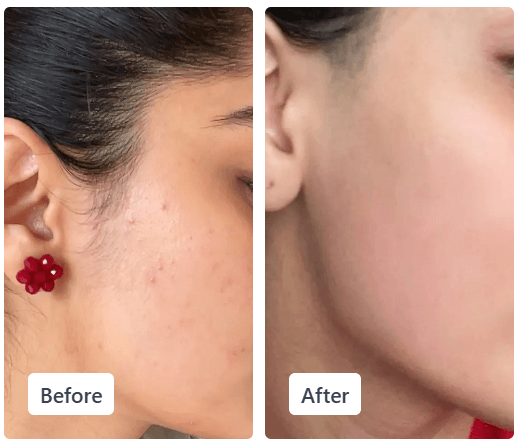
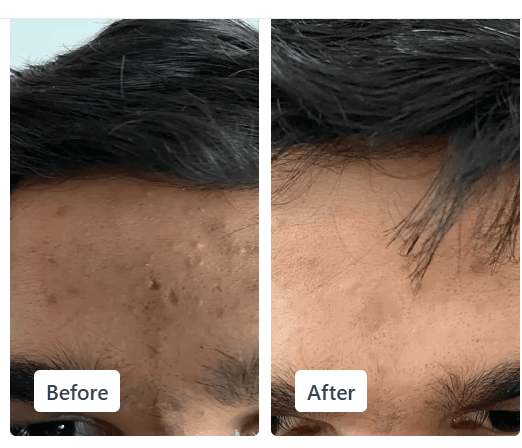
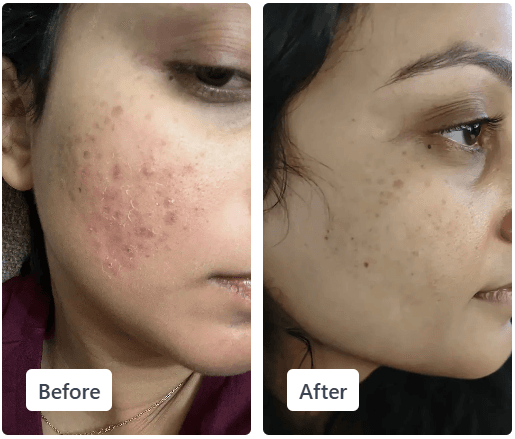
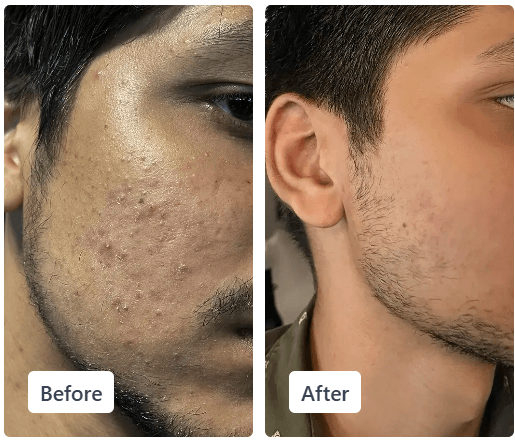
See real results, then start your own
Take the free Clear Ritual Skin Test and get a personalized routine built for your skin's unique patterns.
What Actually Happens in Fungal Acne
Fungal acne, clinically called Malassezia folliculitis or Pityrosporum folliculitis, involves a completely different mechanism. A yeast called Malassezia naturally lives on everyone's skin as part of the normal microbiome. This organism feeds on the fatty acids in sebum and usually exists in balance with other skin microorganisms.
Problems arise when conditions shift in ways that allow Malassezia to overgrow inside hair follicles. The yeast proliferates rapidly, triggering an inflammatory response that creates small, uniform bumps. Unlike bacterial acne, this isn't about clogged pores or comedones. The follicle becomes inflamed from the yeast overgrowth itself.
The yeast thrives in warm, moist environments. Wearing occlusive clothing during workouts, living in humid climates, or sweating extensively without cleansing creates ideal conditions for Malassezia multiplication. The organism also flourishes when you use heavy, oil-based skincare products that provide abundant fatty acids for it to feed on.
Interestingly, taking oral antibiotics for acne vulgaris can trigger fungal acne. Antibiotics reduce bacteria on your skin, including beneficial strains that normally compete with Malassezia. With less competition, the yeast population explodes. This explains why some people develop new, itchy bumps while treating their traditional acne.
How to Tell Them Apart Visually
Acne vulgaris presents with significant variation. You'll typically see different types of lesions simultaneously, a few blackheads here, a pustule there, maybe a deeper cyst on your chin. The bumps vary in size, ranging from tiny microcomedones to large, painful nodules. They concentrate in areas with the most sebaceous glands: your forehead, nose, chin, chest, and upper back.
Fungal acne looks remarkably uniform. The bumps appear as small, monomorphic papules, meaning they're all roughly the same size, usually between one to two millimeters. They often cluster in groups and create a bumpy texture across affected areas. Common locations include your forehead, chest, shoulders, and back, especially areas that trap heat and moisture.
The distribution pattern offers clues too. Acne vulgaris tends to appear on your face, particularly in the T-zone where oil production peaks. Fungal acne often spares your face or appears there alongside more prominent body involvement. When it does affect your face, it typically concentrates on your forehead and temples rather than your cheeks or jawline.
Itching represents a major distinguishing feature. Acne vulgaris rarely itches unless you're experiencing significant inflammation or an allergic reaction to a product. Fungal acne frequently causes persistent itching, especially when you're warm or sweating. If your "acne" consistently makes you want to scratch, suspect fungal involvement.
See real results, then start your own
Take the free Clear Ritual Skin Test and get a personalized routine built for your skin's unique patterns.
Comparing Triggers and Risk Factors
| Factor | Acne Vulgaris | Fungal Acne |
|---|---|---|
| Primary cause | Bacteria (C. acnes) | Yeast (Malassezia) |
| Hormone influence | Strong correlation | Minimal direct effect |
| Climate impact | Variable | Worsens in heat/humidity |
| Antibiotic response | Usually improves | Often triggers or worsens |
| Occlusive products | Can worsen | Strongly triggers |
Understanding these trigger differences explains why standard acne approaches sometimes backfire. Heavy moisturizers and oils that might hydrate acne-prone skin without causing problems can feed Malassezia and trigger fungal breakouts. Similarly, the benzoyl peroxide that helps control C. acnes bacteria does nothing to address yeast overgrowth.
Athletic activities create particular risk for fungal acne. Tight workout clothing traps sweat against your skin, creating the warm, moist environment where Malassezia thrives. Staying in damp gym clothes, wearing the same workout gear multiple times without washing, or exercising in hot, humid conditions all increase risk. Showering immediately after exercise and wearing breathable fabrics helps maintain microbial balance.
Diet plays different roles in each condition. High glycemic foods and dairy may worsen acne vulgaris by influencing hormone levels and inflammation. For fungal acne, dietary impact remains less clear, though some practitioners observe that high sugar intake might influence yeast populations throughout the body, potentially including skin yeast.
Why Standard Acne Products Can Backfire
Many people unknowingly worsen fungal acne by using products designed for bacterial acne. Thick, oil-based cleansers and moisturizers provide abundant fatty acids that feed Malassezia. Fermented ingredients like galactomyces or various extracts, often included in skincare for their beneficial properties, can sometimes trigger fungal proliferation in susceptible individuals.
Prescription treatments for acne vulgaris present particular problems. Oral antibiotics eliminate bacteria but create an ecological vacuum that yeast readily fills. Tretinoin and other retinoids help acne vulgaris by increasing cell turnover and preventing clogged pores, but they don't address yeast overgrowth. You might notice your skin texture improves while new, itchy bumps simultaneously appear.
Even over-the-counter salicylic acid and benzoyl peroxide, staples of acne vulgaris treatment, offer no antifungal properties. You can use them indefinitely without impacting Malassezia populations. This explains the frustrating cycle where your skin seems treatment-resistant, because you're addressing the wrong organism.
The solution requires switching to ingredients that actually affect yeast. Certain compounds possess antifungal properties that help restore microbial balance without prescription intervention. Ingredients matter tremendously when you're dealing with fungal involvement.
The Role of Your Skin Barrier in Both Conditions
Your skin barrier serves as the first line of defense against both bacterial and fungal overgrowth. This protective layer consists of skin cells held together by lipids, creating a barrier that keeps water in and pathogens at manageable levels. When this barrier becomes compromised, you become more susceptible to both types of breakouts.
Over-washing damages the lipid layer, increasing transepidermal water loss and forcing your sebaceous glands to compensate by producing more oil. This excess oil feeds both C. acnes bacteria and Malassezia yeast. Harsh cleansers strip away not just excess sebum but also the beneficial lipids that maintain barrier integrity.
Aggressive exfoliation, whether physical or chemical, can disrupt barrier function when overdone. While appropriate exfoliation helps prevent the dead cell buildup that contributes to acne vulgaris, excessive exfoliation creates microscopic damage that increases vulnerability to microbial imbalance.
Environmental stressors compound barrier disruption. UV exposure generates free radicals that damage skin cells and alter sebum composition. Pollution particles trigger inflammation and oxidative stress. Cold, dry air pulls moisture from your skin. Each stressor weakens your barrier, creating conditions where opportunistic organisms proliferate.
How Lifestyle Factors Influence Each Condition
Sleep deprivation affects both conditions but through different mechanisms. Insufficient sleep elevates cortisol, which increases oil production and inflammation, worsening acne vulgaris. Poor sleep also impairs immune function, reducing your body's ability to control both bacterial and fungal populations on your skin.
Stress operates similarly, triggering hormonal cascades that influence sebum production and inflammatory responses. Chronic stress dysregulates your immune system, potentially allowing both C. acnes bacteria and Malassezia yeast to proliferate beyond normal levels.
Hygiene practices impact each condition differently. For acne vulgaris, cleansing twice daily helps remove excess oil and dead cells that contribute to clogged pores. For fungal acne, showering after sweating becomes crucial to remove the moisture and warmth that encourage yeast growth. However, over-cleansing paradoxically worsens both conditions by disrupting barrier function.
Touching your face introduces bacteria and spreads existing colonies to new areas, worsening acne vulgaris. The friction and oil transfer from your hands can also disturb the microbial balance that keeps Malassezia in check. Hair touching your face, especially if you use heavy styling products, creates occlusion and deposits oils that feed yeast.
When Each Condition Requires Professional Assessment
Acne vulgaris warrants dermatological evaluation when over-the-counter approaches fail after six to eight weeks, when you develop deep, painful nodules or cysts, or when breakouts cause scarring or significant emotional distress. Persistent acne often requires prescription interventions like topical retinoids, oral antibiotics, hormonal treatments, or isotretinoin for severe cases.
Fungal acne requires professional assessment when you've tried addressing it as bacterial acne without improvement, when itching significantly affects your quality of life, or when you're unsure about the diagnosis. Dermatologists can perform microscopic examination of skin scrapings to identify Malassezia and rule out other conditions that mimic fungal acne.
Sometimes you're dealing with both conditions simultaneously. You might have underlying acne vulgaris that developed secondary fungal overgrowth after antibiotic treatment. Or you might have fungal acne that was misdiagnosed and treated with products that clogged your pores, creating acne vulgaris on top of the fungal issue. These mixed presentations require careful professional evaluation.
Red flags requiring immediate dermatological attention include rapidly spreading breakouts, severe pain, fever, or signs of serious infection like expanding redness, warmth, or red streaks extending from bumps. While neither condition typically causes systemic symptoms, severe cases occasionally warrant urgent care.
Managing Your Skin's Microbial Balance
Both conditions ultimately reflect imbalances in your skin's microbial ecosystem. Healthy skin hosts diverse bacterial, fungal, and other microbial populations that exist in competitive balance. C. acnes bacteria normally live in follicles without causing problems. Malassezia yeast naturally colonizes your skin without triggering inflammation.
Problems arise when conditions shift to favor one organism's overgrowth at the expense of ecosystem diversity. For acne vulgaris, hormonal changes, barrier disruption, and poor cell turnover create an environment where C. acnes proliferates excessively. For fungal acne, warmth, moisture, occlusive products, and antibiotic use eliminate yeast competitors, allowing Malassezia to dominate.
Restoring balance requires removing factors that favor overgrowth while supporting skin health broadly. This means appropriate cleansing that removes excess without stripping, moisturizing that maintains barrier function without feeding problematic organisms, and avoiding extremes of aggression or neglect in your skincare routine.
The products you choose matter tremendously. For bacterial acne, you need ingredients that control C. acnes populations and prevent pore clogging. For fungal acne, you need antifungal properties and lightweight formulations that don't feed yeast. Identifying which condition you're addressing determines which product characteristics to prioritize.
How Clear Ritual Supports Personalized Skincare Decisions
Clear Ritual understands that telling fungal acne and acne vulgaris apart is more than a surface issue. It is shaped by genetics, skin renewal cycles, environmental factors, and the products you use.
Because fungal acne and acne vulgaris form through different mechanisms, one from Malassezia yeast overgrowth and the other from clogged pores and C. acnes bacteria, generic solutions rarely bring lasting improvement. Clear Ritual combines traditional wisdom and modern science to address the underlying causes of each condition.
The Clear Ritual Skin Test analyses your skin's unique patterns and daily influences to help identify the best routine for supporting healthy skin and reducing recurrence of both fungal acne and acne vulgaris.
See real results, then start your own
Take the free Clear Ritual Skin Test and get a personalized routine built for your skin's unique patterns.
Editorial Standards
Clear Ritual has Strict sourcing guidelines to ensure our content is accurate and current. We rely on peer-reviewed studies, academic research institutions, and medical associations. We strive to use primary sources and refrain from using tertiary references. See a mistake? Learn More about our Editorial Standards.