Acne Prone Skin: Complete Guide to Symptoms, Causes, Triggers and Long-Term Skin Management
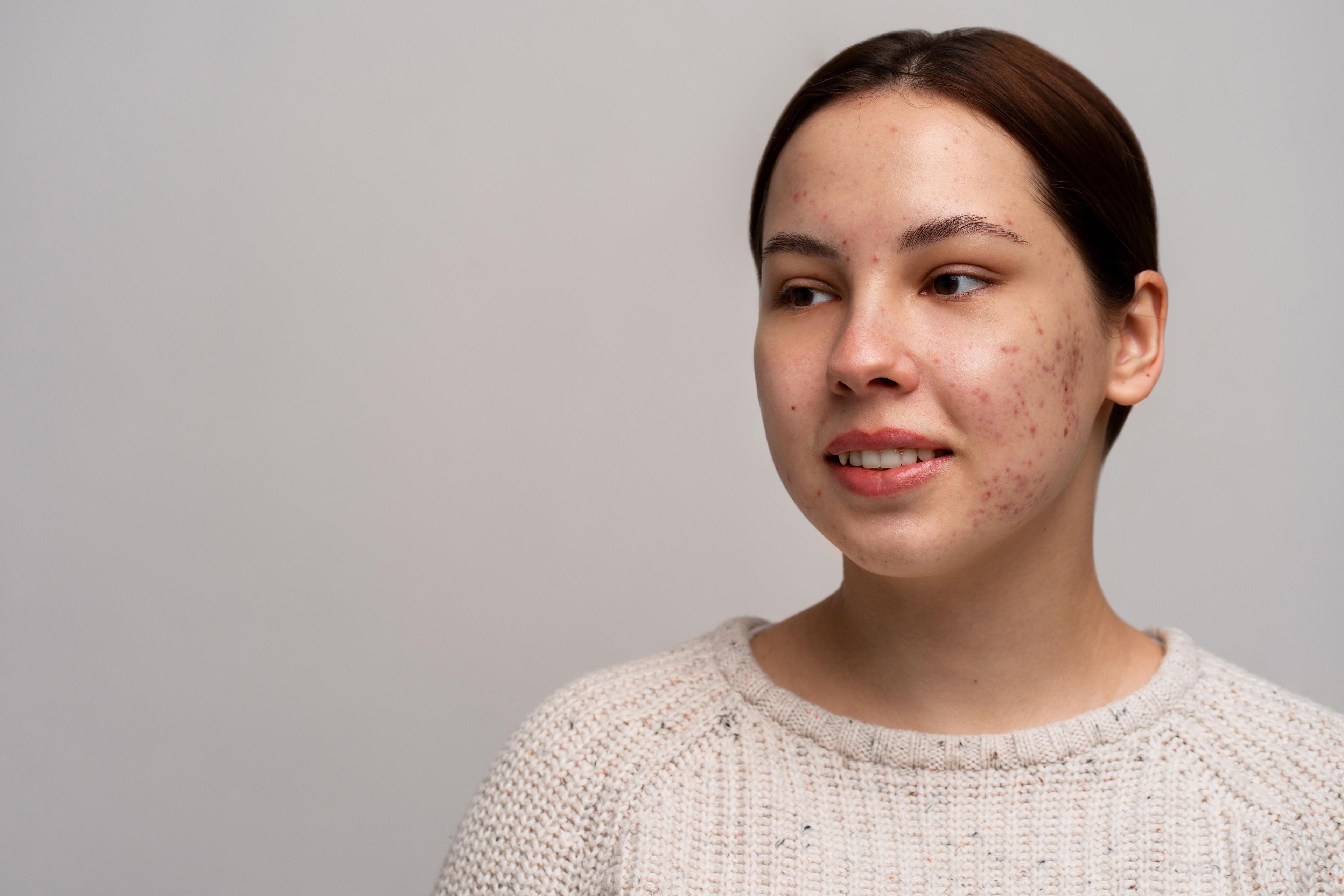
Acne prone skin develops when overactive sebaceous glands produce excess oil that mixes with dead skin cells, clogging pores and allowing acne-causing bacteria to multiply. This triggers inflammation and recurring breakouts such as blackheads, whiteheads, papules, pustules, and cysts on the face, chest, and back. Hormones, genetics, stress, diet, and skincare habits all influence how severe and persistent these breakouts become. Because triggers vary from person to person, long-term management depends on identifying your specific combination of causes rather than relying on generic treatments.
- Caused by excess sebum, clogged follicles, bacteria, and inflammation
- Influenced by hormones, genetics, stress, diet, and skincare habits
- Long-term management requires identifying personal triggers
Acne prone skin describes a condition where your complexion consistently develops various types of blemishes due to underlying physiological imbalances. Unlike occasional breakouts that resolve quickly, acne prone skin shows persistent patterns of comedones and inflammatory lesions that recur in predictable areas.
The term encompasses a spectrum from mild comedonal acne with primarily blackheads and whiteheads to severe cystic acne involving deep, painful nodules beneath the skin surface. Understanding where your skin falls on this spectrum helps determine the most appropriate management approach.
People with acne prone skin often notice their complexion feels oilier than others, particularly in the T-zone encompassing the forehead, nose, and chin. This excess sebum production represents one fundamental characteristic that distinguishes acne prone skin from other skin types.
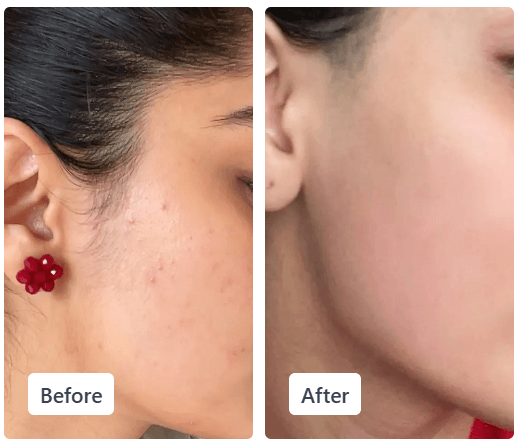
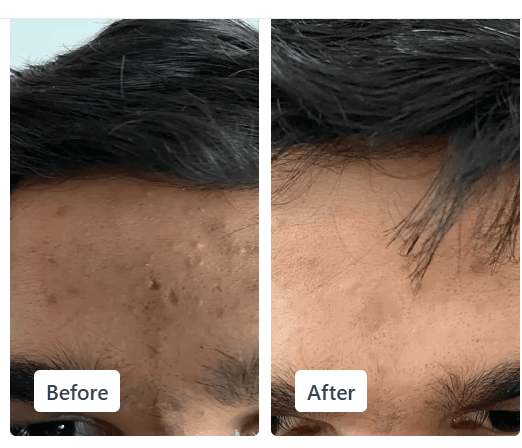
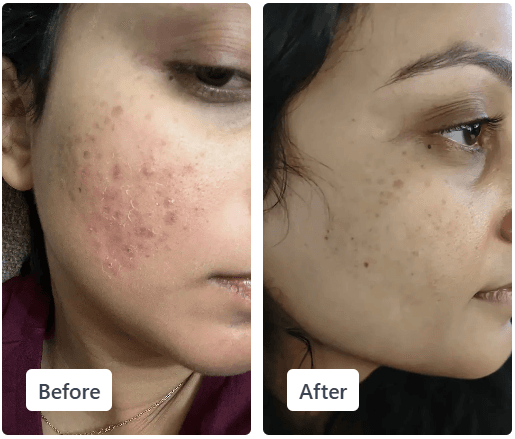
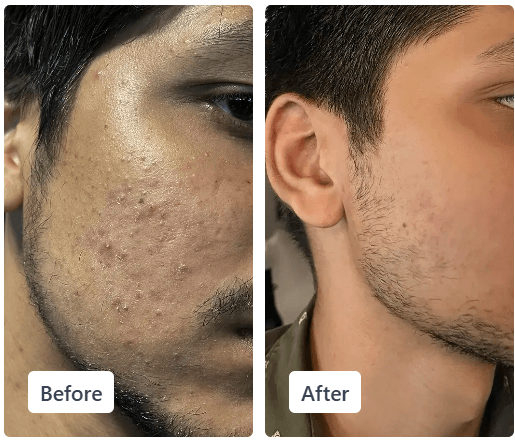
See real results, then start your own
Take the free Clear Ritual Skin Test and get a personalized routine built for your skin's unique patterns.
What Happens Inside Acne Prone Skin
The formation of acne involves four interconnected biological processes occurring simultaneously within your skin.
First, your sebaceous glands produce excessive sebum, the oily substance that normally protects and moisturizes your skin. In acne prone skin, these glands work overtime, flooding follicles with more oil than necessary.
Second, the cells lining your hair follicles begin shedding abnormally. Instead of exfoliating smoothly to the skin surface, these keratinocytes stick together and accumulate inside the follicle opening. This process, called abnormal keratinization, creates the initial plug.
Third, the combination of trapped oil and dead cells creates an oxygen-poor environment perfect for Cutibacterium acnes bacteria to multiply rapidly. These bacteria normally exist on everyone's skin in small numbers, but the clogged, oil-rich follicle allows explosive population growth.
Fourth, your immune system detects these bacterial colonies and responds with inflammation. White blood cells rush to the area, releasing inflammatory chemicals that cause the redness, swelling, and pain characteristic of inflammatory acne lesions.
This cascade explains why a simple blackhead can transform into a painful, inflamed pimple within hours when bacteria and immune responses intensify.
Primary Causes of Acne Prone Skin
Hormonal Influences
Androgens, particularly testosterone and its derivatives, directly stimulate sebaceous glands to enlarge and produce more oil. This explains why acne frequently begins during puberty when androgen production surges in both males and females.
Women often experience breakouts following predictable patterns tied to their menstrual cycle. The week before menstruation, progesterone levels rise while estrogen drops, shifting the hormonal balance toward increased oil production and inflammation. Many women notice deeper, more painful breakouts along the jawline and chin during this phase.
Conditions like polycystic ovary syndrome create chronically elevated androgen levels, resulting in persistent acne that proves resistant to standard topical treatments. The hormonal imbalance requires addressing the underlying endocrine dysfunction rather than only treating the skin surface.
Pregnancy, postpartum periods, and perimenopause all represent times of dramatic hormonal shifts that frequently trigger changes in acne patterns, even in people who previously had clear skin.
Genetic Predisposition
Your genetic blueprint significantly influences whether you develop acne prone skin. If both parents experienced acne, your likelihood increases substantially compared to someone with no family history.
Genetics determine your baseline sebum production, the size and activity of your sebaceous glands, how your follicles shed cells, and how intensely your immune system responds to bacterial presence. These inherited traits create your fundamental susceptibility.
However, genetics represent predisposition rather than destiny. Environmental factors, lifestyle choices, and skincare practices interact with your genetic foundation, either triggering or suppressing acne development.
Inflammation and Immune Response
Recent research reveals that inflammation may actually precede bacterial involvement in acne development. Your skin's innate immune system can trigger inflammatory responses to various stimuli including oxidized sebum, mechanical stress on follicles, and microbial imbalances.
People with acne prone skin often demonstrate heightened inflammatory responses throughout their body, not just in their skin. This systemic inflammatory tendency means that triggers affecting overall inflammation such as stress, poor sleep, or inflammatory foods can directly worsen skin condition.
The skin microbiome also plays a crucial role. Beyond Cutibacterium acnes, the entire ecosystem of bacteria, fungi, and other microorganisms living on your skin influences inflammation levels. Disrupted microbiome balance, often caused by harsh cleansers or antibiotic overuse, can perpetuate acne cycles.
See real results, then start your own
Take the free Clear Ritual Skin Test and get a personalized routine built for your skin's unique patterns.
Common Triggers That Worsen Acne Prone Skin
Skincare and Cosmetic Triggers
Over-cleansing represents one of the most counterproductive habits for acne prone skin. Washing your face more than twice daily or using harsh, stripping cleansers damages the lipid barrier, triggering increased transepidermal water loss. Your skin responds by producing even more sebum to compensate, perpetuating the oily, breakout-prone cycle.
Heavy, occlusive cosmetics and skincare products can physically block follicle openings. Ingredients like coconut oil, cocoa butter, and certain silicones prove comedogenic for many people, trapping oil and dead cells beneath the skin surface.
Aggressive exfoliation, whether physical scrubs or overuse of chemical exfoliants, strips protective layers and triggers inflammation. The resulting irritation can actually stimulate more breakouts while damaging the barrier your skin needs for healing.
Frequently touching your face transfers bacteria, oils, and environmental pollutants from your hands directly to vulnerable follicles. The mechanical pressure and friction also trigger inflammatory responses in already sensitive skin.
Lifestyle and Environmental Factors
Sleep deprivation elevates cortisol levels and disrupts normal skin repair processes that occur during deep sleep phases. Studies show that poor sleep quality correlates directly with increased acne severity and slower healing times.
Chronic stress maintains elevated cortisol and other stress hormones that stimulate sebaceous glands while simultaneously impairing immune function. This combination creates the perfect environment for breakouts to develop and persist.
High humidity and sweating create moisture-rich conditions on the skin surface. While sweat itself doesn't cause acne, allowing it to sit on skin traps bacteria and irritants against follicle openings. People who exercise regularly but delay showering often notice increased body acne.
Air pollution particles, particularly fine particulate matter, adhere to skin and penetrate follicles. These pollutants generate oxidative stress and inflammation while physically contributing to pore blockages.
Wearing masks, helmets, or other equipment that creates friction and occlusion leads to a specific pattern called acne mechanica. The combination of pressure, friction, heat, and moisture under these coverings triggers breakouts in covered areas.
Dietary Influences
High glycemic foods that rapidly spike blood sugar trigger insulin release, which subsequently increases androgen production and sebum synthesis. This biochemical cascade explains why diets heavy in refined carbohydrates and sugars frequently worsen acne.
Dairy products, particularly skim milk, show consistent associations with acne severity in research studies. The hormones naturally present in milk, combined with bioactive molecules that survive digestion, may influence your own hormonal balance and skin inflammation.
Diets lacking omega-3 fatty acids while overloading omega-6 fatty acids create a pro-inflammatory state throughout your body, including your skin. This imbalance promotes the inflammatory cascade central to acne development.
Chronic dehydration impairs skin barrier function and concentrates toxins in your system. Well-hydrated skin maintains better barrier integrity and more efficient cellular processes, supporting clearer complexion.
Types and Symptoms of Acne Lesions
Non-Inflammatory Acne
Blackheads
Blackheads, or open comedones, appear as small dark spots where follicle openings remain partially open. The dark color comes from oxidized sebum and melanin, not dirt. These typically concentrate in oilier areas like the nose and forehead.
Whiteheads
Whiteheads, or closed comedones, develop when follicle openings close completely, trapping oil and cells beneath the skin surface. These appear as small, flesh-colored bumps that feel slightly raised but show no redness.
Inflammatory Acne
Papules
Papules represent small, red, raised bumps that feel tender when touched. These indicate that inflammation has begun but no pus has accumulated yet. The surrounding skin often appears pink or red.
Pustules
Pustules develop when white blood cells accumulate, creating visible pus beneath a thin layer of skin. These appear as red bumps with white or yellow centers and feel painful with surrounding inflammation.
Nodules
Nodules form deep within the skin as large, hard, painful lumps without visible pus. These substantial inflammatory lesions damage surrounding tissue and frequently lead to scarring if not properly managed.
Cysts
Cysts represent the most severe acne lesions, containing pus deep beneath the skin surface. These large, painful, often interconnected lesions require professional treatment and carry high scarring risk.
How Acne Prone Skin Affects Different Ages
Adolescent Acne
Teenage acne typically begins around ages 11 to 14 as androgen production accelerates during puberty. Boys often experience more severe acne than girls due to higher testosterone levels, though girls may notice cyclical patterns earlier.
Adolescent acne commonly affects the face, particularly the forehead, nose, and cheeks. As hormones continue fluctuating through the teenage years, acne patterns may shift, often moving toward the jawline and chin in later teen years.
Most adolescent acne improves as hormones stabilize in the late teens or early twenties, though some people continue experiencing breakouts into adulthood.
Adult Acne
Adult-onset acne developing after age 25 affects women far more frequently than men. This pattern typically concentrates along the jawline, chin, and neck, responding to hormonal fluctuations during menstrual cycles.
Adult acne often proves more persistent and treatment-resistant than teenage acne. The lesions tend toward deeper, more painful inflammatory types rather than surface comedones.
Women approaching perimenopause frequently experience renewed acne as estrogen levels decline while androgens remain relatively constant, shifting the hormonal balance toward increased oil production.
The Skin Barrier and Acne Management
Your skin barrier, composed of specialized cells and lipids forming your outermost defense layer, plays a critical role in acne development and healing. A compromised barrier allows increased bacterial penetration while losing moisture and protective functions.
Many acne treatments, including benzoyl peroxide and retinoids, intentionally create controlled irritation to promote cell turnover. However, excessive barrier disruption triggers inflammation and compensatory oil production that worsens acne.
Maintaining barrier health while treating acne requires balancing active treatments with barrier-supporting ingredients like ceramides, niacinamide, and fatty acids. This approach allows effective treatment without triggering the defensive responses that perpetuate breakouts.
Early Warning Signs and Pattern Recognition
Learning to recognize your personal acne patterns helps predict and potentially prevent major breakouts. Many people notice specific warning signs days before visible lesions appear.
Increased oiliness in typically affected areas often signals an approaching breakout. Your skin may feel greasier than normal or develop shine more quickly after cleansing.
Subtle texture changes where skin feels slightly rough or bumpy indicate comedones forming beneath the surface. Catching acne at this stage allows earlier intervention before inflammation develops.
Tenderness or sensitivity in specific spots, particularly along the jawline or chin, frequently precedes deep inflammatory lesions by 24 to 48 hours. This prodromal discomfort reflects the beginning inflammatory cascade.
Tracking these patterns relative to your menstrual cycle, stress levels, dietary changes, or sleep quality helps identify your specific triggers. This awareness enables proactive adjustments before breakouts fully develop.
When to Seek Professional Help
Certain situations require dermatological expertise beyond what over-the-counter products and lifestyle modifications can address.
- Severe acne involving nodules, cysts, or widespread inflammatory lesions needs professional treatment to prevent permanent scarring.
- Acne that persists despite consistent use of appropriate over-the-counter treatments for three months suggests underlying factors requiring prescription options or medical evaluation.
- Rapid onset of severe acne, particularly in adults, may indicate hormonal imbalances or other medical conditions requiring investigation beyond skin-focused treatment.
- Acne causing significant emotional distress, anxiety, depression, or social withdrawal warrants professional support regardless of clinical severity.
- Signs of scarring, including persistent dark marks, texture changes, or depressed areas, indicate the need for intervention to prevent additional damage and address existing scars.
- Acne accompanied by other symptoms like irregular periods, excessive hair growth, or unexplained weight changes may reflect hormonal disorders requiring comprehensive medical assessment.
Long-Term Management Strategies
Gentle, Consistent Cleansing
Cleanse your face twice daily with a gentle, non-stripping cleanser appropriate for your skin type. Morning cleansing removes overnight oil accumulation while evening cleansing eliminates the day's pollutants, makeup, and debris.
Avoid hot water, which strips protective oils and triggers rebound sebum production. Lukewarm water effectively cleanses without barrier damage.
Pat skin dry rather than rubbing, which creates friction and irritation. Leave skin slightly damp before applying subsequent products to enhance absorption.
Strategic Product Layering
Apply products from thinnest to thickest consistency, allowing each layer to absorb before adding the next. This sequencing ensures ingredients penetrate appropriately without interference.
Use active treatments on clean, dry skin unless specifically directed otherwise. Applying actives to damp skin can increase penetration and irritation beyond intended levels.
Allow treatments to fully absorb before layering moisturizer, typically waiting 10 to 15 minutes. This prevents dilution and ensures proper ingredient activity.
Building Treatment Tolerance
Start new active ingredients at lower concentrations and frequencies, gradually increasing as your skin adapts. This approach minimizes irritation while building effective treatment routines.
Introduce only one new product at a time, waiting at least two weeks before adding another. This strategy allows you to identify which products help versus those that trigger reactions.
Expect an adjustment period when starting treatments like retinoids or chemical exfoliants. Temporary dryness, redness, or even initial breakouts don't necessarily indicate the product isn't working.
Lifestyle Integration
Prioritize consistent sleep schedules that allow 7 to 9 hours nightly. Sleep quality directly influences hormonal balance, inflammation levels, and skin repair processes.
Develop stress management practices including movement, meditation, breathing exercises, or activities that provide genuine relaxation. Chronic stress perpetuates the hormonal and inflammatory factors driving acne.
Stay adequately hydrated throughout the day. Water supports every cellular process including those maintaining healthy skin barrier function and efficient toxin elimination.
Change pillowcases regularly, ideally every 2 to 3 days, to minimize bacterial transfer from fabric to skin during sleep hours.
Clean items that regularly contact your face including phone screens, glasses, and makeup brushes to prevent bacterial accumulation and transfer.
How to Remove Whiteheads at Home: Remedies That Actually Work
Most whitehead home remedies don't actually remove the plug, they reduce the conditions that allow it to form. That distinction matters: you cannot squeeze or scrub whiteheads away without worsening inflammation. But consistent, gentle methods can dissolve the debris inside a closed comedone within 2 to 4 weeks.
Whiteheads form when a follicle closes completely over trapped oil and dead cells. The goal of home treatment is to gently reopen and clear that plug without triggering more sebum or damaging the surrounding barrier.
The Most Effective Home Remedies for Whiteheads, and How They Work
-
Salicylic acid cleanser (once or twice daily), A beta-hydroxy acid (BHA) that is oil-soluble, meaning it can penetrate into the follicle and dissolve the sebum-cell mix that forms the whitehead plug. A 0.5 to 2% salicylic acid wash used consistently is the single most evidence-backed home remedy for closed comedones. Results typically appear within 3 to 6 weeks of daily use.
-
Steam followed by a gentle extraction cloth (not fingers), Hold your face over a bowl of warm (not boiling) water for 5 minutes to soften the follicle opening. Then use a clean, soft muslin cloth in light circular motions, never squeeze with fingertips, which pushes bacteria deeper and ruptures the follicle wall.
-
Witch hazel as a toner (once daily, evening), A natural astringent containing tannins that mildly tighten pore openings and reduce surface oil. Research suggests witch hazel has anti-inflammatory properties that calm the redness around closed comedones. Apply with a cotton pad after cleansing, before moisturiser.
-
Niacinamide serum (5 to 10%, morning and evening), Reduces sebum production by approximately 50% with consistent use over 8 weeks, according to a study published in the International Journal of Cosmetic Science (2006). It also strengthens the skin barrier, which means fewer new comedones forming. This is safe for daily use and does not cause purging.
-
Tea tree oil (diluted to 1 to 5% in a carrier oil, spot application), Contains terpinen-4-ol, which demonstrates antibacterial action against Cutibacterium acnes. Apply only to the whitehead spot, not the full face. Undiluted tea tree oil causes irritation and can worsen barrier damage.
-
Exfoliating with a low-percentage AHA (once or twice weekly), Glycolic acid (5 to 7%) or lactic acid (5 to 10%) used as a leave-on toner accelerates cell turnover so the dead cell layer does not thicken over follicle openings. Use at night only. Do not combine with salicylic acid on the same evening.
💡 Skin care tip: If you have both whiteheads and active red pimples, always treat the whiteheads first with a BHA, not a physical scrub. Scrubbing over inflamed skin spreads bacter
Editorial Standards
Clear Ritual has Strict sourcing guidelines to ensure our content is accurate and current. We rely on peer-reviewed studies, academic research institutions, and medical associations. We strive to use primary sources and refrain from using tertiary references. See a mistake? Learn More about our Editorial Standards.
Related Articles
Best Moisturizer for Acne-Prone Skin in India: Complete Guide
Published 20 July 2026
Teen Blackhead Skincare Routine: What Actually Works
Published 12 October 2026

Azithromycin for Acne: What It Is, How It Works, and Who It's For
Published 17 July 2026
Cystic Acne Home Remedies, Cure and Natural Treatment
Published 17 July 2026