All About Body Acne: Causes, Prevention, and Treatments
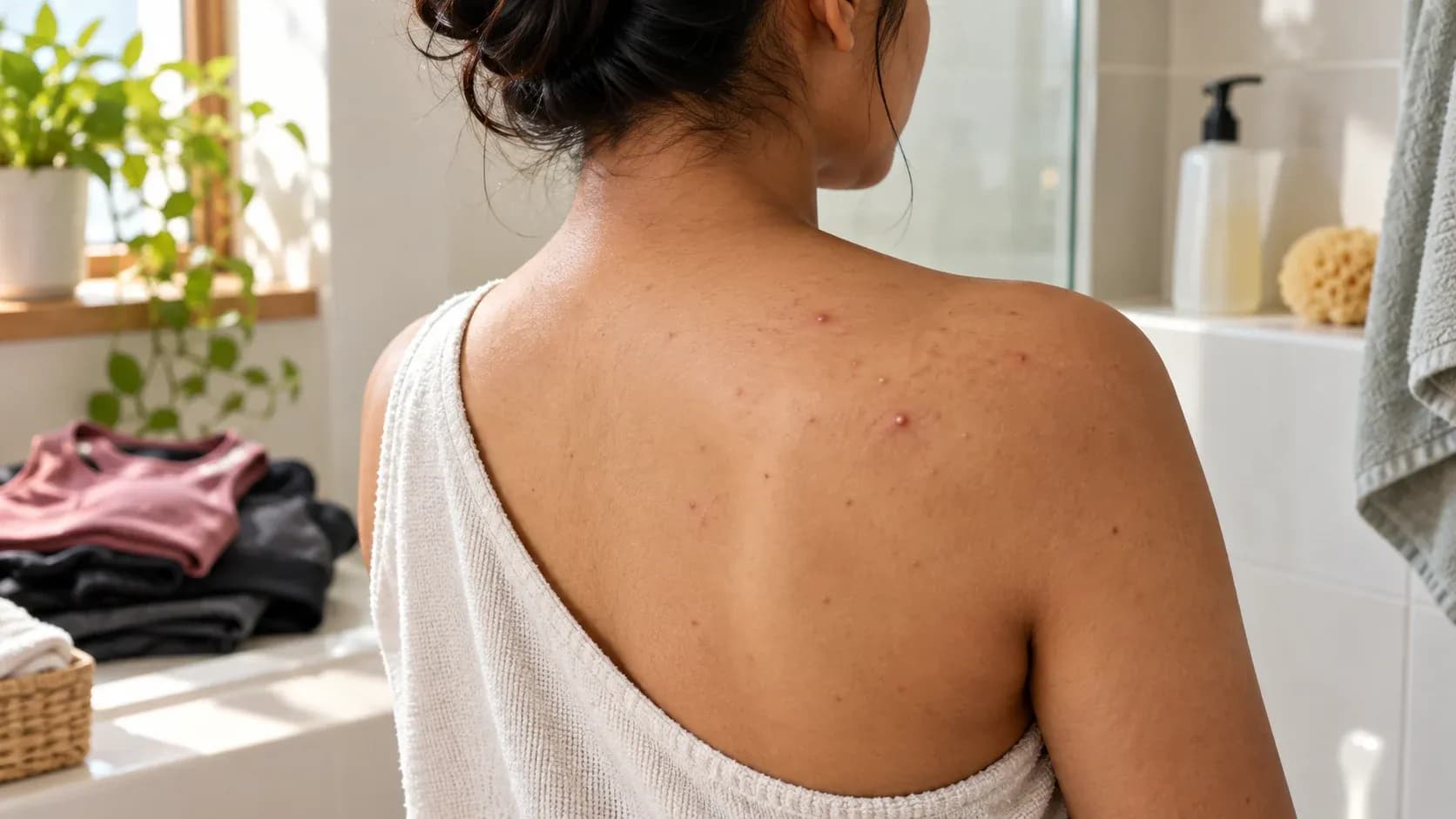
Quick Answer:
Body acne develops when the pores on the chest, back, shoulders, or other areas get clogged by dead skin cells, excess oil, and bacteria. Hormonal changes, stress, high-glycemic foods, friction due to clothing, and trapped sweat can also contribute to body acne.
Preventing body acne involves maintaining good hygiene by using clean towels and bedsheets, wearing loose clothing, and using skincare products that do not clog your pores (non-comedogenic products).
The treatment for body acne ranges from over-the-counter products containing ingredients such as retinoids, salicylic acid, and niacinamide, to using prescription topical and oral medications.
Body acne can affect various parts of the body and may look different depending on the severity of the acne. To understand what causes these breakouts and how they can be managed, it helps to first learn what body acne actually is.
What Is Body Acne?
Body acne is an inflammatory skin condition in which acne develops on areas of the body other than the face. This can include the arms, back, shoulders, and chest. It happens when hair follicles become clogged with sebum (oil produced by the skin) and dead skin cells.
What Are the Types of Body Acne?
Generally, acne is divided into 6 types: blackheads, whiteheads, papules, pustules, cysts, and nodules. These breakouts can develop both on the body and the face.
The severity and appearance of these acne types can vary from person to person, depending on factors such as inflammation and how deeply the pores are affected.
Acne lesions vary by depth, degree of inflammation, and underlying structural characteristics:
| Type of Acne | Characteristic |
|---|---|
| Blackheads | Open comedones; look like black spots |
| Whiteheads | Closed comedones; white or skin-coloured spots |
| Papules | Inflammatory; red or pink bumps |
| Pustules | White or yellow bumps filled with pus |
| Nodules | Inflammation under the skin’s surface |
| Cysts | Inflammatory; large and pus-filled |
Apart from these, body acne can also be grouped into two other types, based on their causes:
Acne mechanica Acne that is caused by repeated friction or pressure on the skin, such as from clothes, backpacks, or sporting equipment.
Acne cosmetica Acne that develops due to cosmetic or personal care products that can clog the pores.
However, do note that acne mechanica and acne cosmetica are not limited to the body. The same factors can also contribute to breakouts on the face, depending on the products used or the amount of friction and pressure the skin is exposed to.
Where Can You Get Body Acne?
Body acne can develop on areas where there are hair follicles and oil-producing glands. It is commonly seen on the back, chest, shoulders, and upper arms, although breakouts can occur on other areas of the body as well.
What Does Body Acne Look Like?
The appearance of body acne can vary depending on how mild or severe the breakouts are.
Mild acne may appear as a few small bumps or pimples close to the surface of the skin. These may be inflamed and red, or they may have little to no visible inflammation.
Moderate acne can include a combination of blackheads, whiteheads, and inflamed bumps. Some pimples may contain pus.
Severe acne can involve several types of lesions, including deeper nodules and cysts beneath the skin. The affected skin, particularly on the chest and back, may become noticeably red, swollen, and inflamed.
What Causes Body Acne?
The main cause of body acne is the buildup of sebum and dead skin cells inside the pores, which creates a blockage that leads to acne, inflammation, and swelling.
However, there are multiple reasons why that clogging happens and develops into back acne.
- Hormones Androgens (male sex hormones) can stimulate the sebaceous glands (oil-producing glands of the skin) and increase sebum production.
Their levels naturally rise during puberty in both males and females, which can contribute to acne. Hormonal changes during pregnancy can also cause or worsen breakouts.
Dietary choices Excessive consumption of high-glycemic foods, such as sugary drinks and white bread, can cause a rapid increase in blood glucose (sugar) levels and may contribute to inflammation and breakouts.
Friction Clothes, backpacks, and other items that repeatedly rub against sweaty skin can irritate the area and contribute to breakouts, particularly on the back and shoulders.
What Can Trigger Body Acne?
Several everyday factors such as stress, hygiene, and comedogenic (pore-clogging) skincare products can trigger or worsen body acne. This is because these factors either irritate the skin or contribute to pore clogging, which leads to breakouts.
Some common back acne triggers that fall into these categories include:
Stress Cortisol is a hormone that your body releases during periods of stress or anxiety. Higher cortisol levels can increase sebum production, which may contribute to or worsen acne.
Certain medications Some medicines, such as corticosteroids, can also trigger acne or make existing breakouts worse.
Poor hygiene Unwashed sheets, towels, and clothing can allow sweat, sebum, and other buildup to remain in contact with the skin, which can clog the pores and cause breakouts.
Choice of skincare products Certain lotions, creams, and other skincare products can also clog pores and contribute to body acne. Products that are not suited to acne-prone skin may make breakouts more likely.
Trapped sweat Sweat that remains trapped between your skin and clothing can contribute to clogged pores and breakouts. People who sweat excessively may therefore have a higher chance of developing back acne.
Can Body Acne Causes and Triggers Differ for Men and Women?
Yes, hormonal factors can influence body acne differently in men and women. While men generally have higher levels of androgens, which can stimulate the sebaceous glands to produce more sebum, women experience more frequent hormonal fluctuations, including those associated with menstrual cycles and pregnancy.
As per a report published by The Journal of Clinical and Aesthetic Dermatology, due to these hormonal fluctuations, adult women may get more acne than adult men.
Likewise, women with PCOS (polycystic ovary syndrome) may also develop body acne due to hormonal changes associated with the condition.
Some women may even develop or experience worsening body acne during the postpartum period (the period after childbirth).
What Are Some Treatment Options for Body Acne?
Body acne can be treated with over-the-counter products, prescription medicines, or a combination of treatments. The right approach depends on factors such as the severity of your acne, your skin type, and how your skin responds to treatment.
Over-the-Counter Options
For mild body acne, over-the-counter products can be a useful starting point. They are available in different formulations, including gels, lotions, and body washes, so you can choose an option that fits your skin and routine.
The key to choosing an over-the-counter product is knowing which ingredients to look for based on your skin’s needs. Topical over-the-counter ingredients target specific causes of acne, from exfoliation to bacterial control:
| Ingredients to Look for | How They Help |
|---|---|
| Salicylic acid | Deep exfoliation |
| Benzoyl Peroxide | Reducing inflammation & preventing bacterial growth |
| Retinoids | Unclogging pores |
| Glycolic acid & lactic acid | Surface exfoliation |
| Niacinamide | Reducing inflammation & controlling sebum production |
When introducing a new ingredient, start gradually and follow the product’s directions to avoid unnecessary irritation. Always perform a patch test first, especially if you have sensitive or acne-prone skin, and stop using the product if you notice persistent redness, burning, or irritation.
Prescription Topical Treatments
If over-the-counter products do not provide enough improvement, your dermatologist may recommend prescription creams or lotions meant to be applied directly to the affected areas. The treatment prescribed will depend on the type and severity of your acne.
Some topical treatments that dermatologists commonly prescribe include:
Retinoids: These include medicines such as tretinoin, adapalene, tazarotene, and trifarotene (Aklief), which can help prevent pores from becoming clogged.
Antibiotic creams: Topical medicines such as dapsone, erythromycin, and clindamycin may be prescribed to help reduce acne-causing bacteria and inflammation.
Always use prescription topical treatments as directed by your dermatologist. Do not start or stop using any treatment by yourself. If you notice any unusual or persistent reaction, contact your dermatologist promptly.
Prescription Oral Treatments
When body acne is more severe or does not respond as expected to topical treatments, your doctor may prescribe oral medications.
Some medicines that doctors generally prescribe for treating acne, include:
Antibiotics: Medicines such as minocycline and doxycycline may be prescribed for moderate to severe acne to help reduce inflammation and acne-causing bacteria.
Isotretinoin: This is an oral retinoid that may be prescribed to treat severe cystic acne.
Hormonal medications: Oral contraceptive pills or medicines such as spironolactone may be considered for some women with hormonally influenced acne. These medicines can reduce the effect of androgens on the oil-producing glands, which can control sebum production.
Since these medicines work throughout the body, they should only be used under a doctor’s guidance.
How Can You Prevent Body Acne?
You can prevent body acne by reducing sweat and oil buildup on your skin, avoiding clothing that can cause friction with your skin, and choosing products that are less likely to clog your pores.
A few simple changes to your daily routine can help reduce the chances of breakouts:
Exfoliate Gently exfoliating your skin once or twice a week can help remove dead skin cells and reduce buildup around the pores. But avoid harsh scrubbing, as too much friction can irritate the skin.
Use clean linens Wash your sheets and towels at least once a week and avoid using unclean towels, sheets, and pillowcases regularly. This can help reduce the buildup of sweat and oil on your skin and keep other impurities from coming in contact with your skin.
Shower immediately after working out Showering soon after exercise helps remove sweat and excess sebum from your skin before they can contribute to clogged pores and breakouts.
Choose skincare products that do not clog pores Look for skincare and haircare products labelled “non-comedogenic” (formulated not to clog pores). The American Academy of Dermatology also recommends using an oil-free sunscreen to protect your skin from sun exposure without unnecessarily clogging pores.
Wear loose clothing Loose clothing gives sweat more room to evaporate instead of trapping. It also reduces the amount of friction between your clothes and skin. This can be particularly helpful if you are prone to breakouts on your back, chest, or shoulders.
When Should You Consult a Dermatologist?
You should consider consulting a dermatologist if over-the-counter treatments do not improve your acne, or if your breakouts are painful or persistent. Medical advice is also recommended if you have severe inflammation, deep nodules or cysts, or acne that is leaving scars or dark marks.
Clear Ritual’s Perspective on Body Acne
Body acne can have several causes and triggers. So sticking to one treatment may not always yield perfect results.
At Clear Ritual, we also believe that treating a skin concern like back acne starts with addressing its root cause, and not by relying on treating the symptoms alone. Additionally, since skin types differ, the way to treat skin issues should also be personalised to your skin’s specific needs.
The Clear Ritual Skin Test can help you identify your skin type and what it needs to treat your body acne.
Understand your breakout pattern
Explore your skin concerns and build a routine suited to your needs.
Take the Skin Test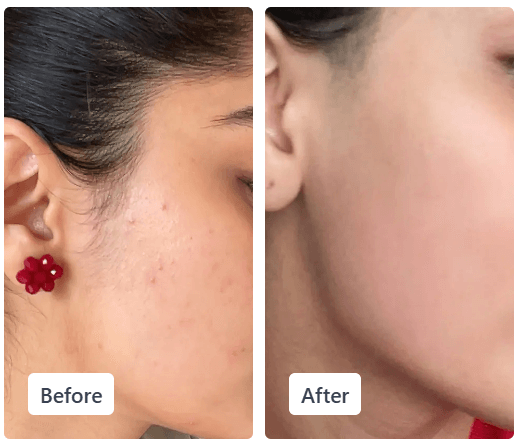
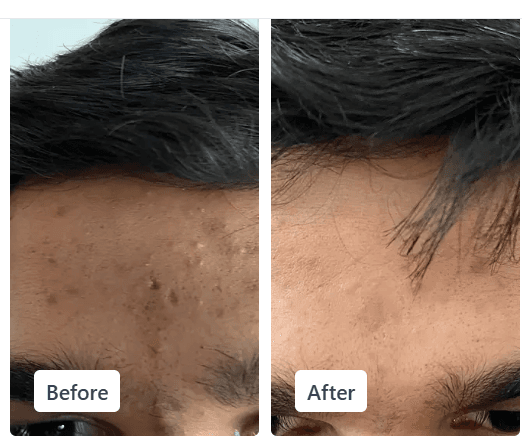
Frequently Asked Questions
How can you prevent body acne?
You can help prevent body acne by showering after workouts, wearing loose clothing, keeping your towels and linens clean, and choosing non-comedogenic skincare products.
How can you get rid of body acne?
Body acne may not have a one-time cure, but it can be effectively managed with the right treatment and consistent care. Mild acne may improve with over-the-counter products, while persistent or severe breakouts may require prescription treatment from a dermatologist.
What are the main causes of body acne?
Body acne develops when sebum, dead skin cells, and other buildup clog the pores. Hormonal changes, excess sebum production, certain dietary choices, trapped sweat, medications, and pore-clogging products can all contribute to breakouts.
Does drinking water help acne?
Drinking enough water supports overall skin health, but increasing your water intake alone will not treat acne. Body acne usually requires appropriate skincare or medical treatment depending on its cause and severity.
Is body acne caused by stress?
Yes, stress can trigger or worsen body acne, but it is not the only possible cause. Stress-related changes in the body may increase sebum production, which can contribute to breakouts on areas such as the chest, back, and shoulders.
References
Cleveland Clinic. (2022). Postpartum Acne: Causes, Prevention & Treatment. Cleveland Clinic.https://my.clevelandclinic.org/health/diseases/24416-postpartum-acne
Cleveland Clinic. (2022). Back Acne: What It Is, Causes, and Treatment. Cleveland Clinic.https://my.clevelandclinic.org/health/diseases/22756-back-acne
American Academy of Dermatology. (n.d.). Is your workout causing your acne? American Academy of Dermatology.
https://www.aad.org/public/diseases/acne/causes/workouts
National Institute of Arthritis and Musculoskeletal and Skin Diseases. (2023). Acne. National Institutes of Health.
https://www.niams.nih.gov/health-topics/acne
National Institute of Arthritis and Musculoskeletal and Skin Diseases. (n.d.). Acne: Diagnosis, Treatment, and Steps to Take. National Institutes of Health.
https://www.niams.nih.gov/health-topics/acne/diagnosis-treatment-and-steps-to-take
Boynton, E. (2025). 8 Ways to Treat Body Acne, According to a Dermatologist. Right as Rain by UW Medicine.
https://rightasrain.uwmedicine.org/well/prevention/body-acne
Editorial Standards
Clear Ritual has Strict sourcing guidelines to ensure our content is accurate and current. We rely on peer-reviewed studies, academic research institutions, and medical associations. We strive to use primary sources and refrain from using tertiary references. See a mistake? Learn More about our Editorial Standards.