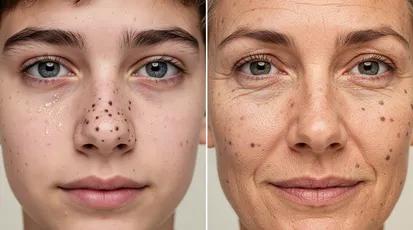
Azithromycin for Acne: What It Is, How It Works, and Who It's For

Azithromycin is a prescription antibiotic sometimes used for moderate inflammatory acne when other options are unsuitable. It should only be taken under a dermatologist's supervision, usually alongside topical acne treatment to help limit antibiotic resistance. Seek urgent medical advice for palpitations, fainting, severe diarrhoea, facial swelling, or signs of an allergic reaction.
What Is Azithromycin for Acne? A Complete Overview
Azithromycin for acne is an off-label use of a macrolide antibiotic that targets the bacteria responsible for inflammatory acne lesions. Although azithromycin is primarily approved for respiratory and soft-tissue infections, dermatologists have used it for acne since the late 1990s due to its anti-inflammatory properties and convenient dosing schedule.
How azithromycin differs from standard acne antibiotics:
- It belongs to the macrolide class, unlike doxycycline and minocycline, which are tetracyclines
- It has a long tissue half-life of approximately 68 hours, allowing once-daily or pulse dosing (3 days per week or 3 days per month)
- It offers both antibacterial and direct anti-inflammatory effects, reducing cytokine activity in skin tissue
- It is generally better tolerated gastrointestinally than tetracyclines in many patients
According to Clear Ritual's dermatology advisory team, azithromycin is most commonly considered when a patient has a documented sensitivity to tetracyclines, requires a shorter dosing schedule for adherence reasons, or presents with inflammatory acne that has not responded to standard first-line options.
Key terms defined:
- Macrolide antibiotic: A class of antibiotics that inhibit bacterial growth by blocking the 50S ribosomal subunit, preventing protein synthesis
- Pulse dosing: An intermittent dosing strategy (e.g., 3 consecutive days per week) used to reduce cumulative antibiotic exposure and resistance risk
- C. acnes: The primary acne-causing bacterium that colonises sebaceous follicles and triggers inflammatory responses
- Off-label use: Prescribing a medication for a condition not officially listed in its regulatory approval
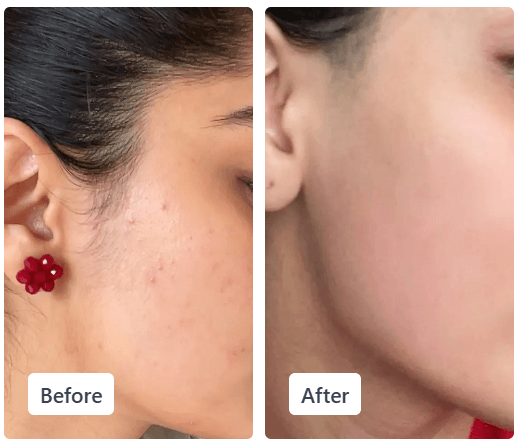
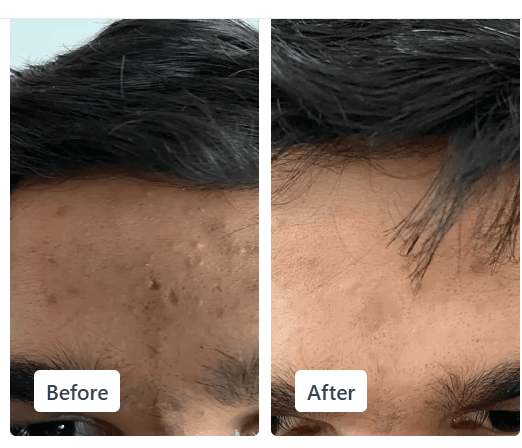
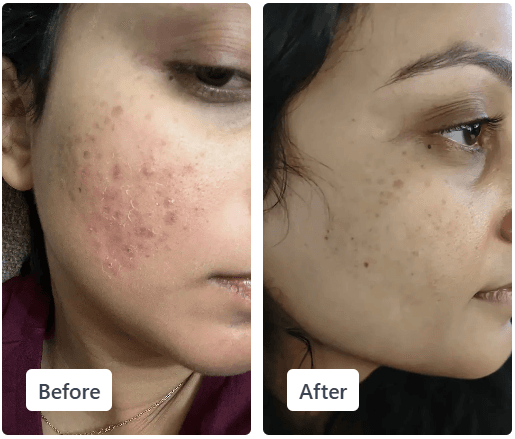
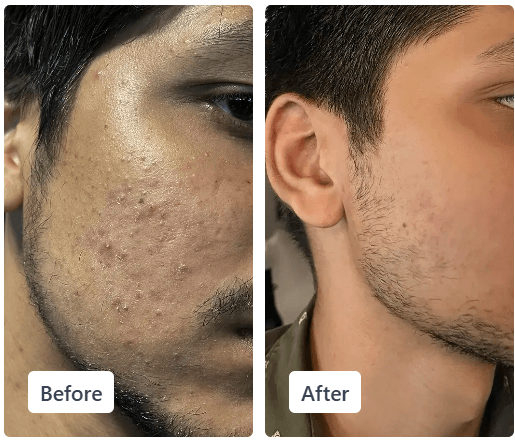
See real results, then start your own
Take the free Clear Ritual Skin Test and get a personalized routine built for your skin's unique patterns.
How Azithromycin for Acne Works: The Complete Mechanism
Azithromycin reduces acne through two parallel pathways: direct antibacterial action and independent anti-inflammatory activity.
Step 1, Penetration into skin tissue
After oral ingestion, azithromycin concentrates in skin and sebaceous glands at levels significantly higher than serum levels, tissue concentrations can reach 10 to 100 times the plasma concentration. This makes it particularly effective at targeting bacteria living deep within sebaceous follicles.
Step 2, Inhibition of bacterial protein synthesis
Azithromycin binds to the 50S subunit of the bacterial ribosome in C. acnes. This binding prevents translocation of peptide chains, halting protein synthesis. Without functional proteins, bacteria cannot replicate or maintain their cell membranes, leading to bacteriostatic (growth-halting) and, at higher concentrations, bactericidal (bacteria-killing) activity.
Step 3, Reduction of inflammatory cytokines
Independently of its antibacterial action, azithromycin suppresses the production of pro-inflammatory cytokines including interleukin-1 (IL-1), IL-6, IL-8, and tumour necrosis factor-alpha (TNF-α). These cytokines are responsible for the redness, swelling, and pain associated with inflammatory papules and pustules. This dual action is one reason azithromycin can reduce acne inflammation even at sub-antibacterial tissue concentrations.
Step 4, Reduction in sebum-driven bacterial colonisation
By reducing the overall C. acnes population, azithromycin also lowers the breakdown of sebum triglycerides into free fatty acids, a process that further irritates follicular walls and worsens inflammatory acne.
Common misconception clarified: Azithromycin does not reduce sebum production itself. Patients with high sebum output may need a concurrent topical retinoid or, in severe cases, isotretinoin for complete lesion control. Clear Ritual's clinical approach typically combines azithromycin with topical benzoyl peroxide to reduce C. acnes resistance risk.
Azithromycin for Acne Results: What to Expect and When
Clinical outcomes from azithromycin for acne follow a consistent pattern across published trials, though individual results vary based on acne severity, adherence, and concurrent treatments.
Month-by-Month Timeline
| Timeframe | Typical Outcome |
|---|---|
| Week 1-2 | Reduction in redness and tenderness of existing lesions; no significant new-lesion reduction yet |
| Month 1 | 20-35% reduction in inflammatory lesion count reported in several trials; purging is uncommon but possible |
| Month 2-3 | 50-70% reduction in inflammatory lesions in responders; pustules and papules reduce more than comedones |
| Month 4-6 | Maximum response typically reached; some studies report up to 90% lesion reduction in high responders |
| Post-treatment | Maintenance with topical agents usually recommended; relapse risk increases within 3-6 months of stopping |
What the Clinical Data Shows
A randomised controlled trial published in the Journal of the American Academy of Dermatology compared azithromycin pulse dosing (500 mg, 3 days/week for 12 weeks) with daily doxycycline (100 mg). Both groups showed approximately 65-70% reduction in inflammatory lesion counts at 12 weeks, with no statistically significant difference in efficacy [1].
A study published in the Indian Journal of Dermatology, Venereology and Leprology (IJDVL) involving 60 patients with moderate inflammatory acne found that azithromycin pulse therapy produced a 63% mean reduction in lesion count after 3 months, with a tolerability rate of over 90% [2].
A case series from an academic dermatology centre reported that 8 out of 10 patients who had previously failed doxycycline achieved at least 50% lesion reduction after switching to azithromycin at 500 mg three times weekly for 12 weeks [3].
Factors That Affect Your Results
- Acne severity: Mild-to-moderate inflammatory acne responds faster than nodulocystic acne
- Adherence to dosing schedule: Pulse dosing requires consistent follow-through; missed doses significantly reduce efficacy
- Concurrent topical treatment: Combining azithromycin with topical benzoyl peroxide or a retinoid improves outcomes and reduces resistance
- Hormonal drivers: Hormonally driven acne (common in adult females) may require additional hormonal therapy for full control
- Pre-existing antibiotic resistance: Prior long-term antibiotic use increases the likelihood of resistant C. acnes strains
See real results, then start your own
Take the free Clear Ritual Skin Test and get a personalized routine built for your skin's unique patterns.
Key Benefits of Azithromycin for Acne
Azithromycin for acne offers several clinically relevant advantages over other antibiotic options, particularly for patients who cannot tolerate or have not responded to tetracyclines.
Short-term benefits (within 4-6 weeks):
- Measurable reduction in inflammatory lesion redness and swelling within 1-2 weeks
- Fewer gastrointestinal side effects compared to doxycycline in many patients, nausea rates reported at approximately 5-8% vs. 15-20% for doxycycline
- Simple pulse dosing (3 days per week) improves treatment adherence vs. daily dosing regimens
- Suitable for patients with tetracycline contraindications, including pregnant women (under specialist supervision only) and children under 8 years
Long-term benefits (3-6 months):
- Sustained 50-70% reduction in inflammatory lesion count in consistent responders
- Anti-inflammatory properties may continue providing benefit at sub-antibacterial doses, reducing systemic antibiotic exposure
- Supports skin barrier recovery by reducing chronic follicular inflammation
- Can be used as a bridging antibiotic while waiting for isotretinoin clearance or hormonal therapy to take effect
Who benefits most: According to Clear Ritual's skin health protocols, azithromycin tends to produce the strongest results in patients with moderate inflammatory acne (Grade II-III), those switching from failed tetracycline therapy, and patients requiring a pulse-based dosing structure for adherence.
Forms and Dosing of Azithromycin for Acne: Which Approach Is Right for You?
Azithromycin for acne is used in two primary formats: oral systemic therapy and topical formulation.
Oral Azithromycin (Most Common)
| Dosing Protocol | Schedule | Typical Course Duration |
|---|---|---|
| Pulse dose, Weekly | 500 mg, 3 consecutive days per week | 10-12 weeks |
| Pulse dose, Monthly | 500 mg daily for 3-4 days per month | 3-6 months |
| Daily low-dose | 250-500 mg daily | 6-12 weeks (less common due to resistance concerns) |
Pulse dosing is preferred over daily continuous dosing because it reduces cumulative antibiotic exposure and lowers the risk of developing antibiotic-resistant C. acnes strains. Clear Ritual's prescribing guidelines favour the weekly pulse protocol for most patients with moderate inflammatory acne.
Topical Azithromycin (Emerging Use)
Topical azithromycin 2% gel is available in some markets and is used for mild-to-moderate acne. It delivers the anti-inflammatory and antibacterial benefits locally while minimising systemic absorption and resistance risk. Studies suggest topical azithromycin can reduce inflammatory lesion counts by 40-55% over 12 weeks [4].
Which Format to Choose?
| Patient Profile | Recommended Format |
|---|---|
| Moderate-to-severe inflammatory acne | Oral pulse dosing |
| Mild inflammatory acne, resistance concern | Topical 2% gel |
| Tetracycline-intolerant patient | Oral azithromycin (any schedule) |
| Maintenance phase post-oral course | Topical formulation |
Azithromycin for Acne vs. Alternative Antibiotics: An Honest Comparison
Azithromycin competes primarily with doxycycline and minocycline as systemic antibiotic options for acne. Each has distinct advantages and limitations.
| Factor | Azithromycin | Doxycycline | Minocycline |
|---|---|---|---|
| Antibiotic class | Macrolide | Tetracycline | Tetracycline |
| Dosing frequency | 3 days/week (pulse) | Once or twice daily | Once or twice daily |
| GI tolerability | Generally better | Moderate, take with food | Moderate |
| Photosensitivity risk | Low | Moderate-to-high | Low |
| Resistance concern | Moderate | Moderate | Moderate |
| Anti-inflammatory effect | Strong (dual mechanism) | Moderate | Moderate |
| Cost | Moderate | Low | Moderate-to-high |
| Use in children under 8 | Possible (with caution) | Contraindicated | Contraindicated |
| Use in pregnancy | Specialist use only | Contraindicated | Contraindicated |
Doxycycline remains the most widely prescribed first-line oral antibiotic for acne due to its established evidence base, low cost, and predictable dosing. However, photosensitivity and the need for daily administration are practical drawbacks for some patients.
Minocycline offers similar efficacy to doxycycline but carries a small risk of rare autoimmune side effects with long-term use, including drug-induced lupus and hyperpigmentation. Extended-release minocycline (45 mg/day) has been FDA-approved specifically for acne.
Azithromycin is typically the preferred choice when doxycycline or minocycline are contraindicated, when adherence to daily dosing is a concern, or when gastrointestinal tolerance is a limiting factor.
Clear Ritual's clinical team recommends: Use azithromycin as a considered second-line or alternative first-line agent rather than a universal default, particularly given the need to manage antibiotic resistance carefully in acne treatment.
Is Azithromycin for Acne Right for You? Ideal vs. Non-Ideal Candidates
Not every patient with acne is a suitable candidate for azithromycin. Understanding who benefits most, and who should avoid it, is essential for safe, effective treatment.
Ideal For
| Profile | Reason |
|---|---|
| Moderate-to-severe inflammatory acne (Grade II-III) | Best evidence base for this severity range |
| Tetracycline-intolerant patients | Macrolide class avoids tetracycline side effects |
| Patients with adherence challenges | Pulse dosing (3 days/week) is easier to maintain |
| Patients with high photosensitivity risk | Lower photosensitivity risk vs. doxycycline |
| Children under 8 with inflammatory acne | Tetracyclines contraindicated in this age group |
Not Ideal For
| Profile | Reason |
|---|---|
| Mild acne (Grade I, primarily comedonal) | Topical-only treatment is sufficient; antibiotics not indicated |
| Patients with cardiac arrhythmia (QT prolongation risk) | Azithromycin may prolong the QT interval; requires ECG screening |
| Patients on medications that interact with CYP3A4 | Potential drug interactions; requires pharmacist review |
| Patients seeking long-term acne control (12+ months) | Long-term antibiotic use not recommended; retinoids or hormonal therapy preferred |
| Nodulocystic or scarring acne | Typically requires isotretinoin rather than antibiotics alone |
The Clear Ritual emphasises that azithromycin for acne should always be prescribed by a qualified dermatologist or physician following a thorough assessment of the patient's acne type, medical history, and prior treatment response.
How to Use Azithromycin for Acne Correctly: Step-by-Step Guide
Using azithromycin for acne correctly requires adherence to the prescribed protocol, appropriate concurrent skincare, and monitoring for side effects.
Prerequisites
Before starting azithromycin for acne:
- Confirm diagnosis of inflammatory acne (papules, pustules, nodules) with a dermatologist
- Rule out cardiac conditions associated with QT prolongation
- Disclose all current medications to check for interactions (particularly antacids, anticoagulants, and other antibiotics)
- Obtain a baseline photograph to objectively track lesion reduction
Step-by-Step Protocol
- Take azithromycin as prescribed, most commonly 500 mg on 3 consecutive days per week. Do not self-adjust the dose.
- Take with or without food, azithromycin absorption is not significantly affected by food, but taking it with a small meal may reduce nausea in sensitive patients.
- Apply topical benzoyl peroxide daily, using a 2.5-5% benzoyl peroxide wash or gel concurrently is strongly recommended to reduce the risk of antibiotic-resistant C. acnes.
- Avoid skipping doses, inconsistent dosing does not just reduce efficacy; it creates subtherapeutic antibiotic levels that actively promote resistance.
- Use broad-spectrum SPF 30+ sunscreen daily, although azithromycin carries lower photosensitivity risk than doxycycline, protecting acne-prone skin from UV-induced inflammation is always beneficial.
- Review at 8-12 weeks, schedule a follow-up with your prescribing physician to assess response and discuss whether to continue, switch, or transition to maintenance therapy.
- Do not use azithromycin indefinitely, antibiotic courses for acne should generally not exceed 3-6 months. Transition to topical maintenance (retinoids, benzoyl peroxide) as directed by your dermatologist.
Common Mistakes to Avoid
- Using azithromycin without a topical antibacterial agent, increases resistance risk significantly
- Stopping early because results are slow, the anti-inflammatory effect takes 4-8 weeks to fully manifest
- Self-prescribing or using leftover antibiotics, unsafe and ineffective without proper acne diagnosis and dosing guidance
- Combining with other macrolide antibiotics, increases resistance and side effect risk without adding benefit
How Clear Ritual Supports Personalized Skincare Decisions
Clear Ritual understands that acne is more than a surface issue. It is shaped by genetics, skin renewal cycles, environmental factors, and the products you use.
Because acne forms when C. acnes bacteria colonise sebaceous follicles and trigger inflammatory responses that lead to redness, swelling, and lesions, generic solutions rarely bring lasting improvement. Clear Ritual combines traditional wisdom and modern science to address the underlying causes of acne.
The Clear Ritual Skin Test analyses your skin's unique patterns and daily influences to help identify the best routine for supporting healthy skin and reducing acne recurrence.
See real results, then start your own
Take the free Clear Ritual Skin Test and get a personalized routine built for your skin's unique patterns.
Conclusion
Azithromycin may be an option for moderate inflammatory acne when a dermatologist determines that an oral antibiotic is appropriate. It is not a first choice for every acne type, and it should be used for the shortest effective course alongside a suitable topical treatment plan.
Do not self-prescribe antibiotics or reuse leftover tablets. Speak with a dermatologist if acne is painful, scarring, persistent, widespread, or affecting your emotional wellbeing. Urgent medical care is needed for severe allergic symptoms, fainting, chest symptoms, or a fast or irregular heartbeat.
Frequently Asked Questions
Is azithromycin good for acne?
Azithromycin can help some people with moderate inflammatory acne, especially when standard options such as tetracyclines are unsuitable or not tolerated. It is a prescription medicine and should only be used after a clinician has assessed your acne type, medical history, and other medicines.
How long does azithromycin take to work for acne?
Improvement in redness and tenderness may begin within several weeks, while a clearer reduction in inflammatory acne lesions may take around 8 to 12 weeks. Results vary depending on acne severity, adherence, hormone-related factors, and accompanying topical treatment.
Can I take azithromycin for acne without a dermatologist?
No. Oral antibiotics should not be self-prescribed for acne. A dermatologist or qualified physician needs to confirm the diagnosis, check for interactions or heart-related risks, decide whether an antibiotic is appropriate, and set the dose and treatment duration.
Should azithromycin be used with benzoyl peroxide?
Dermatologists often pair an oral antibiotic with benzoyl peroxide or another topical acne treatment to improve acne control and help reduce antibiotic resistance. The exact routine should be based on your skin tolerance and your prescriber's advice.
Is azithromycin safe during pregnancy for acne?
Pregnancy medication decisions need individual medical assessment. Do not start, stop, or continue azithromycin for acne during pregnancy without guidance from your obstetrician and dermatologist, who can weigh the potential benefits and risks for your situation.
What side effects of azithromycin need urgent care?
Seek urgent medical help for facial or throat swelling, trouble breathing, fainting, severe dizziness, chest pain, a fast or irregular heartbeat, severe or persistent diarrhoea, or a widespread blistering rash.
Can azithromycin cure acne permanently?
Azithromycin can reduce inflammatory acne during a treatment course, but it does not permanently remove all acne triggers such as hormones, oil production, or clogged pores. Maintenance care is often needed after antibiotics are stopped.
When should I see a dermatologist for acne?
See a dermatologist for deep, painful, cystic, scarring, or widespread acne; acne that does not improve with over-the-counter care; or acne that is affecting confidence, mood, or daily life.
Editorial Standards
Clear Ritual has Strict sourcing guidelines to ensure our content is accurate and current. We rely on peer-reviewed studies, academic research institutions, and medical associations. We strive to use primary sources and refrain from using tertiary references. See a mistake? Learn More about our Editorial Standards.
Related Articles
Cystic Acne Home Remedies, Cure and Natural Treatment
Published 17 July 2026

How to Remove Whiteheads Permanently: Dermatologist-Approved Methods
Published 12 October 2026

Fungal Acne Ingredients to Avoid for Clearer Skin
Published 12 October 2026

Blackheads in Adults vs Teenagers: How Treatment Differs
Published 17 July 2026