Cystic Acne Home Remedies, Cure and Natural Treatment
To treat cystic acne at home, you should focus on managing deep inflammation and reducing bacteria without causing scarring. The most effective way is to apply ice to reduce swelling, use over-the-counter benzoyl peroxide that may eliminate surface acne bacteria, and gently exfoliate with 2% salicylic acid to keep pores clear and prevent new blockages from forming.
Using over-the-counter treatments is a supporting option and may not solve cystic acne on its own. A consistent skincare routine and certain hygiene habits are more beneficial than using aggressive methods for removing cysts. You should never pick or squeeze a cyst, as this can force the infection deeper and cause permanent scarring.
What is Cystic Acne
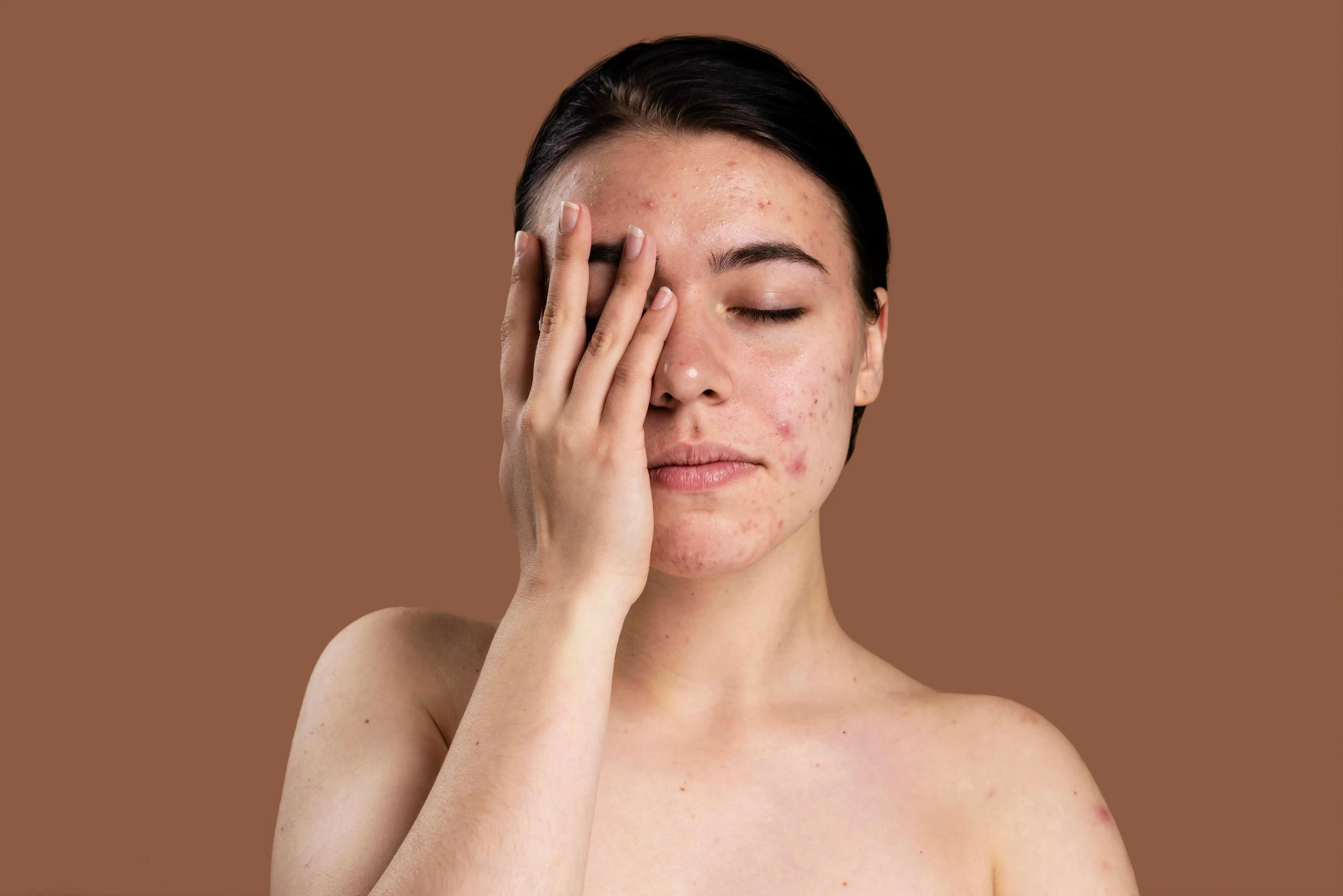
Cystic acne is a severe form of inflammatory acne that develops when pores become clogged with excess sebum, dead skin cells, and bacteria. As inflammation increases, the blockage extends deep into the skin, forming large, painful cysts beneath the surface level.
Unlike whiteheads or blackheads, cystic acne does not always develop a visible head. Instead, it appears as swollen, tender lumps that can remain under the skin for weeks.
Some common signs of cystic acne include:
- Large, painful bumps beneath the skin
- Deep inflammation and redness
- Recurring breakouts in the same areas
- Increased risk of post-acne marks and scarring
- Breakouts on the face, jawline, chest, shoulders, or back
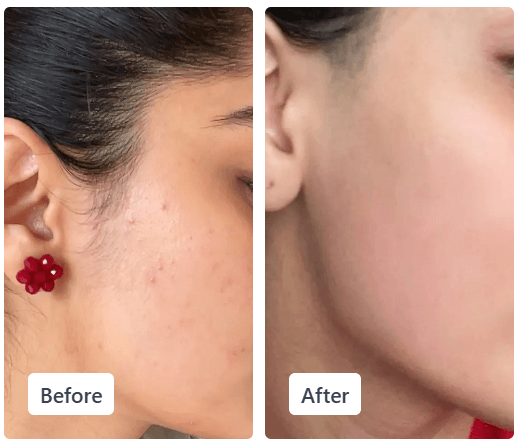
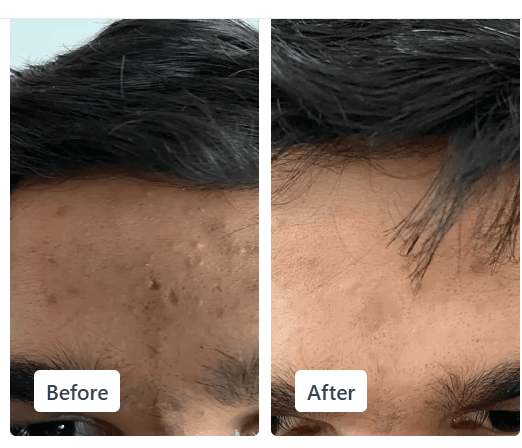
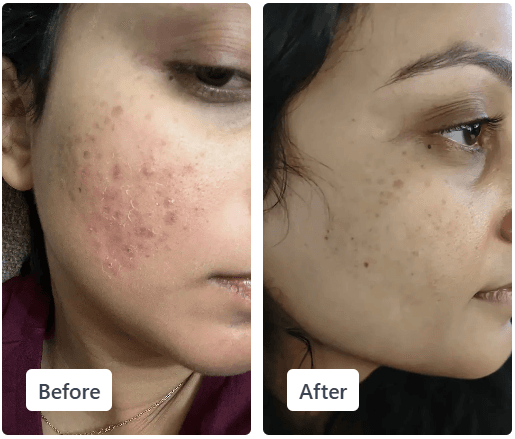
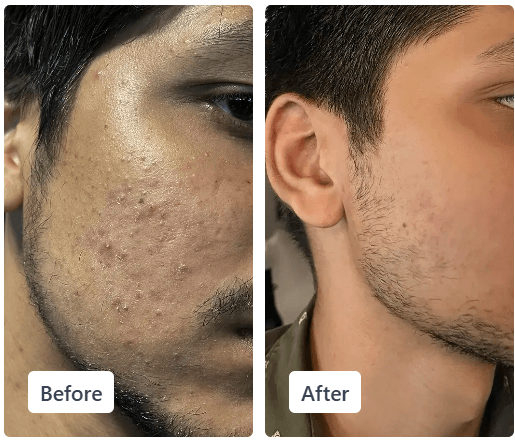
See real results, then start your own
Take the free Clear Ritual Skin Test and get a personalized routine built for your skin's unique patterns.
How is Cystic Acne Caused?
Cystic acne develops when several factors combine to trigger inflammation within the pore.
| Cause | Impact on Cystic Acne |
|---|---|
| Excess Oil | Extra oil clogs pores and triggers breakouts. |
| Dead Skin Cells | Build-up inside pores leads to blockages. |
| Bacteria | Causes inflammation, redness, and swelling. |
| Hormonal Changes | Increase oil production and acne flare-ups. |
| Genetics | Family history can raise acne risk. |
| Inflammation | Strong immune reactions cause deep, painful cysts. |
How is Cystic Acne Diagnosed?
A dermatologist usually diagnoses cystic acne through a clinical skin examination. They will assess:
- The type of acne lesions present
- The severity and extent of breakouts
- Areas affected by acne
- Existing post-acne marks or scarring
- Potential hormonal or lifestyle triggers
In some cases, additional evaluation, such as blood tests, may be required if hormonal conditions could be contributing to recurrent cystic acne.
See real results, then start your own
Take the free Clear Ritual Skin Test and get a personalized routine built for your skin's unique patterns.
When to See a Doctor for Cystic Acne?
While mild acne can often be managed with over-the-counter products, cystic acne frequently benefits from professional treatment. You should consider seeing a dermatologist if:
- Cysts are painful or widespread
- Breakouts continue despite home treatment
- You notice permanent marks or scarring that won't go away easily
- Acne affects your confidence and emotional well-being
- New cysts continue forming regularly despite healthy habits and a steady skincare routine
Can You Treat Cystic Acne at Home?
Yes, you can treat certain symptoms of cystic acne at home, but home care has certain limitations. Home treatment may help to reduce swelling, relieve discomfort, calm inflammation, support skin healing, and prevent further irritation. However, home remedies cannot eliminate deep cysts or address the underlying causes of severe acne.
For some people, consistent home care can help manage occasional cystic breakouts. At the same time, others require prescription treatments to achieve lasting results.
Are Home Remedies for Cystic Acne Effective?
Home remedies can be helpful when used correctly and combined with evidence-based skincare ingredients. The biggest benefit of home treatment is reducing inflammation while supporting the skin barrier. This may make cysts appear smaller, less painful, and less noticeable during the healing process.
However, it is important to understand what home remedies can and cannot do.
| What Home Remedies May Help With | What Home Remedies Cannot Do |
|---|---|
| Reduce redness | Instantly remove cysts. |
| Improve comfort | Prevent all future breakouts. |
| Support recovery | Replace prescription treatment for severe acne. |
| Minimise irritation | Reverse deep acne scars. |
The most effective approach is often combining gentle home care with professional guidance when needed.
How to Cure Cystic Acne at Home: Is It Really Possible?
Many people look for a home cure for cystic acne, but cystic acne is usually best managed rather than permanently cured. Because it develops deep within the skin and is influenced by factors like hormones and genetics, no single home remedy can eliminate it completely.
A consistent skincare routine and healthy habits may help reduce breakouts, but persistent cystic acne often requires professional treatment for the best results.
How Cystic Acne Home Remedies Work?
While home remedies cannot remove deep cysts, they may help reduce inflammation, soothe irritation, support skin healing, and prevent breakouts from worsening.
| Benefit | How It May Help With Cystic Acne |
|---|---|
| Reduce Inflammation | Helps calm redness, swelling, and discomfort. |
| Limit Bacterial Growth | May help prevent breakouts from worsening. |
| Support Skin Barrier | Promotes healing and reduces irritation. |
| Prevent Further Irritation | Gentle care helps the skin recover more effectively. |
Best Cystic Acne Home Remedies Backed by Dermatologists
While there is no overnight cure for cystic acne, certain cystic acne treatments at home may help reduce discomfort and support recovery.
| Home Remedy | How It Helps |
|---|---|
| Ice | Reduces swelling, redness, and pain. |
| Benzoyl Peroxide | Helps reduce acne-causing bacteria and inflammation. |
| Salicylic Acid | Clears excess oil and helps prevent clogged pores. |
| Gentle Cleansing | Removes impurities without irritating the skin. |
| Non-Comedogenic Moisturiser | Supports the skin barrier and reduces dryness. |
| Daily Sunscreen | Helps prevent post-acne dark marks. |
| Avoid Picking or Popping | Reduces the risk of scarring and infection. |
Natural Remedies That May Help Calm Cystic Acne
Natural remedies may help soothe irritated skin, although the evidence supporting them is generally weaker than that for established acne treatments.
| Natural Remedy | Potential Benefit |
|---|---|
| Aloe Vera | Helps soothe irritated skin. |
| Tea Tree Oil | May reduce mild acne symptoms. |
| Green Tea Extract | Helps calm inflammation. |
| Honey | Provides temporary soothing effects. |
| Colloidal Oatmeal | Relieves irritation and supports the skin barrier. |
Home Remedies You Should Avoid for Cystic Acne
While searching for how to treat cystic acne at home, you should also know what you shouldn't be doing. Not all home remedies are safe. Some popular DIY treatments can actually worsen inflammation and damage the skin barrier.
- Toothpaste: It can cause irritation and dryness.
- Lemon Juice: The concentration of high acid may trigger burns, irritation, and pigmentation.
- Baking Soda: It disrupts the skin's natural pH.
- Undiluted Essential Oils: They can cause allergic reactions and irritation.
- Harsh Scrubs: They usually increase inflammation and redness and can cause microtears in the skin.
- Popping cysts: It significantly increases the risk of scars.
When it comes to cystic acne, gentle care almost always performs better than aggressive treatments.
How Clear Ritual Supports Personalized Skincare Decisions
While home remedies for cystic acne can help reduce swelling, discomfort, and irritation, they work best when combined with a consistent skincare routine and evidence-based ingredients.
The Clear Ritual Skin Test analyses your skin type and acne concerns and offers a complete skincare kit to help you maintain healthy skin.
At Clear Ritual, we believe in focusing on ingredients such as salicylic acid, benzoyl peroxide, niacinamide, and barrier-supporting moisturisers, which generally offer more reliable results than harsh home treatments.
See real results, then start your own
Take the free Clear Ritual Skin Test and get a personalized routine built for your skin's unique patterns.
Editorial Standards
Clear Ritual has Strict sourcing guidelines to ensure our content is accurate and current. We rely on peer-reviewed studies, academic research institutions, and medical associations. We strive to use primary sources and refrain from using tertiary references. See a mistake? Learn More about our Editorial Standards.
Related Articles
How to Remove Whiteheads Permanently: Dermatologist-Approved Methods
Published 12 October 2026
Fungal Acne Ingredients to Avoid for Clearer Skin
Published 12 October 2026
Blackheads in Adults vs Teenagers: How Treatment Differs
Published 17 July 2026
HydraFacial for Blackheads: Get Clearer Pores Instantly
Published 17 July 2026