Teen Blackhead Skincare Routine: What Actually Works
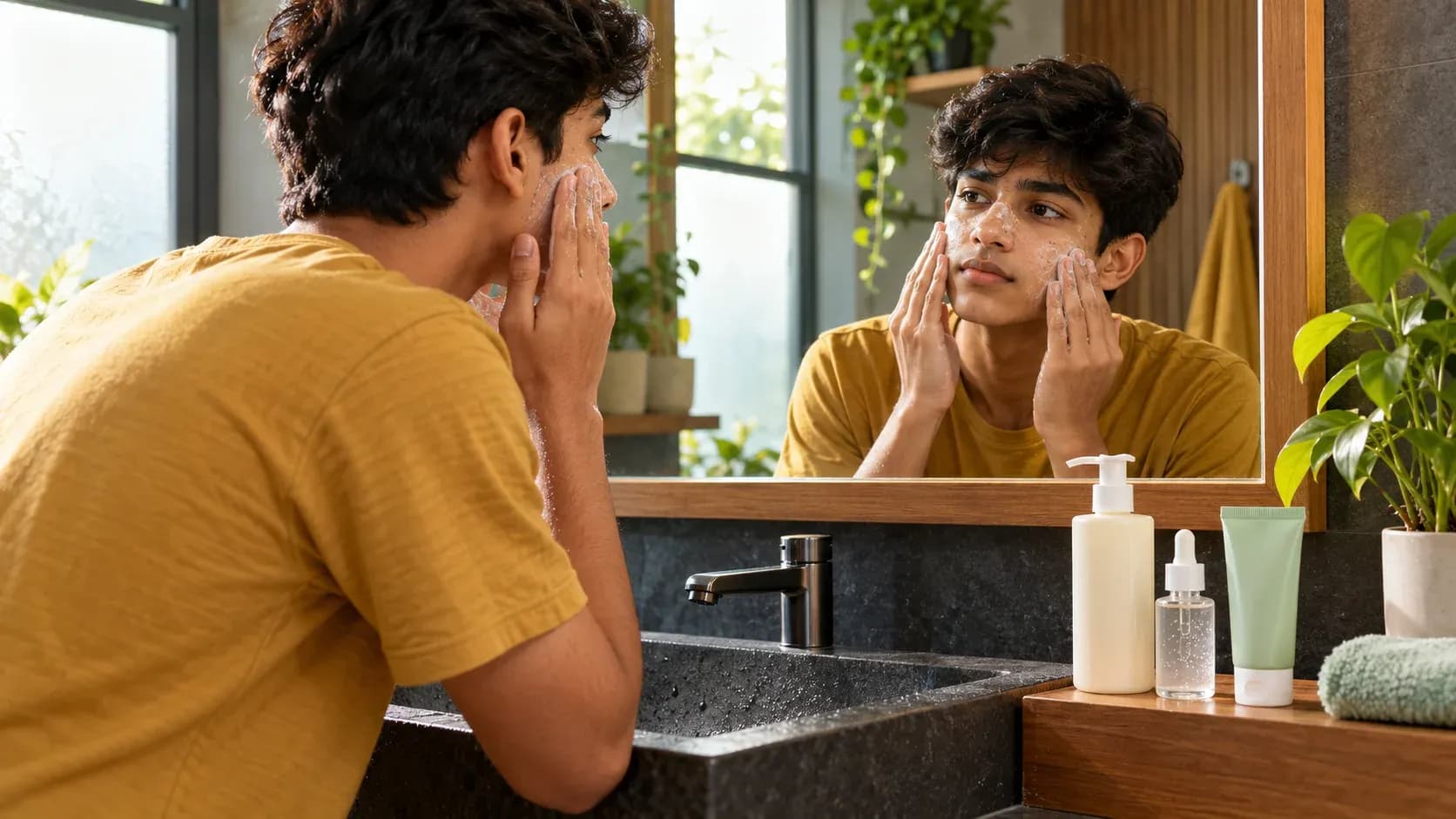
Most teens cannot fully prevent blackheads - but a consistent three-step routine can reduce them by 40 to 60 percent within 12 weeks.
Blackheads are open comedones: pores clogged with sebum and dead skin cells that oxidise dark when exposed to air. They affect around 85 percent of people aged 12 to 24. The fastest, safest approach for teen skin is to cleanse with salicylic acid, treat with niacinamide or a leave-on BHA, and moisturise with a non-comedogenic gel - every morning and evening.
What Are Blackheads and Why Do Teens Get Them?
Blackheads are open comedones - pores clogged with a mixture of sebum and dead skin cells that turn dark when exposed to air through oxidation, not dirt. They are the most common form of non-inflammatory acne and affect an estimated 85 percent of people between the ages of 12 and 24.
Teen skin is especially prone to blackheads because androgens - hormones that surge during puberty - stimulate sebaceous glands to produce significantly more sebum than at any other life stage. The T-zone (forehead, nose, and chin) has the highest concentration of oil glands on the face, which is why blackheads cluster there first in adolescence.
Three factors drive blackhead formation in teenagers specifically:
- Hormonal sebum surge: Androgen activity during puberty directly increases oil gland output, filling pores faster than in adult skin
- Dead skin cell accumulation: Skin cell turnover in teens can be irregular, leaving more material available to mix with sebum inside pores
- Pore exposure: Open comedones have no bacteria-driven inflammation, so they develop silently and in large numbers before most teens notice them
According to The Clear Ritual's clinical team, the blackhead cycle - sebum accumulates, mixes with dead cells, oxidises - repeats continuously unless a routine interrupts it at multiple points simultaneously.
What Is the Best Skincare Routine for Teens with Blackheads?
The best skincare routine for teens with blackheads is a simple, consistent daily regimen built on three steps: cleanse, treat, and moisturise - performed twice daily, every morning and evening.
The routine targets the blackhead clog cycle at three points:
- Cleanse with a salicylic acid face wash to remove surface oil and begin clearing pore congestion
- Treat with a niacinamide serum or leave-on BHA to reduce sebum production and loosen existing pore plugs
- Moisturise with a lightweight, non-comedogenic gel moisturiser to prevent sebum rebound - then apply SPF 30 or higher every morning
The routine takes 3 to 5 minutes twice daily. Teen skin requires lighter, non-comedogenic formulas throughout. Harsh scrubs, alcohol-heavy toners, and over-exfoliation worsen blackhead formation by damaging the skin barrier and triggering reactive oil production - the opposite of the intended effect.
Most teens following this structure consistently see fewer new blackheads forming within 4 to 6 weeks, with a measurable reduction in overall blackhead count by the 12-week mark.
Why Are Blackheads Worse on the Nose for Teens?
The nose has more sebaceous glands per square centimetre than almost any other area of the face, which is why teens get blackheads there first and most densely.
Nose pores are also naturally wider than those on the cheeks or forehead, making them easier to see and harder to keep clear. When sebum from enlarged pores mixes with dead skin cells and sits exposed to air, oxidation turns the plug visibly dark within one to two days.
Three factors make nose blackheads worse in teenagers specifically:
- Higher follicular density: The nose has a high concentration of oil glands that are directly amplified by androgen surges during puberty
- Pore geometry: Nose pores have a flared opening rather than a narrow channel, meaning plugs form quickly and are more visible at the surface
- Repeated friction: Glasses, mask straps, and the habit of touching the nose transfer bacteria and extra oil directly onto pores
How to target nose blackheads specifically:
- Apply salicylic acid cleanser with circular fingertip pressure along the sides of the nose for an extra 20 to 30 seconds before rinsing - the highest-density sebum zone benefits from longer contact time
- On BHA exfoliant nights, apply the leave-on product to the nose and T-zone first, before the cheeks, so it gets maximum absorption time
- Limit pore strips to a maximum of once per week on the nose - they remove the visible tip of the blackhead but leave the follicle wall intact and prone to re-filling within 2 to 4 days
Chemical exfoliation addresses the underlying plug. Pore strips address only the surface. The Clear Ritual recommends using both as part of a layered approach rather than relying on strips alone.
Skincare for Younger Teens Ages 11 to 13: Keeping It Simple and Safe
For teens aged 11 to 13 noticing their first blackheads, a simpler two-to-three step approach is safer and often more effective than following adult-strength routines.
Skin in early puberty is adapting its oil production. Using strong actives - retinol, high-percentage BHA toners, or benzoyl peroxide - at this stage can cause irritation and dryness that makes blackheads worse. Dermatologists generally recommend starting with the mildest effective concentrations and building up slowly.
The 11 to 13 starter routine (twice daily):
- Gentle salicylic acid face wash at 0.5% - look for products labelled for sensitive or young skin. Massage for 30 seconds, rinse with lukewarm water. This step alone clears most surface blackheads in early-stage puberty skin
- Oil-free moisturiser - a fragrance-free gel formula with glycerin or hyaluronic acid. Skipping moisturiser causes the skin to produce more oil, which worsens blackheads
- SPF 30 (morning only) - a lightweight mineral or chemical SPF prevents post-blackhead marks from darkening. Choose a gel or fluid formula rather than a thick cream
What to avoid under 13:
- Retinol in any concentration - introduce only at age 14 or older, starting at 0.025%
- Leave-on BHA toners stronger than 1% salicylic acid
- Physical scrubs with large particles such as walnut shells or apricot kernels
- Adult-strength clay masks used more than once per week
Most 11 to 13 year olds see clear improvement with cleanse and moisturise alone. Stay with this simple routine for at least 6 to 8 weeks before considering any additions.
When to ask a parent or doctor: If blackheads are accompanied by painful, deep spots or widespread redness, a GP or dermatologist visit is worth having before starting any active ingredient routine.
Blackhead Routine for Teen Boys: What Is Different?
Teen boys tend to develop more severe blackheads than girls of the same age - not because of hygiene, but because male androgens, primarily testosterone, surge earlier and more sharply during puberty, driving higher sebum output.
Three ways blackhead-prone skin in teen boys differs from girls:
- Higher sebum volume: Boys typically produce more sebum per square centimetre of skin, meaning pores fill faster and blackheads form more densely, especially on the nose and forehead
- Thicker skin texture: Testosterone increases skin thickness over time, which can make blackheads appear deeper and harder to clear with surface-only approaches
- Hair product transfer: Boys are less likely to use comedogenic makeup but often use comedogenic hair products - pomades, waxes, and gels - that run down the hairline and clog forehead pores
The adapted routine for teen boys (twice daily):
- Use a salicylic acid cleanser at 2% rather than 0.5 to 1% - higher sebum production typically tolerates and benefits from the stronger concentration after 2 to 3 weeks of building tolerance
- Apply a leave-on BHA toner to the T-zone 3 nights per week - higher sebum output means more frequent exfoliation is better tolerated
- Check hair products - switch to water-based or clay-based styling products labelled non-comedogenic if forehead blackheads are a persistent concern. Pomades and wax-based products are among the most common overlooked causes of forehead blackheads in teen boys
- Wash the face after sport - sweat mixed with surface oil and bacteria creates an environment where pores clog faster. A rinse with salicylic acid cleanser within 30 minutes of a workout reduces this effect significantly
What teen boys do not need: dedicated "men's skincare" products, toners with alcohol (these worsen sebum rebound), or scrubs marketed as deep-cleansing. The core Clear Ritual routine applies equally - the key adjustments are active ingredient concentration and attention to hair products.
Best Blackhead Removers for Teens: What Actually Works by Type
The term "blackhead remover" covers very different product types - and most marketed as removers do not address the underlying cause. The table below shows how each type works and which are most effective for teen skin.
| Type | How It Works | Best For | Avoid If | Frequency |
|---|---|---|---|---|
| Salicylic acid face wash (0.5-2%) | Oil-soluble BHA penetrates pore lining, dissolves sebum-cell plug | All teen skin types with blackheads | Skin reacting at 2% - drop to 0.5% | Twice daily |
| Leave-on BHA toner (1-2% salicylic acid) | Extended contact allows deeper pore penetration than rinse-off | Oily and combination skin, persistent blackheads | Under 13, or if skin is already flaking or red | 2-3 nights per week |
| Niacinamide serum (2-5%) | Reduces sebum secretion rate by up to 33% over 8 weeks; calms pore lining | Sensitive skin, those who react to BHA | No known contraindications at these concentrations | Once or twice daily |
| Pore strips | Physically pulls the tip of the blackhead plug off the surface | One-time clearing before an event | Regular use - weakens pore walls, does not stop re-filling | Maximum once per week |
| Clay masks (kaolin or bentonite) | Draws excess sebum out of pores via adsorption | Oily skin, once-weekly maintenance | Dry or sensitive skin - strips barrier | Once per week maximum |
| Retinol (0.025-0.1%) | Accelerates cell turnover, prevents dead cell accumulation inside pores | Ages 14+ with persistent blackheads after 8 weeks of BHA | Under 14, or alongside daily BHA without building tolerance | 2-3 nights per week |
| Benzoyl peroxide (2.5-5%) | Kills C. acnes bacteria in pores by releasing oxygen | When blackheads are progressing to whiteheads or papules | As an all-over daily product - spot-use only to avoid barrier damage | Spot treatment only |
Which blackhead remover is most effective for teens overall?
A leave-on BHA toner used 2 to 3 nights per week, combined with a daily salicylic acid cleanser, is the most evidence-backed combination for teen blackhead reduction. A 2020 review in the Journal of Clinical and Aesthetic Dermatology confirmed salicylic acid as first-line therapy for comedonal acne in adolescents.
What to look for when buying:
- The words "non-comedogenic" and "oil-free" on the label
- Fragrance-free formulation for any leave-on product applied to teen skin
- pH 3.0 to 4.0 for leave-on BHA toners - this is where salicylic acid is most effective
- Avoid products with alcohol denat. or SD alcohol in the first five ingredients - these dry the surface while triggering sebum rebound
Understand What Your Skin Needs
Take the Clear Ritual Skin Test to identify your skin type, concerns, and potential triggers before building your routine.
Take the Free Skin Test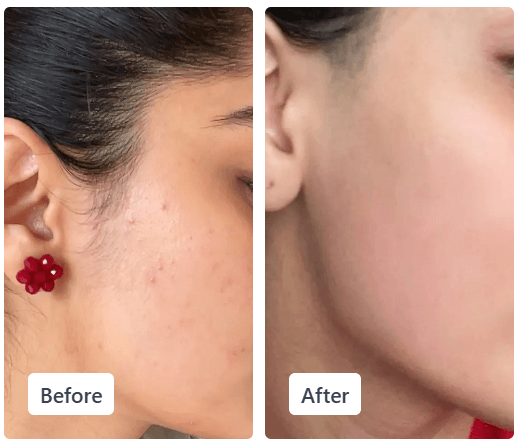
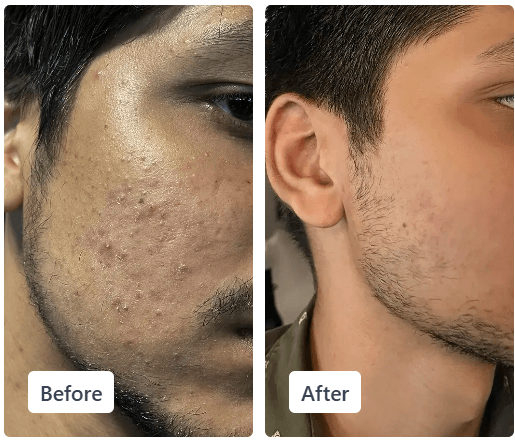
Salicylic Acid vs Niacinamide vs Benzoyl Peroxide for Teen Blackheads
Three ingredients dominate teen blackhead treatment. They work differently, suit different skin types, and should not all be used simultaneously - especially on teenage skin that is still building its barrier.
Salicylic Acid
Salicylic acid penetrates into the pore lining because it is oil-soluble, dissolving the sebum-cell plug from within. It also has mild anti-inflammatory properties that calm the surrounding skin.
- Best for: Any teen with oily to combination skin and open comedones
- Start with: 0.5% in a face wash, building to 2% leave-on toner after 2 weeks
- Timeline: Reduces comedone count by 40 to 60 percent in 12 weeks of consistent use
- Risk: Overuse - running multiple salicylic acid products simultaneously - causes dryness and barrier damage
Niacinamide
Niacinamide reduces sebum secretion at the gland level, addressing the upstream cause rather than clearing existing plugs. It also calms redness and strengthens the skin barrier - making it a valuable companion to salicylic acid.
- Best for: Sensitive teen skin, or as a stabiliser alongside salicylic acid to offset dryness
- Concentration: 2% to 5% - higher concentrations do not provide proportionally better results
- Timeline: Sebum reduction of up to 33 percent is measurable after 8 weeks of consistent use
- Risk: Minimal - occasionally causes temporary flushing at concentrations above 5%
Benzoyl Peroxide
Benzoyl peroxide kills Cutibacterium acnes (C. acnes) bacteria inside pores by releasing oxygen. It is most relevant when blackheads are progressing to inflamed whiteheads or papules, not for pure blackhead-only cases.
- Best for: Mixed presentation - blackheads combined with active inflamed spots
- Concentration for teens: 2.5% is as effective as 5% or 10% with significantly less irritation
- Timeline: Reduces inflammatory lesion count faster than salicylic acid (within 4 to 6 weeks) but has less evidence for pure comedone reduction
- Risk: Bleaches fabric including pillowcases, towels, and clothing. Can cause significant dryness. Not appropriate for sensitive or dry teen skin as a daily all-over product
The Clear Ritual's honest verdict: For teens with blackheads only and no inflamed spots, salicylic acid is the first choice. Add niacinamide if the skin is sensitive or reactive. Introduce benzoyl peroxide only if blackheads are developing into papules - and always as a spot treatment, not an all-over application.
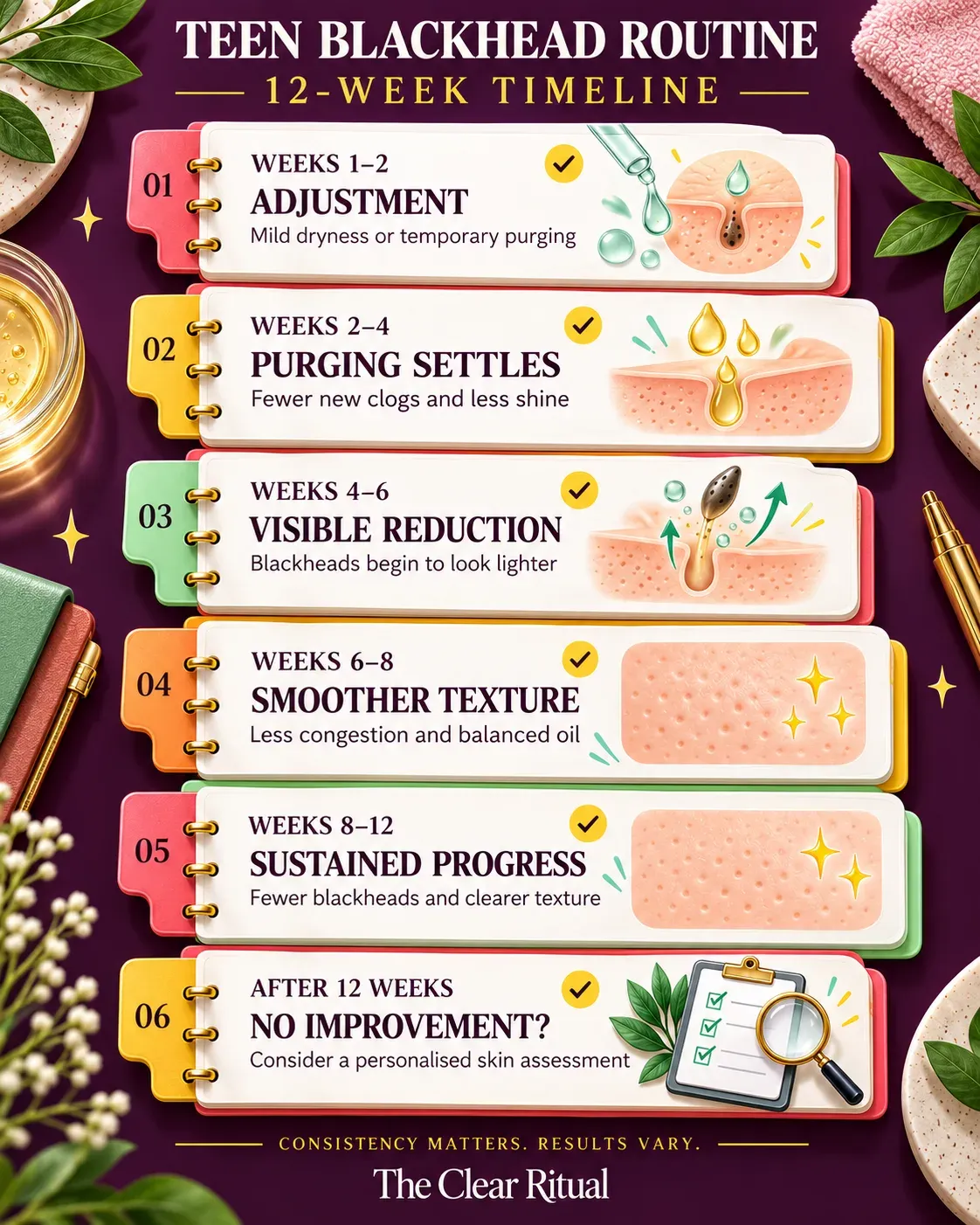
Week-by-Week Timeline: What to Expect from a Teen Blackhead Routine
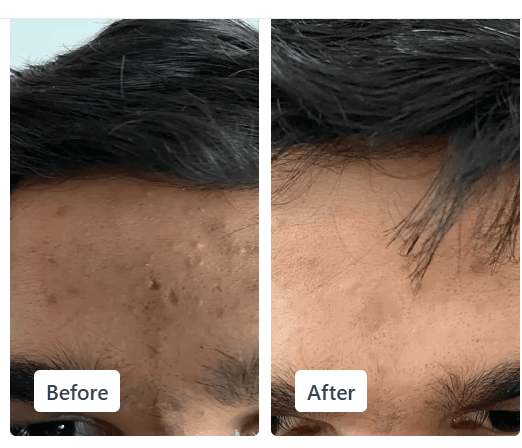
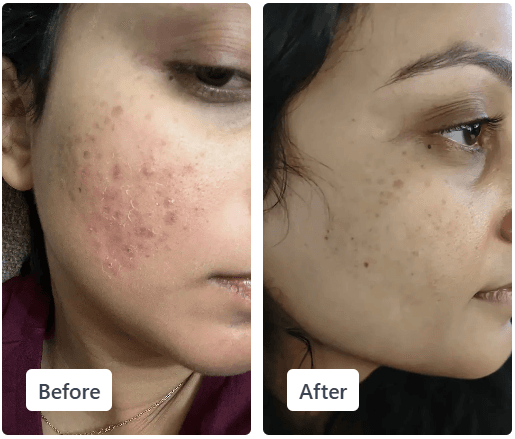
Teen skin responds gradually to a consistent blackhead routine. Most visible changes follow a predictable pattern across the first 12 weeks.
Weeks 1 to 2 - Adjustment phase: Skin may feel slightly tighter or show minor dryness as it adapts to salicylic acid. Some teens experience a temporary increase in surface blackheads - this is purging, where the active ingredient accelerates existing clogs to the surface before they would have appeared naturally. Continue the routine.
Weeks 2 to 4 - Purging peaks and resolves: New blackhead formation begins to slow. Surface shine is typically reduced within this window as sebum regulation improves. Niacinamide, if introduced in week two, begins its sebum-reduction effect at the gland level.
Weeks 4 to 6 - First visible reduction: Most teens see the biggest visible change in this window - fewer new blackheads forming and a noticeable reduction in surface shine. Existing blackheads may appear lighter as the plug loosens with regular BHA contact.
Weeks 6 to 8 - Texture improvement: Pore appearance begins to improve as congestion reduces. Skin texture is smoother. Sebum output is measurably lower for those using niacinamide consistently.
Weeks 8 to 12 - Sustained reduction: Blackhead count is typically 40 to 60 percent lower than at baseline. Pores appear smaller, skin texture is significantly improved, and occasional hormonal flare-ups clear faster because the baseline skin health is stronger.
After 12 weeks with no improvement: If blackheads are not reducing or are progressing to inflamed spots, The Clear Ritual recommends a personalised skin assessment to identify whether a different ingredient approach or prescription-strength option is needed.
Frequently Asked Questions About Teen Blackhead Skincare
Q. Is it safe for a 12-year-old to use salicylic acid on blackheads?
A. A mild rinse-off salicylic acid cleanser may be suitable for some 12-year-olds, but it should be introduced gradually with parental guidance. Stop if persistent dryness, burning, redness, or peeling occurs.
Q. What is the best blackhead routine for teenagers?
A. A simple routine usually includes gentle cleansing, one suitable blackhead treatment, a non-comedogenic moisturiser, and sunscreen in the morning. Consistency is more important than using many products.
Q. Can teenagers use pore strips for blackheads?
A. Pore strips may temporarily remove the exposed portion of a blackhead, but they do not prevent the pore from filling again. Use them sparingly and avoid them on irritated skin.
Q. Do blackhead vacuums work for teenagers?
A. Suction devices may temporarily remove surface debris, but excessive suction can cause bruising, broken capillaries, and irritation. Read whether blackhead vacuums actually work before using one.
Q. When should a teenager see a dermatologist for blackheads?
A. Seek professional advice when blackheads persist after eight to twelve weeks, become inflamed, or occur with painful spots or scarring. A dermatologist may recommend a dermatologist-approved blackhead removal routine.
Q. Can blackheads be removed permanently?
A. Blackheads can return because pores continue producing oil and shedding skin cells. A consistent routine can reduce recurrence, but no method permanently stops normal pore activity.
When Should Teenagers Get Professional Blackhead Treatment?
Professional treatment may be appropriate when blackheads remain widespread after twelve weeks of consistent care, when home extraction has caused marks, or when comedones are progressing to inflamed acne.
Dermatologists can assess whether professional blackhead extraction, a prescription retinoid, or another treatment is suitable. Extraction should be performed with sterile instruments rather than fingernails or household tools.
Choosing among the best ingredients for blackheads should depend on skin sensitivity, age, existing irritation, and whether inflammatory acne is also present.
References
- American Academy of Dermatology Association. Skin care tips for acne-prone skin.
- American Academy of Dermatology Association. Acne types and breakouts.
- National Institute for Health and Care Excellence. Acne vulgaris management.
Disclaimer: This article is for general educational purposes and does not replace personalised medical advice. A parent or guardian should help younger teenagers choose active skincare products, and persistent, painful, inflamed, or scarring acne should be assessed by a qualified dermatologist.
Editorial Standards
Clear Ritual has Strict sourcing guidelines to ensure our content is accurate and current. We rely on peer-reviewed studies, academic research institutions, and medical associations. We strive to use primary sources and refrain from using tertiary references. See a mistake? Learn More about our Editorial Standards.
Related Articles
Azithromycin for Acne: What It Is, How It Works, and Who It's For
Published 17 July 2026
Cystic Acne Home Remedies, Cure and Natural Treatment
Published 17 July 2026
How to Remove Whiteheads Permanently: Dermatologist-Approved Methods
Published 12 October 2026

Fungal Acne Ingredients to Avoid for Clearer Skin
Published 12 October 2026