Best Ingredients for Blackheads: Dermatologist-Approved Guide
Quick Answer:
Salicylic acid is the single best-studied ingredient for blackheads: it works best when paired with retinoids, niacinamide, and daily SPF. Most people see measurable reduction in blackhead density within 6–8 weeks of consistent use. Surface scrubbing and pore strips do not fix blackheads because the blockage forms below the skin surface.
What Are Blackheads and Why Do They Keep Coming Back?
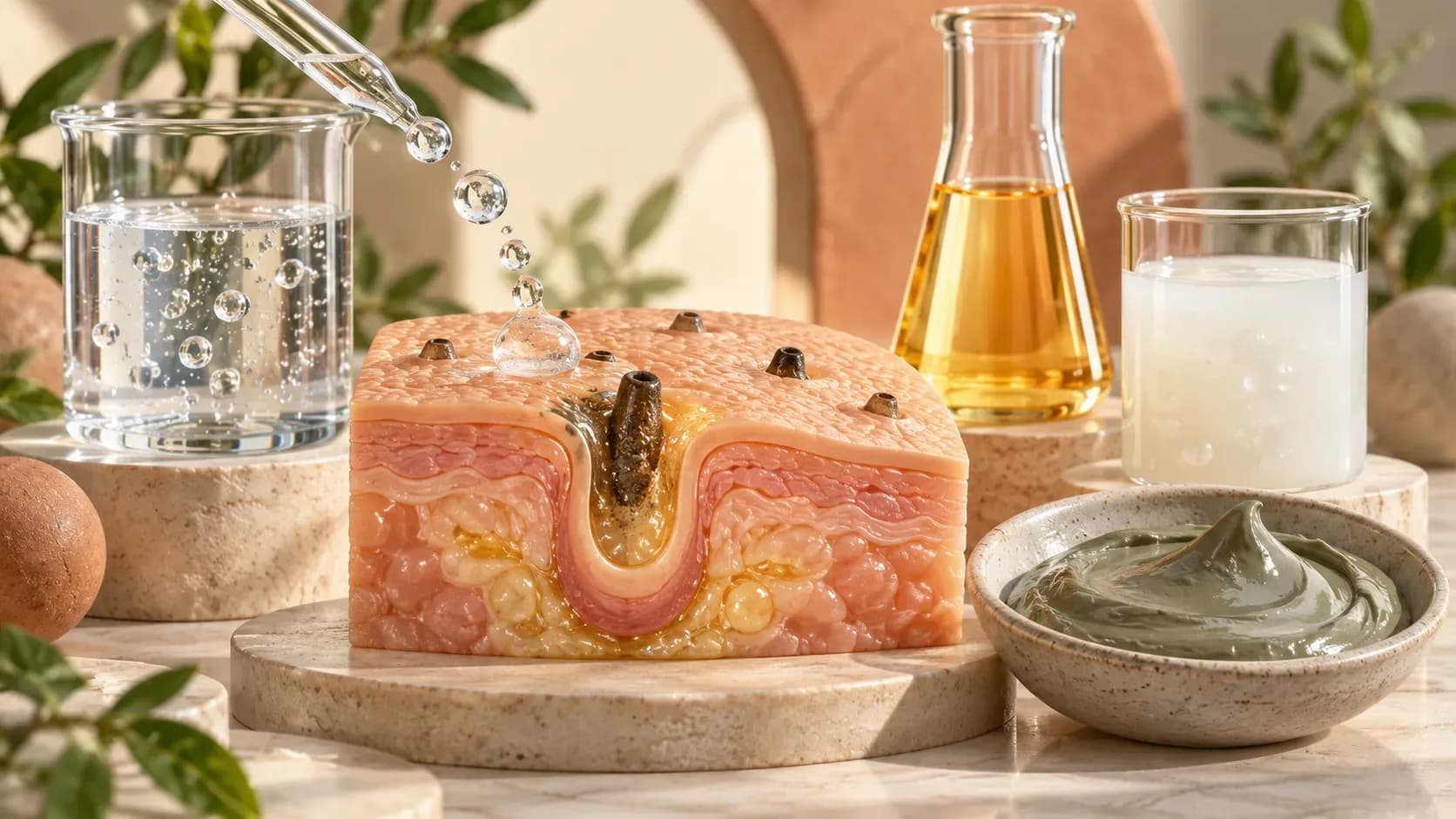
Blackheads, also called open comedones, are a type of non-inflammatory acne. They form when sebum (skin oil) and dead skin cells accumulate inside an open pore and oxidise on contact with air: turning the surface dark. The dark colour is oxidised sebum, not dirt.
They most commonly appear on the nose, forehead, and chin, where sebaceous glands are densest and most active. Because the blockage originates inside the pore: not on the surface: scrubbing the skin does not clear them. Without active ingredients that penetrate the pore and regulate oil production, the cycle repeats continuously.
Blackheads are not caused by poor hygiene. They are driven by:
- Excess sebum production linked to hormones or genetics
- Accumulation of dead skin cells that block the follicular opening
- Hormonal fluctuations during puberty, menstrual cycles, or periods of high stress
- Use of comedogenic makeup or skincare products that block pores
- Infrequent or incorrect exfoliation that allows dead cells to build up
What Causes Blackheads? The Science Explained
Blackheads form through a specific, repeatable biological process. Understanding it helps explain why certain ingredients work and others do not.
The sebaceous glands beneath each pore continuously produce sebum: an oily substance that lubricates the skin. When sebum mixes with dead skin cells inside an open follicle, the combined material can form a soft plug. Unlike whiteheads (closed comedones), the pore in a blackhead remains open, and the exposed surface oxidises in air. Oxidation turns the melanin in the plug dark: producing the characteristic black dot.
Two factors accelerate this process:
- High sebum output: oily and combination skin types, or skin under hormonal influence, produce more oil than the pore can clear naturally
- Slow cell turnover: when dead skin cells shed too slowly, they accumulate inside the follicle faster than they can be cleared
This is why dermatologists target both factors: one ingredient to dissolve existing plugs, another to accelerate cell turnover and prevent new ones.
The 8 Best Dermatologist-Approved Ingredients for Blackheads
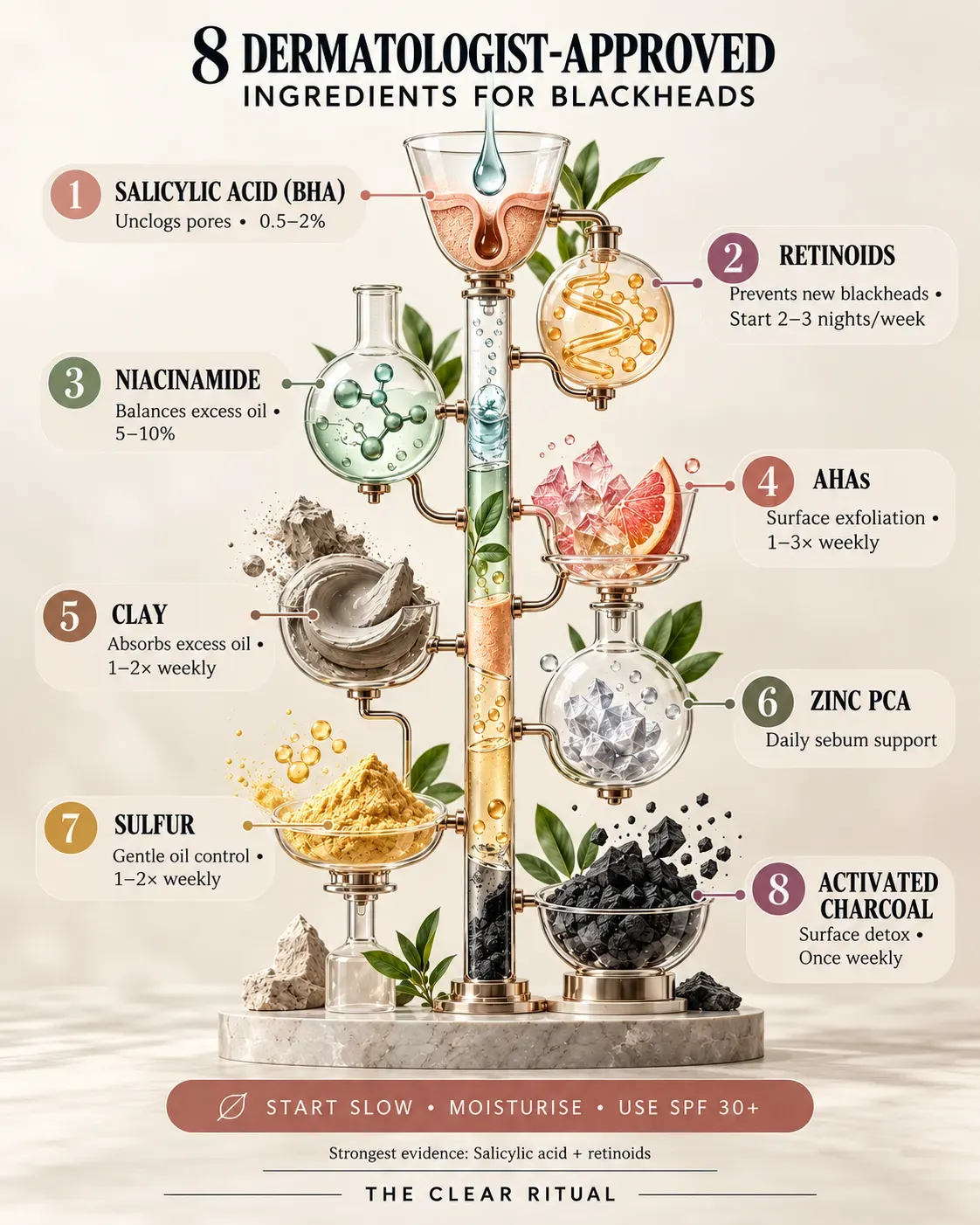
According to Clear Ritual's skincare team, these eight ingredients form the evidence base for blackhead treatment. They are ranked by strength of clinical evidence.
1. Salicylic Acid (BHA): The Pore-Penetrating Standard
Salicylic acid is a beta hydroxy acid (BHA) and the most consistently recommended ingredient for blackheads across dermatology guidelines. Its defining property is oil-solubility: unlike water-soluble acids, salicylic acid can travel through the sebum inside a pore and dissolve the blockage from within.
- Ideal concentration: 0.5–2% in leave-on toners, gels, or serums
- Frequency: Leave-on formulas 3–5 nights per week; rinse-off cleansers can be used daily
- Key benefits: Dissolves sebum plugs, prevents future blockages, reduces redness
- Precaution: Daily leave-on use of 2% can cause dryness in normal or dry skin: reduce frequency if flaking occurs
A 2006 double-blind clinical trial published in the Journal of Dermatological Treatment found that a 2% salicylic acid cleanser produced a statistically significant reduction in open comedone count versus a control cleanser after just 4 weeks.
2. Retinoids (Adapalene, Tretinoin): The Long-Term Prevention Layer
Retinoids accelerate skin cell renewal, preventing dead cells from accumulating inside follicles. They are the most effective ingredient class for preventing new blackheads from forming.
- OTC option: Adapalene 0.1% gel (available as Differin in most markets)
- Prescription options: Tretinoin or tazarotene for more resistant cases
- Frequency: Start 2–3 nights per week; increase gradually over 4–6 weeks
- Key benefits: Normalises cell turnover, clears existing blackheads, prevents comedone recurrence
- Precaution: Always follow with moisturiser and use SPF the next morning; retinoids increase UV sensitivity
A 2001 comparative study in the British Journal of Dermatology found adapalene 0.1% gel produced equivalent comedone reduction to tretinoin 0.025% with a significantly better tolerability profile: making it the recommended starting retinoid for most people.
3. Niacinamide (Vitamin B3): The Sebum Regulator
Niacinamide reduces how much oil the sebaceous glands produce. Less excess sebum means fewer pores get clogged in the first place. Clear Ritual's skincare team positions niacinamide as the oil-control layer that prevents new blackheads while salicylic acid handles existing ones.
- Ideal concentration: 5–10%
- Frequency: Daily, morning and/or evening
- Key benefits: Reduces sebum output, strengthens the skin barrier, improves tolerance to stronger actives
- Best used with: Salicylic acid, retinoids, or both
A 2017 randomised study published in the International Journal of Dermatology found that 2% topical niacinamide reduced sebum excretion rate by approximately 30% over four weeks compared to vehicle control.
Important distinction: Niacinamide does not dissolve existing blackheads: it reduces the oil supply that creates new ones. It works alongside, not instead of, salicylic acid.
4. Alpha Hydroxy Acids (AHAs): Surface Exfoliators
AHAs: primarily glycolic acid and lactic acid: dissolve the bonds between dead skin cells on the surface, preventing them from falling into pores and contributing to the next blackhead cycle.
- Best concentration for home use: 5–10%
- Frequency: 1–3 times per week, on nights you are not using a BHA or retinoid
- Best suited to: Dry, dull, or texture-prone skin
- Precaution: AHAs increase photosensitivity: SPF 30+ the following morning is non-negotiable
AHAs cannot penetrate inside a pore (they are water-soluble), so they address blackheads indirectly by removing the surface dead cell load. They are most effective used alongside salicylic acid, not as a replacement.
5. Clay (Kaolin, Bentonite): Weekly Oil Absorption
Clay absorbs excess sebum from pores and draws out surface impurities. Kaolin and bentonite are the two most common forms in skincare. Clay masks function as a weekly detox step rather than a daily active.
- Frequency: 1–2 times per week on the T-zone
- Key benefits: Reduces shine, purifies pores, improves texture
- Precaution: Do not leave clay on until it fully dries and cracks: this over-strips the skin; remove after 10–15 minutes
Bentonite clay has reasonable published evidence for oil absorption and mild pore purification, which is why it appears in dermatologist-recommended routines as a supporting tool rather than a standalone treatment.
6. Zinc PCA: The Sebum-Balancing Mineral
Zinc PCA (zinc pyrrolidone carboxylic acid) helps regulate sebum production and has mild antibacterial properties. It is suitable for oily and sensitive skin types and often found in serums or lightweight moisturisers.
- Frequency: Daily, as part of a serum or moisturiser
- Key benefits: Prevents excess oil build-up, supports skin healing, works synergistically with niacinamide and sulfur
- Best used with: Niacinamide for amplified sebum control
Zinc PCA is a supporting ingredient rather than a primary blackhead treatment: it is most valuable as part of a layered routine that includes salicylic acid or a retinoid.
7. Sulfur: The Gentle Detoxifier
Sulfur has been used in acne care for decades. It reduces oil production, draws out impurities, and promotes gentle exfoliation: making it particularly suitable for sensitive skin that cannot tolerate BHAs.
- Best format: Spot treatments or weekly masks
- Frequency: Once or twice per week
- Key benefits: Gentle oil control, mild exfoliation, low irritation potential
- Note: Sulfur has a distinctive smell but is well tolerated by most combination and sensitive skin types
Sulfur is a useful alternative or complement for people who find salicylic acid too drying: particularly for chin and nose blackheads on reactive skin.
8. Activated Charcoal: The Deep Detox Addition
Activated charcoal binds to surface debris and sebum, helping to pull impurities from pores. It is best used in cleansers or masks rather than leave-on serums.
- Frequency: Once per week alongside a mild active
- Key benefits: Removes surface impurities, complements BHA use
- Precaution: Avoid daily use: charcoal can over-dry the skin, especially in dry or sensitive types
Activated charcoal works as a supporting step, not a replacement for oil-dissolving or cell-turnover ingredients like salicylic acid and retinoids.
Which Acid Is Best for Blackheads: BHA vs AHA Compared?
Salicylic acid (BHA) is the better acid for blackheads. Its oil-solubility allows it to penetrate through sebum and dissolve the plug inside the pore: something AHAs cannot do because they are water-soluble and remain on the skin surface.
| BHA (Salicylic Acid) | AHA (Glycolic / Lactic Acid) | |
|---|---|---|
| Where it works | Inside the pore | Surface of the skin |
| Best for | Active blackheads, oily skin, enlarged pores | Texture, dullness, mild comedone prevention |
| Mechanism | Oil-soluble; dissolves sebum plug | Water-soluble; loosens dead skin cell bonds |
| Time to visible results | 2–4 weeks for active blackheads | 4–6 weeks for texture improvement |
| Skin type suitability | Oily, combination, acne-prone | Dry, dull, normal, mature |
| Concentration (home use) | 0.5–2% | 5–10% |
| Frequency | 3–5x per week | 1–3x per week |
| Key precaution | Avoid combining with retinoids on the same night | Increases sun sensitivity; always follow with SPF |
For oily or combination skin with active blackheads: Begin with a 2% salicylic acid leave-on toner, 3 nights per week. Add adapalene on alternate nights once your skin adjusts.
For dry or sensitive skin: Begin with lactic acid 5–8%, which exfoliates more gently, before introducing salicylic acid.
For both types: Neither acid replaces sunscreen. SPF 30+ the morning after any acid use is not optional.
Does Niacinamide Actually Help With Blackheads?
Yes: niacinamide helps with blackheads meaningfully, but through a different mechanism than salicylic acid. It reduces sebum production at the follicle level, which means less oil accumulates inside pores to form new blackheads.
Niacinamide does not dissolve existing blackheads. That is an important distinction. It is the prevention layer, not the clearing layer. For existing blackheads, salicylic acid or a retinoid is required.
Niacinamide's specific roles in a blackhead routine:
- Reduces sebum production: addresses the root-cause driver of pore clogging
- Strengthens the skin barrier: improves tolerance to salicylic acid and retinoids, reducing redness and peeling
- Minimises visible pore appearance over time (though it does not physically reduce pore size)
- Acts as a calming layer on retinoid nights for people with sensitive or reactive skin
A 2005 study in the International Journal of Cosmetic Science found 4% niacinamide was comparable to 1% clindamycin gel in reducing non-inflammatory acne lesions over 8 weeks.
Niacinamide is particularly valuable for people with sensitive skin who cannot tolerate daily BHA use, or for anyone using retinoids who needs a calming buffer between active nights.
What Works Best for Blackheads on the Nose?
The nose is the most common and most stubborn site for blackheads. This is because the sebaceous glands around the nose produce significantly more oil than elsewhere on the face, and the skin on the nose is thicker with naturally wider pores: meaning sebum pools inside them more easily.
What actually works for nose blackheads, according to Clear Ritual's clinical team:
- Salicylic acid 2% leave-on toner or gel, applied nightly to the nose: the nose tolerates more frequent BHA application than the cheeks because it produces more oil to buffer the acid
- Clay mask 1–2 times per week concentrated on the T-zone: draws excess sebum from enlarged nose pores before it oxidises
- Adapalene 0.1% gel, applied 2–3 nights per week to the nose: normalises cell turnover in the follicles
- Niacinamide serum daily: reduces sebum output from the overactive glands around the nose
What does not work on nose blackheads:
- Pore strips: remove the surface tip of the plug only; the root remains and the blackhead refills within days. Repeated use can damage the follicle wall
- Manual squeezing: risks permanent pore enlargement and post-inflammatory scarring
- Physical scrubs: abrasion cannot reach inside the pore and creates micro-tears that worsen the skin barrier
Do Natural Remedies Work for Blackheads? An Evidence Review
Natural remedies are a common first step: and some have partial scientific support, while others are ineffective or actively harmful. Clear Ritual's approach is to evaluate evidence honestly rather than dismissing or overstating natural options.
Natural approaches with some scientific support:
- Tea tree oil (diluted to 5%): demonstrated antimicrobial properties in peer-reviewed literature; may reduce the bacterial environment that worsens comedones. Must be diluted with a carrier oil: undiluted tea tree causes contact dermatitis
- Green tea extract: contains EGCG, which showed sebum-reducing and anti-inflammatory effects in a 2017 study in the Journal of Investigative Dermatology; useful as a complementary ingredient
- Bentonite clay: reasonable evidence for oil absorption and mild pore purification; functions well as a weekly detox step
Natural approaches that are overrated or harmful:
- Baking soda: pH of approximately 9 versus skin's ideal pH of 5; disrupts the acid mantle and worsens sebum production over time
- Lemon juice: too acidic and photosensitising; can cause phytophotodermatitis when skin is exposed to UV after application
- Egg white masks: no peer-reviewed evidence for blackhead removal; tightening sensation is temporary and superficial
- Toothpaste: contains sodium lauryl sulfate and fluoride which irritate skin without clearing pores
Tea tree oil, green tea extract, and clay can support a dermatologist-recommended routine: but they cannot replace salicylic acid or retinoids for persistent blackheads. If natural options have not produced improvement after 8 weeks, transitioning to evidence-based actives is the appropriate next step.
How to Combine Blackhead Ingredients Safely
Layering multiple actives produces better results than any single ingredient: but incorrect combinations cause irritation, barrier damage, and treatment failure. Clear Ritual recommends the following pairing guide.
| Ingredient | Safe to Combine With | Avoid on the Same Night |
|---|---|---|
| Salicylic acid | Niacinamide, clay, zinc PCA | Retinoids, AHAs |
| Retinoids | Niacinamide, moisturiser | AHAs, BHAs |
| AHAs | Niacinamide | Retinoids, BHAs |
| Niacinamide | Salicylic acid, retinoids, AHAs, zinc PCA | No major routine conflict; introduce gradually if skin is sensitive |
| Clay | Niacinamide, zinc PCA | Strong exfoliants if the mask leaves skin dry or tight |
| Sulfur | Niacinamide, moisturiser | Multiple drying treatments in the same routine |
A practical weekly schedule:
- Morning: Gentle cleanser, niacinamide, moisturiser, and broad-spectrum SPF 30+
- Night 1: Salicylic acid followed by moisturiser
- Night 2: Retinoid followed by moisturiser
- Night 3: Recovery night with cleanser and moisturiser only
- Once weekly: Clay or sulfur mask if your skin tolerates it
Start with fewer active nights and increase only when your skin remains comfortable. Burning, persistent redness, peeling, or tightness are signs that the routine is too aggressive.
How Long Do Blackhead Ingredients Take to Work?
Blackhead care requires consistency because ingredients must clear existing buildup while also changing how quickly new plugs form.
| Ingredient | What You May Notice | Typical Timeline |
|---|---|---|
| Salicylic acid | Less congestion and fewer visible blackheads | 2 to 6 weeks |
| Retinoids | Fewer new comedones and smoother texture | 8 to 12 weeks |
| Niacinamide | Reduced surface oil and improved tolerance | 4 to 8 weeks |
| AHAs | Smoother surface texture and less dullness | 4 to 6 weeks |
| Clay or sulfur | Temporary reduction in oil and shine | After use; maintenance required |
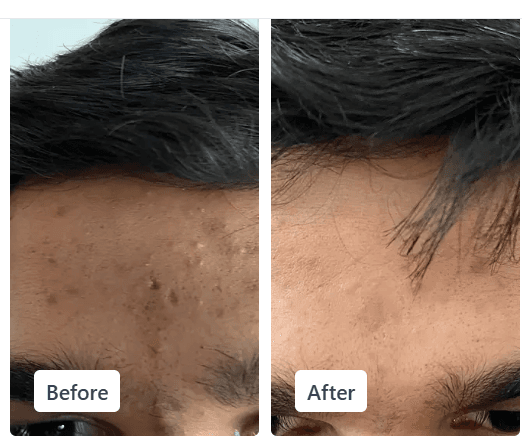
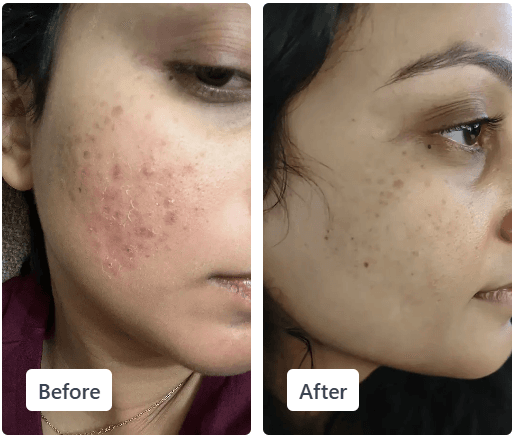
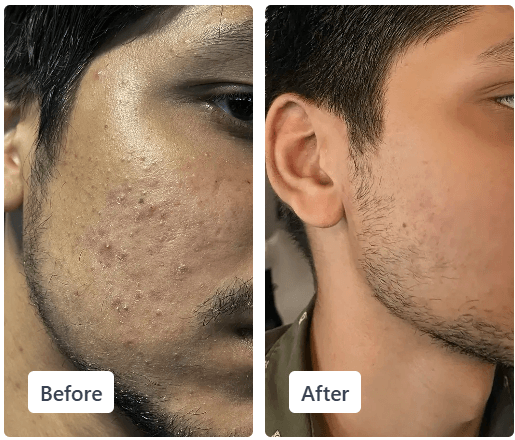
Take photographs under the same lighting every two weeks rather than checking pores daily. If there is no meaningful improvement after 8 to 12 weeks of consistent use, consult a dermatologist to confirm the diagnosis and adjust the routine.
Common Mistakes That Make Blackheads Worse
- Using too many actives together: Combining acids, scrubs, and retinoids in one routine can damage the barrier and increase irritation.
- Applying products inconsistently: Switching products every few days does not give active ingredients enough time to work.
- Squeezing blackheads: Uncontrolled pressure can injure the pore wall and leave marks.
- Skipping moisturiser: Dehydrated skin may become more reactive and less tolerant of effective ingredients.
- Ignoring sunscreen: UV exposure can worsen irritation and make post-breakout marks more visible.
- Mistaking sebaceous filaments for blackheads: Sebaceous filaments are normal pore structures and naturally refill after removal.
When Should You See a Dermatologist for Blackheads?
See a dermatologist when blackheads remain widespread after 8 to 12 weeks of consistent care, occur with painful or inflamed breakouts, or leave persistent marks and scars. Professional assessment is also useful when you are unsure whether visible dots are blackheads or sebaceous filaments.
A dermatologist may recommend prescription retinoids, carefully selected peels, or professional extraction depending on the depth of congestion and your skin sensitivity.
Clear Ritual’s Perspective on Ingredients for Blackheads
The best blackhead routine is not the one with the most ingredients. Start with one pore-clearing active, support your skin barrier, and use daily sunscreen. Salicylic acid may help clear existing congestion, while retinoids and niacinamide can help reduce the conditions that allow blackheads to return.
The Clear Ritual Skin Test can help you understand your skin type and concerns before choosing active ingredients for your routine.
Understand What Your Skin Needs
Identify your skin type and concerns to build a focused routine without unnecessary product overload.
Take the Free Skin Test
Frequently Asked Questions
1. What is the best ingredient for blackheads?
Salicylic acid is generally the most useful ingredient because it is oil-soluble and can work inside clogged pores. Retinoids and niacinamide may support longer-term prevention.
2. Can niacinamide remove blackheads?
Niacinamide does not directly dissolve existing blackheads. It may help regulate excess oil and support the skin barrier, which can reduce the conditions that lead to new blackheads.
3. Is salicylic acid or glycolic acid better for blackheads?
Salicylic acid is usually more suitable because it can penetrate oily pores. Glycolic acid mainly exfoliates the skin surface and may support texture improvement.
4. How often should you use salicylic acid for blackheads?
Many people begin with a leave-on salicylic acid product two or three nights per week and increase gradually if the skin tolerates it. Follow the product directions.
5. Can you use retinoids and salicylic acid together?
They can be used within the same weekly routine, but using them on alternate nights may reduce irritation. Introduce one active at a time and moisturise consistently.
References
- American Academy of Dermatology. Skin care tips for acne-prone skin.
- American Academy of Dermatology. Acne: Signs and symptoms.
- National Institute for Health and Care Excellence. Acne vulgaris: Management.
- National Health Service. Acne.
Disclaimer
This article is intended for general informational purposes and is not a substitute for personalised medical advice, diagnosis, or treatment. Consult a qualified dermatologist if blackheads are persistent, inflamed, painful, or associated with scarring.
Editorial Standards
Clear Ritual has Strict sourcing guidelines to ensure our content is accurate and current. We rely on peer-reviewed studies, academic research institutions, and medical associations. We strive to use primary sources and refrain from using tertiary references. See a mistake? Learn More about our Editorial Standards.
Related Articles
Best Ingredients to Treat Whiteheads (Dermatologist-Approved)
Published 21 July 2026
Best Ingredients to Treat Pimples (Salicylic Acid, Benzoyl Peroxide, etc.)
Published 21 July 2026
Ajwain’s Role in Digestive Detox: A Skincare Super Ingredient?
Published 21 July 2026
Pimple Patches: Do They Actually Work?
Published 21 July 2026