Best Ingredients to Treat Pimples (Salicylic Acid, Benzoyl Peroxide, etc.)
Pimples form when pores become clogged with excess sebum, dead skin cells, and bacteria, triggering inflammation. The most effective treatment ingredients target this process from different angles: salicylic acid dissolves oil and buildup inside pores, benzoyl peroxide kills acne-causing bacteria, niacinamide calms inflammation and strengthens the skin barrier, and retinoids speed up cell turnover to prevent new clogs. Alpha hydroxy acids, azelaic acid, sulfur, and tea tree oil offer additional exfoliating and antibacterial support, and combining ingredients works best when introduced gradually.
- Salicylic acid dissolves oil and dead skin buildup inside pores
- Benzoyl peroxide kills acne-causing bacteria and reduces inflammation
- Niacinamide strengthens the skin barrier and calms redness
- Retinoids speed up cell turnover to prevent clogged pores
What Happens Inside Your Skin When Pimples Form
Understanding how pimples develop helps you choose the right treatment ingredients. Your skin constantly produces sebum, an oily substance that protects and moisturizes. When sebum production increases, often triggered by hormones, stress, or dietary factors, it can mix with dead skin cells that haven't shed properly. This combination plugs the pore opening.
Beneath this plug, an environment forms where Cutibacterium acnes bacteria thrive. These bacteria feed on sebum and multiply rapidly in the oxygen-deprived space. Your immune system detects this bacterial growth and sends white blood cells to fight the infection. This immune response creates the redness, swelling, and pus that characterize visible pimples.
The skin barrier also plays a critical role. When compromised by over-washing, harsh products, or environmental stressors like pollution, the barrier becomes more permeable. This allows irritants to penetrate deeper while moisture escapes, creating a cycle of inflammation and oil overproduction that worsens breakouts.
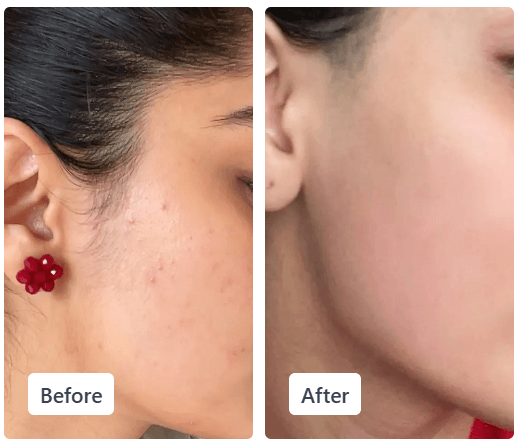
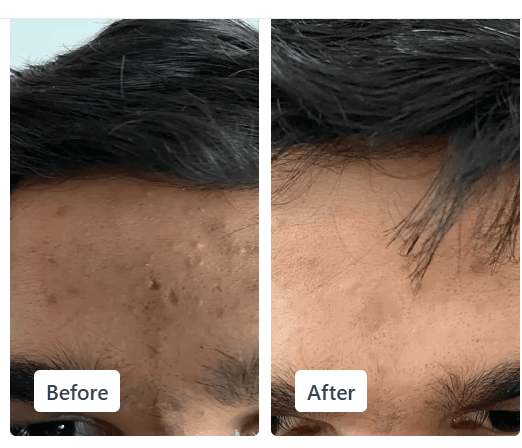
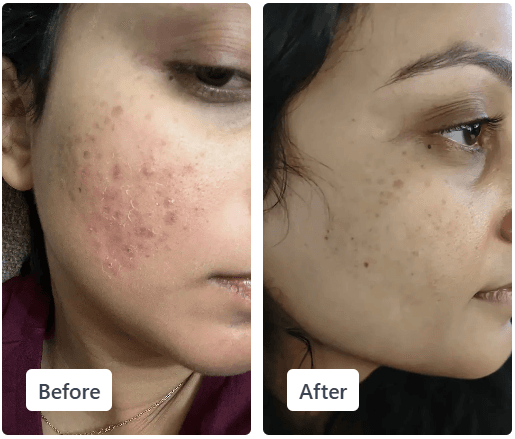
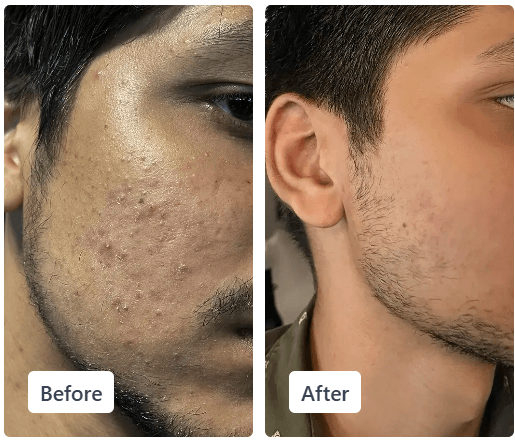
See real results, then start your own
Take the free Clear Ritual Skin Test and get a personalized routine built for your skin's unique patterns.
Salicylic Acid: The Pore-Clearing Powerhouse
Salicylic acid belongs to a group called beta hydroxy acids. Unlike water-based exfoliants that work on the skin surface, salicylic acid is oil-soluble, meaning it penetrates into sebum-filled pores. Once inside, it breaks down the bonds holding dead skin cells together, allowing them to shed more easily and preventing the initial plug formation.
This ingredient works particularly well for blackheads and whiteheads because it directly addresses the clogged pore issue. It also has anti-inflammatory properties that reduce the swelling and redness around active pimples. Concentrations between 0.5% and 2% are common in over-the-counter products.
Your skin may experience mild dryness or flaking when you first start using salicylic acid. This happens because the increased cell turnover temporarily disrupts your skin's moisture balance. Starting with lower concentrations a few times per week allows your skin to adjust. Avoid combining salicylic acid with other strong exfoliants initially, as this can strip the lipid barrier and trigger more oil production as a compensatory response.
Benzoyl Peroxide: Bacteria-Fighting Action
Benzoyl peroxide attacks pimples through a different mechanism. It releases oxygen into the pore, creating an environment where C. acnes bacteria cannot survive. These bacteria are anaerobic, meaning they thrive without oxygen. By flooding the pore with oxygen molecules, benzoyl peroxide significantly reduces bacterial populations.
Additionally, benzoyl peroxide has mild exfoliating properties that help clear dead skin cells from pore openings. It also reduces inflammation by calming the immune response around infected pores. Products containing 2.5% to 10% benzoyl peroxide are available, though research shows lower concentrations can be equally effective with less irritation.
One consideration with benzoyl peroxide is its potential to bleach fabrics, so apply it carefully and allow it to dry completely before contact with towels or pillowcases. Some people experience dryness, peeling, or redness when starting treatment. This occurs because benzoyl peroxide can temporarily disrupt the skin barrier. Using a non-comedogenic moisturizer helps maintain barrier integrity while your skin adjusts.
See real results, then start your own
Take the free Clear Ritual Skin Test and get a personalized routine built for your skin's unique patterns.
Niacinamide: The Multi-Benefit Soother
Niacinamide, a form of vitamin B3, offers multiple benefits for pimple-prone skin without the harshness of traditional acne treatments. It regulates sebum production by affecting the sebaceous glands directly, reducing the amount of oil available to clog pores. Unlike ingredients that strip oil from the surface, niacinamide addresses production at the source.
This ingredient also strengthens the skin barrier by increasing ceramide synthesis. Ceramide complex are lipid molecules that form the protective outer layer of your skin. When this barrier functions properly, it prevents irritants from penetrating while maintaining moisture balance. A healthy barrier means less inflammation and fewer breakouts triggered by environmental factors.
Niacinamide reduces inflammation through multiple pathways, calming both the redness around active pimples and the general skin sensitivity that makes breakouts worse. It works well with other acne ingredients and rarely causes irritation, making it suitable for combination approaches. Concentrations between 2% and 5% show clear benefits in research studies.
Retinoids: Cell Turnover Accelerators
Retinoids include retinol, adapalene, and prescription-strength tretinoin. These vitamin A derivatives speed up the rate at which your skin cells turn over. Normally, skin cells take about 28 days to move from the deeper layers to the surface and shed. Retinoids accelerate this process, preventing dead cells from accumulating and clogging pores.
They also affect sebum production and reduce the size of sebaceous glands over time. By thinning the outer layer of skin and preventing the initial blockage, retinoids address pimples before they form. This makes them particularly effective for preventing new breakouts rather than just treating existing ones.
Starting with retinoids requires patience and gradual introduction. Your skin may experience a purging phase where existing clogged pores surface as pimples more quickly. This temporary worsening typically resolves within four to six weeks. Retinoids also increase photosensitivity, making your skin more vulnerable to UV damage. Using them at night and applying broad-spectrum sun protection during the day prevents additional inflammation and pigmentation issues that can worsen post-acne marks.
Alpha Hydroxy Acids: Surface Exfoliation
Alpha hydroxy acids like glycolic acid and lactic acid work on the skin surface rather than deep in pores. They dissolve the bonds between dead skin cells, promoting even shedding and preventing the rough, bumpy texture that often accompanies pimple-prone skin. By keeping the surface smooth, they help other ingredients penetrate more effectively.
Glycolic acid has the smallest molecular size among AHAs, allowing deeper penetration into the upper skin layers. It addresses both active breakouts and the pigmentation that often remains after pimples heal. Lactic acid offers gentler exfoliation with additional humectant properties that help maintain moisture.
These acids work best for surface-level concerns like texture, mild clogging, and post-inflammatory marks. They're less effective for deep, cystic breakouts that originate in the lower skin layers. Combining AHAs with other treatments requires careful timing, using them on different days or at different times of day prevents over-exfoliation that weakens the skin barrier and increases transepidermal water loss.
Azelaic Acid: The Gentle Multi-Tasker
Azelaic acid offers antibacterial, anti-inflammatory, and exfoliating benefits with minimal irritation. It reduces C. acnes populations while also inhibiting an enzyme called tyrosinase, which is involved in pigment production. This dual action makes it particularly useful when pimples leave dark marks behind.
Unlike some stronger treatments, azelaic acid doesn't cause significant photosensitivity or dramatically disrupt the skin barrier. It works by normalizing keratinization, the process by which skin cells mature and shed. When this process functions properly, pores remain clear and inflammation decreases.
Concentrations of 10% to 20% are available in various formulations. Some people notice a slight tingling sensation upon application, which typically subsides as skin adapts. Azelaic acid works well in combination with other ingredients and is suitable for sensitive skin types that cannot tolerate stronger options.
Sulfur: Traditional Yet Effective
Sulfur has been used for skin concerns for centuries. It absorbs excess sebum from the skin surface and has mild antibacterial properties that reduce pore-dwelling bacteria. Sulfur also promotes gentle exfoliation by loosening the bonds between dead skin cells.
Modern formulations mask the characteristic sulfur smell that made older products unpleasant. Concentrations between 3% and 10% are common in spot treatments, masks, and cleansers. Sulfur works more slowly than benzoyl peroxide but causes less dryness for many people.
This ingredient suits those who experience irritation from stronger treatments or want a gentler maintenance option after clearing more severe breakouts. It won't address deep cystic pimples effectively but helps manage surface-level bumps and prevents new comedones from forming.
Tea Tree Oil: Natural Antimicrobial Option
Tea tree oil contains compounds called terpenes that have antimicrobial and anti-inflammatory properties. Research shows that 5% tea tree oil can reduce pimple counts, though it works more slowly than benzoyl peroxide. It may suit people seeking plant-based options or those with skin too sensitive for conventional treatments.
Always dilute tea tree oil before applying it to skin, as the undiluted form can cause severe irritation and allergic reactions. Carrier oils like jojoba or lightweight lotions reduce concentration to safer levels while still delivering benefits. Patch testing on a small skin area before full application identifies potential sensitivities.
The antimicrobial action doesn't discriminate between harmful and beneficial bacteria, so long-term use may affect the skin microbiome balance. Alternating with other treatments or using it as a spot treatment rather than all-over application preserves microbial diversity that supports healthy skin function.
How to Combine Ingredients Without Irritation
Understanding ingredient interactions prevents the over-treatment that damages the skin barrier and worsens breakouts. Some combinations work synergistically while others cause excessive dryness, peeling, or inflammation.
Effective Ingredient Combinations:
| Morning Routine | Evening Routine | Why It Works |
|---|---|---|
| Niacinamide + Azelaic Acid | Retinoid | Niacinamide supports the skin barrier while azelaic acid helps brighten the skin; retinoids work overnight to support cell turnover. |
| Benzoyl Peroxide (spot) + Niacinamide | Salicylic Acid | Morning use helps control acne-causing bacteria with barrier support, while evening salicylic acid helps clear pores. |
| Vitamin C + Niacinamide | Adapalene | Vitamin C provides antioxidant protection during the day, while adapalene supports overnight skin renewal and cell turnover. |
Combinations to Avoid:
- Benzoyl peroxide with retinoids (can deactivate each other)
- Multiple strong exfoliants together (strips barrier)
- Vitamin C with AHAs (pH conflict reduces effectiveness)
Start with one active ingredient and add others gradually over several weeks. This allows you to identify which ingredients your skin tolerates and which combinations provide the best results without irritation.
Lifestyle Factors That Influence Treatment Success
Ingredients work more effectively when combined with habits that support skin health. Sleep deprivation increases cortisol levels, which stimulates sebaceous glands to produce more oil. Chronic stress triggers inflammatory pathways that worsen existing breakouts and slow healing.
Dietary patterns also matter. High glycemic foods cause rapid blood sugar spikes that increase insulin and insulin-like growth factor, both of which stimulate oil production and inflammation. Some people notice correlations between dairy consumption and breakouts, possibly due to hormones naturally present in milk products or the insulin response they trigger.
Touching your face transfers bacteria and irritants from hands to skin. Friction from masks, helmets, or phone screens creates localized pressure and heat that trap sweat and bacteria against pores. Washing items that regularly contact your face [pillowcases, makeup brushes, phone screens] reduces repeated exposure to bacteria.
Hydration affects how well your skin barrier functions. When dehydrated, your skin produces more oil to compensate for moisture loss, creating a paradox where oily skin is actually moisture-starved. Drinking adequate water and using appropriate moisturizers maintains barrier integrity.
When Over-the-Counter Ingredients Aren't Enough
Some pimple patterns signal the need for professional evaluation. Deep, painful nodules that don't come to a head indicate inflammation in the lower skin layers that topical ingredients cannot reach effectively. Prescription options like oral antibiotics, hormonal treatments, or isotretinoin address these deeper concerns through internal pathways.
Pimples that leave significant scarring require early intervention to prevent permanent texture changes. A dermatologist can provide treatments that reduce inflammation more quickly, minimizing the depth and duration of each breakout. They also offer procedures like chemical peels, microneedling, or laser treatments that address existing scarring.
If you've used appropriate ingredients consistently for three months without improvement, the underlying triggers may require investigation. Hormonal imbalances, medication side effects, or undiagnosed conditions like polycystic ovary syndrome can cause persistent breakouts that don't respond to topical treatments alone.
Sudden onset of severe pimples in adulthood, especially if accompanied by other symptoms like irregular periods or unusual hair growth, warrants medical evaluation. These patterns may indicate hormonal conditions that need specific treatment approaches beyond skin care.
Building an Effective Routine
An effective pimple-treatment routine balances active ingredients with barrier support. Start with a gentle, non-foaming cleanser that removes excess oil and debris without stripping the skin. Harsh cleansers that leave skin feeling tight and squeaky clean actually compromise the acid mantle, a slightly acidic surface layer that protects against bacteria.
Apply active ingredients to dry skin, as damp skin increases penetration and potential irritation. If using multiple actives, layer from thinnest to thickest consistency, allowing each to absorb before applying the next. Spot treatments with higher concentrations should go on after lighter serums but before moisturizer.
Moisturizer is not optional for pimple-prone skin. Choose non-comedogenic formulations that contain humectants like hyaluronic acid to draw moisture in and occlusives like squalane to prevent water loss. A functioning barrier reduces the inflammation that worsens breakouts and prevents the compensatory oil production triggered by dryness.
Morning sun protection is essential, especially when using exfoliating ingredients or retinoids. UV exposure increases inflammation, worsens post-pimple pigmentation, and can cause burns when skin is sensitized by active ingredients. Mineral sunscreens with zinc oxide or titanium dioxide won't clog pores or trigger additional breakouts.
How Clear Ritual Supports Personalized Skincare Decisions
Clear Ritual understands that pimples are more than a surface issue. They stem from multiple internal factors working together, including hormonal fluctuations, chronic stress, inflammatory dietary patterns, sleep disruption, and genetic predispositions.
Because pimples form when pores become clogged with excess sebum, dead skin cells, and bacteria, generic solutions rarely bring lasting improvement. Clear Ritual combines Ayurvedic principles, modern dermatology insights, and advanced skin science to identify individual trigger patterns and address the underlying causes of pimples rather than just the visible breakouts.
The Clear Ritual Skin Test analyses your skin's unique patterns and daily influences to help identify why certain ingredients work for some people but not others, and to support a more targeted, lasting approach to reducing pimple recurrence.
Editorial Standards
Clear Ritual has Strict sourcing guidelines to ensure our content is accurate and current. We rely on peer-reviewed studies, academic research institutions, and medical associations. We strive to use primary sources and refrain from using tertiary references. See a mistake? Learn More about our Editorial Standards.