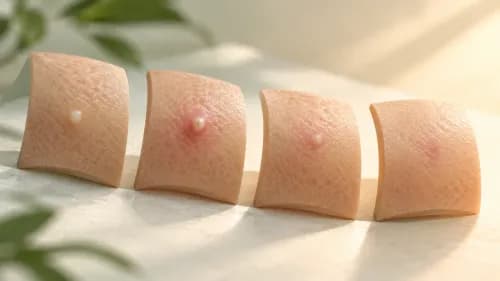
Liver Detox for Acne: Does It Actually Work?

No - a liver detox will not clear your acne. Acne forms inside your pores from excess oil, dead skin cells, and bacteria, not from toxins your liver failed to remove. Your liver already detoxifies itself continuously and efficiently. Unless you have a diagnosed liver disease, it is not the reason you are breaking out.
That said, the liver does play real, indirect roles in skin health - through hormone metabolism and inflammation - and genuine liver conditions like non-alcoholic fatty liver disease (NAFLD) can have indirect links to skin changes. Understanding the difference between that real connection and the unfounded "detox" claim is what helps you choose treatments that actually work.
What you need to know at a glance:
- Liver detox programs have no clinical evidence for improving acne in people with normal liver function
- Acne's four root causes - excess sebum, abnormal cell shedding, bacteria, and inflammation - are unaffected by detox protocols
- Fatty liver disease (NAFLD) may indirectly worsen hormonal acne through metabolic pathways, but this requires medical management, not a juice cleanse
- Evidence-based treatments like retinoids and benzoyl peroxide address the actual biology of breakouts and typically show results within 6-12 weeks
What Is a Liver Detox?
A liver detox typically refers to dietary changes, supplements, or fasting protocols marketed to "cleanse" the liver of accumulated toxins. These programs often include herbal teas, juice cleanses, activated charcoal, milk thistle, dandelion root, or restrictive elimination diets.
The premise suggests that toxins build up in the liver over time - from processed foods, alcohol, medications, or environmental pollutants - and that this toxic burden then manifests as skin problems like acne.
However, your liver is already a self-cleaning organ. It continuously filters blood, metabolizes nutrients, breaks down hormones, and eliminates waste products through bile and urine. Unless you have a diagnosed liver condition like cirrhosis or hepatitis, your liver performs these functions efficiently without any external intervention.
The core issue with liver detox claims:
- No specific toxins are identified or measured in these programs
- "Cleansing" and "flushing toxins" are marketing terms with no clinical definitions
- Commercial detox kits lack peer-reviewed evidence supporting their mechanism of action
- Many supplement ingredients are unregulated and carry their own health risks
According to The Clear Ritual's skin health team, the absence of measurable targets makes liver detox programs impossible to evaluate scientifically - and impossible to credit when skin appears to improve.
How Does Acne Actually Develop?
Acne develops inside the pilosebaceous unit - the hair follicle and its attached oil gland - through four primary biological processes that have no connection to liver toxin accumulation.
Excess sebum production. Hormones, particularly androgens, signal sebaceous glands to overproduce oil. This creates an oily, oxygen-poor environment inside the pore that sets the stage for blockage.
Abnormal skin cell shedding. Dead skin cells that normally shed and exit the pore instead stick together, forming a plug that traps oil inside the follicle.
Bacterial overgrowth. Cutibacterium acnes bacteria thrive in the oxygen-poor, oil-rich environment created by the first two factors, multiplying rapidly and releasing inflammatory waste products.
Inflammation. The immune system responds to bacterial byproducts and cellular debris, triggering redness, swelling, and the formation of pustules or cysts.
External factors that amplify these processes:
- Stress elevates cortisol, which increases both inflammation and oil production
- High glycemic foods spike insulin, which amplifies androgen activity in sebaceous glands
- Poor sleep disrupts skin barrier repair cycles
- Friction from masks, phones, or pillowcases deposits bacteria and irritates follicles
- Over-washing strips protective lipids, prompting compensatory oil overproduction
None of these mechanisms involve liver dysfunction or toxin accumulation. The biology of acne formation is well-documented and does not include a role for a "sluggish" or "toxic" liver in otherwise healthy individuals.
What Is "Liver Acne" - And Does It Actually Exist?
"Liver acne" is not a clinical diagnosis. No dermatology textbook or peer-reviewed classification system recognises it as a distinct acne type.
The term circulates in wellness communities and alternative medicine to describe breakouts - typically on the cheeks, jawline, or back - that are attributed to poor liver function or toxin overload. The concept draws on "face mapping," an ancient practice and modern wellness trend that links specific facial zones to internal organs.
What does face mapping actually say about the liver?
Traditional Chinese medicine and some Ayurvedic frameworks map the right cheek and certain areas around the nose to the liver. Proponents claim that persistent breakouts in these areas signal liver stress. However, a 2019 review in the Journal of the American Academy of Dermatology found no scientific basis for face-mapping-based acne diagnosis.
Why breakouts cluster on the cheeks and jawline:
Breakouts concentrate in zones often labelled "liver acne" because of local biology, not organ mapping:
- The cheeks, forehead, and jawline have the highest density of sebaceous glands on the face
- Hormonal fluctuations - particularly androgen surges - directly activate these gland-dense areas
- Friction from phones, masks, or pillowcases deposits bacteria and blocks pores in these zones
- Comedogenic skincare products create localised blockages wherever they are applied
- Stress-driven cortisol spikes increase oil output across the entire sebaceous network
The Clear Ritual team notes one key fact: if you have acne on your cheeks, jaw, or back, the cause is almost certainly inside your pores - not inside your liver. Treating it means targeting sebum, bacteria, and inflammation directly.
What Is the Real Connection Between the Liver and Skin Health?
The liver does play legitimate, indirect roles in skin health - but these are distinct from the unsubstantiated "detox" claims made by wellness marketing.
Hormone metabolism. The liver breaks down excess estrogen, testosterone, and cortisol. When liver function is genuinely impaired - as in cirrhosis or severe fatty liver disease - hormones may metabolize less efficiently, potentially worsening hormonal acne. This occurs only with significant, diagnosed liver disease, not the mild "sluggishness" that detox programs claim to address.
Nutrient processing. The liver converts beta-carotene to active vitamin A, stores vitamin D, and synthesizes proteins needed for skin repair. Severe malnutrition or advanced liver disease can affect skin health meaningfully, but these conditions require medical diagnosis and treatment - not a juice cleanse.
Inflammatory mediators. The liver produces C-reactive protein and other systemic inflammatory markers. Chronic low-grade inflammation from metabolic syndrome or fatty liver disease may contribute to systemic inflammation that indirectly influences skin conditions. This connection is complex and indirect.
What blood tests actually show in acne patients:
For the vast majority of people with acne, liver function is completely normal. Blood tests measuring liver enzymes - ALT (alanine aminotransferase) and AST (aspartate aminotransferase) - in acne patients typically show no abnormalities. Elevated liver enzymes in an otherwise healthy acne patient are rare and would indicate the need for medical investigation, not a detox product.
Can Fatty Liver Disease Cause or Worsen Acne?
Fatty liver disease (NAFLD) does not directly cause acne, but both conditions share root mechanisms - insulin resistance and systemic inflammation - that can make breakouts more frequent or severe.
NAFLD is the most common liver condition worldwide, affecting roughly 25% of the global population according to a 2022 meta-analysis in the Journal of Hepatology. Because NAFLD is so prevalent and acne is so common, researchers have examined whether the two conditions share biological links.
The shared biology between fatty liver and acne:
Insulin resistance. NAFLD is strongly associated with insulin resistance. Elevated insulin stimulates insulin-like growth factor 1 (IGF-1), which amplifies androgen signalling in sebaceous glands. More androgens means more sebum production and more clogged pores - the same pathway activated by high-glycemic foods.
Systemic inflammation. A fatty liver releases pro-inflammatory cytokines - particularly TNF-α and IL-6 - into circulation. Chronic low-grade inflammation from these cytokines can worsen the inflammatory component of acne lesions (pustules, cysts) even when the liver is not the original trigger.
Hormonal metabolism. A liver compromised by fat accumulation may process estrogen and testosterone less efficiently. In both men and women, this can shift hormonal balance toward higher androgen activity - a recognised driver of hormonal acne.
What the research shows:
A 2021 study published in Skin Pharmacology and Physiology found that adult acne patients had significantly higher rates of metabolic syndrome components - including elevated liver enzymes - compared to controls. However, the study noted that the direction of causality is unclear: metabolic syndrome may predispose to acne, or acne-prone patients may share metabolic risk factors independently.
Critically, no study has shown that treating fatty liver directly clears acne. The improvement pathway, if any, runs through correcting insulin resistance and systemic inflammation - which happens through sustainable dietary change, weight management, and medical treatment of NAFLD, not through a three-day juice cleanse.
If you have diagnosed NAFLD and persistent acne:
- Standard acne treatments - retinoids, benzoyl peroxide, hormonal therapies - remain appropriate
- A low-glycemic diet addresses shared insulin-resistance pathways in both conditions
- Avoid high-dose biotin supplements, which some evidence links to worsened acne
- Liver enzyme blood tests (ALT, AST, GGT) may be appropriate if adult-onset hormonal acne is severe and unresponsive to standard treatment
- Managing NAFLD through diet, exercise, and medical guidance benefits metabolic health broadly - and may indirectly reduce inflammatory acne - but this is not the same as a liver detox working
Why Do Liver Detox Claims Persist in Acne Discussions?
Several factors keep liver detox myths alive despite the absence of clinical evidence.
Anecdotal improvements. Some people genuinely report clearer skin after a detox program. However, these changes most likely result from other modifications made simultaneously: eliminating dairy, reducing high-glycemic foods, increasing water intake, cutting alcohol, or improving sleep. The liver detox itself is a passenger, not the driver of any improvement.
Placebo effect. Believing a treatment will work can temporarily reduce stress, improve sleep quality, and encourage better overall self-care - all of which may improve skin appearance independently of the detox protocol.
Vague marketing language. Terms like "purifying," "cleansing," and "flushing toxins" sound scientific but carry no specific, measurable definitions. No detox program specifies which toxins are targeted, how their levels are measured before and after, or what concentration would constitute a problem in the first place.
Misattributing breakouts. Some detox programs cause initial breakouts due to dietary changes, new supplement ingredients, or disruption of the gut microbiome. Marketers reframe this as "purging toxins," when it is more accurately explained by irritation, blood sugar instability, or coincidence with a natural acne cycle.
Confirmation bias. People who try liver detoxes while their acne is already naturally declining - as acne cycles often do - may attribute the improvement to the cleanse rather than recognising spontaneous fluctuation.
The Clear Ritual's approach is to separate what the evidence supports from what marketing language implies - because understanding the difference puts acne management back in the patient's control.
Understand What Your Skin Needs
Take the Clear Ritual Skin Test to identify your skin type, concerns, and potential triggers before building your routine.
Take the Free Skin Test
What Evidence-Based Treatments Actually Clear Acne?
Evidence-based acne treatment targets the four core factors - sebum, dead skin cells, bacteria, and inflammation - with ingredients whose mechanisms are clinically documented.
Over-the-counter options:
Topical retinoids. Derivatives of vitamin A that normalize skin cell turnover, preventing pores from clogging. They also reduce inflammation and improve skin texture over time. Adapalene 0.1% gel is now available over-the-counter in many countries and is the recommended starting retinoid for most patients.
Benzoyl peroxide. An antimicrobial agent that kills C. acnes bacteria and helps unclog pores. Available in concentrations from 2.5% to 10%. Starting at 2.5% minimizes dryness while delivering effective bacterial reduction within 4-6 weeks.
Salicylic acid. A beta-hydroxy acid that penetrates oil-filled pores, dissolving the sticky plugs of dead skin cells that form comedones.
Azelaic acid. Reduces inflammation, kills bacteria, and lightens post-inflammatory hyperpigmentation left by previous breakouts. Suitable for sensitive skin types.
Niacinamide. A form of vitamin B3 that reduces inflammation, regulates sebum production, and strengthens the skin barrier without causing irritation.
Prescription options for moderate to severe acne:
Topical or oral antibiotics. Reduce bacterial overgrowth and inflammation; typically used for a defined period of 3-6 months alongside other treatments to limit resistance.
Hormonal therapies. Combined oral contraceptives or anti-androgen medications like spironolactone reduce oil production driven by hormonal fluctuations. Most appropriate for adult women with jawline or chin-dominant acne that worsens before menstruation.
Isotretinoin. A powerful oral retinoid reserved for severe, treatment-resistant, or scarring acne. Permanently shrinks sebaceous glands and dramatically reduces oil production. Typically produces substantial clearing within 4-6 months.
These treatments work because they address the biological processes that create acne. A liver detox addresses none of them.
How a Low-Glycemic Diet and Nutrition Changes Help Acne
Some dietary modifications genuinely improve acne for certain individuals - not because they detox the liver, but because they reduce hormonal triggers and systemic inflammation through documented pathways.
Lowering glycemic load. High-sugar and refined-carbohydrate foods spike insulin and IGF-1, which in turn amplifies androgen activity and sebum production. Research published in the American Journal of Clinical Nutrition (2007) found that a low-glycemic diet reduced total acne lesion counts by 21.9% over 12 weeks compared to a control diet. Replacing white bread, pastries, and sugary drinks with whole grains, legumes, and vegetables stabilizes blood sugar and may reduce breakout frequency.
Evaluating dairy intake. Some research links dairy consumption - particularly skim milk - to increased acne severity. The proposed mechanism involves hormones naturally present in milk and milk's effect on IGF-1. Eliminating dairy for a consistent 4-week period can reveal whether it is a personal trigger.
Reducing inflammatory foods. Trans fats and excessive omega-6 fatty acids promote the inflammatory pathways that drive acne lesion formation. Emphasizing omega-3-rich foods - fatty fish, walnuts, flaxseeds - may help balance these pathways.
Addressing nutritional deficiencies. Low zinc and low vitamin D are both associated with more severe acne in observational studies. A blood panel can confirm whether deficiency exists before supplementing.
Identifying individual sensitivities. Some people react to specific foods - whether gluten, certain additives, or high-histamine foods. Keeping a food-symptom diary for 4-6 weeks helps identify personal patterns without eliminating entire food groups unnecessarily.
These dietary approaches work through mechanisms directly related to sebum production, androgen signalling, and inflammation - not through liver detoxification.
How to Get Rid of Acne You Think Is Liver-Related: A Step-by-Step Guide
If you have been researching liver detoxes for acne, you are likely dealing with persistent breakouts that have not responded to basic skincare. Here is what to actually do, based on the biology of acne rather than the mythology of liver cleansing.
Step 1: Use the right actives consistently - weeks 1 to 4
Most over-the-counter routines fail not because they are wrong, but because they are not given enough time or applied correctly. Confirm you are using:
- Adapalene 0.1% gel every other night, built up to nightly over 4 weeks
- Benzoyl peroxide 2.5% in the morning to reduce C. acnes bacteria
- A non-comedogenic moisturiser to prevent barrier disruption and compensatory oil production
Initial improvement is typically visible within 6-8 weeks. If no improvement appears after 12 consistent weeks, move to Step 2.
Step 2: Identify internal dietary triggers - weeks 4 to 8
- Reduce high-glycemic foods for 4 consecutive weeks and note any change in new breakouts.
- If dairy appears to be a personal trigger, remove it for 4 weeks while keeping the rest of your routine stable.
- Keep a food and symptom diary rather than eliminating several food groups at once.
Do not use restrictive detox diets to test food triggers. They make it difficult to identify which change affected your skin and can create nutritional gaps.
Step 3: Assess hormonal and metabolic clues - weeks 8 to 12
Speak with a qualified clinician if acne is concentrated around the jawline, follows the menstrual cycle, begins suddenly in adulthood, or occurs with irregular periods, increased facial hair, unexplained weight changes, or signs of insulin resistance.
Blood tests are not routinely required for every person with acne. A clinician may recommend testing when symptoms suggest PCOS, metabolic disease, or genuine liver dysfunction.
Step 4: Escalate treatment when needed - after 12 weeks
If a consistent routine has not improved your acne after 12 weeks, see a dermatologist. Painful cystic acne, deep nodules, scarring, or rapidly worsening breakouts should be assessed earlier.
A dermatologist can confirm the diagnosis and determine whether prescription retinoids, antibiotics, hormonal treatment, or isotretinoin are appropriate.
Are Liver Detox Supplements Safe?
Liver detox supplements are not automatically safe because they are labelled natural. Products may contain concentrated herbal extracts, multiple ingredients, or doses that have not been tested together.
- Some supplements can interact with prescription medicines.
- High-dose herbal extracts may irritate the digestive system or affect liver enzymes.
- Activated charcoal can reduce the absorption of medicines and nutrients.
- Restrictive cleanses may cause dehydration, blood sugar changes, dizziness, or nutritional deficiencies.
- Supplement quality and ingredient accuracy can vary between products.
If you have diagnosed liver disease, do not use a detox supplement without discussing it with your treating doctor. Symptoms such as yellowing of the eyes or skin, dark urine, pale stools, abdominal swelling, persistent nausea, or unexplained fatigue require medical evaluation.
Liver Detox Claims vs. Acne Evidence
| Common Claim | What the Evidence Supports |
|---|---|
| Toxins leave the body through acne. | Acne develops when pores become blocked by sebum and dead skin cells, followed by bacterial growth and inflammation. |
| A juice cleanse removes the cause of acne. | No clinical evidence shows that juice cleanses treat acne or improve normal liver detoxification. |
| Breakouts during a detox are toxin purging. | New breakouts may reflect irritation, supplement ingredients, dietary changes, or the natural acne cycle. |
| Cheek acne proves the liver is unhealthy. | Breakout location alone cannot diagnose liver disease. |
| Clearer skin after a detox proves it worked. | Simultaneous changes in alcohol, sugar, dairy, sleep, hydration, or skincare may explain improvement. |
When Should You See a Doctor?
Consult a dermatologist when acne is painful, deep, scarring, affecting your confidence, or not improving after 8 to 12 weeks of consistent treatment. Seek medical advice sooner if acne appears suddenly with menstrual irregularity, increased facial hair, or other signs of hormonal imbalance.
Recognising the symptoms of acne-prone skin can help you distinguish a recurring breakout pattern from an isolated spot and seek appropriate care sooner.
See a doctor for possible liver disease if you have jaundice, dark urine, pale stools, abdominal swelling, persistent itching, unexplained bruising, or ongoing fatigue. Acne alone is not a reliable sign of liver dysfunction.
Clear Ritual's Perspective on Liver Detox for Acne
Liver detox programs do not address the biological causes of acne. Clear Ritual recommends focusing on the factors that can be assessed and treated directly: pore congestion, oil production, bacteria, inflammation, hormones, skincare habits, diet, and stress.
Understanding your skin type and breakout pattern can help you choose a routine that is specific enough to work without adding unnecessary supplements or restrictive cleanses.
Frequently Asked Questions
Q. Can a liver detox clear acne?
A. No. There is no clinical evidence that liver detox programs clear acne in people with normal liver function.
Q. Is acne a sign of liver problems?
A. Acne by itself is not a recognised sign of liver disease. Liver conditions usually cause other symptoms and require medical testing for diagnosis.
Q. Can fatty liver disease worsen acne?
A. Fatty liver does not directly cause acne, but insulin resistance and systemic inflammation may contribute to both conditions.
Q. Why does skin sometimes improve during a detox?
A. Improvement may result from reducing alcohol, sugar, high-glycemic foods, or dairy, or from improving sleep and hydration rather than from removing liver toxins.
Q. What actually helps clear acne?
A. Evidence-based options include topical retinoids, benzoyl peroxide, salicylic acid, azelaic acid, and prescription treatment selected according to acne severity.
Q. Should liver enzymes be tested for acne?
A. Routine liver testing is not required for most people with acne. A doctor may recommend tests when symptoms, medical history, or treatment monitoring indicate a need.
References
- American Academy of Dermatology. Acne: Who Gets and Causes.
- National Institute of Arthritis and Musculoskeletal and Skin Diseases. Acne.
- National Center for Complementary and Integrative Health. Detoxes and Cleanses: What You Need to Know.
- National Institute of Diabetes and Digestive and Kidney Diseases. Nonalcoholic Fatty Liver Disease and NASH.
- Smith RN, Mann NJ, Braue A, Mäkeläinen H, Varigos GA. A low-glycemic-load diet improves symptoms in acne vulgaris patients.
Editorial Standards
Clear Ritual has Strict sourcing guidelines to ensure our content is accurate and current. We rely on peer-reviewed studies, academic research institutions, and medical associations. We strive to use primary sources and refrain from using tertiary references. See a mistake? Learn More about our Editorial Standards.
Related Articles
Lifestyle Factors in Comedonal Acne
Published 21 July 2026
Why Popping Blackheads Makes Them Worse (And What to Do Instead)
Published 21 July 2026
Natural Remedies for Pimples: Do They Really Work?
Published 21 July 2026
Do Whiteheads Go Away on Their Own? Timeline & Healing Explained
Published 8 October 2026