Everything You Need to Know About the Causes of Acne
Quick Answer:
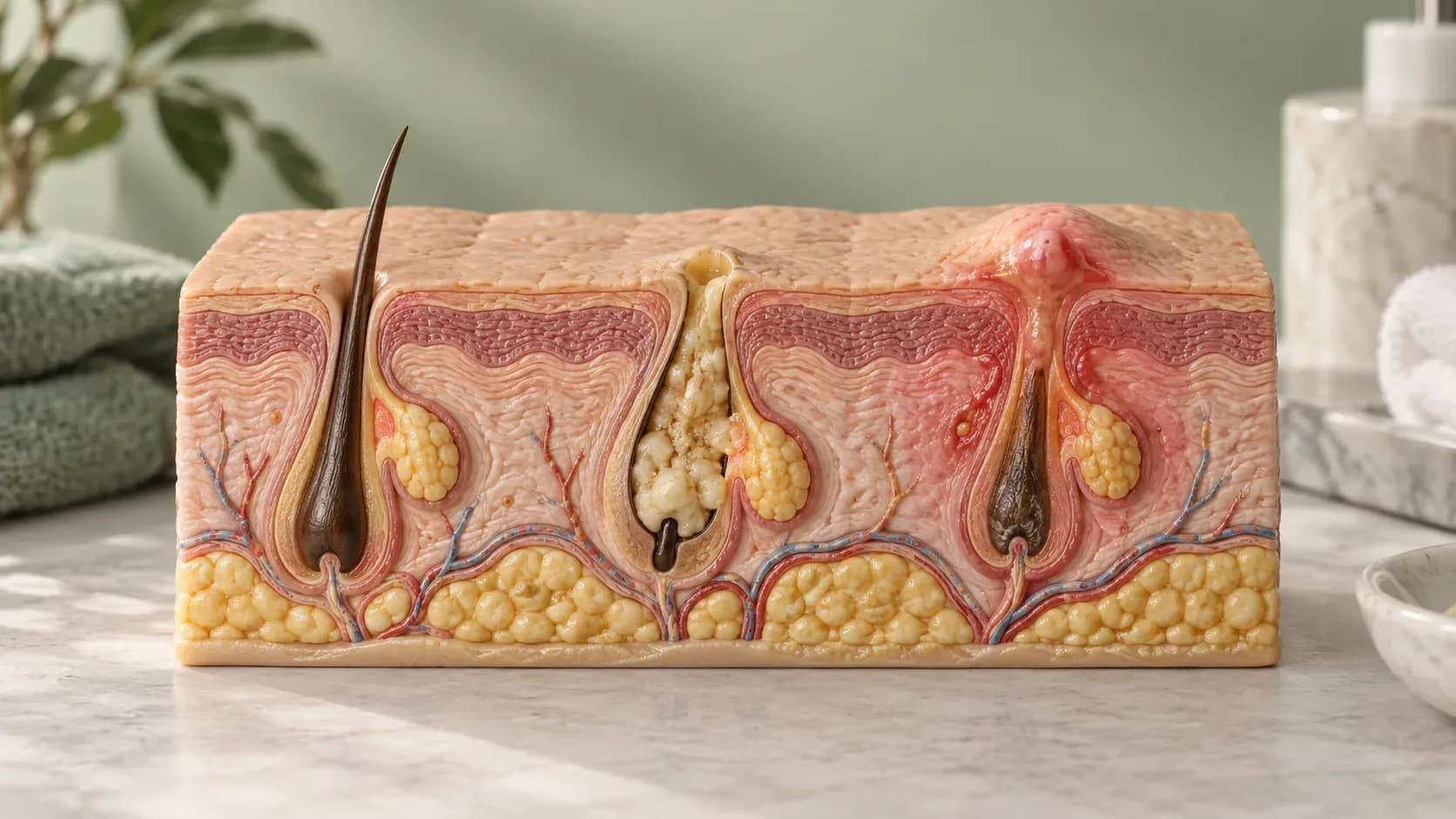
Acne develops when hair follicles and skin pores get clogged with excess skin oil (sebum), dead skin cells, and bacteria. Hormonal changes, genetics, stress, certain foods, and friction can also contribute to acne or make existing breakouts worse.
Acne is one of those skin concerns that can seem to show up out of nowhere. One day, your skin looks fine, and the next, a few stubborn bumps have made themselves comfortable. But acne usually has more going on beneath the surface than just a random breakout.
What Are the Main Causes of Acne?
Acne begins when the pores in your skin become clogged. This can cause the affected pore to become inflamed, leading to the bumps, redness, and other types of acne you may notice on your skin.
While several factors can influence acne, clogged pores are mainly linked to three factors:
Excess sebum production in the pore
Buildup of dead skin cells in the pore
Growth of bacteria in the pore
These are the main factors behind acne, but they can be influenced by several other triggers. They can also vary depending on the type of acne and where it develops.
What Are the Types of Acne?
Acne can be classified into different types based on its underlying cause, symptoms, and severity: hormonal, fungal, nodular, and cystic acne.
The following table compares the primary structural classifications of acne alongside their defining physical characteristics.
| Type of Acne | Key Characteristic |
|---|---|
| Hormonal acne | Develops when hormonal changes increase sebum in skin pores |
| Fungal acne | Develops when yeast builds up in hair follicles |
| Nodular acne | Causes inflammatory, painful bumps under the skin |
| Cystic acne | Causes deep, pus-filled acne under the skin |
What Are the Causes of Hormonal Acne?
Hormonal acne develops when changes in hormone levels stimulate the skin’s oil-producing glands. The resulting increase in sebum can combine with bacteria and clog the hair follicles, contributing to acne.
These hormonal changes can occur at different stages of life and may affect sebum production in different ways. Fluctuations in endocrine activity affect sebaceous gland sensitivity and oil secretion through the following biological mechanisms:
Puberty: Rising androgens, including testosterone, stimulate the sebaceous glands and increase sebum production.
Menstrual cycle: Fluctuations in oestrogen and progesterone, along with changes in androgens, can increase sebum and trigger acne.
Polycystic Ovary Syndrome (PCOS): Higher levels or activity of androgens can stimulate excess sebum production.
Pregnancy and postpartum period: Changes in oestrogen, progesterone, and androgens can affect sebum production.
Menopause: Falling oestrogen levels can leave androgens relatively more influential, which may increase sebum production.
What Are the Causes of Cystic Acne?
Cystic acne is different from milder forms of acne mainly because of how severe and deep the lesions are. It may not necessarily have different causes. Hormonal changes can play a role, including those that occur during puberty and menopause. A family history of cystic acne may also increase the likelihood of developing it.
This type of acne is also more common among people with oily skin. It can occur more frequently in teenagers, women, and older adults experiencing hormonal changes or imbalances.
What Causes Fungal Acne?
Fungal acne develops when the Malassezia yeast gets into or multiplies around hair follicles. Malassezia naturally lives on the skin, but certain conditions can allow it to grow excessively and contribute to follicle inflammation.
Excessive cutaneous yeast growth develops primarily when environmental conditions promote heat, humidity, and micro-trauma across the skin barrier:
Frequent rubbing or friction against the skin
Keeping the skin hot and damp for prolonged periods
Rough shaving or plucking hair
Frequently touching or rubbing the affected area
Wearing tight clothing that traps heat and moisture
Certain medicines can also play a role. Antibiotics, for instance, can reduce some of the good bacteria that normally live on the skin, which allows yeast to grow more easily.
People with weakened immune systems, whether because of a medical condition or certain medicines, may also have a higher risk because their body may have more difficulty keeping yeast growth under control.
What Are the Causes of Nodular Acne?
Like most other forms of acne, nodular acne also develops when a pore becomes blocked with sebum and dead skin cells. But in this case, the Cutibacterium acnes bacteria become trapped within the blocked follicle.
This causes inflammation to develop deeper in the skin, resulting in the firm and painful bumps associated with nodular acne.
Apart from excess sebum production, the skin pores can also get blocked due to the following factors:
Trapped sweat: Tight clothes can keep the sweat from evaporating and increase the risk of clogging the skin’s pores.
Genetics: A family history of nodular acne may increase your likelihood of developing it.
Skincare products: Some lotions, creams, and makeup products can clog pores and contribute to the formation of acne nodules.
What Causes Acne on the Face?
Acne on the face can develop when excess sebum, dead skin cells, and bacteria clog the pores on the face. Hormonal changes can also play a role, while factors such as friction and pore-clogging products may trigger or worsen acne in certain areas.
The factors that contribute to facial acne can vary depending on where the breakouts appear.
| Acne-Prone Areas on the Face | Causes of Acne |
|---|---|
| Forehead & nose (T-zone) | Excess sebum production |
| Hairline & temples | Hair products that block the pores |
| Cheeks | Friction against pillows, phones, etc. |
| Chin | Excess sebum production |
| Jawline | Pore-blocking skincare products, rough shaving techniques, friction against pillows and phones. |
What Are the Causes of Body Acne?
Body acne can have several possible causes, including hormonal changes, genetics, and reactions to certain medicines. Factors that affect the skin from the outside can also contribute to clogged pores and inflammation.
Body acne develops when physical occlusion, follicular friction, and topical agents trap sweat and sebum across broader surface areas:
Friction against clothes and backpacks
Trapped sweat from tight clothing
Lotions and gels that block pores
Using unclean or unwashed towels and linen
How Can You Prevent Acne?
You can reduce the likelihood of acne by keeping your skin clean, avoiding pore-clogging products, and limiting factors that can contribute to excess oil and inflammation. Small changes to your daily habits can also help support clearer-looking skin.
Adopting targeted daily hygiene, non-comedogenic skincare habits, and dietary adjustments helps reduce pore blockage and surface inflammation:
Wash your face daily. But make sure you use a mild cleanser and not a harsh scrub.
Use skincare products labelled non-comedogenic. These are less likely to clog your pores.
Take a shower after exercising. Washing off sweat and excess oil after physical activity can help prevent acne.
Use oil-free moisturizers. They can keep your skin hydrated without adding unnecessary oil.
Limit high-GI foods. Research shows that diets high in glycemic index and glycemic load may contribute to acne in some people.
If your acne still persists, becomes more severe, or does not improve with these measures, consult a dermatologist for appropriate evaluation and treatment.
Clear Ritual’s Perspective on Acne and Its Causes
Acne can have several causes and triggers. The same factors that trigger acne in some people may not have the same effect in others. Because of that, the treatment for acne can also differ for each individual.
At Clear Ritual, we believe that everyone has different skin, which is why, to treat acne, it is important to look at what your skin needs. This can make it easier to get the right treatment for your acne.
The Clear Ritual Skin Test can help you identify your skin type and concerns, giving you a better starting point for finding an approach suited to your skin’s specific needs.
Frequently Asked Questions
Is rice bad for acne?
White rice does not directly cause acne, but its excessive consumption may contribute to acne in some people. This is because white rice is a high-glycemic food, which means it can raise blood sugar relatively quickly, which can lead to increased sebum production.
Can drinking more water clear acne?
While staying adequately hydrated supports overall skin health, it can not clear acne by itself. Acne may need targeted treatment based on its underlying cause, severity, and your skin’s specific needs.
What is stage 4 acne?
Stage 4 acne generally refers to very severe acne, often involving extensive nodules and cysts. The lesions can be large, painful, and deeply inflamed.
What clears acne permanently?
There is no single treatment that can permanently clear acne in everyone, since each person may have different triggers, skin types, and underlying causes of acne. However, appropriate treatment can help control acne and maintain clearer skin for longer periods.
Is it okay to pop acne?
No. It is better to leave acne and pimples alone rather than pop them. Squeezing or picking at acne can push inflammation deeper into the skin, which increases the risk of infection and makes post-acne marks or scarring more likely.
What are the causes of back acne?
Back acne can develop due to friction from clothes or backpacks, trapped sweat, pore-clogging lotions and gels, hormonal changes, and genetics; certain medicines can also trigger or worsen back acne.
References
Cleveland Clinic. (2022). Nodular Acne: What It Looks Like, Causes & Treatment. Cleveland Clinic.
https://my.clevelandclinic.org/health/diseases/22888-nodular-acne
Mayo Clinic Staff. (n.d.). Acne: Symptoms and causes. Mayo Clinic.
https://www.mayoclinic.org/diseases-conditions/acne/symptoms-causes/syc-20368047
Cleveland Clinic. (2022). Acne: Types, Causes, Treatment & Prevention. Cleveland Clinic.
https://my.clevelandclinic.org/health/diseases/12233-acne
Cleveland Clinic. (2021). Cystic Acne: What Is It, Symptoms, Causes and Treatment. Cleveland Clinic.
https://my.clevelandclinic.org/health/diseases/21737-cystic-acne
National Institute of Arthritis and Musculoskeletal and Skin Diseases. (n.d.). Acne. National Institutes of Health.
https://www.niams.nih.gov/health-topics/acne
Cleveland Clinic. (2022). Fungal Acne: Malassezia Folliculitis, Pityrosporum Folliculitis. Cleveland Clinic.
https://my.clevelandclinic.org/health/diseases/24341-fungal-acne
American Academy of Dermatology Association. (n.d.). Acne: Who gets and causes. American Academy of Dermatology.
https://www.aad.org/public/diseases/acne/causes/acne-causes
Cleveland Clinic. (2021). Hormonal Acne: What Is It, Treatment, Causes & Prevention. Cleveland Clinic.
https://my.clevelandclinic.org/health/diseases/21792-hormonal-acne
Murray, M. L., et al. (2022). Diet and acne: A systematic review. International Journal of Dermatology.
https://pmc.ncbi.nlm.nih.gov/articles/PMC8971946/
Cleveland Clinic. (2022). Back Acne: What It Is, Causes, and Treatment. Cleveland Clinic.
https://my.clevelandclinic.org/health/diseases/22756-back-acne
Editorial Standards
Clear Ritual has Strict sourcing guidelines to ensure our content is accurate and current. We rely on peer-reviewed studies, academic research institutions, and medical associations. We strive to use primary sources and refrain from using tertiary references. See a mistake? Learn More about our Editorial Standards.
Related Articles
Understanding Female Acne: Causes, Triggers, and Treatment Options
Published 25 September 2026

Understanding Male Acne: Causes, Triggers, and Treatment Options
Published 23 September 2026

Does Stress Really Cause Acne? Science-Backed Insights
Published 16 July 2026

Acne Caused by Makeup: Understanding Acne Cosmetica
Published 17 July 2026