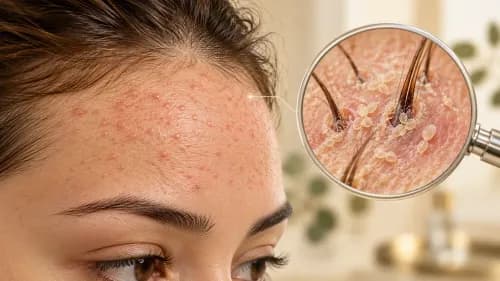
Understanding Female Acne: Causes, Triggers, and Treatment Options
Quick Answer
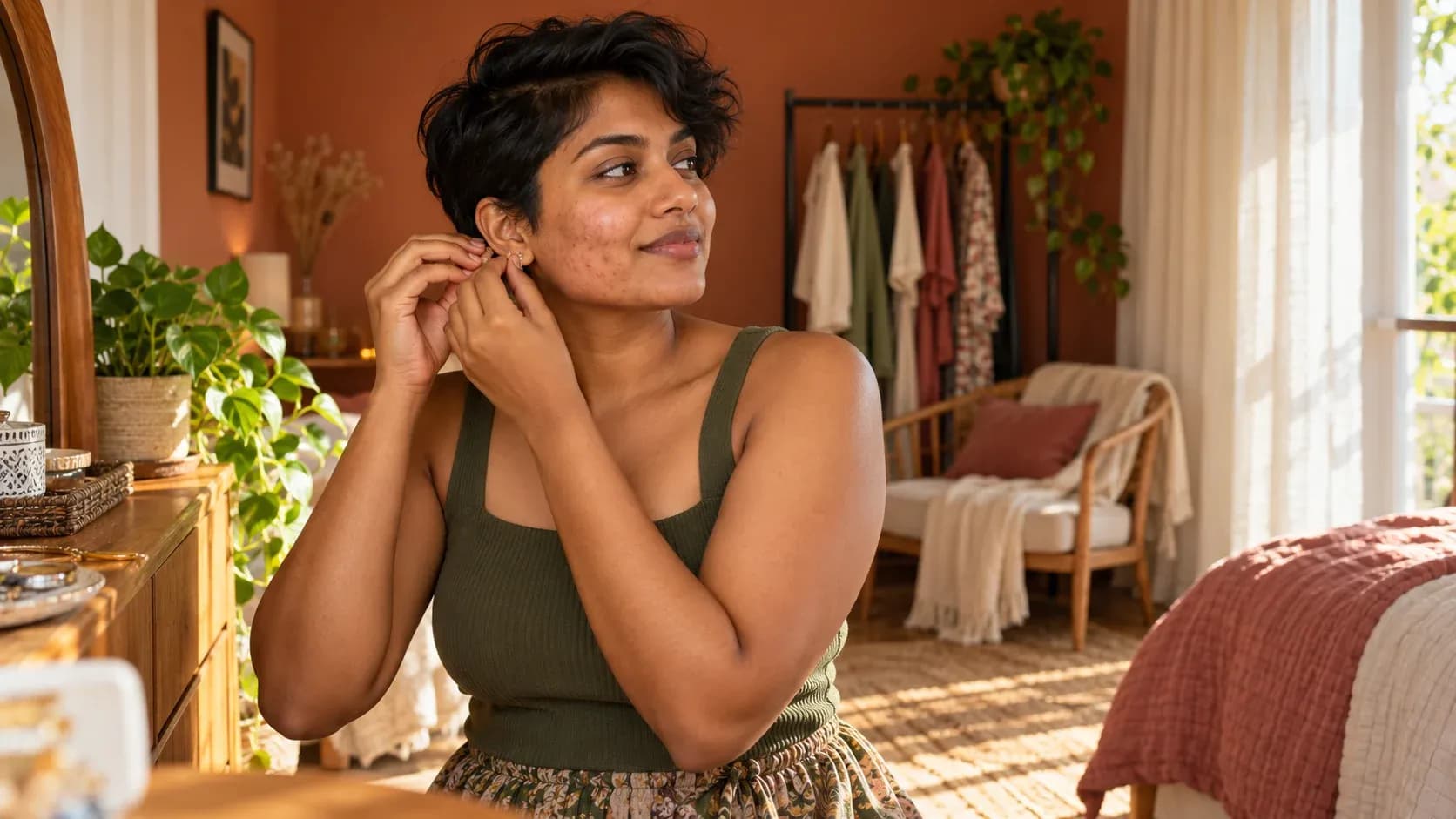
Female acne is a common skin condition that occurs due to hormonal fluctuations, excess sebum (oil) production, and dead skin cells clogging the pores. Factors such as the menstrual cycle, menopause, pregnancy, and using comedogenic (pore-clogging) makeup and skincare products can trigger or worsen the condition.
Treatment options for female acne include topicals comprising ingredients such as retinoids, salicylic acid, and benzoyl peroxide, and oral medications such as contraceptives, antibiotics, and oral retinoids. For severe or persistent breakouts, clinical procedures may also be recommended.
What Is Female Acne?
Female acne is acne that occurs or continues in women, with breakouts commonly appearing on the face, chin, jawline, shoulders, neck, chest, and back. The breakouts can range from blackheads and whiteheads to deeper, painful cysts.
While the acne breakouts may not differ for men and women in terms of appearance, they can differ in terms of triggers. For females, hormonal changes that occur during menstruation, pregnancy, perimenopause, and menopause can be a major driving factor.
What Commonly Causes Acne in Females?
Female acne (or any acne, for that matter) develops when hair follicles become clogged with excess oil (sebum), dead skin cells, and other substances.
This blockage can create an environment where acne-causing bacteria multiply, triggering blackheads, whiteheads, pimples, or deeper cysts.
The following factors contribute to clogging the pores or increasing sebum production, which then leads to acne breakouts:
- Hormonal activity
Changes in hormone levels can stimulate the sebaceous glands to produce more oil, increasing the chances of clogged pores and breakouts.
- Genetics
Research suggests that genetic factors may influence sebum production and acne breakouts. If your family has a history of acne, you may develop it, too.
What Can Trigger Acne in Females?
The menstrual cycle, certain medical conditions, certain skincare products, the choice of makeup, skincare habits, physical irritation, sweat, and stress can all trigger or worsen acne in females.
These triggers can affect each person differently, so it helps to look at your lifestyle alongside the pattern of your breakouts:
- Menstrual cycle
Hormone levels naturally shift throughout the menstrual cycle. For some women, these changes can increase oil production in the days before their period, making breakouts more likely around this time.
- Pregnancy-related hormonal changes
Pregnancy brings significant changes in hormone levels, which may cause acne to become more noticeable in females, particularly during early pregnancy. As the body adjusts to these changes, breakouts may also change over time.
- Perimenopause and menopause
The hormonal changes that occur as estrogen levels decline during perimenopause and menopause can affect the balance between estrogen and androgens. As a result, some women may experience acne during this stage.
PCOS can affect hormone balance and may be associated with higher androgen activity. This can stimulate oil production and contribute to persistent acne.
- Stress
Stress does not directly cause acne, but it can make existing breakouts worse. Stress-related changes in the body may affect oil-producing glands and trigger inflammation, which can make acne more noticeable.
- Dietary factors
Some research has linked high-glycemic foods and dairy consumption with acne. However, trigger foods for acne are not the same for everyone. Before making any dietary changes, make sure you identify your trigger foods.
Certain skincare, makeup, sunscreen, and hair-care products contain ingredients that can clog pores. Choosing products labelled “non-comedogenic” or “won’t clog pores” may help reduce acne breakouts in females.
- Sharing makeup and applicators
The American Academy of Dermatology mentions that sharing makeup can trigger acne, too. Makeup, brushes, and applicators can pick up oil, dead skin cells, and bacteria from another person’s skin and transfer them to yours. This can contribute to clogged pores and breakouts.
- Aggressive cleansing or scrubbing
Scrubbing harder does not necessarily make acne-prone skin cleaner. Rough cleansing can irritate the skin and may make existing inflammation worse.
Instead, use a mild, non-comedogenic cleanser and wash your face gently with your fingertips. Rinse with lukewarm water and pat your skin dry rather than rubbing it with a towel.
- Rubbing away sweat
Repeatedly rubbing sweaty skin with a towel, especially in a harsh manner, can create friction and irritation, which can trigger acne breakouts. This factor may especially lead to female acne on the face and neck.
When you work out, use a clean towel to gently pat away sweat rather than wiping your skin aggressively.
- Picking or squeezing breakouts
Popping a pimple can push its contents deeper into the surrounding skin instead of allowing the lesion to heal naturally. This can increase inflammation and may raise the risk of prolonged marks, pain, or scarring.
What Are the Treatment Options for Female Acne?
Female acne can be treated with topical products, prescription medicines, and clinical procedures, depending on the type and severity of the breakouts. Hormonal acne may also require a different approach when changes in hormone activity are a major factor.
Over-the-Counter Products
For mild female acne, non-prescription topicals can be helpful, provided they have the right active ingredients, which can unclog pores, reduce inflammation, or control excess oil production.
When choosing an acne product, look for ingredients that target these processes without overwhelming your skin:
- Adapalene: A topical retinoid that helps regulate skin cell turnover and prevents dead skin cells from building up inside the pores.
- Salicylic acid: Helps loosen oil and dead skin cell buildup inside clogged pores, making it useful for blackheads, whiteheads, and some mild inflammatory breakouts.
- Glycolic acid and lactic acid: These alpha-hydroxy acids (AHAs) exfoliate the skin’s surface and can help remove excess dead skin cells.
- Benzoyl peroxide: Helps reduce acne-related bacteria and can be useful for inflammatory pimples.
- Azelaic acid: Helps reduce bacteria and inflammation and can also be useful when acne leaves behind dark marks.
Cautionary note: Start with one or two appropriate active ingredients rather than introducing several strong products at once. Patch test new products and reduce use if your skin becomes excessively dry, irritated, or uncomfortable. If mild acne does not improve or continues to worsen, speak with a dermatologist.
Prescription Treatments
Prescription treatments may be needed for female acne when over-the-counter products are not effective or when acne is persistent, severe, or strongly influenced by hormonal changes.
Your dermatologist may prescribe one of the following treatment options, based on your acne, medical history, and how your skin has responded to previous treatments:
- Oral antibiotics: Medicines such as tetracycline, minocycline, and doxycycline may be prescribed for moderate to severe inflammatory acne.
- Oral retinoids: Isotretinoin reduces the size and activity of the sebaceous glands.
- Oral contraceptives: Certain combination contraceptives containing estrogen and progesterone may help some women manage acne associated with hormonal activity.
- Dapsone gel: A topical treatment with antibacterial and anti-inflammatory properties.
- Topical antibiotics: Antibiotic creams containing clindamycin or erythromycin can help reduce the bacterial activity associated with inflammatory acne.
- Topical retinoids: Prescription-strength retinoids may be recommended when a stronger topical approach is needed, although some retinoids, such as adapalene, are also available without a prescription.
Cautionary note: Prescription acne treatments can have side effects and may not be suitable for everyone. Do not start, stop, or change the dose of any prescription medication without guidance from your healthcare professional. Some treatments also have specific safety considerations during pregnancy or when planning a pregnancy.
Clinical Procedures
Some women may benefit from clinical procedures alongside their acne treatment, particularly when active breakouts are persistent or when individual lesions need targeted treatment.
Based on the severity of acne, a dermatologist may recommend options such as steroid injections, chemical peels, or laser treatments as part of a broader acne treatment plan.
What Are Some Home Remedies for Female Acne?
Some home remedies may temporarily soothe irritated skin, but they cannot address every factor involved in acne. They are best viewed as simple supportive options rather than replacements for proven acne treatments, particularly if your breakouts are persistent or severe.
If you want to try a home remedy, keep your routine simple and introduce one of the following options at a time:
- Aloe vera gel
Aloe vera is commonly used for its cooling and soothing properties and may feel calming when the skin is irritated. It can be applied to areas affected by acne, including the face, chest, or neck.
To use it:
- Take a small amount of fresh aloe vera gel.
- Apply a thin layer to the affected area.
- Leave it on for around 15–20 minutes.
- Rinse gently with water.
- Turmeric paste
Turmeric contains compounds with anti-inflammatory properties, and its paste is traditionally used in skincare.
To try a simple paste:
- Mix a pinch of turmeric powder with water.
- Apply a small amount of this paste to the breakouts.
- Leave it on for around 10-15 minutes.
- Rinse it off gently.
- Green Tea Application
Green tea contains compounds with antioxidant and anti-inflammatory properties and is sometimes used as a simple topical option for acne-prone skin.
To try it:
- Brew a cup of plain green tea and allow it to cool completely.
- Soak a clean cotton pad in the cooled tea.
- Gently apply it to clean skin.
- Let it stay for 10 minutes, then rinse it off.
Cautionary note: Even natural ingredients can cause irritation, dryness, or allergic reactions. Patch test each remedy before applying it more widely, and avoid trying several remedies close together. Home remedies should not replace medical treatment for persistent, painful, severe, or scarring acne.
Clear Ritual’s Perspective on Female Acne
Female acne usually gets associated with the menstrual cycle and hormonal fluctuations. But its causes and triggers are not limited to those factors. For many women, breakouts can be triggered by multiple reasons.
This is why an acne treatment that works for some women may not be as effective for others.
At Clear Ritual, we believe acne care should be personalised to your skin, symptoms, and the factors that may be contributing to your breakouts. The first step to choosing suitable skincare or acne treatment is learning about your skin.
Understand Your Female Acne Pattern
The Clear Ritual Skin Test helps you better understand your skin and identify factors that may be contributing to your acne.
Take the Free Skin Test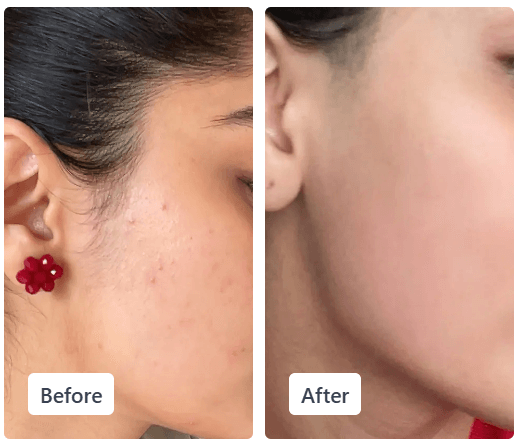
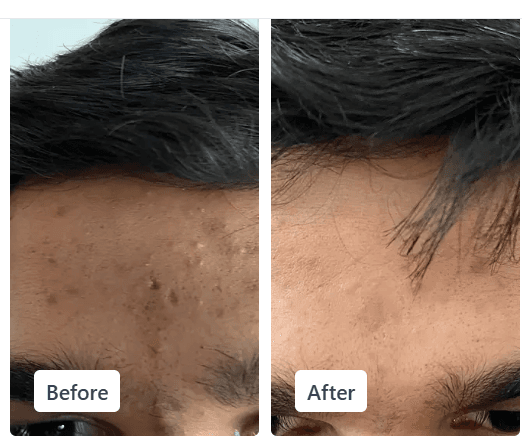
Frequently Asked Questions
How to stop female hormonal acne?
Managing female hormonal acne often involves addressing both the acne itself and the hormonal factors that may be contributing to it. Depending on your symptoms and medical history, a dermatologist may consider options such as topical treatments, hormonal therapy, or certain combination oral contraceptives. The appropriate treatment varies from person to person.
What triggers acne the most?
Factors such as hormonal changes, stress, certain dietary choices, comedogenic products, friction, and trapped sweat can all contribute to breakouts.
Which hormone is responsible for acne in females?
Androgens, including testosterone and DHEA, can contribute to hormonal acne in females by stimulating the sebaceous glands and increasing sebum production.
How can females get rid of chest acne?
Chest acne may improve with gentle cleansing, avoiding comedogenic skincare that does not clog the pores, and avoiding rough body scrubs. For mild inflammatory acne, over-the-counter products containing adapalene, benzoyl peroxide, or salicylic acid may help. Persistent or severe chest acne should be evaluated by a dermatologist.
What causes female acne on the chin and jawline?
Acne around the chin and jawline is often associated with hormonal changes that occur during the menstrual cycle, pregnancy, perimenopause, and menopause. These factors can affect oil production and make breakouts in these skin zones more likely.
How can you treat back acne in females?
Based on its severity, back acne in females can be treated with topical products (such as benzoyl peroxide, salicylic acid, and adapalene), oral medications, or via clinical procedures (such as steroid injections). For hormonal back acne in females, a dermatologist may also recommend hormone-focused treatment, such as oral contraceptives.
References
Demaree, E. (2023). The Facts About Chest Acne. Mayo Clinic Health System. https://www.mayoclinichealthsystem.org/hometown-health/speaking-of-health/the-facts-about-chest-acne
Bagatin, E., de Freitas, T. H. P., Rivitti-Machado, M. C., Ribeiro, B. M., Nunes, S., & da Rocha, M. A. D. (2019). Adult female acne: A guide to clinical practice. Anais Brasileiros de Dermatologia, 94(1), 62–75. DOI: 10.1590/abd1806-4841.20198203. https://pmc.ncbi.nlm.nih.gov/articles/PMC6360964/
Cleveland Clinic. (2023). Acne: Types, Causes, Treatment & Prevention. Cleveland Clinic.
https://my.clevelandclinic.org/health/diseases/12233-acne
Dréno, B., Thiboutot, D., Layton, A. M., Berson, D., Perez, M., & Kang, S. (2015). Large-scale international study enhances understanding of an emerging acne population: Adult females. Journal of the European Academy of Dermatology and Venereology, 29(6), 1096–1106. DOI: 10.1111/jdv.12757. https://pubmed.ncbi.nlm.nih.gov/25296739/
Harvard Health Publishing. (2022). Adult female acne: Why it happens and the emotional toll. Harvard Health Publishing. https://www.health.harvard.edu/blog/adult-female-acne-why-it-happens-and-the-emotional-toll-202206272768
Johns Hopkins Medicine. (n.d.). Acne. Johns Hopkins Medicine.
https://www.hopkinsmedicine.org/health/conditions-and-diseases/acne
American Medical Association. (2023). What doctors want patients to know about acne treatment. American Medical Association. https://www.ama-assn.org/public-health/prevention-wellness/what-doctors-want-patients-know-about-acne-treatment
American Academy of Dermatology Association. (n.d.). 10 skin care habits that can worsen acne. American Academy of Dermatology. https://www.aad.org/public/diseases/acne/skin-care/habits-stop
Meixiong, J., Ricco, C., Vasavda, C., & Ho, B. K. (2022). Diet and acne: A systematic review. JAAD International, 7, 95–112. DOI: 10.1016/j.jdin.2022.02.012. https://pmc.ncbi.nlm.nih.gov/articles/PMC8971946/
Zhang, H., & Zhang, Z. (2023). Genetic Variants Associated with Acne Vulgaris. International Journal of General Medicine, 16, 3843–3856. DOI: 10.2147/IJGM.S421835. https://pmc.ncbi.nlm.nih.gov/articles/PMC10473401/
Editorial Standards
Clear Ritual has Strict sourcing guidelines to ensure our content is accurate and current. We rely on peer-reviewed studies, academic research institutions, and medical associations. We strive to use primary sources and refrain from using tertiary references. See a mistake? Learn More about our Editorial Standards.
Related Articles
Understanding Male Acne: Causes, Triggers, and Treatment Options
Published 23 September 2026

Does Stress Really Cause Acne? Science-Backed Insights
Published 16 July 2026

The Acne-Diet Connection: What Science Really Says
Published 16 July 2026

Fungal Acne on Forehead: Why It Appears and How to Treat It
Published 7 October 2026