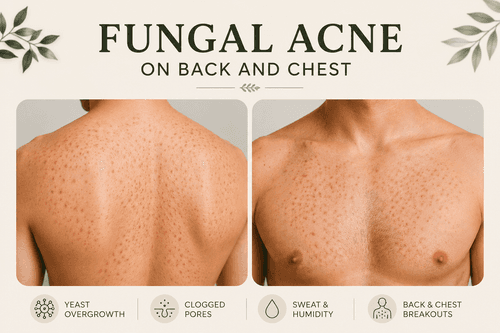
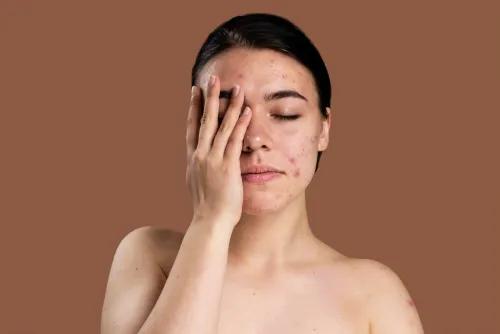
Acne Prone Skin: Meaning, Symptoms, Causes & What to Do

Quick Answer: Acne prone skin means your skin has a built-in biological tendency to overproduce oil, block pores, and break out repeatedly and predictably. It is not a hygiene problem or a temporary reaction. It is a skin type defined by three mechanisms working together: overactive sebaceous glands, irregular shedding of dead skin cells, and an inflammatory cycle that keeps restarting.
What Is Acne Prone Skin? (Definition and Core Meaning)
Acne prone skin is a skin type that chronically overproduces sebum, sheds skin cells irregularly, and develops recurring breakouts , not as a temporary reaction, but as a predictable, repeating pattern.
The word prone is key. It means your skin has a built-in tendency , driven by biology, not behaviour , to create the conditions that lead to acne. You can follow a careful skincare routine and still experience regular breakouts because the underlying drivers (hormones, genetics, follicle behaviour) continue operating beneath the surface.
Quick facts:
- Acne affects an estimated 9.4% of the global population, making it the eighth most prevalent disease worldwide
- Adult acne (post-25) affects approximately 54% of women and 40% of men
- Three core mechanisms drive acne prone skin: excess sebum, follicular blockage, and bacterial inflammation
- Acne prone skin is manageable , but requires a routine matched to the root cause, not just surface-level cleansing
Acne prone skin in Hindi: मुंहासे होने की प्रवृत्ति वाली त्वचा , yaani aisi skin jo baar baar breakout karti hai bina kisi obvious wajah ke.
According to the American Academy of Dermatology, acne is the most common skin condition globally, affecting approximately 85% of people between ages 12 and 24, and up to 50 million people annually in the US alone.
What Are the Symptoms of Acne Prone Skin?
Acne prone skin produces excess oil, experiences frequent pore blockages, and shows a pattern of recurring breakouts , not just occasional pimples. Symptoms range from early, invisible changes beneath the skin to visible lesions, texture changes, and post-breakout marks that persist for weeks.
Understanding the full symptom picture , early signs, visible lesions, physical sensations, and where they appear , is the most direct way to confirm whether your skin is truly acne prone or simply reacting to a temporary trigger.
Early Warning Signs (Before Breakouts Appear)
The first indicators of acne prone skin often appear before obvious breakouts develop.
- Persistent oiliness across the T-zone , skin feels slick within 60–90 minutes of cleansing, not just in summer but year-round
- Blotting papers fill quickly throughout the day regardless of season or activity level
- Fine bumps on the forehead, nose, or chin that are not yet pimples , these are microcomedones, early-stage follicular blockages forming inside pores
- Slightly rough or uneven skin texture , like fine sandpaper, particularly in oil-gland-dense areas
- Enlarged pore appearance around the nose and cheeks as follicles fill with oil and debris
- Tenderness or warmth in a specific spot before any visible lesion appears , inflammation is already building beneath the surface
Visible Symptoms: What Acne Prone Skin Looks Like
Acne prone skin typically shows a combination of these visible characteristics simultaneously:
- Persistent shininess , particularly across the T-zone (forehead, nose, chin), returning quickly after cleansing
- Blackheads (open comedones) , dark-coloured plugs where the pore remains open; the dark colour comes from oxidised melanin and sebum, not dirt
- Whiteheads (closed comedones) , flesh-coloured, slightly raised bumps where the pore has closed over a blockage
- Papules , small, red, tender bumps without a visible head; represent early inflammatory responses where white blood cells have rushed to the follicle
- Pustules , pus-filled lesions with visible white or yellow centres, surrounded by red, swollen skin
- Nodules and cysts , deep, painful lesions that form when the follicle wall ruptures below the skin surface; persist for weeks and frequently leave marks
- Post-inflammatory marks , red, purple, or brown spots that linger after lesions heal, caused by melanocyte activation and small blood vessel damage
- Uneven skin texture , slight indentations where cysts formed, or raised areas from excess collagen produced during healing
Clear Ritual skin expert note: Not all acne prone skin looks oily. Some people have what's called dry acne prone skin , the surface feels tight but breakouts still occur because barrier disruption triggers compensatory sebum production deeper in the follicle.
Inflammatory Lesion Symptoms in Detail
When bacteria proliferate within blocked pores, the immune system responds with progressive inflammation. Each lesion type represents a different stage of that response:
Papules form when white blood cells rush to a blocked follicle but have not yet produced pus. The surrounding skin is red and tender to touch. These are the earliest visible inflammatory lesions.
Pustules develop when the immune response intensifies. Dead white blood cells, bacteria, and cellular debris collect to form a visible white or yellow centre. The surrounding skin becomes red and swollen as inflammatory mediators , cytokines including IL-1α and TNF-α , flood the area.
Nodules and cysts represent the deepest, most damaging form of inflammatory acne. The follicle wall ruptures below the skin surface, spilling contents into the surrounding dermis. The body walls off this material, creating firm, painful lumps. These lesions linger for weeks and consistently leave post-inflammatory marks or scarring without proper treatment.
Physical Sensation Symptoms
Acne prone skin does not just look different , it feels different.
- Tenderness before lesions appear , specific spots feel sensitive or slightly warm before a papule or pustule becomes visible
- Itching as comedones develop , indicates the skin barrier has weakened, allowing irritants to penetrate more easily and trigger nerve responses
- Tightness after cleansing , particularly when people over-wash trying to control oil; the skin feels simultaneously dry on the surface and oily underneath
- Warmth in active lesion areas , a localised inflammatory response that can be felt before it is seen
Where Acne Prone Skin Symptoms Appear: Face Zone Guide
Where acne appears provides direct clues about contributing factors.
| Face Zone | Common Symptoms | Typical Triggers |
|---|---|---|
| Forehead | Closed comedones, small papules | Hair products migrating to skin, stress hormones, incomplete cleansing |
| Nose | Blackheads, visibly enlarged pores | High sebaceous gland density, incomplete oil removal |
| Cheeks | Inflammatory papules, pustules | Phone friction, pillowcase contact, dairy sensitivity |
| Chin and Jawline | Deep cysts, nodules | Androgen fluctuations, menstrual cycle, hormonal transitions |
Forehead breakouts often correlate with hairline products migrating onto skin or inadequate cleansing after exercise. The occlusive nature of styling products creates an environment where follicles block more easily.
Cheek acne frequently connects to mechanical friction , repeated pressure from a phone held against the face, or sleeping on the same side each night. Some people also notice correlations with dairy consumption.
Jawline and chin lesions typically reflect hormonal influences, as androgen receptors concentrate in sebaceous glands in this zone. Women often notice these breakouts intensifying before menstrual periods. The deep, painful nature of cystic acne in this area reflects how androgens drive both oil production and inflammation simultaneously.
Symptoms That Develop Over Time
Acne prone skin rarely shows only active breakouts. Several secondary changes develop with repeated inflammatory cycles:
Post-inflammatory hyperpigmentation , brown marks that develop after deeper lesions heal. The deeper the original inflammation, the longer these marks persist. They can take weeks to months to fade without targeted treatment.
Texture irregularities , slight indentations where cysts or nodules formed, or raised areas where the healing process produced excess collagen. The skin's surface becomes progressively less uniform with each inflammatory cycle.
Increased skin reactivity , products that previously caused no reaction may begin triggering stinging or redness. This occurs because repeated inflammation and barrier disruption allow ingredients to penetrate more deeply while making skin more vulnerable to irritation.
Chronic low-grade redness , repeated inflammation creates a state of chronic immune activation where the skin remains in a heightened reactive state, even between active breakouts.
Symptom Variations: Why Acne Prone Skin Looks Different in Different People
Not everyone with acne prone skin experiences symptoms identically.
- Some people develop primarily comedonal acne with minimal inflammation , rough texture, persistent blackheads and whiteheads, few red lesions
- Others quickly progress to painful cysts with few comedones , deep inflammation is the dominant presentation
- Seasonal fluctuations affect many people: symptoms worsen in humid summers when sweat mixes with sebum, or in dry winters when barrier disruption triggers reactive oil production
- Age changes symptom presentation , teenage acne often appears across the forehead and cheeks with mixed lesion types, driven by pubertal hormone surges; adult acne concentrates around the jawline and chin with deeper lesions
When Symptoms Signal That Professional Help Is Needed
Certain symptoms indicate that self-management is not sufficient:
- Painful nodules or cysts persisting beyond two weeks , deep inflammation causes permanent dermal damage without proper treatment
- Worsening acne despite eight consistent weeks of appropriate care , suggests systemic drivers (hormonal, gut-related) that topical products cannot reach
- Sudden-onset adult acne in someone who previously had clear skin , can signal hormonal shifts, new medications, or systemic changes
- Significant emotional impact , avoidance of social situations, lowered confidence, or anxiety about skin justifies professional input regardless of physical severity
What Causes Acne Prone Skin?
Acne prone skin is caused by three biological mechanisms working simultaneously , not by diet alone, not by hygiene, and not by genetics in isolation.
Cause 1: Androgen-Driven Excess Sebum Production
Androgens , particularly dihydrotestosterone (DHT) , bind to receptors in sebaceous glands and signal them to produce more oil than the pore opening can manage. Research shows that acne prone individuals have higher activity of 5-alpha-reductase, the enzyme that converts testosterone to DHT inside sebaceous glands.
This is why hormonal events trigger flares , puberty, menstrual cycles, stress, and perimenopause all raise androgen activity, which directly amplifies sebum output.
Cause 2: Follicular Hyperkeratosis (Abnormal Cell Shedding)
Inside each follicle, skin cells (keratinocytes) should shed cleanly and travel to the surface. In acne prone skin, they stick together instead , a process called follicular hyperkeratosis. This creates microcomedones: invisible blockages that later develop into blackheads, whiteheads, or inflamed lesions. The trigger can be genetic, hormonal, or barrier-related.
Cause 3: Cutibacterium Acnes Proliferation and Immune Activation
Once a follicle is blocked and oxygen-poor, Cutibacterium acnes bacteria multiply rapidly. They activate toll-like receptors on immune cells, triggering the release of pro-inflammatory cytokines (IL-1α, TNF-α). This is what causes redness, swelling, pain, and , in deeper lesions , the tissue damage that leads to scarring.
What Worsens These Three Mechanisms
- High glycemic diet , spikes insulin and insulin-like growth factor, amplifying androgen signals to sebaceous glands
- Sleep deprivation , raises cortisol within 24–48 hours, which stimulates sebaceous glands in the same way androgens do
- Over-cleansing , strips the acid mantle, triggering compensatory sebum overproduction and weakening the antimicrobial barrier
- Hormonal transitions , puberty, menstrual cycle, pregnancy, perimenopause all raise androgen activity
- Mechanical triggers , phone friction against cheeks, infrequent pillowcase changes, touching the face
Recent research (2022–2024) increasingly points to the skin microbiome as a fourth contributing factor , not just C. acnes overgrowth, but an imbalance between harmful and protective bacterial strains. According to Clear Ritual's skin science team, supporting a diverse skin microbiome may be as important as reducing oil production.
Acne Prone Skin vs. Other Skin Types
Acne prone skin is not the same as oily skin, sensitive skin, or combination skin , though it can overlap with all three.
| Skin Type | Core Characteristic | Breakouts? | Sebum Level | Primary Concern |
|---|---|---|---|---|
| Acne Prone | Recurring breakouts as a pattern, regardless of other factors | Yes , frequent, patterned | High to moderate | Reducing recurrence, managing inflammation |
| Oily | Excess sebum across most of the face | Sometimes , not always | High across the face | Managing shine, preventing clogged pores |
| Combination | Oily T-zone, normal or dry elsewhere | Occasionally in T-zone | Mixed | Balancing different zones |
| Sensitive | Reacts easily to products or environment | Rarely , redness more typical | Normal to low | Reducing reactivity, protecting the barrier |
| Dry | Lacks moisture and lipids | Occasionally if barrier is compromised | Low | Restoring hydration and barrier function |
Can you have acne prone skin and dry skin at the same time? Yes , and it is more common than most people realise. When the skin barrier is disrupted by over-washing, harsh actives, or environmental stress, the surface dehydrates while sebaceous glands compensate by producing more oil deeper in the follicle. The result is skin that feels tight and flaky on top but still breaks out regularly. This is why harsh drying approaches , alcohol-based toners, aggressive exfoliation, over-cleansing , often worsen acne prone skin over time.
Signs You Have Acne Prone Skin: A 7-Point Checklist
The clearest way to tell if your skin is acne prone , rather than just reacting to a temporary trigger , is to look for consistent patterns over time.
Your skin feels oily within 1–2 hours of cleansing. Sebaceous glands that are actively over-stimulated by androgens recoat the skin surface quickly. If blotting papers fill by midday regardless of season, this is a baseline behaviour, not a reaction to heat.
You have blackheads or whiteheads that keep coming back. Comedones returning in the same locations (nose, forehead, chin) within days of clearing indicate an ongoing keratinisation problem inside the follicle , not temporary surface congestion.
You break out in the same zones, month after month. Recurring breakouts in identical spots reflect the underlying distribution of sebaceous glands and androgen receptors in your skin.
Your skin shows multiple lesion types at once. Acne prone skin often displays blackheads, active papules, and post-inflammatory marks simultaneously , different follicles at different stages of the same cycle.
You notice tenderness or warmth before a lesion becomes visible. Inflammation builds beneath the surface first. Feeling this consistently indicates your skin's inflammatory response activates early and repeatedly.
Post-breakout marks take weeks or months to fade. Repeated inflammation stimulates melanin production and damages small blood vessels, leaving red, purple, or brown marks long after the active lesion has resolved.
Your skin worsens predictably. Around your period, after a stressful week, or following high-sugar meals , if breakouts follow identifiable patterns, the underlying skin type is amplifying those triggers.
How to interpret your score: Identifying with 4 or more of the above suggests your skin has an acne prone baseline. Identifying with 1–3 suggests occasionally breakout-prone skin that responds to specific triggers rather than a persistent tendency.
Types of Acne Prone Skin: Which Pattern Matches Yours?
Not all acne prone skin behaves the same way. Clear Ritual identifies four common patterns , and recognising yours determines which management approach will work.
| Type | What It Looks Like | Primary Driver | Key Distinguisher |
|---|---|---|---|
| Comedonal-dominant | Blackheads and whiteheads, minimal redness, rough texture | Follicular hyperkeratosis, excess sebum | Few inflamed lesions; pores consistently congested |
| Inflammatory-dominant | Red papules and pustules, little comedonal buildup | Bacterial proliferation, immune overactivation | Breakouts are red and painful; microbiome imbalance likely |
| Hormonal/cyclical | Deep jawline and chin lesions that recur in a predictable cycle | Androgen fluctuations | Breakouts often intensify before menstrual periods or during hormonal transitions |
| Barrier-disrupted | Tight, flaky surface with recurring clogged pores and inflammation | Over-cleansing, harsh actives, environmental stress | Skin feels dry but becomes oily and reactive |
Understand Your Acne Pattern
Take the free skin test to assess recurring breakouts, oiliness, sensitivity, marks, and other concerns, then get a routine suited to your skin.
Take the Free Skin Test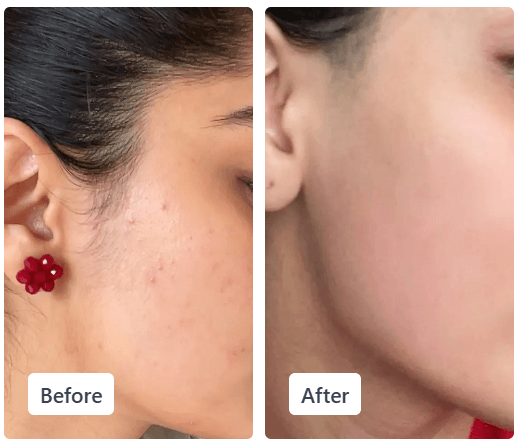
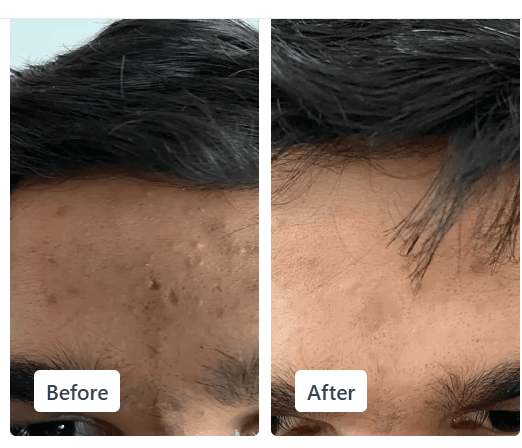
Frequently Asked Questions
Q: What are the main symptoms of acne prone skin?
A: Common symptoms include recurring breakouts, persistent oiliness, blackheads, whiteheads, inflammatory lesions, uneven texture, and marks that remain after a breakout heals.
Q: Can dry skin be acne prone?
A: Yes. A disrupted barrier can leave the surface feeling dry while oil and dead skin cells continue blocking follicles beneath it.
Q: How can I tell if my skin is acne prone?
A: Look for a repeating pattern of clogged pores or breakouts in the same areas rather than an isolated pimple caused by a temporary trigger.
Q: Does acne prone skin always look oily?
A: No. Acne prone skin may be oily, combination, sensitive, or dry. The defining feature is recurring congestion and breakouts.
Q: When should I seek professional help?
A: Seek professional advice for painful cysts or nodules, worsening breakouts, scarring, sudden adult-onset acne, or acne that affects your emotional wellbeing.
Disclaimer: This article is for general educational purposes and is not a substitute for personalised medical advice. Consult a qualified dermatologist for persistent, painful, or scarring acne.
Editorial Standards
Clear Ritual has Strict sourcing guidelines to ensure our content is accurate and current. We rely on peer-reviewed studies, academic research institutions, and medical associations. We strive to use primary sources and refrain from using tertiary references. See a mistake? Learn More about our Editorial Standards.