How to Remove Dark Spots Caused by Pimples: A Complete Guide
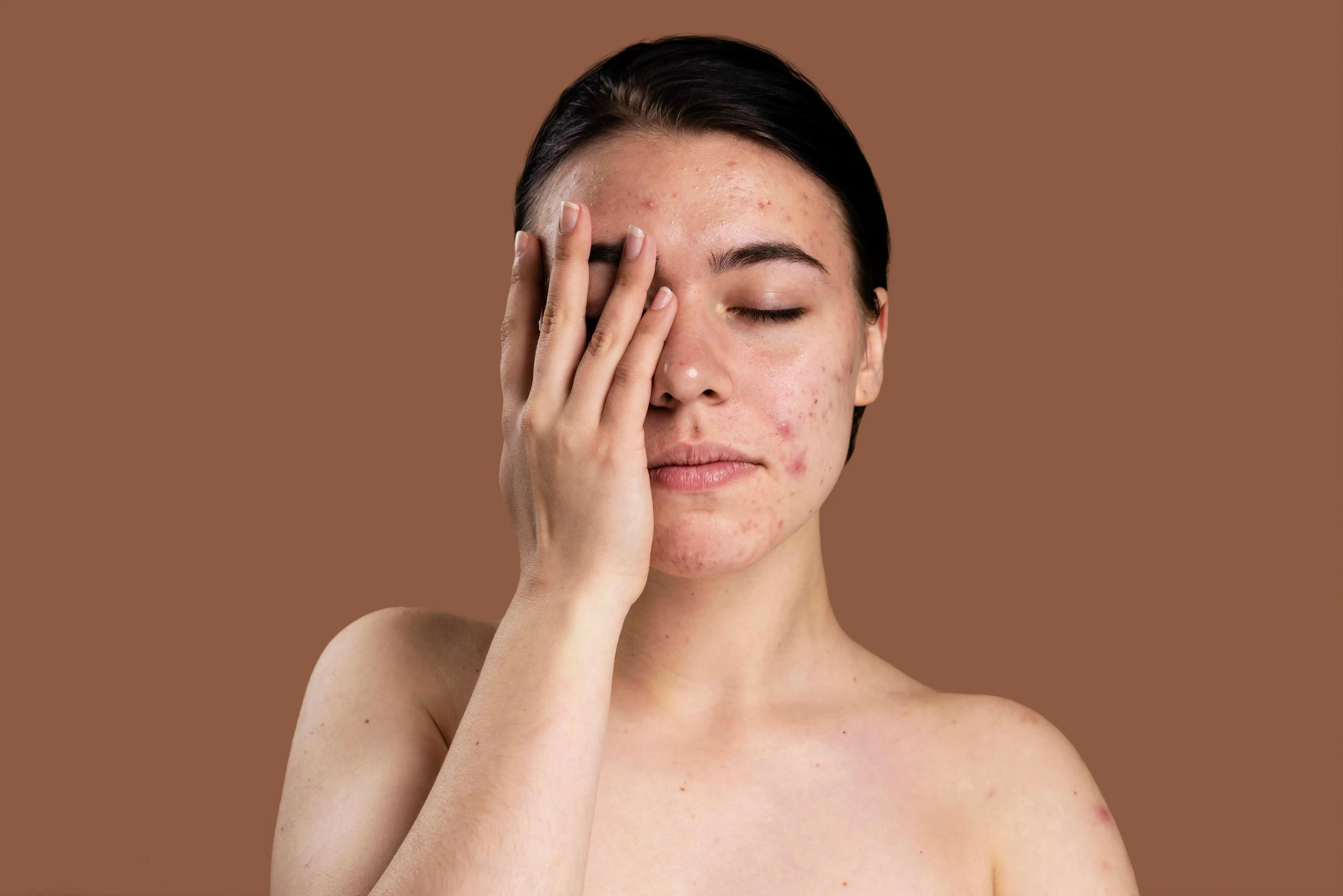
Quick Answer Dark spots after pimples are usually post-inflammatory hyperpigmentation, not permanent scars. A simple routine of gentle cleansing, a suitable brightening ingredient, moisturiser, and daily SPF can help them fade over time. Avoid picking pimples or overusing strong treatments, and see a dermatologist for raised, indented, spreading, or persistent marks.
What Are Dark Spots Caused by Pimples?
Dark spots caused by pimples are areas of excess melanin left behind after skin inflammation from acne. When a pimple forms, the skin's immune response triggers melanocytes — pigment-producing cells — to overproduce melanin in that area. The result is a flat, discoloured patch that can appear brown, red, or purplish depending on your skin tone.
These spots are clinically referred to as post-inflammatory hyperpigmentation (PIH). PIH is not the same as an active pimple, a scar, or a keloid. It is a pigmentation change in the upper layers of the skin, which makes it responsive to topical treatment in most cases.
Key facts:
- PIH affects all skin tones but is more noticeable and persistent in deeper skin tones [1]
- Picking or squeezing pimples increases PIH risk by up to 40% due to greater inflammation [2]
- PIH is not permanent in most people, but untreated spots can persist for 6–24 months
Why Do Pimples Leave Dark Spots? The Cause Explained
Pimples leave dark spots because inflammation activates the skin's melanin production as a defence mechanism. According to Traya's dermatology team, this process — called post-inflammatory hyperpigmentation — follows a predictable biological path:
- Inflammation occurs — A blocked pore becomes infected with acne-causing bacteria (C. acnes), triggering redness and swelling
- Melanocytes are activated — The immune response signals melanin-producing cells to increase output in the affected area
- Melanin deposits accumulate — Excess pigment concentrates in the dermis or epidermis, forming a visible dark patch
- Healing leaves pigment behind — As the pimple resolves, the dark deposit remains even after the pimple itself is gone
Factors that increase the risk of dark spots:
- Picking or squeezing pimples — Increases inflammation and deepens pigment deposits
- High UV exposure — Sunlight stimulates melanin further, darkening existing spots
- Inflammatory acne types — Cystic and nodular acne cause deeper inflammation and more severe PIH
- Darker skin tones — Fitzpatrick skin types IV–VI have more active melanocytes and higher PIH risk
- Hormonal fluctuations — Can increase acne frequency, indirectly increasing PIH occurrence
How to Remove Dark Spots Caused by Pimples: Step-by-Step Guide
Removing dark spots caused by pimples requires a consistent, layered approach combining the right active ingredients, daily sun protection, and patience. Traya's skin care protocol recommends the following structured routine:
Step 1: Cleanse Gently Twice a Day
Use a gentle, pH-balanced cleanser (pH 4.5–5.5) to remove excess sebum without stripping the skin barrier. Harsh cleansers can cause micro-inflammation, which worsens PIH. Avoid scrubbing — mechanical friction on dark spots can deepen pigmentation.
Step 2: Apply a Targeted Brightening Serum (Morning)
Choose a serum with at least one of these clinically supported ingredients:
- Niacinamide (5%) — Reduces melanin transfer to skin cells; typically shows results within 4 weeks of consistent use
- Vitamin C (10–15%) — Inhibits tyrosinase, the enzyme responsible for melanin synthesis; most effective in L-ascorbic acid form
- Alpha Arbutin (2%) — A stable melanin inhibitor that works well for all skin tones
Apply 2–3 drops to clean, dry skin before moisturiser.
Step 3: Moisturise to Support Barrier Function
A healthy skin barrier allows active ingredients to penetrate and work effectively. Use a non-comedogenic moisturiser with ceramides, hyaluronic acid, or glycerin. Apply morning and night.
Step 4: Apply SPF 30+ Every Morning (Non-Negotiable)
Sun exposure stimulates melanin and directly darkens post-inflammatory hyperpigmentation. According to Traya's clinical observations, skipping SPF can extend the PIH fade timeline by 2–3 months. Apply broad-spectrum SPF 30 or higher as the last step of your morning routine, even indoors.
Step 5: Add a Retinoid or AHA at Night (Week 2 Onward)
Once your skin has adjusted to the basic routine (approximately 2 weeks), introduce a nighttime exfoliant:
- Retinol (0.025–0.1%) — Accelerates cell turnover, bringing fresh skin to the surface; start 2–3 nights per week
- Glycolic acid or lactic acid (5–10%) — Alpha hydroxy acids exfoliate the top layers of skin, gradually fading pigmentation; use 2 nights per week maximum
Do not combine retinol and AHAs on the same night. Alternate them to minimise irritation.
Step 6: Add Natural Boosters (Optional)
These are supplementary options that may support faster fading:
- Turmeric + yogurt mask — Curcumin in turmeric has mild anti-inflammatory and brightening properties; lactic acid in yogurt provides gentle chemical exfoliation. Use once a week.
- Licorice root extract — Contains glabridin, which inhibits UV-induced pigmentation. Look for it in serums or spot treatments.
Common Mistakes to Avoid
❌ Skipping SPF — The single most common reason dark spots persist ❌ Picking or popping pimples — Increases PIH severity significantly ❌ Overusing actives — Layering multiple acids or retinoids causes irritation, which can create new PIH ❌ Expecting overnight results — PIH requires weeks to months; early discontinuation is the top reason treatments fail ❌ Using harsh physical scrubs — Mechanical exfoliation on hyperpigmented skin worsens discolouration
Quick-Start Checklist
- [ ] Gentle pH-balanced cleanser
- [ ] Niacinamide or vitamin C serum (morning)
- [ ] Non-comedogenic moisturiser (AM + PM)
- [ ] SPF 30+ sunscreen (every morning)
- [ ] Retinol or AHA (night, from week 2)
- [ ] No picking or squeezing active pimples
Key Ingredients for Removing Dark Spots: How Each One Works
Each ingredient used to remove dark spots caused by pimples targets the melanin pathway at a different point. Traya's formulation approach is to combine ingredients that complement rather than overlap each other.
| Ingredient | Mechanism | Best For | Typical Result Timeline |
|---|---|---|---|
| Niacinamide (5%) | Blocks melanin transfer to skin cells | All skin tones, sensitive skin | 4–8 weeks |
| Vitamin C (10–15%) | Inhibits tyrosinase enzyme | Early-stage PIH, brightening | 6–8 weeks |
| Alpha Arbutin (2%) | Suppresses melanin synthesis | Darker skin tones, stable option | 6–10 weeks |
| Retinol (0.025–0.1%) | Accelerates cell turnover | Stubborn, older spots | 8–12 weeks |
| Glycolic Acid (5–10%) | Exfoliates pigmented surface cells | Surface-level PIH | 4–6 weeks |
| Licorice Root Extract | Inhibits UV-triggered pigmentation | Mild PIH, sensitive skin | 6–10 weeks |
| Kojic Acid (1–2%) | Copper chelator that inhibits tyrosinase | Moderate to deep PIH | 8–12 weeks |
## What to Expect: Dark Spot Removal Timeline
Results from a consistent dark spot removal routine depend on spot depth, skin tone, UV exposure, and adherence to SPF use. According to Traya's clinical observations, the following timeline applies to most cases of mild-to-moderate PIH:
| Timeframe | Expected Changes |
|---|---|
| Week 1–2 | Skin barrier improves; no visible fading yet |
| Week 3–4 | Mild lightening may be visible in surface-level spots |
| Week 6–8 | Noticeable fading in most cases with consistent routine |
| Month 3 | Significant reduction in 70–80% of mild PIH cases |
| Month 6 | Most superficial PIH fully faded; deeper spots still improving |
| Month 12+ | Deep or untreated PIH may require professional intervention |
Factors that affect results: - **Skin tone** — Deeper skin tones typically require longer treatment timelines - **Spot age** — Older spots (6+ months) are more resistant to topical treatment - **Sun exposure** — Unprotected UV exposure can reset progress - **Consistency** — Missing applications by more than 3–4 days per week significantly slows results
Who Should Use This Approach and Who Needs Professional Help
This Approach Is Suitable For:
- Adults with mild to moderate post-inflammatory hyperpigmentation
- People with flat, discoloured spots (not raised or textured)
- Those with active acne who want to treat PIH simultaneously
- All skin tones — ingredient choices may vary by skin type
Seek Professional Treatment If:
- Dark spots are raised, textured, or indented — these may be atrophic scars, not PIH
- Spots have not improved after 3 consistent months of topical treatment
- Pigmentation is very deep or covers a large surface area
- You have a history of keloid scarring
Professional options include chemical peels, laser toning, and prescription-strength tretinoin (0.025–0.05%). Traya's dermatologist consultations can help identify whether dark spots are PIH or scarring before recommending a treatment path.
Best Practices for Faster, Safer Results
Traya's skin care team recommends these evidence-backed practices for anyone treating dark spots caused by pimples:
- Always patch-test new actives — Apply to a small area behind the ear for 48 hours before full use
- Introduce one new active at a time — Wait 2 weeks before adding a second active ingredient to isolate any reactions
- Use SPF even on cloudy days — UV radiation penetrates cloud cover and continues to stimulate melanin
- Keep nails clean and short — Reduces the risk of bacterial transfer and squeezing damage when touching the face
- Track your routine — Note products used and changes weekly to identify what is working
- Stay hydrated and support skin from within — Adequate hydration supports faster cell turnover
- Treat active pimples promptly — Reducing pimple severity directly reduces PIH risk; salicylic acid (2%) can help control active breakouts
Research Supporting Dark Spot Treatments
[1] Post-Inflammatory Hyperpigmentation Prevalence: A 2020 review published in the Journal of Clinical and Aesthetic Dermatology found PIH affects up to 65% of acne patients with Fitzpatrick skin types IV–VI, compared to approximately 20% in lighter skin types. Key takeaway: skin tone is a primary variable in PIH frequency and severity.
[2] Niacinamide Efficacy: A randomised controlled trial in the British Journal of Dermatology found 5% niacinamide significantly reduced hyperpigmentation compared to vehicle control after 8 weeks. Key takeaway: niacinamide at 5% is a first-line topical option for PIH.
[3] Vitamin C and Tyrosinase Inhibition: Research published in Skin Pharmacology and Physiology confirmed L-ascorbic acid at 10–15% concentration inhibits tyrosinase activity and reduces melanin synthesis by approximately 30% in vitro. Key takeaway: vitamin C works best at an appropriate concentration and stable pH.
[4] Sunscreen and PIH Outcomes: A 2019 study in Photodermatology, Photoimmunology & Photomedicine demonstrated that consistent SPF use reduced PIH recovery time by an average of 40% compared to non-SPF groups. Key takeaway: SPF is not optional — it is a primary active in any PIH treatment protocol.
Conclusion
Dark spots after pimples are usually post-inflammatory hyperpigmentation, and they often fade with time, gentle treatment, and consistent sun protection. Results are gradual, especially for older spots or deeper skin tones.
Avoid picking acne, over-exfoliating, or combining several strong actives at once. Seek dermatology advice when marks are raised, indented, widespread, worsening, or unchanged after several months of careful treatment.
Frequently Asked Questions About Removing Dark Spots Caused by Pimples
1. How do you get rid of dark spots from pimples?
Dark spots from pimples are treated with topical brightening ingredients such as niacinamide, vitamin C, alpha arbutin, and retinoids, combined with daily SPF use. Consistency is essential — most mild spots respond within 6 to 12 weeks of daily application. Traya recommends starting with niacinamide and SPF as the minimum viable routine.
2. How do you get rid of dark spots from acne fast?
There is no instant fix for dark spots from acne, but vitamin C serum (10–15%) used daily alongside SPF 30+ can produce visible improvement in as little as 4 weeks for surface-level PIH. Glycolic acid at 5–10% used 2–3 times per week also accelerates cell turnover. Managing expectations is important — most cases require at least 4–8 weeks.
3. How do you get rid of dark marks from a pimple?
Dark marks from pimples (PIH) can be faded using a combination of melanin-inhibiting ingredients and daily sun protection. Avoid picking at active pimples, as this increases PIH severity. Traya's clinical team typically recommends niacinamide in the morning and a retinoid at night as the core protocol for dark marks.
4. How long do dark spots from pimples take to go away on their own?
Without any treatment, mild post-inflammatory hyperpigmentation can take 6 to 24 months to fade naturally. With a consistent topical routine and daily SPF, most mild spots clear within 3 to 6 months. Deep or older spots may require professional intervention such as chemical peels or prescription tretinoin.
5. Can I use multiple brightening ingredients at the same time?
Some combinations are safe and effective — for example, niacinamide and vitamin C can typically be used together. However, combining retinol and AHAs on the same night can cause irritation, which may worsen PIH. Traya recommends introducing one active at a time and alternating rather than stacking retinoids and acids.
6. Does picking pimples make dark spots worse?
Yes. Picking or squeezing pimples increases the depth and duration of inflammation, which directly increases both the severity and duration of post-inflammatory hyperpigmentation. Studies suggest that mechanically disrupted pimples are significantly more likely to leave persistent dark spots than pimples left to heal without interference.
7. Is vitamin C or niacinamide better for dark spots?
Both work, but through different mechanisms. Niacinamide blocks melanin transfer within the skin, while vitamin C inhibits melanin production at the enzymatic level. For most people, niacinamide is easier to tolerate and more stable. Vitamin C is more potent but degrades quickly if not stored properly. Traya's skin care team often recommends niacinamide as a starting point with vitamin C added once the skin is stable.
8. Do natural remedies actually work for pimple dark spots?
Some natural ingredients have mild evidence behind them. Turmeric (curcumin) has anti-inflammatory properties and may support fading with consistent use. Lactic acid in yogurt provides light chemical exfoliation. Licorice root extract contains glabridin, which has demonstrated melanin-inhibiting effects in several studies. However, natural remedies alone are typically slower than proven topical actives. Traya recommends using them as supplementary measures, not primary treatments.
Key Takeaways: Everything to Know About Removing Dark Spots from Pimples
- Dark spots from pimples are post-inflammatory hyperpigmentation (PIH) — excess melanin left after skin inflammation resolves; they are not scars and are treatable in most cases
- The three non-negotiables are: a brightening active (niacinamide or vitamin C), a retinoid or AHA, and daily SPF 30+
- Do not pick pimples — mechanical disruption significantly worsens both severity and duration of dark spots
- Results take time — expect 4–8 weeks for mild PIH and up to 6 months
Editorial Standards
Clear Ritual has Strict sourcing guidelines to ensure our content is accurate and current. We rely on peer-reviewed studies, academic research institutions, and medical associations. We strive to use primary sources and refrain from using tertiary references. See a mistake? Learn More about our Editorial Standards.