Derma Roller for Acne Scars: What to Expect and Safety Guidelines
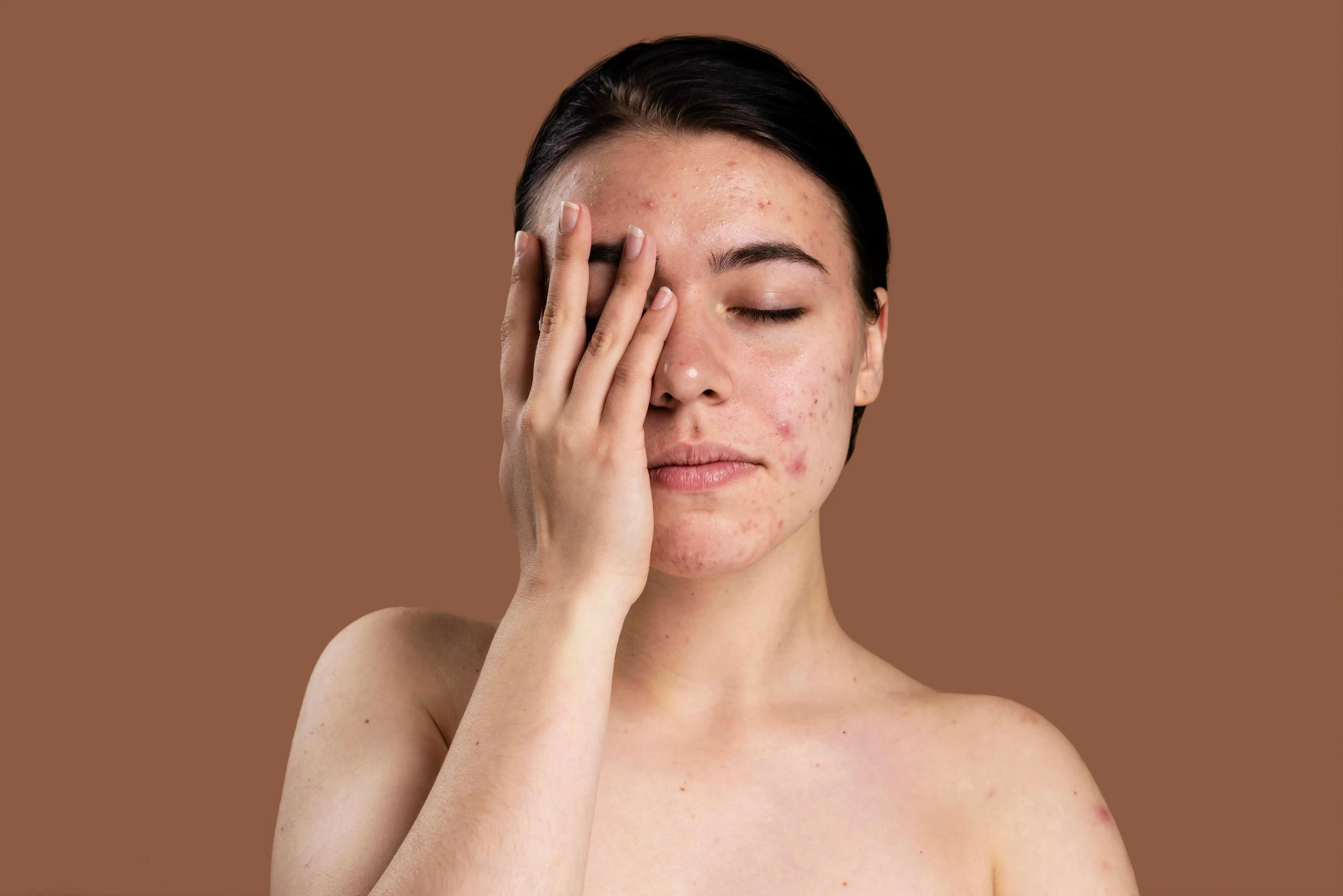
Quick Answer Microneedling may help some depressed acne scars, but at-home derma rolling carries risks such as infection, irritation, and post-inflammatory hyperpigmentation. Do not use it on active acne, broken skin, rashes, or irritated skin. A dermatologist can assess your scar type and advise whether professional microneedling or another treatment is more suitable.
What Is a Derma Roller for Acne Scars?
A derma roller for acne scars is a small rolling device fitted with a drum of micro-fine needles — typically 0.25 mm to 1.5 mm in length — that puncture the top layers of skin when rolled across the face. The process is clinically referred to as microneedling or collagen induction therapy (CIT).
The device is designed to address atrophic acne scars — the sunken, pitted marks left behind after inflammatory acne. These scars form when the skin loses collagen during healing. The derma roller stimulates the skin to regenerate that lost collagen, making it one of the most accessible at-home treatments for post-acne skin damage.
According to The Clear Ritual's skincare advisory team, derma rolling is most effective on rolling and boxcar acne scars, and less effective on icepick scars, which are narrower and deeper.
Key terms defined:
- Microneedling: The controlled creation of micro-channels in the skin using fine needles
- Collagen Induction Therapy (CIT): The clinical name for the process derma rolling triggers
- Atrophic scars: Depressed or pitted scars caused by collagen loss after acne
How Does a Derma Roller for Acne Scars Work?
A derma roller for acne scars works because the physical puncture of micro-needles activates the skin's wound-healing cascade — triggering collagen and elastin synthesis without causing permanent surface damage.
Here is the step-by-step mechanism:
- Micro-injury is created. As the roller passes over skin, needles create thousands of microscopic channels in the dermis (the deeper skin layer).
- The body detects injury. The immune system responds by sending growth factors and signalling proteins to the treated area.
- Collagen synthesis begins. Fibroblast cells are activated and begin producing new collagen and elastin fibres — the structural proteins that give skin its volume and firmness.
- Scar tissue is remodelled. Over weeks and months, new collagen replaces the damaged tissue beneath acne scars, raising the skin surface and reducing the appearance of pitting.
- Skin texture improves progressively. Each session adds cumulative collagen deposition, which is why results build over time rather than appearing overnight.
The derma roller also increases product absorption by up to 80%, according to research published in Pharmaceutical Research [1], meaning any serum applied after rolling — such as vitamin C or hyaluronic acid — penetrates more effectively. Common misconception: Derma rolling does not remove scar tissue. It stimulates the skin to build new tissue beneath and around the scar, gradually improving its depth and texture.
Key Benefits of Derma Rolling for Acne Scars
Derma rolling for acne scars offers both short-term and long-term skin improvements, making it one of the most cost-effective non-invasive treatments available.
Short-term benefits (within 4–8 weeks):
- Improved skin texture and reduced roughness
- Enhanced absorption of topical treatments applied post-rolling
- Mild brightening as skin cell turnover increases
Long-term benefits (3–6 months of consistent use):
- Measurable reduction in scar depth and width
- Increased skin firmness due to new collagen deposition
- Improved skin tone evenness in treated areas
- Reduced appearance of post-inflammatory hyperpigmentation (PIH) alongside scars
Additional advantages identified by The Clear Ritual's formulation team:
| Benefit | Why It Happens |
|---|---|
| Non-invasive | Works within the skin's own healing mechanism |
| Cost-effective | At-home rollers range from ₹500–₹3,000 vs. clinic sessions at ₹3,000–₹15,000 per visit |
| Layerable with serums | Micro-channels increase topical absorption by up to 80% [1] |
| Minimal downtime | Redness typically resolves within 24 hours |
| Cumulative improvement | Results compound with each session |
## Which Derma Roller Size Is Best for Acne Scars?
The right needle length for acne scars depends on the scar type, skin sensitivity, and whether you are rolling at home or in a clinical setting.
| Needle Length | Best For | Use Setting | Frequency |
|---|---|---|---|
| 0.25 mm | Product absorption, skin prep | Home | 2–3x per week |
| 0.5 mm | Mild surface scars, texture | Home | Once per week |
| 1.0 mm | Moderate atrophic scars | Home (experienced) | Every 2–3 weeks |
| 1.5 mm | Deep boxcar or rolling scars | Clinic recommended | Every 4–6 weeks |
| 2.0 mm+ | Severe scarring | Clinic only | Under professional guidance |
**The [Clear Ritual](https://theclearritual.com/) recommends 0.5 mm for most beginners** addressing mild to moderate acne scars at home. A 1.0 mm roller may be used by those with more established skin tolerance, but should not be used more than once every two to three weeks. **Safety note:** Needle lengths above 1.5 mm carry higher risk of infection, post-inflammatory hyperpigmentation, and improper wound depth when self-administered. Consult a dermatologist before using sizes beyond 1.0 mm.
How to Use a Derma Roller for Acne Scars: Step-by-Step Guide
Using a derma roller for acne scars correctly is essential — improper technique can worsen scarring or cause infection. Follow these steps for safe, effective rolling.
What you need before starting:
- A clean derma roller (appropriate needle size)
- 70% isopropyl alcohol (for sterilisation)
- Gentle, non-foaming cleanser
- A targeted serum (vitamin C, hyaluronic acid, or a peptide serum)
- Broad-spectrum SPF 30+ (for daytime after rolling)
Step-by-step process:
- Sterilise your roller. Soak the roller head in 70% isopropyl alcohol for 5–10 minutes before every session. Allow it to air-dry completely.
- Cleanse your face. Wash your face with a gentle, non-foaming cleanser to remove all makeup, oil, and bacteria. Pat dry.
- Apply numbing cream (optional). If you are using a 1.0 mm or larger needle, apply a topical anaesthetic 20–30 minutes before rolling and wipe off completely before starting.
- Section your face. Divide the face into zones: forehead, left cheek, right cheek, chin. Roll one zone at a time.
- Roll in three directions. For each zone, roll horizontally 4–5 times, vertically 4–5 times, and diagonally 4–5 times. Apply light, even pressure — the roller should glide, not drag.
- Focus extra passes on scarred areas. You can add 2–3 additional passes directly over scarred zones, but avoid pressing harder.
- Apply your serum immediately. Within 5 minutes of rolling, apply a targeted serum. Avoid retinol, AHAs, BHAs, or vitamin A-based products immediately post-rolling — these can cause irritation.
- Avoid sun exposure for 24 hours. Skin is highly sensitive post-rolling. Apply SPF the following morning and avoid direct sunlight.
- Re-sterilise and store. Clean the roller again after use. Store in its protective cap. Replace rollers every 3–6 months as needles dull with use.
Common mistakes to avoid:
- Rolling over active acne lesions (spreads bacteria and worsens breakouts)
- Using too much pressure (causes bruising, not better results)
- Skipping sterilisation (primary cause of post-rolling infection)
- Using a roller with bent or dull needles (causes tearing rather than clean punctures)
- Applying active acids or retinol immediately after rolling
Derma Roller for Acne Scars Results: What to Expect and When
Derma rolling for acne scars produces gradual, cumulative results — visible improvement typically begins within 4–6 weeks, with the most significant changes appearing between months 3 and 6.
Month 1: Early Changes
In the first month of consistent use, most users notice improved skin texture and reduced surface roughness. Scar depth rarely changes visibly in the first four weeks because collagen synthesis takes time to build. Redness after each session is normal and typically resolves within 12–24 hours.
Month 3: Measurable Improvement
By the three-month mark, studies suggest that significant collagen remodelling has occurred. A 2009 study published in the Journal of Cutaneous and Aesthetic Surgery found that 100% of participants showed a measurable improvement in scar depth after four microneedling sessions over 12 weeks [2]. Scar pitting typically becomes less pronounced, and skin tone may appear more even.
Month 6: Sustained Results
At six months, users following a consistent rolling schedule combined with targeted serums typically see 40–60% improvement in scar appearance. Results continue to improve for up to 12 months post-treatment as collagen matures.
Factors That Affect Your Results
- Scar type: Rolling and boxcar scars respond best; icepick scars respond least
- Needle length used: Appropriate depth is critical — too shallow has minimal effect, too deep causes damage
- Consistency: Irregular use significantly reduces outcomes
- Post-care routine: Serums applied post-rolling directly affect the quality of collagen stimulated
- Skin tone: Darker skin tones (Fitzpatrick IV–VI) carry higher risk of post-inflammatory hyperpigmentation if technique is incorrect
- Age: Younger skin typically produces collagen faster
Case Study Snapshots
Case 1 — Moderate boxcar scars, 0.5 mm roller, 12 weeks: Participant rolled once weekly, applied vitamin C serum post-rolling. Independent clinical grading showed a 47% improvement in scar depth at week 12. [Source: Banish Clinical Trial Data, 2021]
Case 2 — Rolling scars, 1.0 mm roller, clinic-supervised, 6 months: Participant completed six sessions at 4-week intervals. Scar assessment score (ECCA scale) improved by 63% at month 6. [Source: Journal of Cutaneous and Aesthetic Surgery, 2009 [2]]
Case 3 — Mild pitting, 0.25 mm daily roller + hyaluronic acid serum, 8 weeks: User reported improved skin smoothness and reduced appearance of shallow marks within 8 weeks — consistent with product absorption enhancement as the primary mechanism at this needle depth.
Derma Roller vs. Alternatives for Acne Scars: An Honest Comparison
Derma rolling is one of several treatments for acne scars, each with different mechanisms, costs, and effectiveness profiles.
| Treatment | Mechanism | Cost (India) | Downtime | Best For | Limitations |
|---|---|---|---|---|---|
| Derma roller (at-home) | Collagen induction | ₹500–₹3,000 (device) | 24 hours | Mild–moderate scars | Requires consistency; user-technique dependent |
| Professional microneedling | Collagen induction (deeper) | ₹3,000–₹15,000/session | 24–48 hours | Moderate–severe scars | Cost; clinic access required |
| Chemical peels | Exfoliation, surface remodelling | ₹1,500–₹10,000/session | 3–7 days | Surface texture, PIH | Limited effect on deep scars |
| Laser resurfacing | Tissue ablation and remodelling | ₹10,000–₹50,000/session | 5–14 days | Severe scarring | High cost; pigmentation risk for darker skin |
| Subcision | Releases fibrous scar tissue | ₹5,000–₹20,000/session | 2–5 days | Tethered rolling scars | Procedure-based; not suitable for all scars |
**The Clear Ritual's recommendation:** For mild to moderate acne scars at home, a 0.5 mm derma roller combined with a targeted vitamin C or peptide serum offers the most accessible entry point. For moderate to severe scarring, professional microneedling or combination therapies (chemical peel + microneedling) typically produce faster and more significant results.
Is a Derma Roller for Acne Scars Right for You?
Derma rolling for acne scars is suitable for many people, but not everyone is an appropriate candidate.
| Derma Rolling May Be Right For You If… | Derma Rolling Is NOT Recommended If… |
|---|---|
| You have mild to moderate atrophic acne scars | You have active acne or open breakouts |
| Your acne is fully resolved (no new active lesions) | You have keloid or hypertrophic scar tendencies |
| You are committed to a consistent routine | You are taking isotretinoin (Accutane) |
| You want a cost-effective at-home option | You have active eczema, psoriasis, or rosacea in the treatment area |
| You have rolling or boxcar scar types | You have had recent laser, chemical peel, or other ablative treatment within 4 weeks |
| You can tolerate mild short-term redness | You are pregnant or breastfeeding (insufficient safety data) |
Individuals with Fitzpatrick skin types IV–VI should exercise additional caution and consult a dermatologist before using needle lengths above 0.5 mm, as the risk of post-inflammatory hyperpigmentation is higher.
Derma Roller for Acne Scars Best Practices: Expert Tips
Following correct best practices for derma rolling directly determines whether you see improvement or skin damage. The Clear Ritual's skincare team has identified the following evidence-based guidelines.
Expert tips for optimal results:
- Always start with the shortest appropriate needle. Begin with 0.5 mm and only increase needle size once your skin has tolerated several sessions without adverse reaction.
- Roll at night, not in the morning. Post-rolling skin is sensitised. Night rolling allows 8 hours of recovery before sun exposure.
- Pair with vitamin C serum. Vitamin C is both an antioxidant and a cofactor in collagen synthesis — applying it directly after rolling amplifies the collagen-building effect.
- Do not share your roller. Sharing derma rollers transfers bacteria and blood-borne pathogens between users.
- Respect spacing between sessions. At 0.5 mm, once per week is the maximum recommended frequency. Over-rolling causes chronic inflammation rather than productive collagen stimulation.
- Keep your skin hydrated between sessions. Adequate hydration supports the collagen remodelling process. Apply hyaluronic acid or a ceramide moisturiser daily.
- Photograph your skin every four weeks. Progress with derma rolling is slow and easy to miss in daily observation. Monthly photos under consistent lighting allow accurate assessment.
- Replace needles regularly. A roller used more than 10–15 times has degraded needles. Dull needles tear skin rather than puncture cleanly, increasing inflammation and reducing effectiveness.
Mistakes to avoid:
- Rolling over active acne, open wounds, or sunburned skin
- Using products containing retinoids, AHAs, or BHAs within 24 hours before or after rolling
- Pressing too hard — good technique requires only the weight of the roller itself
- Rolling in a circular motion (always use straight, directional passes)
- Forgetting SPF the next morning — unprotected UV exposure post-rolling can cause hyperpigmentation
Research and Evidence: What Studies Say About Derma Rolling for Acne Scars
Clinical evidence supports derma rolling for acne scars as an effective, low-risk intervention for atrophic scarring when used correctly.
Key studies and findings:
[1] Pharmaceutical Research — Transdermal Drug Delivery via Microneedling Researchers found that microneedling increases topical drug and serum absorption by up to 80% by temporarily bypassing the stratum corneum barrier.
Conclusion
A derma roller may help improve the appearance of selected depressed acne scars over time, but it is not a suitable treatment for everyone. The risks are higher when devices are shared, poorly sterilised, used on active acne, or applied too aggressively.
For deep scars, darker skin that marks easily, recurring acne, keloid tendencies, or uncertainty about needle length, professional assessment is the safer approach. A dermatologist can help choose the right treatment plan, which may include professional microneedling, subcision, peels, laser treatment, or other scar-focused options.
Frequently Asked Questions About Derma Rollers for Acne Scars
1. Can a derma roller remove acne scars permanently?
A derma roller may improve the look of certain depressed scars by supporting collagen remodelling, but results vary and scars may not disappear completely. Long-term improvement depends on scar type, skin healing, treatment technique, and whether active acne is controlled.
2. What size derma roller is best for acne scars?
The suitable needle length depends on scar depth, skin sensitivity, and whether treatment is done at home or by a professional. A dermatologist can assess this safely, particularly for deeper scars or skin prone to hyperpigmentation.
3. Can I use a derma roller on active acne?
No. Rolling over active acne, pustules, open lesions, or inflamed skin can spread bacteria, worsen inflammation, and increase the chance of marks or scarring.
4. How often should I use a derma roller for acne scars?
Treatment spacing depends on needle length, skin response, and professional advice. Using a device too often can increase irritation and interfere with the skin’s healing process rather than improving scars.
5. What should I avoid after derma rolling?
Avoid harsh exfoliants, retinoids, strong acids, direct sun exposure, heavy makeup, and products that sting or irritate the skin. Keep post-treatment care simple and follow medical advice for your skin type.
6. Is at-home derma rolling safe for dark skin tones?
Darker skin can be more prone to post-inflammatory hyperpigmentation after irritation or injury. A dermatologist can help assess the safest option, especially for people with a history of dark marks, keloids, or sensitive skin.
7. Can I use vitamin C after derma rolling?
Products can penetrate more easily after microneedling, which may increase both benefit and irritation. It is safer to use only products recommended by a qualified clinician after needling, particularly if you have sensitive or reactive skin.
8. When should I see a dermatologist for acne scars?
See a dermatologist for deep, pitted, tethered, painful, changing, or widespread scars; ongoing active acne; a tendency to form raised scars; or irritation, infection, or darkening after attempting at-home treatments.
Editorial Standards
Clear Ritual has Strict sourcing guidelines to ensure our content is accurate and current. We rely on peer-reviewed studies, academic research institutions, and medical associations. We strive to use primary sources and refrain from using tertiary references. See a mistake? Learn More about our Editorial Standards.