What Are Acne Scars? Types, Causes, and Best Treatments
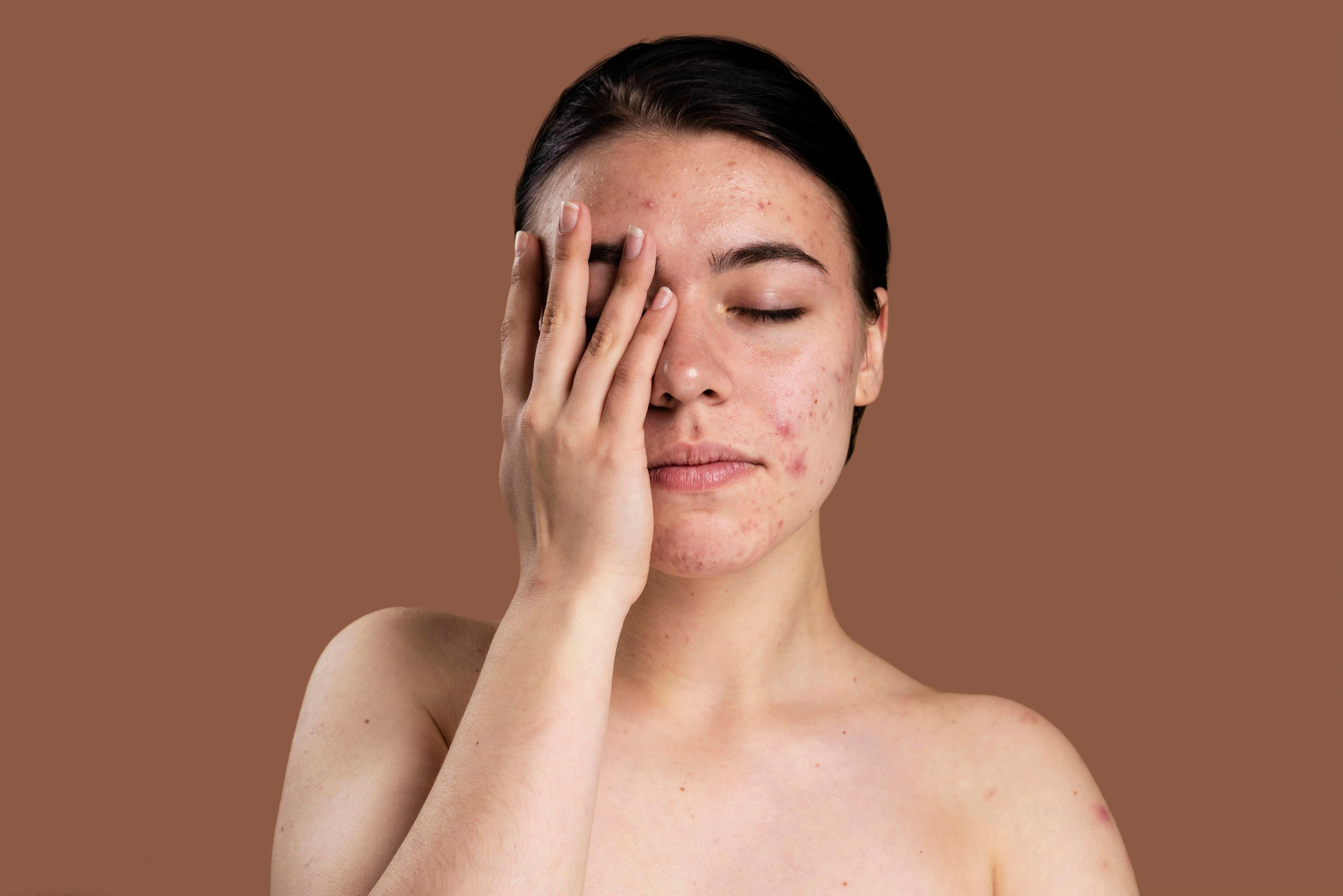
Acne scars are permanent marks or textural changes left behind after severe or inflamed acne has healed. They form when intense inflammation from an acne blemish damages the dermis, the skin's second layer, disrupting normal tissue repair. During healing, the skin either overproduces collagen, forming raised scars, or underproduces it, leaving indented, atrophic scars.
Understanding how acne scars form is the first step toward preventing and treating them. Below, we cover the main types of acne scars and how to treat them.
What Causes Acne?
Acne is caused by excess oil production, hair follicles clogged by dead cells, bacteria and inflammation, or a combination of these factors. Here are a few common causes of acne:
| Cause | What It Does | How It Triggers Acne |
|---|---|---|
| Hormones | Makes oil glands bigger | Produces too much skin oil |
| Blocked Follicle | Dead skin cells and sebum build up inside the pore | Blocks the hair follicle |
| Bacteria | Multiplies rapidly in trapped sebum | Triggers an inflammatory immune response inside the pore |
| Inflammation | Sends immune cells to fight | Creates red, painful pimples |
Apart from the main causes of acne, there are a few common triggers that can contribute to acne flare-ups:
- Stress & Periods: Changes in your hormone levels during the menstrual cycle boost skin oil production and trigger a series of events in the skin, leading to acne.
- High-Glycemic Foods & Dairy: Diets high in sugar and refined carbs spike blood sugar, while certain dairy products increase growth hormones, both driving excess sebum and inflammation.
- Heavy Makeup & Creams: These clog hair follicles and block your pores.
- Touching Face & Dirty Phones: Contact with dirt spreads bad bacteria into open pores.
- Family History: Passed-down genes can make skin naturally oily.
- Certain Medications: Drugs like corticosteroids can trigger new breakouts.
Do All Acne Breakouts Cause Acne Scars?
No, not all acne results in acne scars. In fact, most mild breakouts heal completely without leaving any permanent marks.
Low Risk: Everyday Breakouts
These surface-level blemishes do not damage the deep layers of your skin because the damage stays in the very top layer. They rarely cause permanent scars.
High Risk: Deep Acne
These are deeper, more stubborn breakouts that can disrupt the skin's connective tissue. While they carry a higher risk of scarring, they are fully treatable with the right care to stop these breakouts and protect your skin.
What Are the Types of Acne and What Do They Look Like?
Identifying your acne type is the first step to choosing the right treatment. Acne is not just one single thing. It comes in many different shapes and sizes, and treating a tiny blackhead is very different from treating a deep, painful bump.
Let’s break down the most common types of acne so you can easily spot them in the mirror.
| Type of Acne | What It Looks Like |
|---|---|
| Whiteheads | Small, flesh-coloured or white bumps that stay closed at the skin's surface. |
| Blackheads | Tiny, dark dots caused by trapped sebum and dead skin cells that oxidise, or turn dark, when exposed to air. |
| Papules | Small, solid red or pink bumps that feel tender to the touch. |
| Pustules | Red bumps with a white or yellow circle of pus right in the centre. |
| Nodules | Large, hard, painful lumps that sit deep under the surface of the skin. |
| Cysts | Large, soft, painful, fluid-filled lumps that sit deep and cause redness. |
Before you buy any new skincare products, it's essential to identify the exact type of acne on your face. The most reliable approach is to consult a dermatologist, since different blemishes require different active ingredients. A dermatologist guides you to match your symptoms and find out exactly what your skin is trying to tell you.
How Are Acne Scars Diagnosed?
Dermatologists diagnose acne scars visually. Getting acne scars diagnosed by a dermatologist is a straightforward, non-invasive appointment. In fact, it is a quick and painless process.
Doctors do not need deep tests or needles to see what is going on. They use their eyes to assess your skin and develop a plan to restore your smooth texture. While a visual exam is straightforward, a professional assessment ensures that true structural scars are not mistaken for temporary discolouration.
| What Happens | What the Doctor Does | Why It Helps You |
|---|---|---|
| The Visual Exam | Looks at your skin under bright, angled lights. | Angled lighting creates shadows that help the doctor assess the depth of pits or raised areas. |
| The Touch Test | Gently presses on and stretches the skin. | Checks if the texture smooths out or changes shape. |
| Evaluating Scars | Identifies if scars are deep pits or raised lumps. | Picks the exact treatment type your skin needs. |
| Colour Check | Looks for red, purple or dark spots left behind. | Separates temporary stains from deep tissue damage. |
| Severity Mapping | Notes how many scars you have and where they are. | Helps build a safe timeline to clear your skin. |
| Custom Planning | Talks about your goals and looks for active pimples. | Dermatologists create a custom routine, such as one that includes lasers or microneedling. |
The 4 Main Types of Acne Scars
Before choosing a treatment, you need to identify the specific shape and depth of your scars. Acne scars generally fall into two categories: atrophic, or indented, and hypertrophic, or raised.
Here is how to spot the differences:
- Ice Pick Scars: Deep, very narrow, pitted scars that look like the skin was punctured by a sharp tool. They plunge straight down into the deeper layers of the dermis.
- Boxcar Scars: Round or oval depressions with sharp, vertical, well-defined edges. They resemble the craters left by chickenpox.
- Rolling Scars: Wide, shallow depressions with sloping edges that create a wavy, uneven "rolling" texture across the skin. They are caused by bands of scar tissue pulling the skin down from inside.
- Keloids & Hypertrophic Scars: Thick, firm, raised bumps that sit above the skin's surface. These form when the body overproduces collagen during the healing process.
Acne Scars Treatment
Dealing with acne scars can be frustrating, but modern dermatology offers many clinical options to help smooth your skin texture. However, the right treatment depends entirely on the type of acne scars.
Treatments for Pitted Scars: Ice Pick, Boxcar and Rolling
These treatments work by kickstarting your skin's natural healing process to build new collagen and fill in deep craters.
| Treatment | How It Works | Best For |
|---|---|---|
| Laser Resurfacing | Uses gentle light beams to remove damaged skin layer by layer. | Smoothing deep pits and evening out the overall texture. |
| Microneedling | Punctures the skin with tiny needles to force collagen growth. | Shallow rolling scars and overall skin brightening. |
| Chemical Peels | Applies a special acid to peel away the skin's outer layer. | Mild surface scars and dark spots. |
| Subcision | Uses a tiny needle under the skin to release stuck scar fibres. | Deep, bound-down rolling scars. |
| Dermal Fillers | Injects a safe gel under the skin to instantly plump up craters. | Fast, temporary smoothing of deep hollows. |
Topicals for Surface Discolouration: Niacinamide reduces post-inflammatory pigmentation and mildly improves skin texture. It only fades very mild, shallow surface marks and texture. It cannot fix or fill in indented, pitted scars.
Treatments for Raised Scars: Hypertrophic Scars or Keloids
Instead of building collagen, these treatments usually focus on calming down the skin and flattening thick, raised bumps.
- Steroid Injections: A dermatologist injects medicine directly into the raised scar to soften the tough tissue, which flattens the bump over a few weeks.
- Laser Therapy: Specific lasers can safely target the blood vessels in raised scars, reducing redness and helping flatten them.
- Topical Silicone Gels: Special medical sheets or gels can be worn at home to keep the scar hydrated, which helps flatten and fade it over time.
Can Over-the-Counter Creams Help?
Drugstore products are not effective at completely erasing deep, pitted scars because they cannot rebuild the lost tissue beneath the skin's surface. However, dermatologist-recommended OTC products can be an effective supplementary step in your daily routine to maintain and prolong the benefits of professional clinical treatments.
Over-the-counter, or OTC, ingredients like retinol and AHA/BHA acids are great options for smoothing minor surface texture and fading the dark, discoloured marks left behind by old pimples. Always consult a certified dermatologist to find out which combination of treatments is safest for your specific skin type and tone.
How to Remove Acne Scars Naturally
You cannot fully remove deep, pitted acne scars naturally, but you can naturally fade red or dark marks left by pimples. Natural home remedies help heal the skin surface and calm inflammation, but they lack the strength to rebuild collagen or fill in deep skin craters, also known as atrophic scars.
What you put inside your body determines how well your skin heals. Managing your diet may help reduce acne breakouts, lowering the risk of new scars forming.
- Foods to Eat: Load up on antioxidant-rich berries, leafy greens and zinc-heavy foods like pumpkin seeds to speed up skin repair.
- Foods to Avoid: Cut back on high-glycemic foods, such as sugar and white bread, and dairy, as they spike insulin and trigger inflammatory acne breakouts.
- Healthy Fats: Eat omega-3 fatty acids found in walnuts and flaxseeds to calm full-body inflammation naturally.
You can also follow essential habits to prevent and heal scars:
- Wear Sunscreen Daily: Sun exposure darkens post-inflammatory acne marks and slows down the healing process. Always protect your face with a broad-spectrum sunscreen with SPF 30+.
- Do Not Pick or Pop Pimples: Picking or popping pimples tears the skin tissue and forces bacteria deeper, causing permanent pitted scars and worsening pigmentation.
- Stay Hydrated: Drinking plenty of water keeps your skin plump and supports your body's natural cell renewal.
Home Remedies for Acne Scars
Some safe and effective home remedies for acne scars are:
| Remedy | Key Benefit | How to Use |
|---|---|---|
| Aloe Vera | Fades dark spots. | Apply pure gel for 30 minutes. |
| Rosehip Seed Oil | Speeds up cell turnaround. | Massage a few drops at night. |
| Green Tea Extract | Reduces swelling and redness. | Press a cooled tea bag on the skin. |
| Honey | May reduce post-inflammatory pigmentation. | Dab raw honey onto healing spots. |
While there are safe options, a few natural remedies can be harsh on your skin and can worsen scars. It is better to avoid using ingredients like:
- Lemon Juice: Direct application of concentrated lemon juice can cause chemical burns and make your skin hypersensitive to sunlight, leading to darker stains due to its high acidity.
- Baking Soda: It is too abrasive and disrupts your natural skin barrier, leading to irritation and more breakouts.
- Apple Cider Vinegar: Undiluted vinegar can burn delicate facial skin and worsen redness.
The Clear Ritual’s Perspective on Acne Scars
Successful scar management requires looking at both sides of acne. This means treating existing marks with high-quality topical skincare while addressing internal triggers to prevent new breakouts. The Clear Ritual views acne scars as structural skin changes that require a targeted, evidence-based approach.
The The Clear Ritual Skin Test helps to uncover the root causes of recurring acne by mapping both internal health indicators and external triggers. After completing the diagnostic test, you receive a simplified, personalised regimen featuring targeted ingredients.
Frequently Asked Questions
How do you prevent acne scars?
The most important step to prevent acne scars is to resist the urge to pick or pop the pimples. You need to avoid harsh alcohol-based products and apply sunscreen daily to prevent dark spots from forming.
Do scars from acne go away?
No, acne scars do not go away on their own. However, a few clinical treatments and targeted topicals can significantly fade and smooth them over time.
What are acne scars caused by?
Acne scars are caused by intense inflammation when pores become clogged with oil, dead skin and bacteria, which damage the deep layers of skin.
Can you 100% remove acne scars?
You cannot 100% remove acne scars because scar tissue permanently alters skin structure. However, professional treatments such as lasers, microneedling and subcision can visibly improve skin texture and reduce the appearance of scars. Clinical results vary widely by scar type, depth and skin tone.
How do you know if it’s an acne scar?
Acne scars look like tiny pitted holes or wavy ripples left behind by deep pimples. Normal scars usually form flat, long or thick lines caused by cuts, burns or surgeries.
References
Editorial Standards
Clear Ritual has Strict sourcing guidelines to ensure our content is accurate and current. We rely on peer-reviewed studies, academic research institutions, and medical associations. We strive to use primary sources and refrain from using tertiary references. See a mistake? Learn More about our Editorial Standards.
Related Articles
Pimples During Pregnancy: Safe Treatments and What to Avoid
Published 16 July 2026
Pregnancy Pimples: Causes & Safe Treatments
Published 16 July 2026
Fungal Acne in Humid and Tropical Weather: Causes, Treatment, and Prevention
Published 12 October 2026

How Helmets and Caps Trigger Forehead Acne: Causes, Prevention & Treatment
Published 15 October 2026